

Kayseri
Why Kayseri Deserves a Place on Your Turkey Itinerary
Most travellers treat Kayseri as nothing more than the airport on the way to Göreme or the bus stop before their Cappadocia balloon flight. That is a mistake. Kayseri is a full, self-assured Anatolian city of around a million people, with a strong industrial economy, a large student population and a historic core that quietly outclasses many more famous Turkish destinations.
It was the ancient Roman and Byzantine city of Caesarea, one of Anatolia's most important centres, and later a key base of the Seljuk Sultanate of Rum. That Seljuk era left behind a dense cluster of 12th- and 13th-century monuments, many of them still standing in daily use. And it is the birthplace area of Turkey's most celebrated charcuterie and dumplings — pastırma and manti — so eating here is not an afterthought, it is a reason to come.
Kayseri doesn't perform for tourists. It goes about its business: tradesmen in the bazaar, students rushing between faculties, families filling grilled kebab restaurants at night. That authenticity, combined with genuinely low prices and comfortable four- and five-star hotels, makes it one of central Turkey's best-value stops.
Practical geography
The city sits in a wide plain at the foot of Mount Erciyes, roughly 1,000 metres above sea level. Cappadocia's main towns — Nevşehir, Göreme, Ürgüp — are about 75 to 100 km west, an hour to ninety minutes by car or shuttle. The city's own airport, Kayseri Erkilet (ASR), is 6 km north of the centre and handles daily flights from Istanbul, Izmir and other Turkish cities, plus some international services.
Seljuk Monuments: A Compact Open-Air Museum
Kayseri's historic core has an unusually high concentration of Seljuk buildings within walking distance of each other. Start at Cumhuriyet Meydanı and work your way into the surrounding bazaar district.
The Hunat Hatun Complex (Külliyesi), built in 1238, is the classic starting point: a mosque, madrasa, tomb and hamam bundled together by the same patron, a Seljuk queen. Nearby, the Hacı Kılıç Mosque and Madrasa and the Sahabiye Madrasa (1267) show how secular and religious learning was embedded in the street fabric — the Sahabiye is now used as part of the city's cultural life rather than a museum piece.
Do not miss the two most architecturally striking buildings. The Huand Hatun Mosque is famous for its carved portal, and the Gevher Nesibe Complex (1206), a hospital and medical madrasa founded by a Seljuk princess, is one of the oldest surviving hospitals in the Islamic world. Its quiet courtyard and small museum of Seljuk medicine explain the site far better than a plaque would.
Seljuk vs Ottoman layers
Because Kayseri kept growing, you also get Ottoman and early Republican buildings layered on top: the Kurşunlu Mosque, the bedesten in the bazaar, and the handsome stone houses of the Kayseri Houses (Kayseri Evleri) district, especially around the restored mansions of the Germir and Tavlasun neighbourhoods a short drive from the centre.
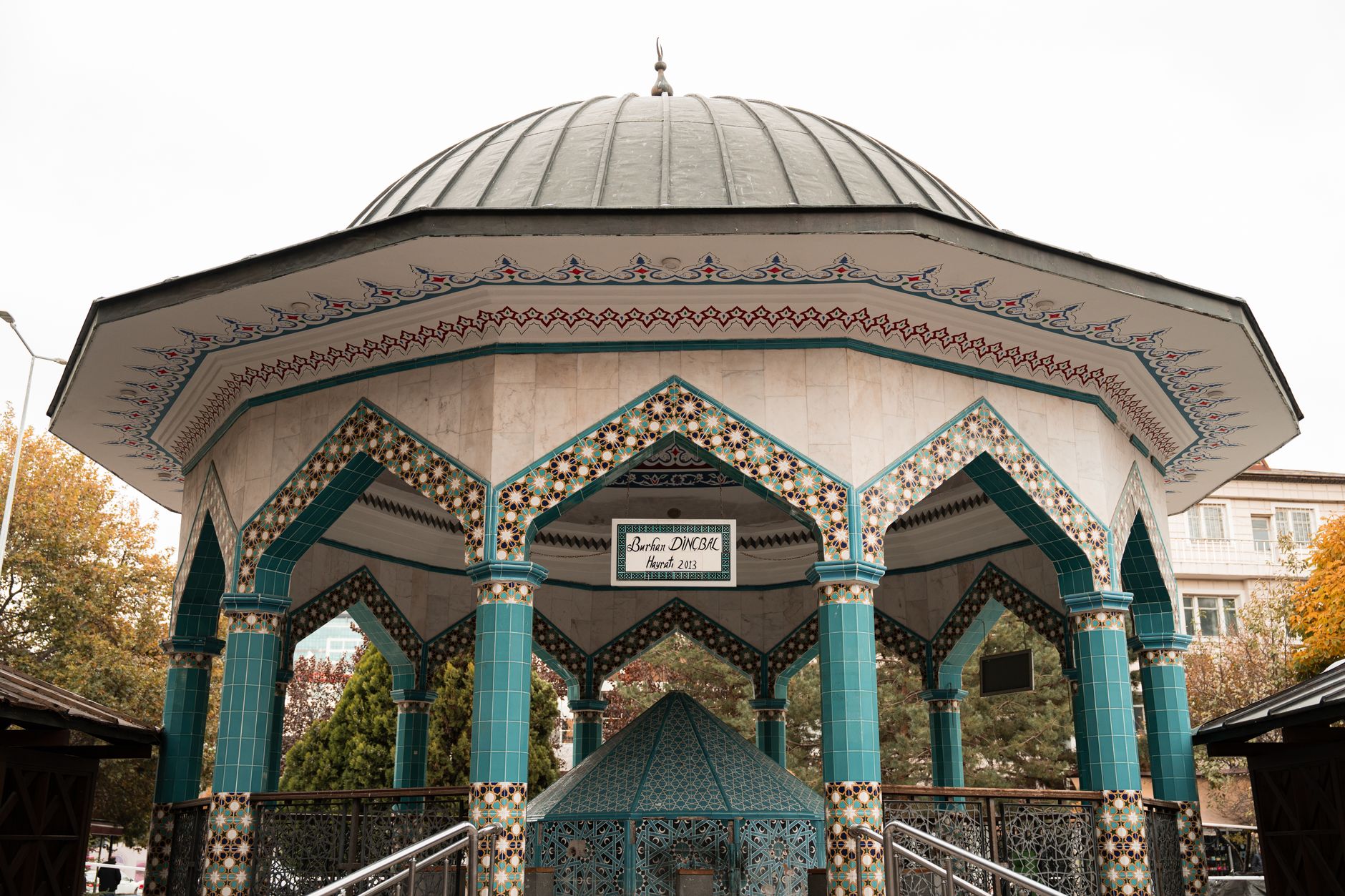
The Covered Bazaar: Trading as It Has for Centuries
Kayseri's Kapalı Çarşı (Covered Bazaar) is not a tourist bazaar. This is where locals buy gold, carpets, fabric, tools and household goods, under a labyrinth of vaulted stone streets that have been in continuous use since the Seljuk and Ottoman periods.
Allow a couple of hours to wander without a fixed agenda. The Bedesten, the oldest core, specialises in carpets and kilims; the surrounding hans and streets deal in gold, copper and, increasingly, modern retail. The traders are used to locals, not tour groups, so prices and conversation are refreshingly straightforward.
Morning is the best time to see the bazaar at full volume. If you are shopping for a kilim or a piece of copperware, you will often pay less here than in the Cappadocia tourist centres — and you'll be dealing with a merchant who has been in the same family stall for generations.
Around the bazaar
Just outside the covered area, the Ulu Camii and the surrounding streets are good for people-watching. There are simple çay houses and small lokantas serving lunch to shopkeepers: a strong signal about where to eat.
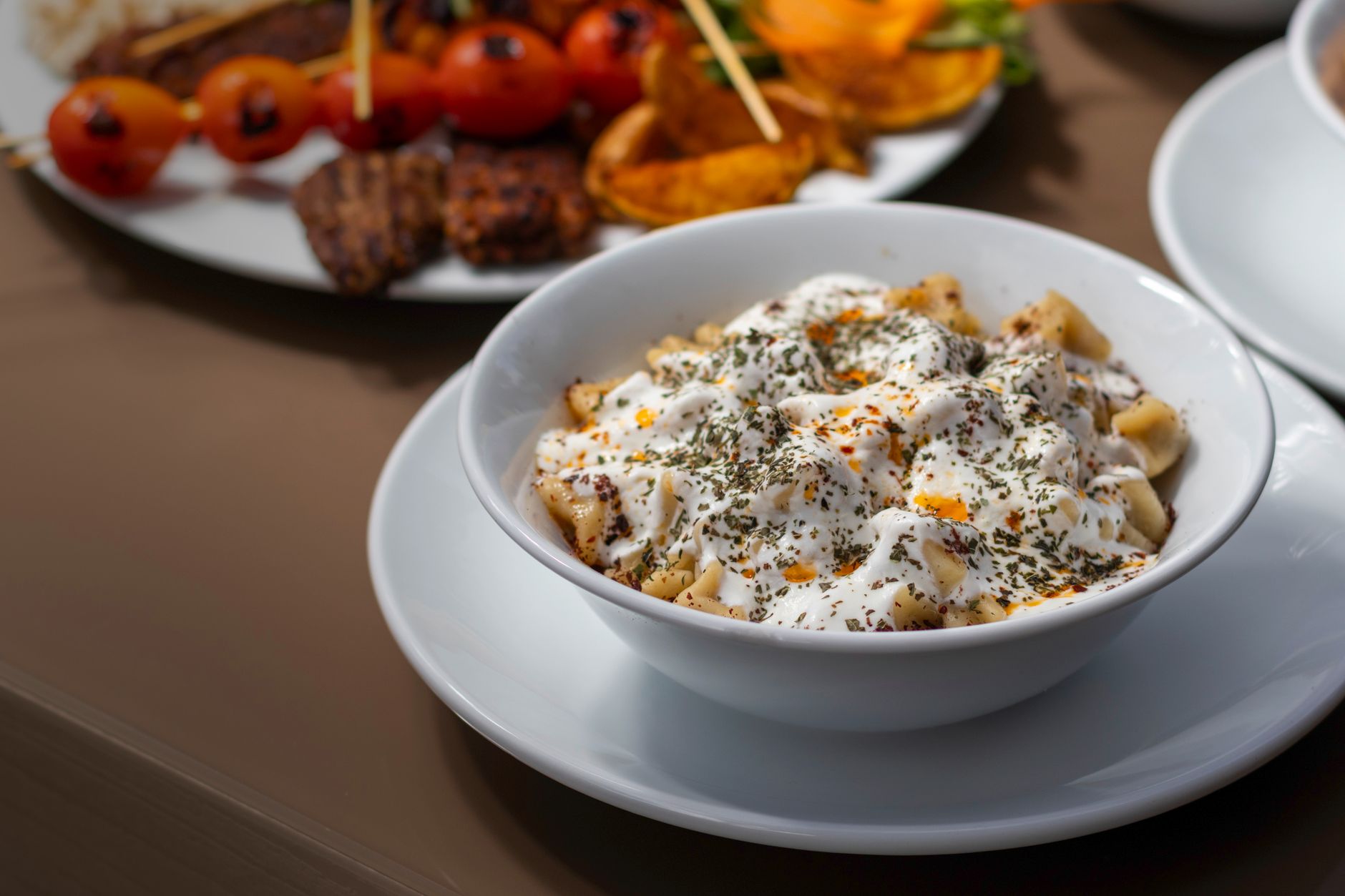
Manti, Pastırma and Kayseri's Food Culture
Kayseri takes food seriously. Two products in particular are closely identified with the city, and both are worth planning a meal around.
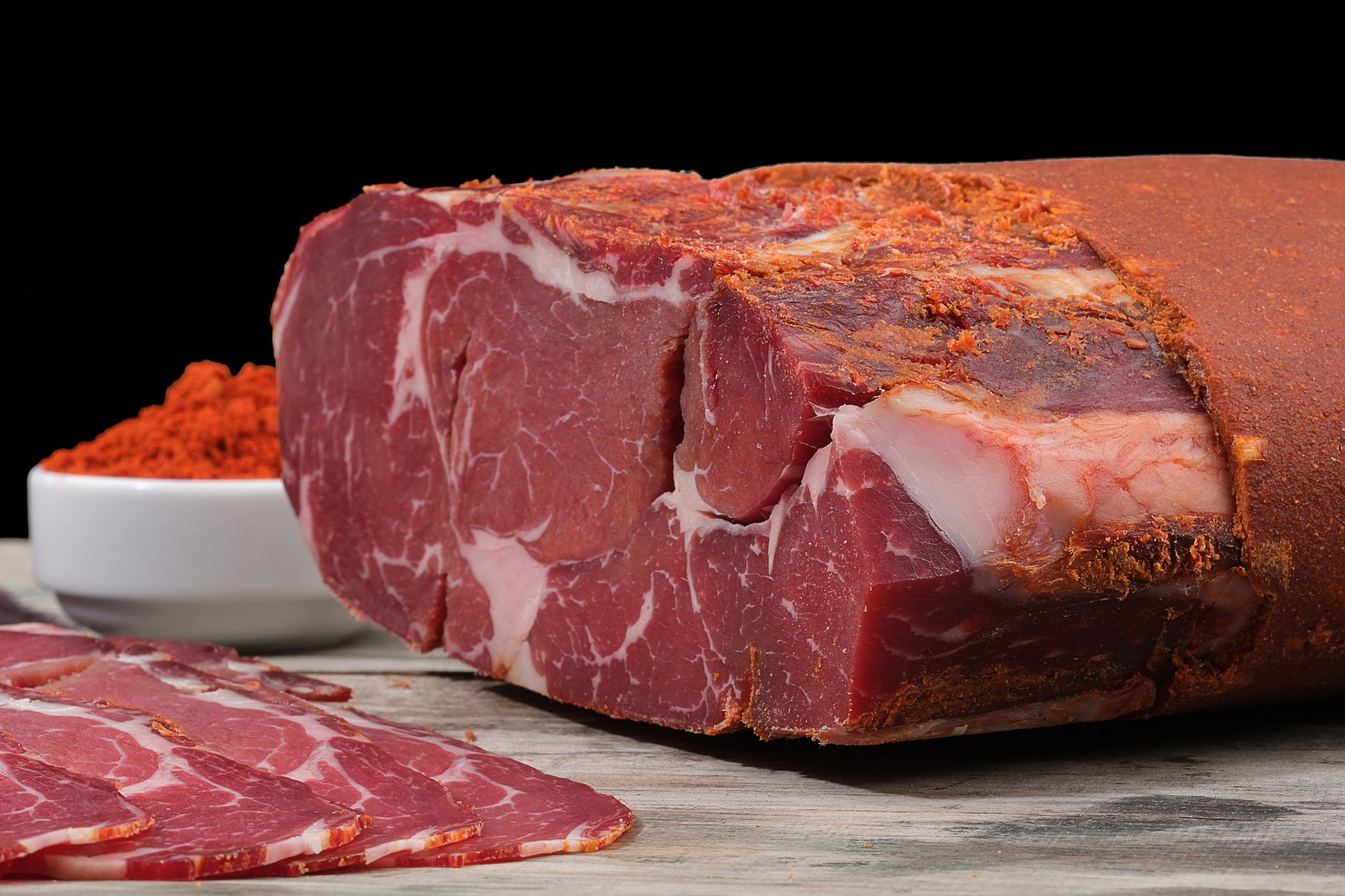
Pastırma is the cured, spiced beef that Kayseri has produced for centuries. You will see it hanging in specialist shops, sliced thin, and served at breakfast or as a meze. Visit a pastırma shop in the bazaar area to understand the difference between the industrially produced versions sold elsewhere and the local, properly cured cuts.
Kayseri manti are tiny hand-rolled dumplings, far smaller than the versions served in Istanbul, dressed with garlic yoghurt, melted butter and a light tomato or pepper sauce. A plate is cheap, filling and deeply regional. Look for family restaurants rather than hotel dining rooms; ask at your hotel for their own favourite manti place.
Other local specialities worth trying include yağlama (a layered flatbread dish with minced meat), Kayseri mantısı in its soupy form, and the city's distinctive gilaburu juice, made from a local viburnum berry. For dessert, seek out kadayıf and the regional version of baklava, often less sweet than the Gaziantep style.
Where and when to eat
Breakfast is a serious meal: pastırma, cheeses, olives, jams and endless tea. Lunch is quick and cheap in the bazaar lokantas. Dinner is where families gather, often around grilled meat or a meze spread. On a modest budget you can eat extremely well here, which is one of the city's quiet advantages over the tourist hubs to the west.
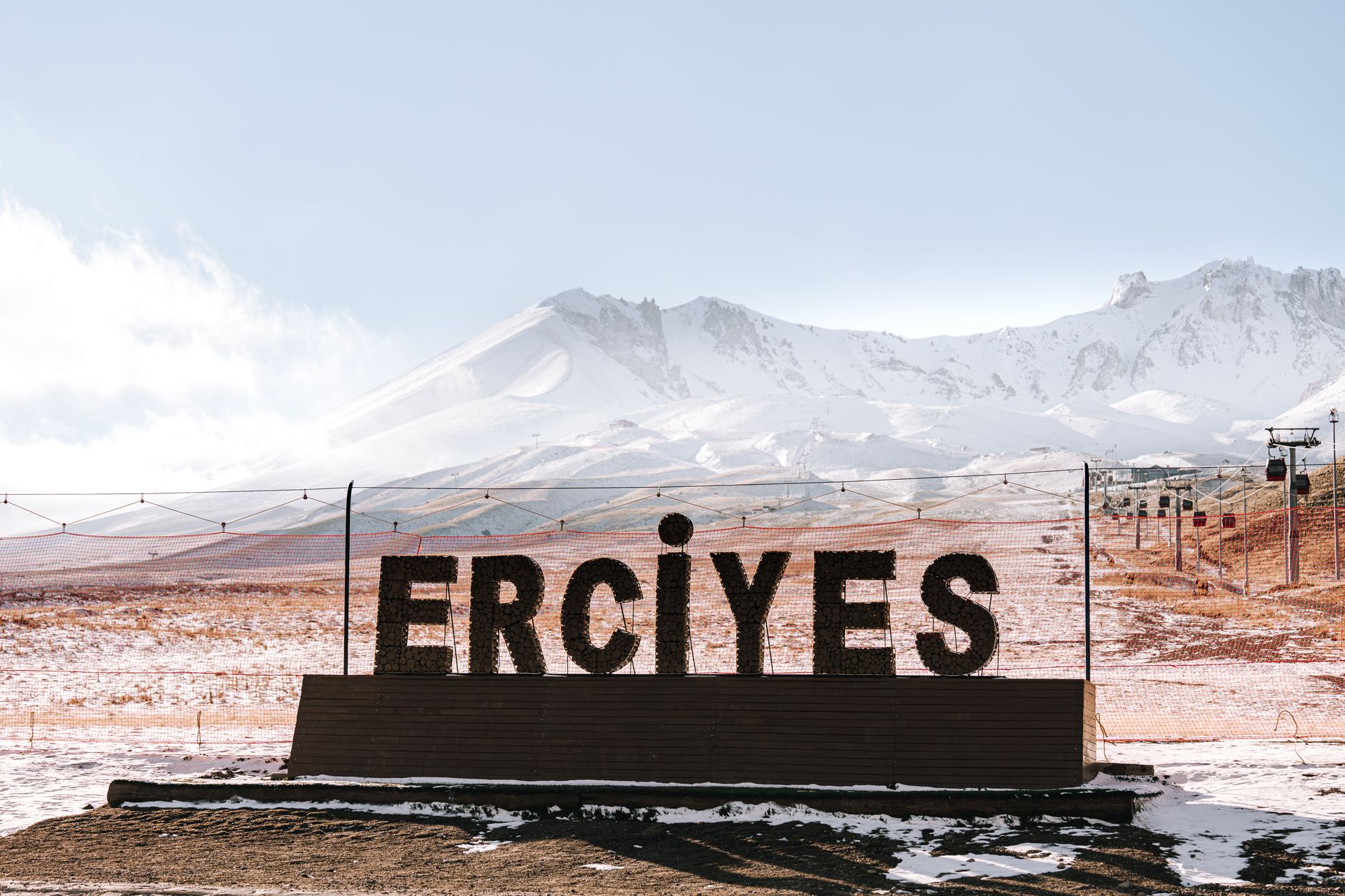
Mount Erciyes: Winter Sports Above the Plain
Mount Erciyes is the dormant volcano that dominates the skyline, rising to 3,917 metres. Its lower slopes host one of Turkey's largest and most modern ski resorts, with lifts, groomed runs and hotels at around 2,200 to 2,700 metres, only about 25 km from the city centre.
The season typically runs from December to late March or early April, with reliable snow, long runs suitable for intermediate skiers and a growing number of beginner areas. Because the resort is so close to Kayseri, it is entirely possible to base yourself in the city, ski during the day and return to a proper urban evening of manti and bazaar wandering.
Outside winter, Erciyes is a hiking and mountain-biking destination. The national park around the mountain offers trails, high pasture scenery and, on clear days, views across to the Cappadocia plateau. Day tours and transfers can be arranged through hotels in Kayseri, and the drive up is straightforward.
Combining Erciyes with the city
A practical two- or three-day Kayseri stay could be: one full day for the Seljuk core and bazaar, one day on Erciyes (skiing or hiking depending on season), and a half-day for the Kayseri Houses and the archaeological museum. Food fits around all of it.
Getting There: High-Speed Rail and Flights
Kayseri is one of the easiest non-Istanbul cities in Turkey to reach. High-speed trains (YHT) connect it directly with Ankara in around two hours and with Istanbul via the Ankara connection in roughly five to six hours, depending on the service. The station is central, and the ride itself is comfortable and inexpensive.
By air, Kayseri Erkilet Airport (ASR) has frequent daily flights from Istanbul (both airports) and Izmir, plus seasonal international routes. The airport is 6 km from the city centre, a short and cheap taxi or bus ride — far more convenient than most Cappadocia arrivals.
By road, Kayseri is on the main routes between Ankara, Sivas and the Cappadocia towns. Buses and dolmuşes run to Nevşehir, Göreme and Ürgüp throughout the day, and the drive to Göreme takes about an hour.
Combining Kayseri with Cappadocia
The smart move is to treat Kayseri and Cappadocia as one trip rather than two. Fly or take the train into Kayseri, spend two days in the city, then transfer west to Göreme or Ürgüp for the balloons and valleys, using Kayseri as your arrival and departure hub. This avoids the usual pattern of landing in Kayseri and immediately leaving, and it gives you a genuine Anatolian city as a counterweight to Cappadocia's tourist villages.
When to Go, How Long to Stay and What It Costs
Spring (April–June) and autumn (September–November) are ideal for the city and the surrounding countryside: mild days, clear light for photography and comfortable walking in the bazaar. Summer is hot and dry on the plain but pleasant on Erciyes. Winter is cold and snowy, which is exactly when the ski resort comes into its own — and the city, with its tea houses and hearty food, is at its most atmospheric.
Two days is the minimum to do Kayseri justice; three days lets you add Erciyes properly or a day trip to the surrounding countryside. Prices for hotels, food and transport are noticeably lower than in Istanbul or the Cappadocia tourist centres, so the city works well for travellers who want more Turkey for their budget.
Practical notes
Dress modestly when visiting mosques and madrasas, especially outside prayer times when sites may be open to visitors. Carry some cash for the bazaar; while cards are widely accepted, small traders still prefer it. Turkish is the working language; English is common in hotels and among younger staff but less so in the bazaar, where a few words of Turkish go a long way.
Above all, slow down. Kayseri rewards the traveller who sits for a second glass of tea in a bazaar han, asks where the best manti is, and treats the city as a destination rather than a transit lounge. That is exactly the kind of stop most Cappadocia itineraries are missing.
Top Highlights
Popular Activities
Thinking about a trip to Turkey?
Share your contact details and a vetted local expert will follow up with a plan built around you — free, no obligation.
