

Kayseri
Seljuk Splendors in the Heart of Anatolia
Kayseri, known in antiquity as Caesarea, is a city where history is etched into every stone. The Seljuk legacy is particularly prominent, with magnificent structures that date back to the 12th and 13th centuries. The Hunat Hatun Complex, built in 1238, is a stunning example of Seljuk architecture, comprising a mosque, madrasa, and mausoleum. Similarly, the Bürüngüz Mosque and its surrounding district offer a glimpse into the city's Islamic heritage.
Walking through these districts, you'll encounter intricate stone carvings, elegant minarets, and peaceful courtyards that transport you back in time. The Ulu Mosque and the Grand Bazaar are also must-visit sites, showcasing the city's historical significance as a trading hub on the Silk Road.
A Culinary Journey: Pastırma, Mantı, and Sucuk
Kayseri is a food lover's paradise. The city is renowned for its pastırma (air-dried cured beef), which is seasoned with a unique blend of spices and has been produced here for centuries. Another local specialty is mantı, tiny handmade dumplings served with yogurt and butter, often considered the best in Turkey. And let's not forget sucuk, the spicy Turkish sausage that is a staple of breakfast tables across the country.
To truly experience Kayseri's culinary scene, head to the Kapalı Çarşı (Covered Bazaar), where you can sample and purchase these delicacies. For a sit-down meal, try local restaurants like Elmacıoğlu İskender or Beyaz Saray for authentic mantı. Don't miss the chance to try yağlama, another local dish, and finish with a sweet kadayıf or baklava from a local pastry shop.

Exploring the Bustling Bazaars
The Covered Bazaar of Kayseri is a labyrinth of shops selling everything from spices and dried fruits to textiles and copperware. It's a vibrant place where locals and tourists alike haggle for goods. The bazaar dates back to the 15th century and is a great place to soak up the atmosphere and find unique souvenirs.
Nearby, the Bedesten (a historic covered market) and the Hunat Bazaar offer more shopping opportunities, particularly for traditional crafts and local products. As you wander, you'll notice the distinctive Kayseri style of doing business—friendly and persistent, but always with a smile.

Gateway to Cappadocia
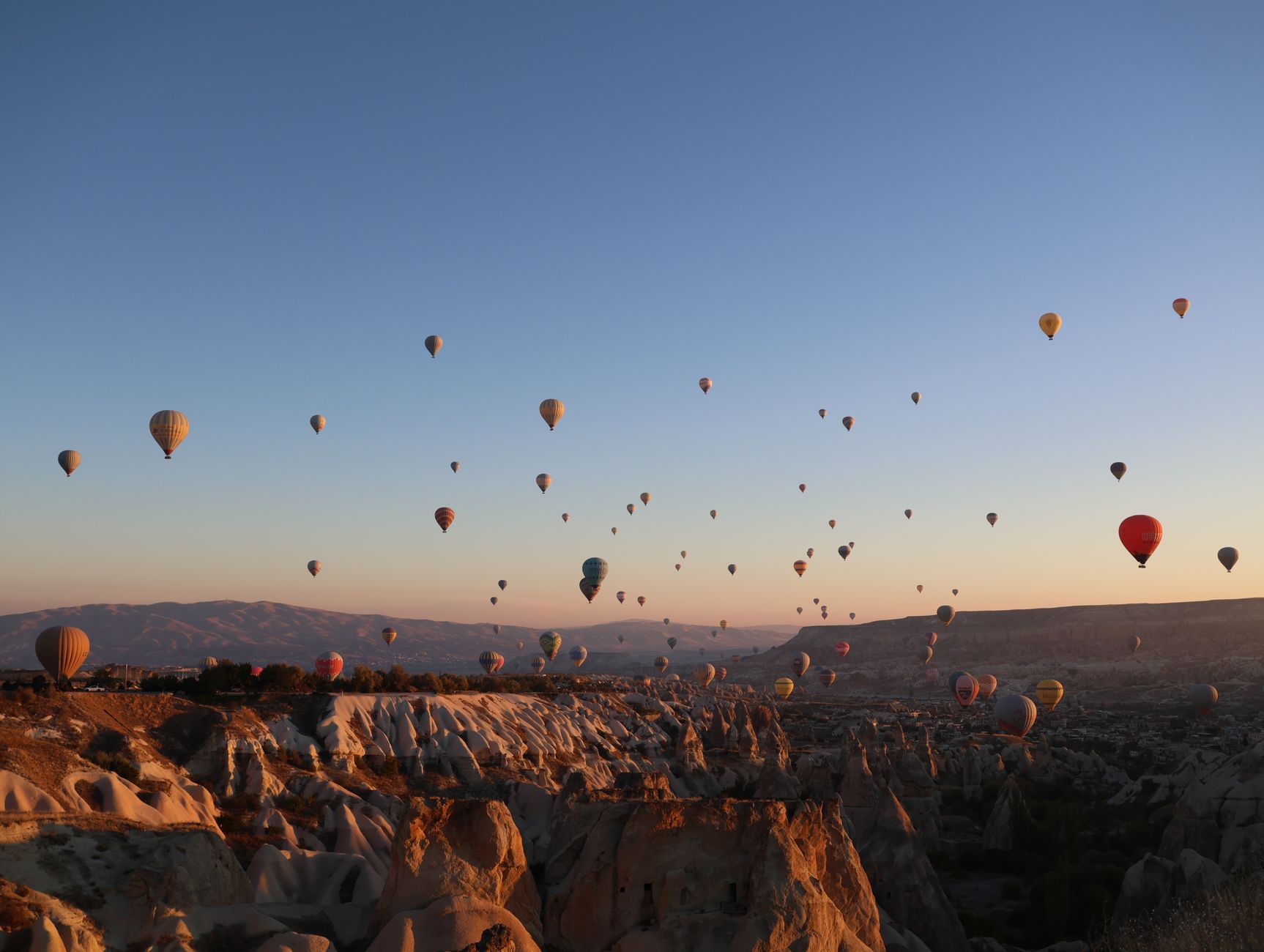
Kayseri is the most convenient airport hub for Cappadocia, with Erkilet Airport (ASR) receiving flights from major Turkish cities and some international destinations. Many travelers use Kayseri as a base to explore the surreal landscapes of Cappadocia, including the famous fairy chimneys, underground cities, and hot air balloon rides.
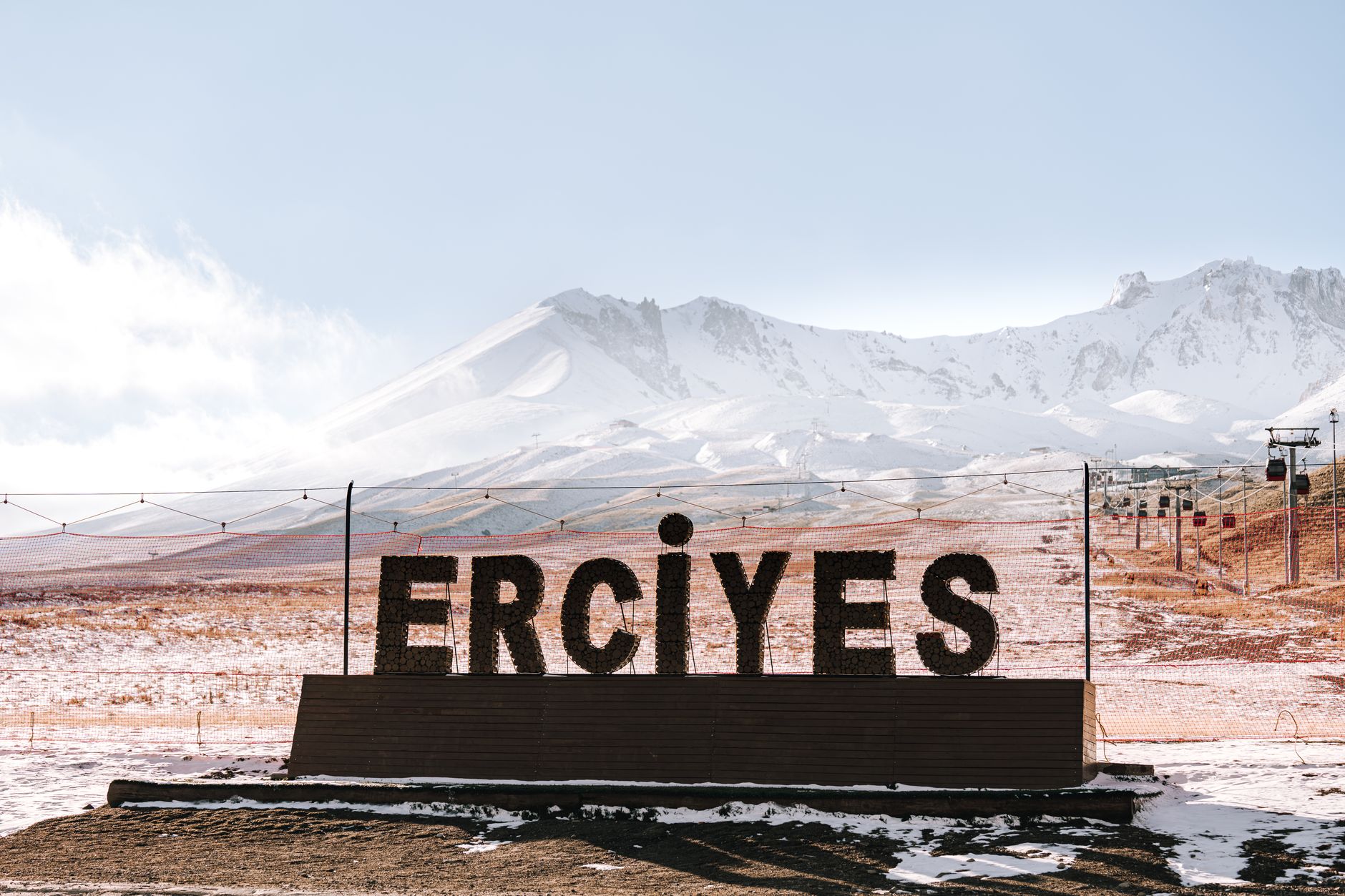
But Kayseri itself deserves at least a day or two of exploration. Its rich history, delicious food, and warm hospitality make it a rewarding stop. Plus, its location makes it an ideal starting point for adventures in the Aladağlar Mountains and on Mount Erciyes, a popular ski resort in winter.
Practical Tips for Visiting
To make the most of your visit, start with the Hunat and Bürüngüz districts, where you can see the finest Seljuk monuments. Then, dive into the bazaars and sample the local cuisine. Be sure to try pastırma and mantı at reputable establishments.
For a sweet treat, look for local pastry shops selling Kayseri mantısı and other desserts. If you're interested in skiing or hiking, plan your trip to Erciyes accordingly. The city is well-connected by bus and taxi, and most attractions are within walking distance of each other in the city center.
When to Visit and How Long to Stay
The best time to visit Kayseri is during the spring (April to June) and autumn (September to November) when the weather is mild and pleasant. Summers can be hot, and winters cold with snow, which is perfect for skiing at Erciyes.
Two to three days are sufficient to explore Kayseri's main attractions, enjoy its food, and perhaps take a day trip to Cappadocia or the surrounding natural areas. If you plan to ski or hike, add more time.
Top Highlights
Popular Activities
Thinking about a trip to Turkey?
Share your contact details and a vetted local expert will follow up with a plan built around you — free, no obligation.
