
Kilis
A warm welcome in Türkiye's south-east
Kilis is a small city in south-eastern Türkiye, just a short drive from Gaziantep and close to the Syrian border. It is not on the main tourist trail, and that is exactly why it feels so special. Here you will find a quiet, welcoming place where the pace is slow and the tea is always fresh.
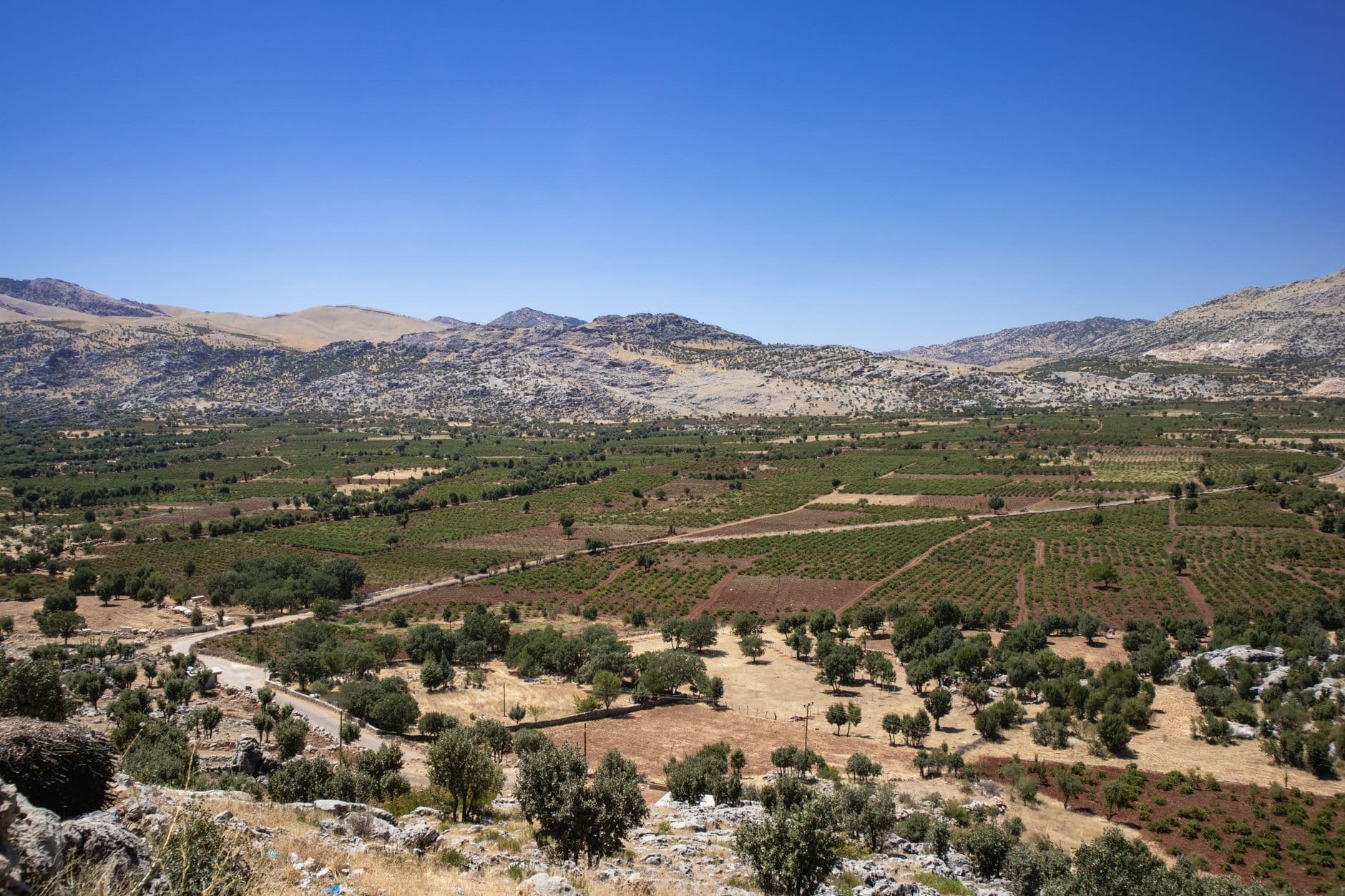
The city is surrounded by olive groves and pistachio orchards, which shape the local economy and the food. Kilis is also known for its generous hospitality. Visitors are often invited into homes and offered food and drink before they can even introduce themselves. This warmth is the heart of any trip here.
For curious travellers, Kilis offers a rewarding detour. It is a chance to see a different side of Türkiye, away from the busy coast and the big cities. Whether you come for the food, the history or simply to meet the people, you will leave with stories to tell.
Olive groves and pistachio orchards
The countryside around Kilis is dotted with olive trees, some of them very old. The olives are pressed for oil and also cured for eating. Many families own small groves and tend them by hand. If you visit during the harvest season (usually late autumn), you might see people collecting olives and spreading them out to dry.
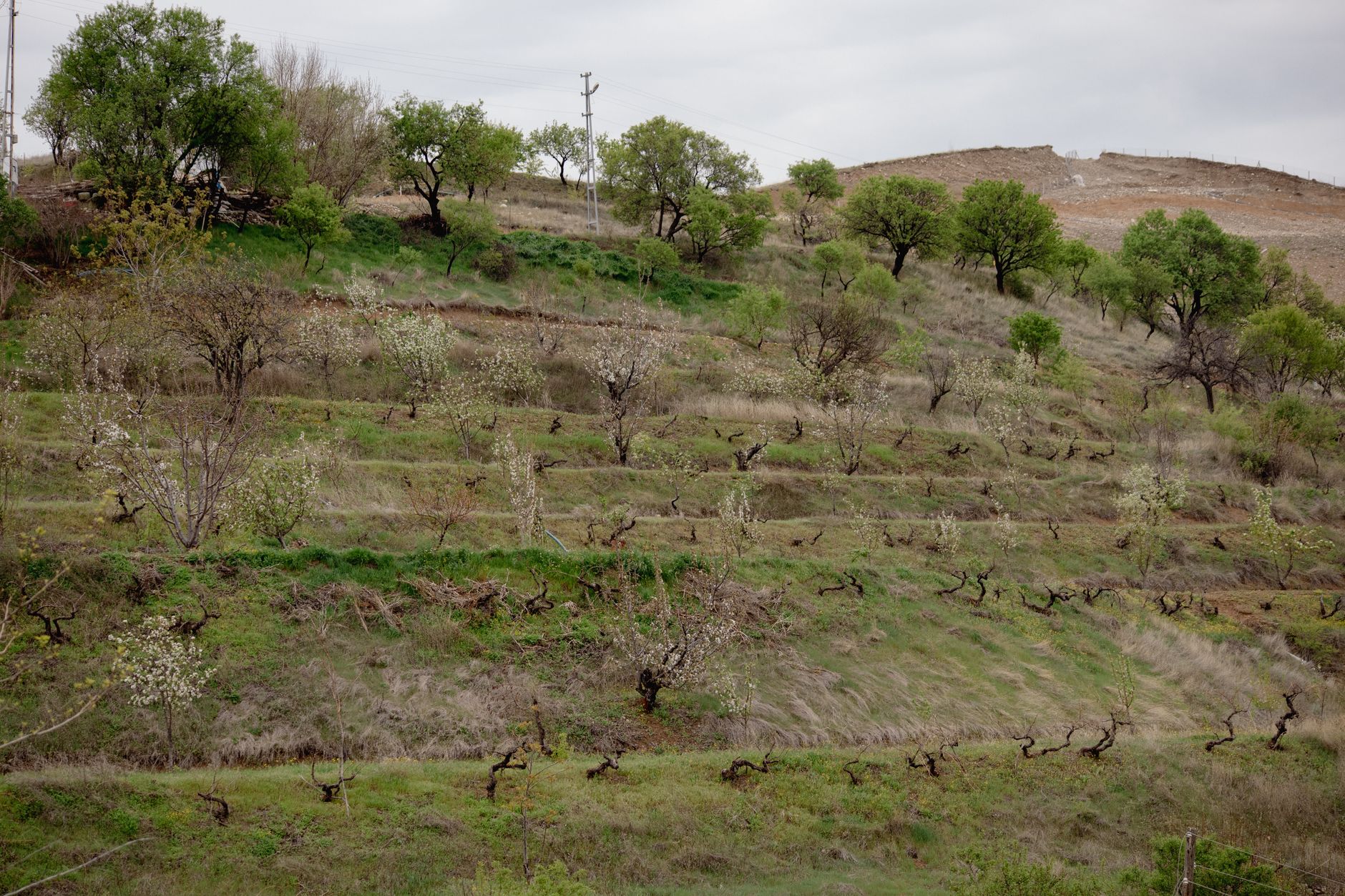
Pistachios are the other great crop here. Kilis pistachios are famous for their flavour and are a protected local product. In late summer, the orchards are full of nuts being gathered and sorted. You will find pistachios in sweets, in savoury dishes and simply roasted and salted as a snack.
Taking a walk or a short drive through the countryside is a peaceful way to spend a morning. The landscape is gentle and open, with views across to the Syrian hills. It is a good place to appreciate the agricultural traditions that have sustained this region for centuries.
Historic mosques and local culture
Kilis has several historic mosques that are worth a visit. The Ulu Mosque (Great Mosque) is one of the oldest, with a simple, elegant prayer hall and a peaceful courtyard. The Tekke Mosque and the Şeyh Bekir Mosque are also notable for their architecture and their role in community life.
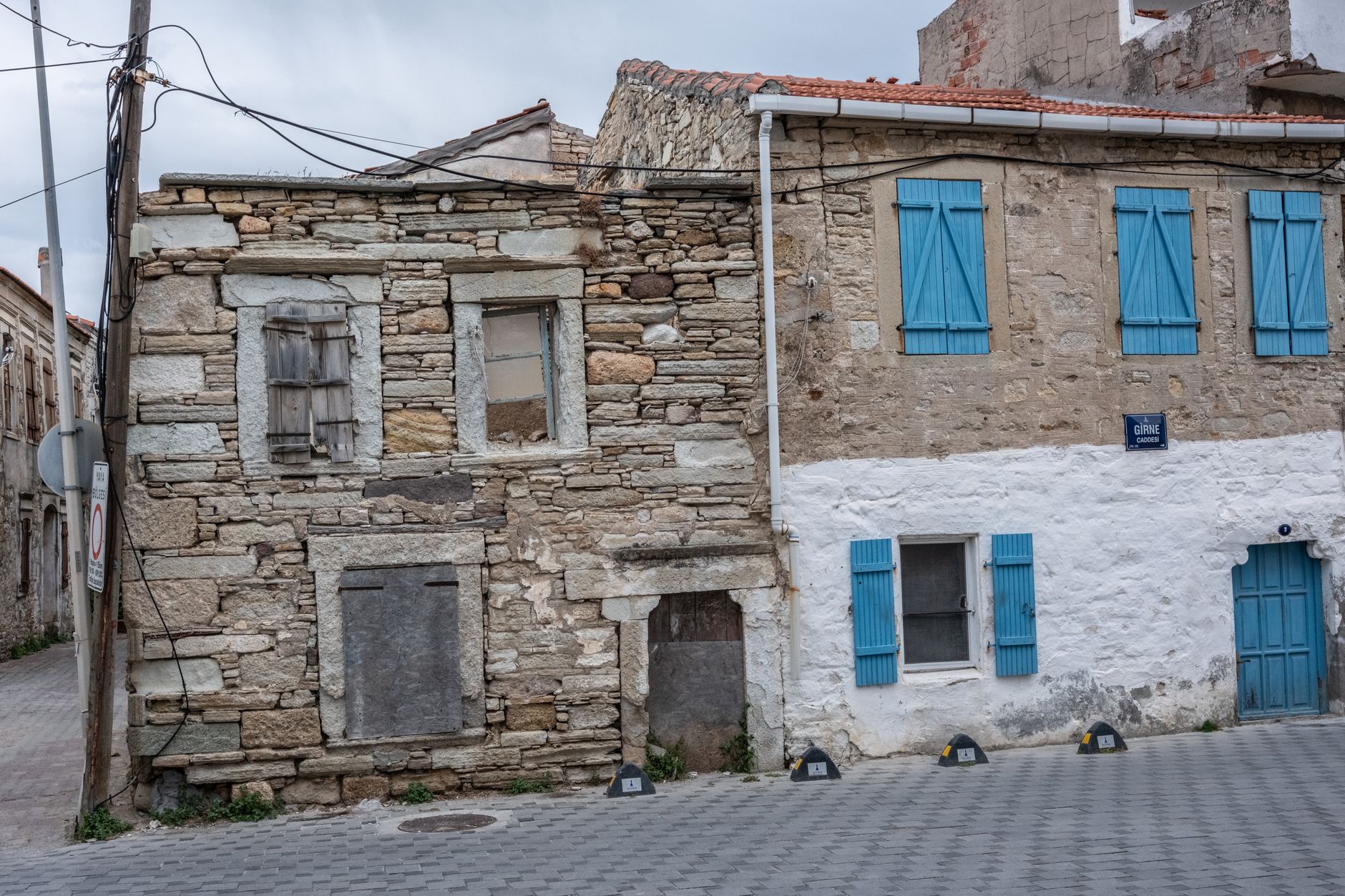
Beyond the mosques, the old streets of Kilis have a character of their own. Traditional stone houses with carved doorways and wooden shutters can still be seen. The local museum, housed in a former courthouse, gives an overview of the area's history, from ancient times to the present day.
Culture here is closely tied to food and hospitality. Sharing a meal is a central part of social life. If you are invited to eat with a local family, accept — it is an experience you will not forget. The table will be full of dishes made from local produce, and the conversation will be warm and lively.
Where to eat: flavours of Kilis
Kilis has a strong food culture. The local cuisine is similar to that of Gaziantep, but with its own twists. Be sure to try the Kilis kebab, made with minced meat and spices, and the various mezes made with fresh herbs and olive oil. The pistachios appear in desserts such as baklava and in a local nut brittle called cevizli sucuk (although the name suggests walnut, pistachio versions are common).
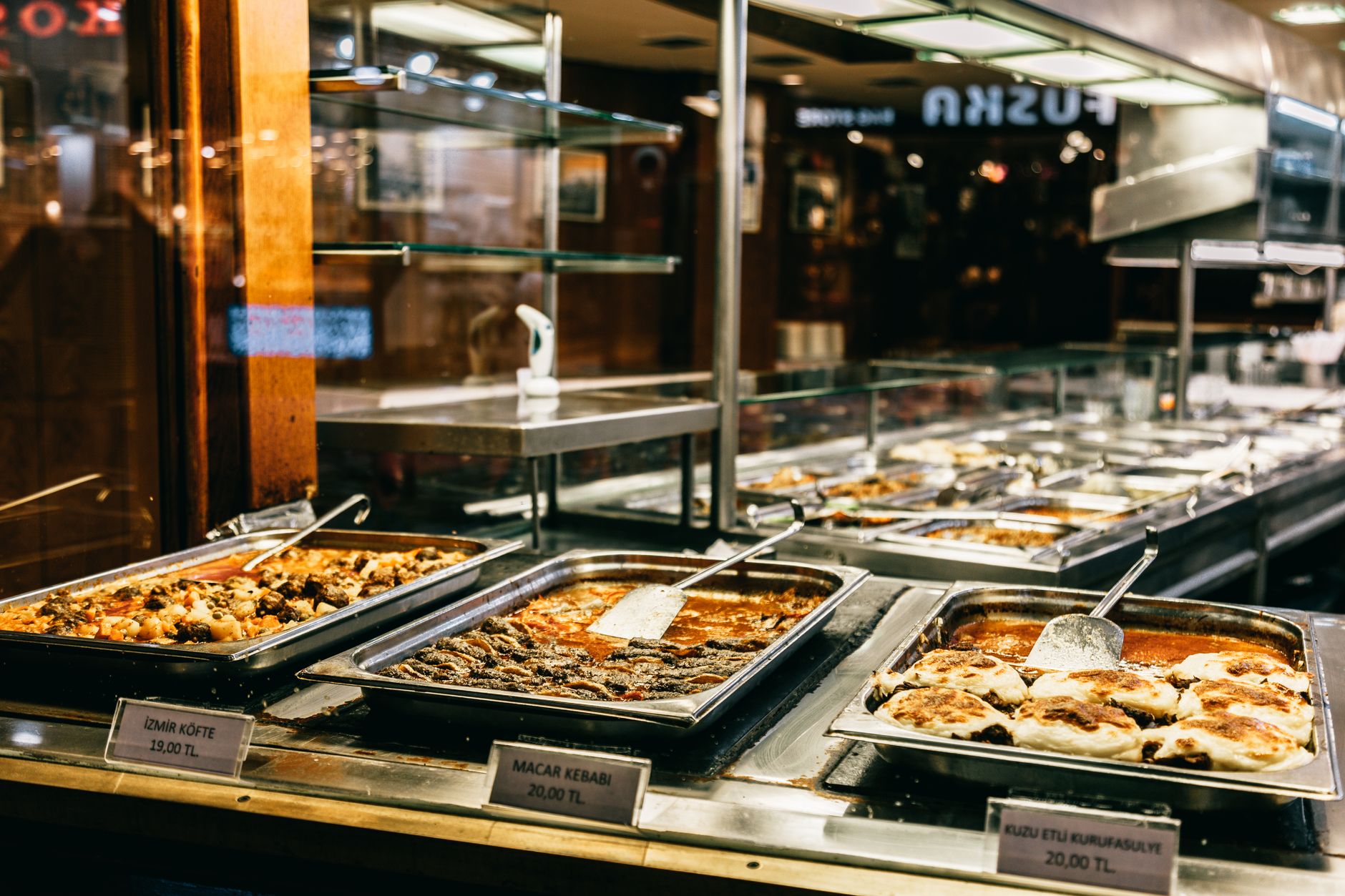
For breakfast, look for a simple kahvaltı spread: white cheese, olives, tomatoes, cucumbers, fresh bread and tea. Many small cafes serve this. For lunch or dinner, the streets around the bazaar have modest restaurants serving generous portions at low prices. The lokantas (canteen-style restaurants) are a good choice for trying home-style cooking.
Do not leave without tasting the local olive oil. It is often used in salads and drizzled over dishes at the table. You can buy a bottle from a local producer or at the market to take home.
How to get there and practical tips
The easiest way to reach Kilis is via Gaziantep, which has an airport with domestic and some international flights. From Gaziantep, it is about a 1.5-hour drive by car or bus to Kilis. Buses run regularly between the two cities. If you are driving, the road is well maintained and the route is straightforward.
Kilis is a small city, so you can explore the centre on foot. For the surrounding countryside, you will need a car or a local taxi. It is a good idea to arrange this in advance, as public transport to the villages is limited. The best time to visit is in spring (April to June) or autumn (September to November), when the weather is mild and the countryside is at its best.
When visiting mosques, dress modestly and remove your shoes. It is also polite to ask before taking photos of people. English is not widely spoken, so a few words of Turkish will be appreciated. Most importantly, come with an open mind and a willingness to connect with the locals — that is what makes a visit to Kilis so memorable.
Why a short detour rewards curious travellers
Kilis is not a place you stumble upon by accident. It is a deliberate detour, and that is part of its charm. The city offers a genuine glimpse of life in Türkiye's south-east, with its olive groves, pistachio orchards and historic mosques. But above all, it is the people who make it special.
In a world where travel can sometimes feel like ticking off landmarks, Kilis reminds you of the joy of slowing down and connecting with others. A cup of tea here can turn into an afternoon of conversation. A simple meal can become a feast. These are the moments that stay with you long after you leave.
If you have a few days in Gaziantep or are travelling between Gaziantep and the Syrian border, consider adding Kilis to your itinerary. It is a short detour that rewards you with warmth, flavour and a sense of discovery that is increasingly hard to find.
Top Highlights
Popular Activities
Thinking about a trip to Turkey?
Share your contact details and a vetted local expert will follow up with a plan built around you — free, no obligation.
