

Kırşehir
Welcome to Kırşehir: The Ahi Evran Legacy
Kırşehir is a quiet town in the heart of Central Anatolia, far from the well-trodden tourist trails. It is best known as the home of Ahi Evran, the 13th-century philosopher and leader of the Ahi brotherhood, a guild-like organization that shaped the social and economic fabric of the region. The Ahi order combined crafts, trade and moral values, creating a unique system of mutual support and hospitality that is still felt in the town's warm welcome today.
The town itself is a treasure trove of Seljuk and Ottoman heritage, with the Ahi Evran Mosque and complex standing as a testament to its storied past. Kırşehir's unhurried rhythm, wide streets and friendly locals offer a glimpse into a more authentic Türkiye, where traditions endure and visitors are greeted with genuine warmth.
Ahi Evran Complex: A Spiritual and Cultural Hub
The Ahi Evran Complex (Ahi Evran Külliyesi) is the centrepiece of Kırşehir's heritage. This religious and social complex includes a mosque, a tomb, a lodge and a library, all built around the 13th-century. The tomb of Ahi Evran himself is a place of pilgrimage and reflection, drawing visitors interested in the spiritual and ethical foundations of the Ahi order.
Walking through the complex, you can almost hear the echoes of the past—the discussions of craftsmen, the recitation of prayers and the laughter of travellers welcomed as guests. The site also hosts cultural events and ceremonies, especially during the annual Ahi Evran commemorations, offering a living connection to the brotherhood's values.
Traditional Handcrafts and Workshops
Kırşehir's economy has long been tied to crafts, and the Ahi legacy lives on in the town's workshops. Local artisans continue to practise traditional trades such as copper-smithing, shoe-making and weaving. Visiting these workshops is not just a shopping opportunity but a chance to meet the makers, learn about their techniques and support a heritage that has survived for centuries.
Several cooperatives and small ateliers open their doors to curious visitors. You can watch a coppersmith shape a gleaming tray, or see a cobbler stitching leather with tools passed down through generations. These authentic experiences offer a deeper understanding of Anatolian craft culture and the Ahi philosophy of honest work.

Music and Cultural Traditions
Kırşehir is renowned for its contribution to Turkish folk music. It is the birthplace of several famous ashiks (folk poets) and musicians, and the local music scene is vibrant yet unassuming. The town's cultural centres and tea houses often host impromptu performances of bozlak (a traditional vocal style) and other Anatolian melodies.
If you're lucky, you might stumble upon a wedding or a festival where the whole community comes together to dance the halay. The music and dance are not staged for tourists; they are a genuine expression of local identity. Participating, or simply listening, is a joyful way to connect with the region's soul.
Lake Seyfe: A Birdwatcher's Paradise
Just a short drive from Kırşehir lies Lake Seyfe, a shallow salt lake that is a designated Important Bird Area. The lake and its surrounding wetlands are a haven for birdwatchers, especially during migration seasons. Flamingos, ruddy shelducks, and various waders can be spotted in large numbers.
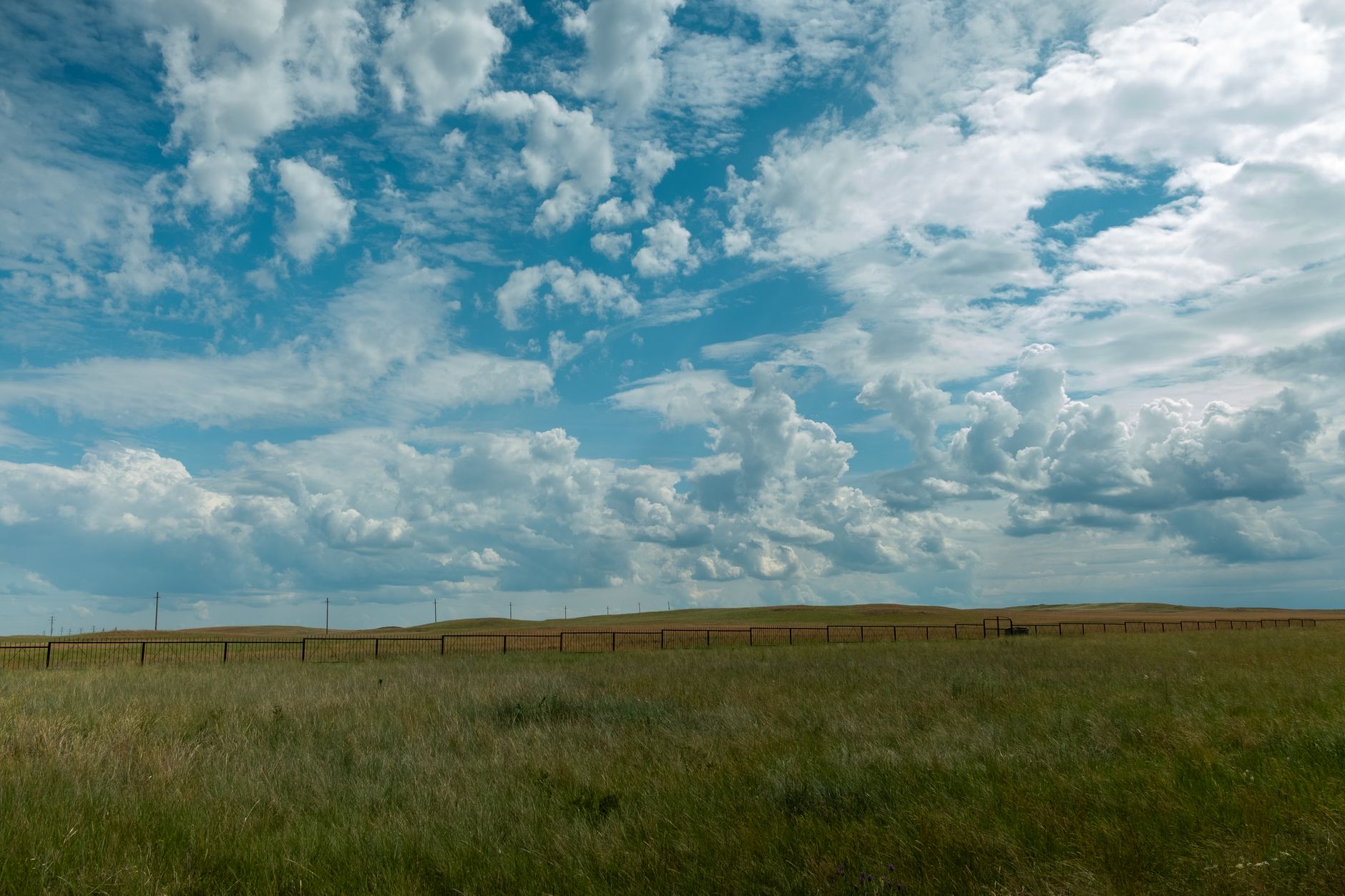
The landscape around Lake Seyfe is starkly beautiful, with barren steppe stretching to the horizon. It's a peaceful spot for a nature walk, photography, or simply enjoying the solitude. Bring binoculars and a picnic, and soak in the quiet majesty of this lesser-known natural gem.
Steppe Landscapes and Rural Life
Kırşehir sits on the vast Central Anatolian steppe, a landscape of rolling plains, wheat fields and distant hills. The scenery may appear austere, but it has a subtle beauty that changes with the seasons—spring wildflowers, golden summer harvests, and stark winter snows. Exploring the countryside reveals traditional villages where life still revolves around agriculture and animal husbandry.
Hiking or cycling on the backroads is a wonderful way to appreciate the steppe's tranquility and to interact with locals who are invariably curious and welcoming. The region is also known for its thermal springs, such as those at Terme, offering a relaxing break after a day of exploration.
Practical Information and Getting There
Kırşehir is well-connected by road and air. The nearest airports are Kayseri Erkilet Airport (ASR) and Ankara Esenboğa Airport (ESB). From Ankara, buses run frequently and take about 3 hours; from Kayseri, it's about 2 hours by bus or car. The town itself is compact and walkable, with local minibuses (dolmuş) connecting to nearby villages and Lake Seyfe.
Accommodation options include small hotels and guesthouses, often family-run, where you can experience genuine Anatolian hospitality. The best time to visit is spring (April–June) or autumn (September–October) when the weather is mild and the landscapes are at their most colourful. A stay of 2–3 days allows you to explore the town, meet artisans, and visit Lake Seyfe without rushing.
Top Highlights
Popular Activities
Thinking about a trip to Turkey?
Share your contact details and a vetted local expert will follow up with a plan built around you — free, no obligation.
