

Kızılırmak Deltas and Inner Deltas: Where the Anatolian Steppe Meets Water
A Delta Unlike Any Other in Türkiye
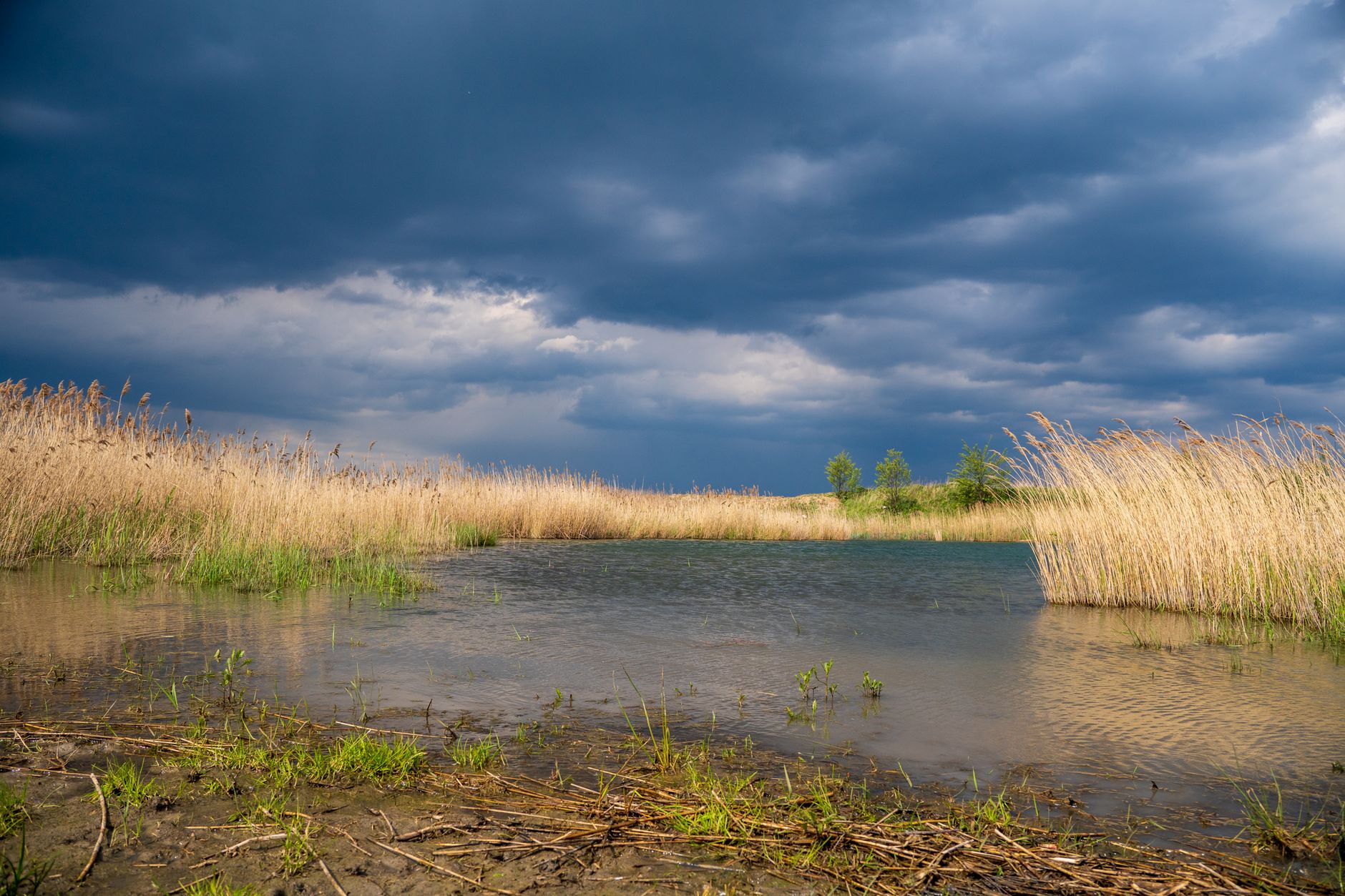
Where the Kızılırmak — the longest river flowing entirely within Türkiye — finally spills toward the Black Sea, it fans out into a mosaic of shallow lagoons, reed beds, sandbars and wet meadows. This is the Kızılırmak Delta, one of the most important wetland complexes in the country and a globally recognised stopover on the bird migration map.
What makes it special is not just the diversity of habitats, but the sense of space. You can stand at the edge of a lagoon at dawn with almost nobody else around, listening to the reed warblers and watching a marsh harrier sweep low over the water. For nature lovers seeking solitude, that is the real luxury.
The delta is also a working landscape: traditional fishing boats, water buffalo grazing on wet pastures and small farming villages share the marsh with the birds. This quiet coexistence gives the region its gentle, unpolished charm.
Türkiye's Interior Deltas and Steppe Wetlands
The Kızılırmak story does not end at the coast. Far inland, where the Anatolian steppe meets river floodplains and shallow seasonal lakes, Türkiye hides a network of inner deltas — wetland systems created where rivers slow down, spread out and deposit their sediment in basins ringed by dry hills.
These interior wetlands behave like inland seas for wildlife. In spring they fill with meltwater and rain, then gradually shrink through the summer, concentrating birds and animals around remaining pools and reed islands. The result is a constantly changing landscape — mudflats one month, green marsh the next.
Because they sit off the standard tourist routes, these steppe wetlands are wonderfully under-visited. A morning here often means more birds than people, and the slow rhythm of rural life — tea gardens, tractors on dirt roads, sheep moving to pasture — frames every view.
Birdlife: What You Can Realistically See
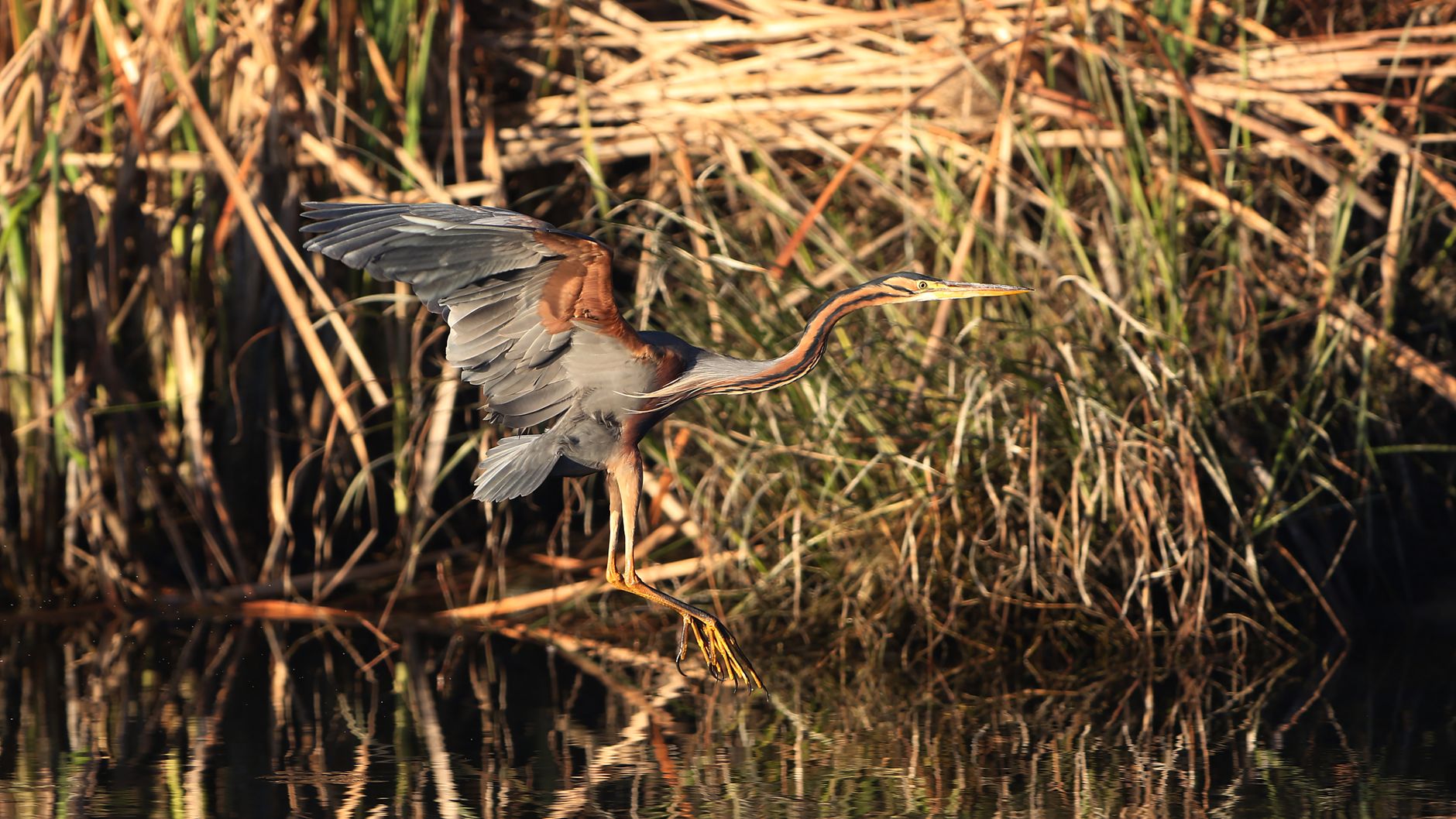
The Kızılırmak Delta and its interior cousins are famous for their breeding and migratory waterbirds. Depending on the season, patient observers can enjoy Dalmatian pelicans, great white egrets, purple herons, spoonbills, glossy ibises and a wide range of ducks, grebes and terns.
Raptors add drama to the skyline: marsh harriers and buzzards patrol the reed edges, while kestrels hover over the drier steppe margins. In migration season, the numbers swell enormously as songbirds, waders and raptors funnel through on their long journeys between Europe and Africa.
You do not need to be an expert lister to enjoy this. Even a beginner with modest binoculars will find something remarkable within an hour — a heron stalking in golden light, a flock of pelicans rising in unison, or a kingfisher flashing along a channel.
Practical Advice: Binoculars, Seasons and Timing
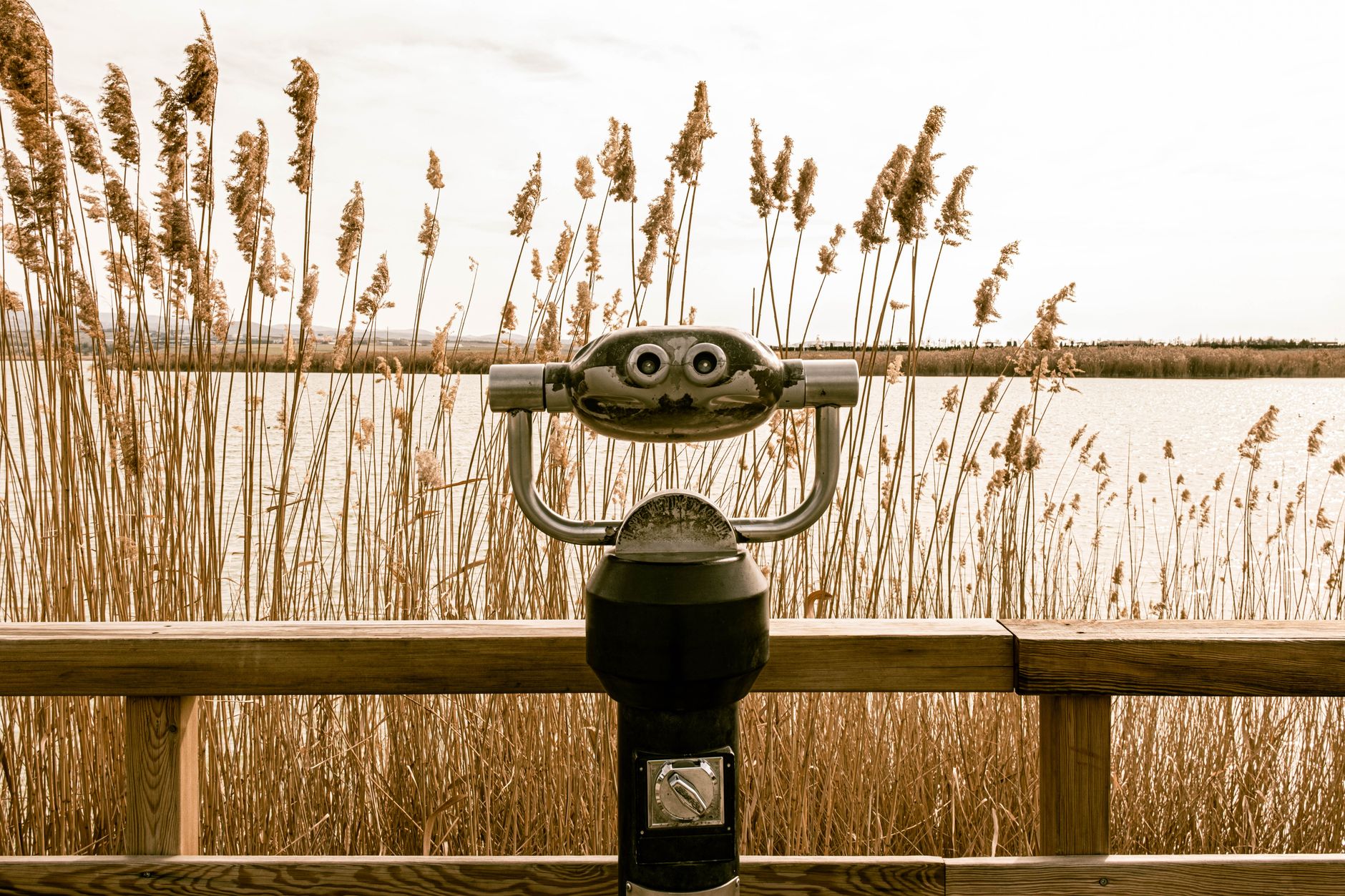
Binoculars: Bring 8x42 or 10x42 binoculars — bright, manageable and ideal for wetland distances. A compact spotting scope (20-60x) is a bonus for lagoons, but binoculars alone are plenty. Keep a lens cloth handy; humidity and dust are constant companions.
Best seasons: Spring (March–May) brings migration and nesting activity, while autumn (September–November) offers spectacular passage movements. Early summer is green and lively; midsummer can be hot, with birds concentrated around remaining water. Winter is quieter but atmospheric, with overwintering wildfowl on the lagoons.
- Go at sunrise — the first two hours are unmatched for light and activity.
- Wear muted earth tones and move slowly along embankments.
- Bring a hat, water and sun protection; steppe wetlands offer little shade.
- Use mosquito repellent in warmer months, especially near dense reeds.
Hidden Viewpoints and Quiet Rural Stays
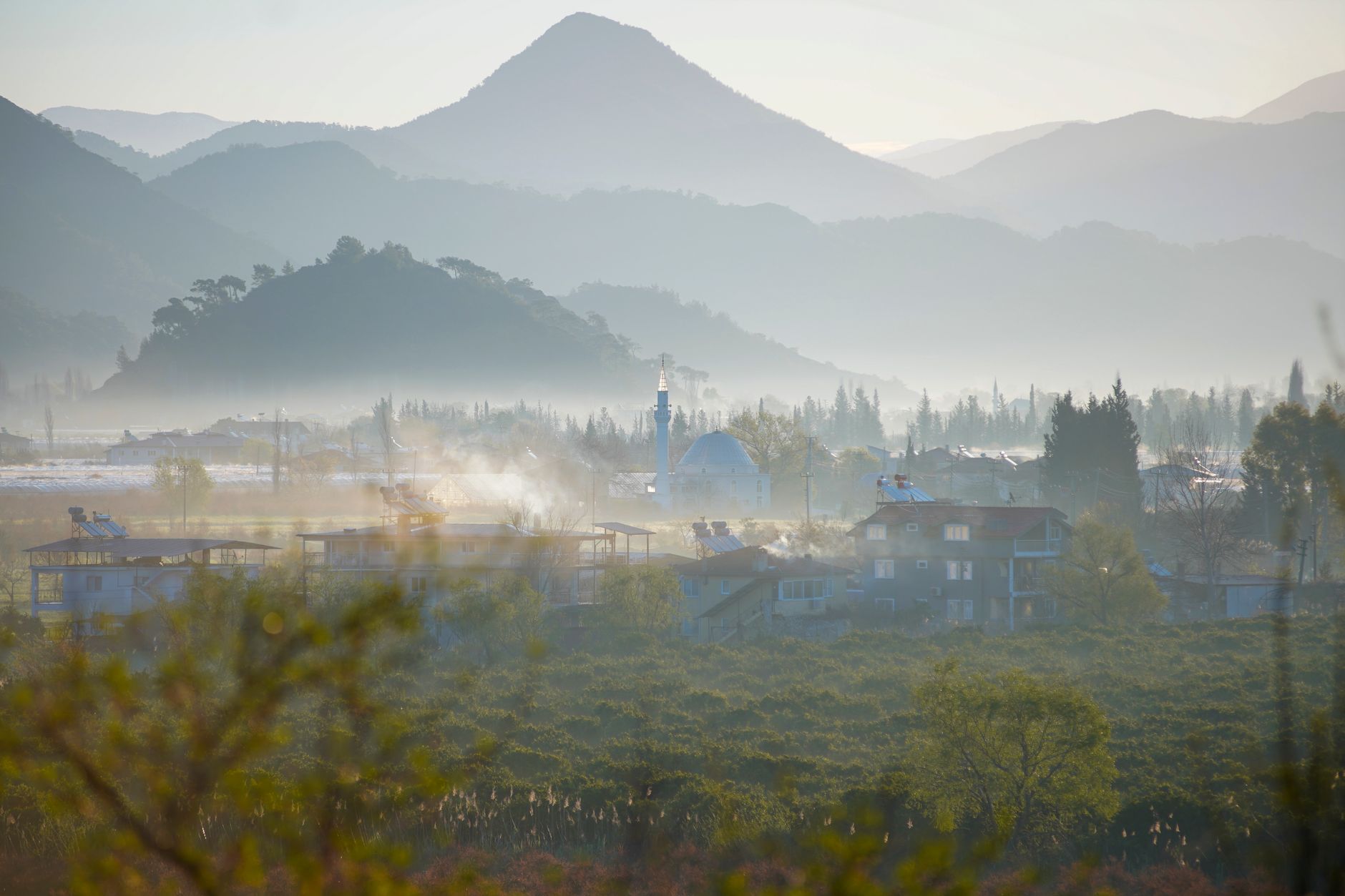
The best viewpoints are rarely signposted. Look for low embankments, fishing tracks and elevated dirt roads that skirt the lagoons — these give you a raised angle over the reeds without disturbing the birds. Small village teahouses often sit near the water and make excellent, low-key observation points.
For a truly peaceful stay, choose a family-run guesthouse or village pansiyon near the wetland edge. Mornings begin with birdsong, breakfast is local and unhurried, and evenings are made for watching the light fade over the marsh. This is slow travel at its most rewarding.
Remember to respect nesting areas: keep to paths, keep distance, and use your binoculars instead of your feet. The birds repay good behaviour with better views.
Why These Deltas Matter — and Why You Should Visit
Türkiye's deltas and interior wetlands are ecological treasures. They filter water, store carbon, buffer floods and support an astonishing web of life. Visiting them is a chance to see conservation working on a landscape scale — and to appreciate a side of Türkiye that few travellers ever discover.
Come for the birds, stay for the silence. The Kızılırmak Delta and the steppe wetlands of the interior offer a rare combination: world-class wildlife, warm rural hospitality and the freedom to simply be in nature. Pack your binoculars, choose your season and let the marshes surprise you.
Top Highlights
Popular Activities
Thinking about a trip to Turkey?
Share your contact details and a vetted local expert will follow up with a plan built around you — free, no obligation.
