

Kozan and the Upper Seyhan Valley: Castles, Orchard Towns and Taurus Foothills
Why Visit Kozan and the Upper Seyhan Valley
Most travellers rush through Adana province on their way to the coast or Cappadocia, missing one of southern Turkey's most quietly rewarding corners. Kozan, a friendly town set among orchards in the Taurus foothills, and the wider Upper Seyhan Valley offer a slower, more authentic slice of Çukurova life. Here, the landscape shifts from flat citrus plains to pine-covered slopes in a matter of minutes.
The region's centrepiece is the dramatic Kozan Castle, a hilltop fortress with Armenian origins that crowns a rocky outcrop above the town. From its walls you can see the patchwork of orange groves, red-tiled roofs and the winding Seyhan River below. It is the kind of view that makes you want to linger.
Beyond the castle, Kozan is a town of historic mansions, shaded tea gardens and bustling produce markets where farmers sell olives, citrus and local cheeses. The pace is unhurried, the welcome is warm, and prices remain refreshingly local.
The Hilltop Castle and Its Layers of History
Kozan Castle (also known as Sis Castle) was a key stronghold in the medieval Armenian Kingdom of Cilicia, and its ruins still convey a sense of strategic importance. Walk the surviving ramparts and you can trace the outlines of cisterns, chapels and garrison quarters carved into the rock.
The climb to the top is steep but short, rewarding you with panoramic views over the Upper Seyhan Valley. On clear days, the snow-capped peaks of the Taurus Mountains provide a stunning backdrop. History buffs will appreciate the layers of Byzantine, Armenian and Ottoman influence visible in the stonework.
Local guides often share legends of the castle's role in trade and defence along ancient routes that connected the Mediterranean coast to inner Anatolia. Pair your visit with a stop at the small archaeological display in town to see artifacts unearthed from the site.
Historic Mansions and Orchard Towns
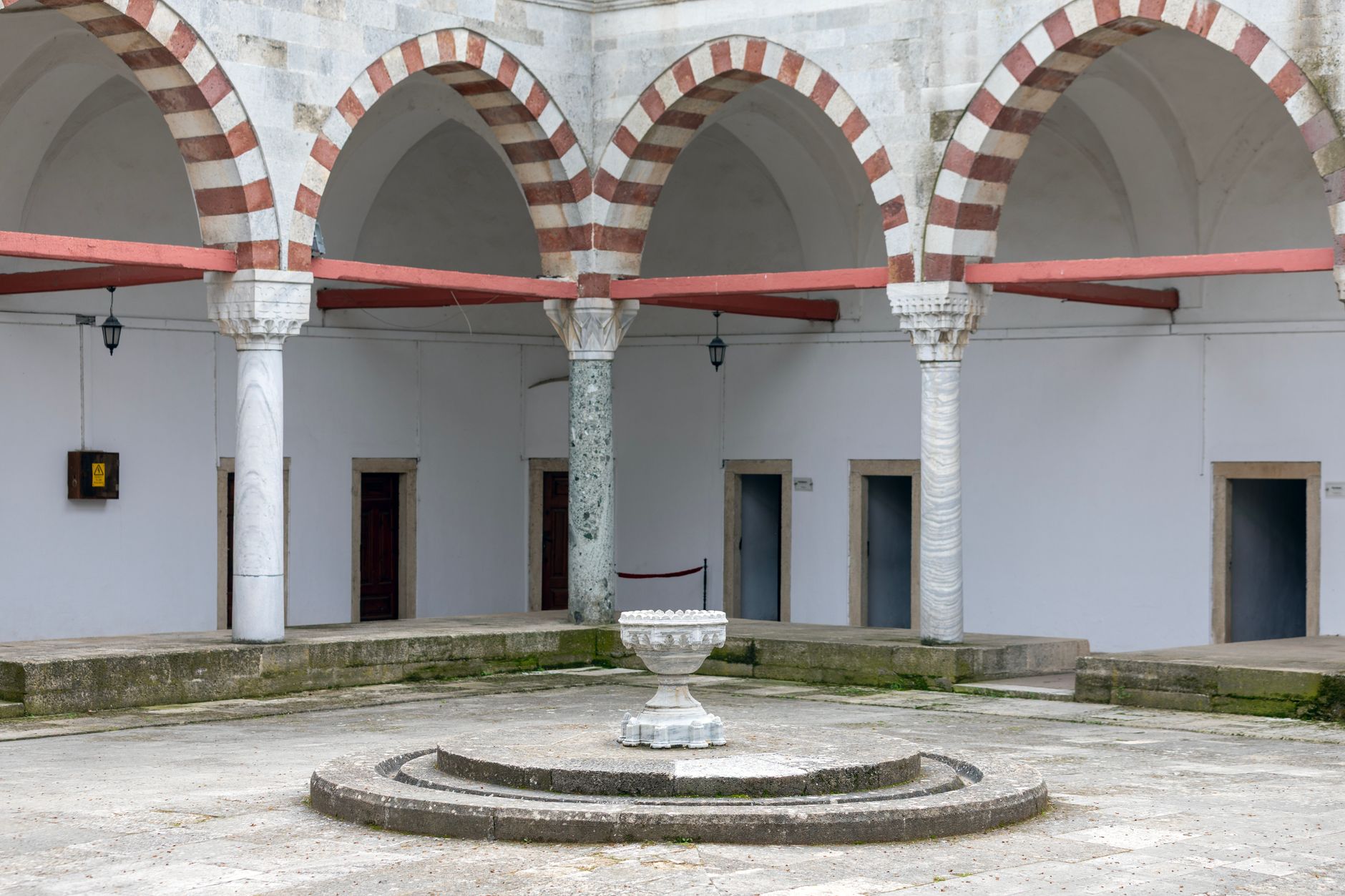
Kozan's old neighbourhoods are dotted with traditional stone and timber mansions, many dating back to the 19th century. Some have been beautifully restored as guesthouses or cultural centres, offering a glimpse into the lives of prosperous merchant families.
Stroll through the backstreets and you will find courtyards fragrant with jasmine, wooden shutters and carved stone doorways. The nearby villages of the Upper Seyhan Valley, such as Feke and Saimbeyli, are equally charming, surrounded by apple, cherry and walnut orchards.
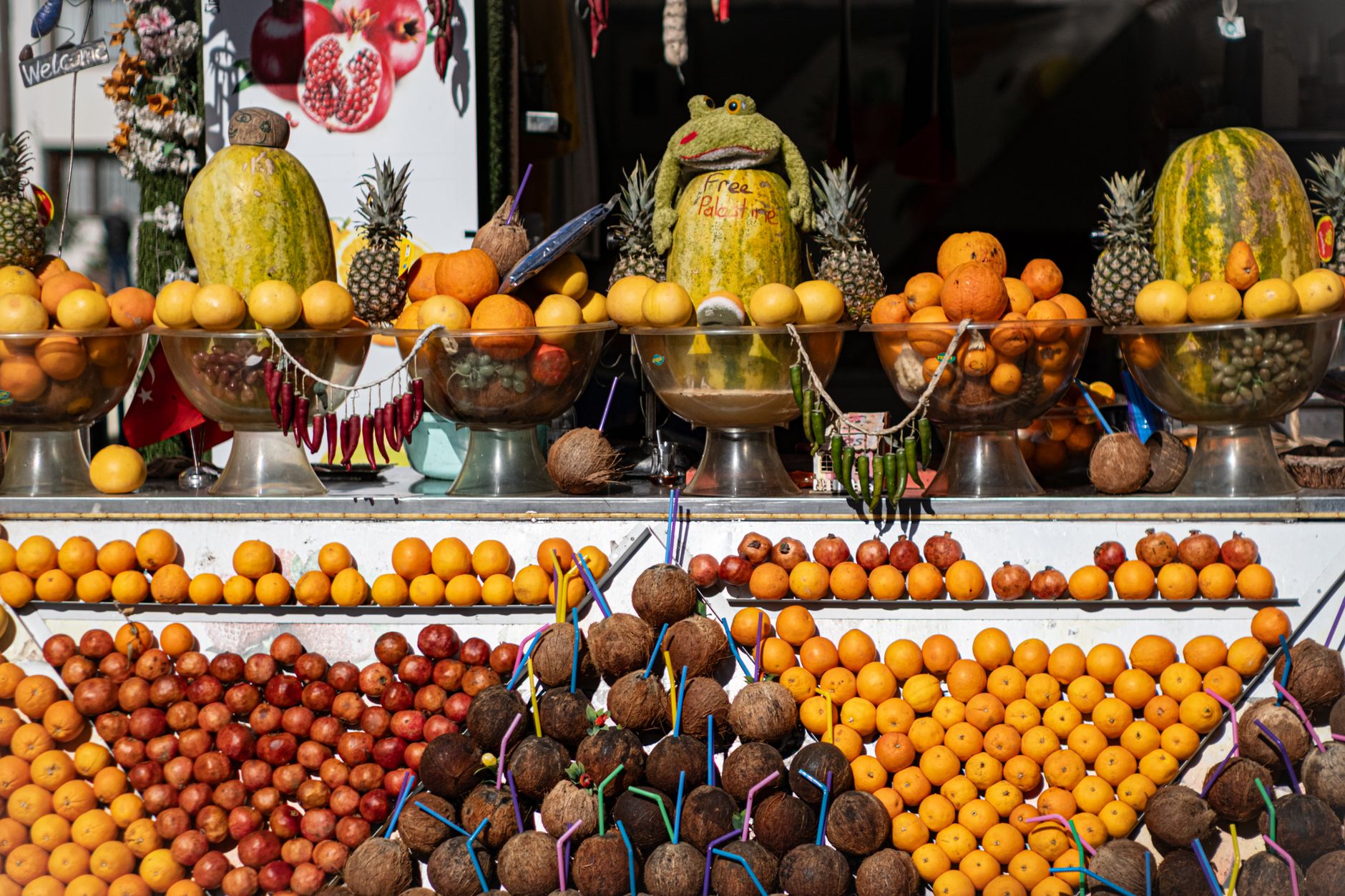
In spring, the valley explodes with wildflowers and blossoming fruit trees, while autumn brings golden light and the citrus harvest. Both seasons are perfect for exploring the countryside on foot or by car, stopping at roadside stalls for fresh juice and homemade preserves.

Citrus Valleys and Outdoor Adventures
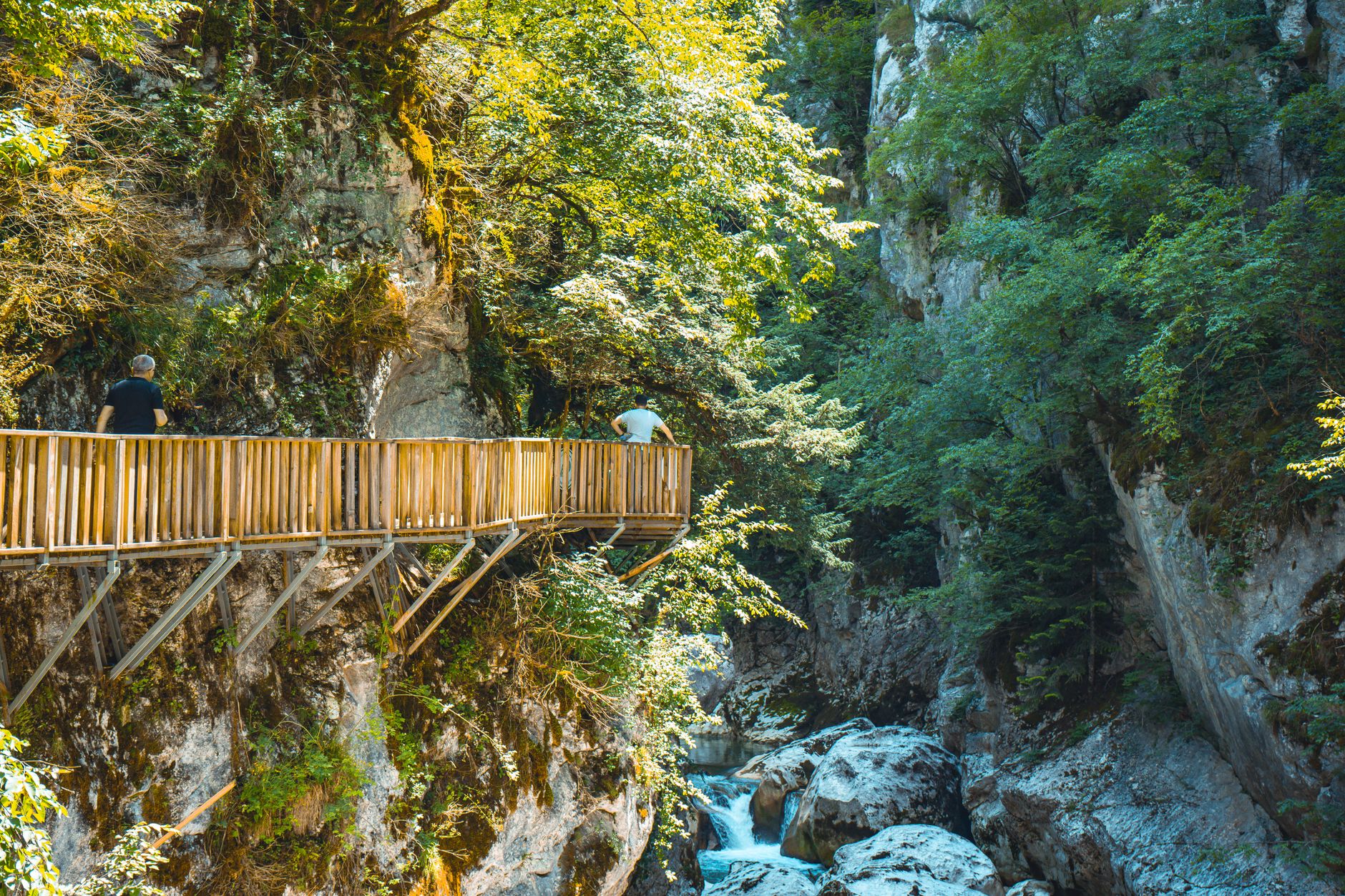
The Upper Seyhan Valley is a paradise for hikers and nature lovers. Marked trails wind through pine forests, past waterfalls and along old caravan routes. The Seyhan River itself offers scenic picnic spots and gentle walks, while more challenging routes climb to high pastures with sweeping views.
Spring and autumn are the best times for outdoor activities, with mild temperatures and vibrant colours. In spring, you can join locals for nature walks and wildflower spotting; in autumn, the focus shifts to harvest festivals and mushroom foraging.
Cycling is another great way to explore the valley's back roads, passing through sleepy villages and orange groves. Many guesthouses can arrange guided tours, bike rentals or even horseback riding for a different perspective on the landscape.
Cafe Culture and Kozan-Style Cuisine
Kozan's cafe culture is central to its charm. Locals gather in shaded courtyards and tea gardens to sip Turkish tea or strong coffee, play backgammon and discuss the day's news. Visitors are welcomed warmly, often invited to join a table for a chat.
The regional cuisine is hearty and flavourful, drawing on the valley's fresh produce. Kozan-style kebabs are a must-try: skewers of marinated lamb or chicken grilled over charcoal and served with flatbread, sumac onions and grilled peppers. Another local specialty is içli köfte, bulgur shells stuffed with spiced meat and nuts.
Don't miss the chance to sample homemade yogurt, cheeses and olive oil from nearby farms, or the sweet künefe and seasonal fruit desserts. Market days, usually held weekly, are a feast for the senses with stalls overflowing with citrus, olives, herbs and handicrafts.
Practical Information: When to Go and How to Get There
Spring (April to June) and autumn (September to November) are the ideal seasons to visit. Temperatures are pleasant for hiking and exploring, and the markets are at their liveliest. Summers can be hot, while winters are cool and occasionally snowy on higher ground.
Kozan is easily accessible by road from Adana, about a 1.5 to 2-hour drive north on well-maintained highways. Buses and dolmuş services run regularly from Adana's central bus station. If you're driving, the route itself is scenic, winding through citrus groves and foothills.
A recommended stay of 2 to 3 days allows you to explore the castle, wander the old town, hike in the valley and enjoy the local food and cafe scene without rushing. Accommodation ranges from charming boutique guesthouses in restored mansions to simple hotels in the town centre.
Top Highlights
Popular Activities
Thinking about a trip to Turkey?
Share your contact details and a vetted local expert will follow up with a plan built around you — free, no obligation.
