

Kütahya's Phrygian Trails: Ceramic Towns and Ancient Valleys
Kütahya: The Heart of Turkish Ceramic Art
Kütahya has been a center of ceramic production since the 14th century, earning its place as one of Turkey's most important craft cities. The city's tile workshops produce vibrant, hand-painted ceramics that adorn mosques, palaces, and homes across the country. Walking through the old bazaar, you'll hear the rhythmic tap of artisans shaping clay and see rows of brilliantly colored plates, vases, and tiles drying in the sun.
The Kütahya Ceramic Museum, housed in a historic medrese, traces the evolution of this art form from Ottoman times to the present day. Here, you can admire rare pieces and learn about the techniques that have been passed down through generations. Many workshops welcome visitors to try their hand at painting a tile, making for a memorable and creative experience.
For those seeking authentic souvenirs, the workshops around the Ulu Cami and the bazaar area offer a stunning array of ceramics, from traditional İznik-style patterns to modern interpretations. Supporting these local artisans helps keep this ancient craft alive.
Aizanoi: The Second Ephesus?
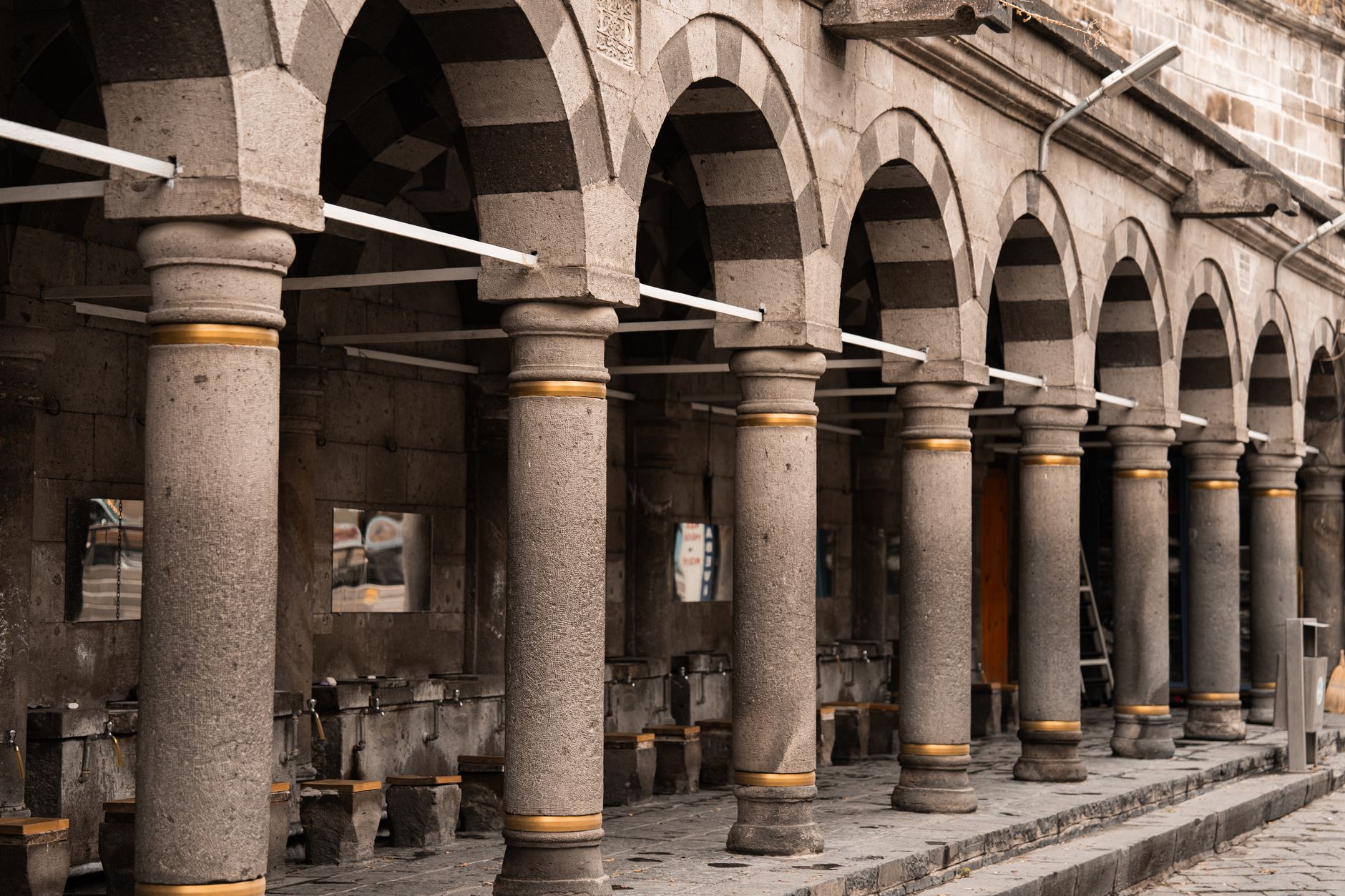
Just an hour's drive from Kütahya lies the ancient city of Aizanoi, home to one of the best-preserved Zeus temples in the ancient world. Often called the "Second Ephesus," Aizanoi boasts a magnificent Temple of Zeus that dates back to the 2nd century AD. Its massive columns and intricate carvings leave visitors in awe.
The site also features a unique combined theater-stadium complex, believed to be the only one of its kind in the ancient world. Imagine the roar of the crowds as gladiators fought and theatrical performances took place in this dual-purpose arena.
Aizanoi's macellum (market building) bears a copy of Diocletian's Price Edict, offering a fascinating glimpse into ancient economic life. As you wander among the ruins, you'll feel the echoes of a once-thriving Roman city.
Phrygian Heritage and the Murat Dağı Highlands
The region surrounding Kütahya is steeped in Phrygian history. The Phrygians, an ancient Indo-European people, left their mark on the landscape with rock-cut monuments, altars, and settlements. Exploring these sites offers a window into a civilization that flourished between the 8th and 6th centuries BC.
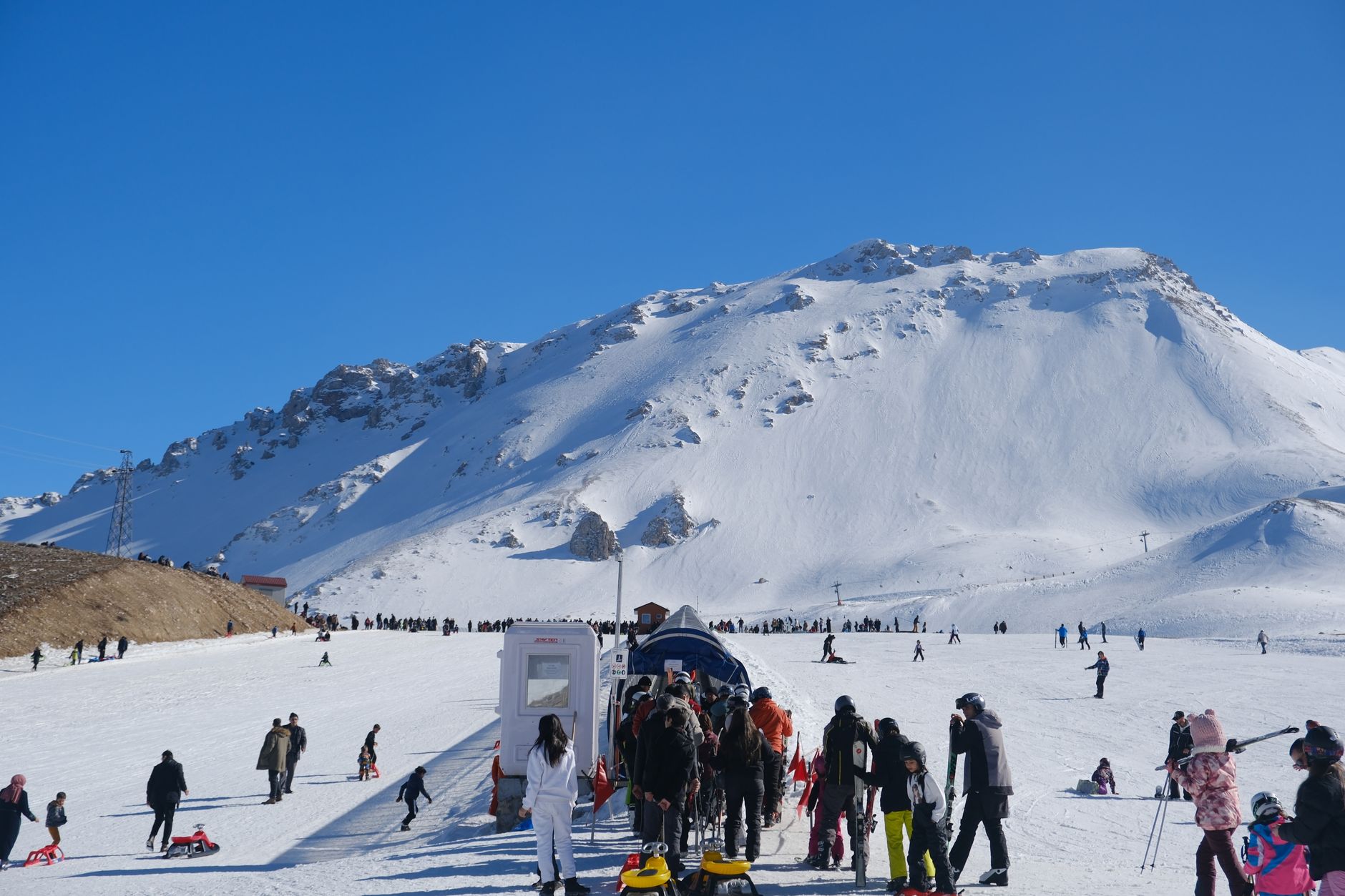
The Murat Dağı highlands provide a stunning natural backdrop to this historical treasure trove. These mountains are perfect for hiking, with trails leading to hidden waterfalls, ancient ruins, and panoramic viewpoints. In spring, the slopes are carpeted with wildflowers, while autumn brings a riot of color to the forests.
Outdoor enthusiasts can also enjoy camping, birdwatching, and picnicking in the crisp mountain air. The area is dotted with traditional villages where you can experience rural Turkish hospitality and sample local produce.
Exploring Kütahya's Historic Core
Beyond ceramics and ancient ruins, Kütahya itself is a charming city with a rich architectural heritage. The Kütahya Castle, perched on a hill overlooking the city, offers panoramic views and a chance to walk through history. Within its walls, you'll find the remains of a Byzantine church and Ottoman structures.
The Ulu Cami (Grand Mosque) is a masterpiece of early Ottoman architecture, with its intricate tile work and serene courtyard. Nearby, the Germiyan Sokağı is a restored street lined with traditional Ottoman houses, now housing cafes, galleries, and boutique shops.
Don't miss the Kossuth House, dedicated to the Hungarian revolutionary Lajos Kossuth, who lived in exile here. It's a testament to the city's role as a refuge for political figures throughout history.
Tasting Kütahya: Local Delicacies
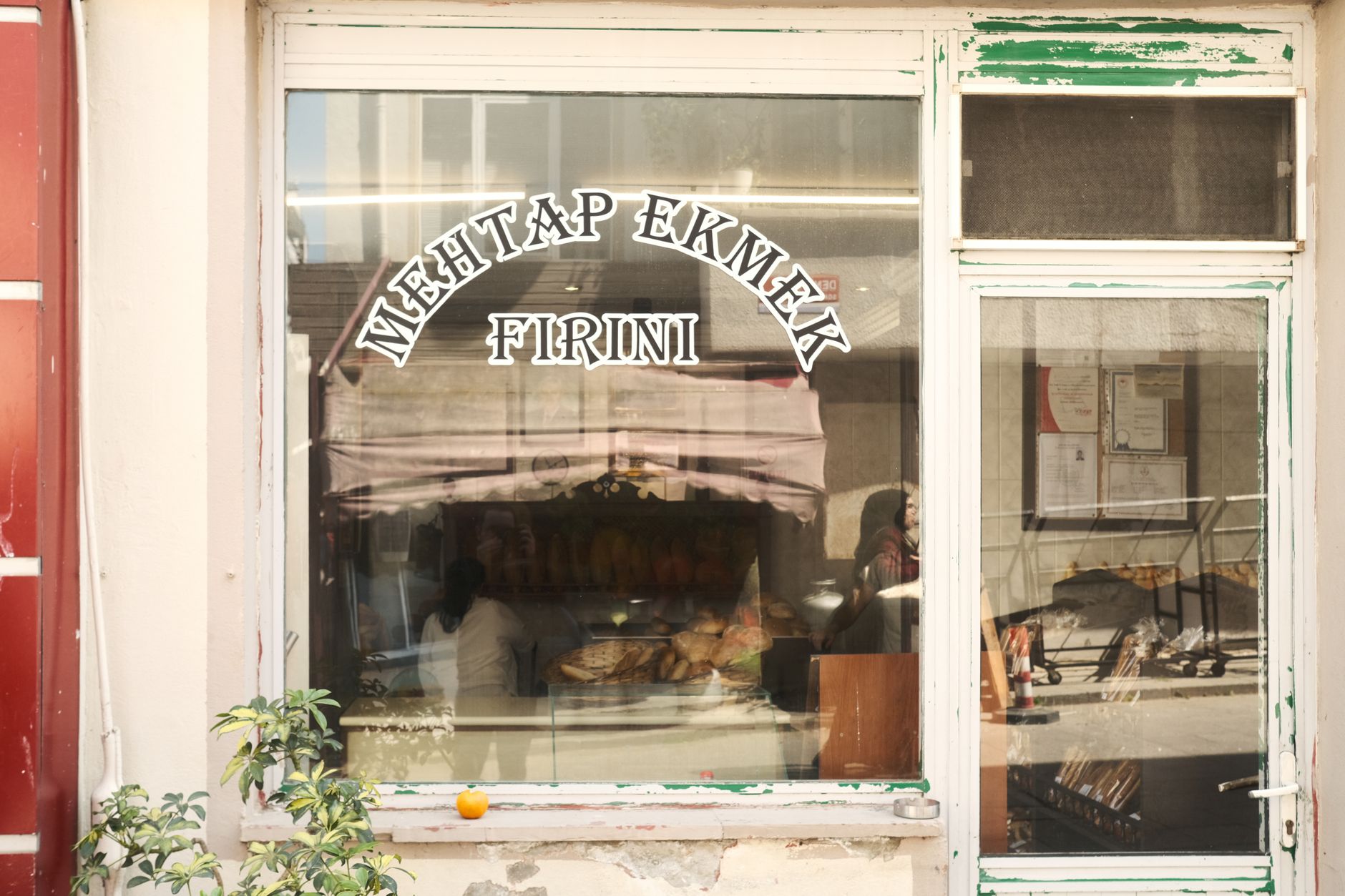
Kütahya's cuisine is a delightful blend of Aegean and Central Anatolian flavors. A must-try is the etli ekmek, a flatbread topped with minced meat and baked in a stone oven. Another local favorite is the Kütahya tavuk göğsü, a creamy chicken breast pudding that might sound unusual but is utterly delicious.
The city is also known for its badem şekeri (almond candy), a sweet treat that makes for a perfect gift. For a hearty meal, seek out restaurants serving tandır kebab, slow-cooked lamb that falls off the bone.
To experience the full range of local flavors, visit the weekly market, where you can sample fresh produce, cheeses, and homemade jams. Pair your meal with a glass of ayran or Turkish tea for an authentic taste of Kütahya.
Practical Information for Visitors
Kütahya is easily accessible from both Istanbul and Ankara by bus or car, making it an ideal stop on a cultural itinerary. The journey from Istanbul takes about 4-5 hours, while from Ankara it's around 3 hours. There are also train connections, though they may require a transfer.
For accommodation, the city offers a range of options from boutique hotels in restored Ottoman houses to modern chains. It's advisable to stay at least two nights to fully appreciate the ceramic workshops, ancient sites, and natural beauty.
When visiting religious sites, dress modestly and remove shoes before entering mosques. The best time to visit is spring or autumn, when the weather is mild and ideal for exploring both the city and the surrounding countryside.
Top Highlights
Popular Activities
Thinking about a trip to Turkey?
Share your contact details and a vetted local expert will follow up with a plan built around you — free, no obligation.
