

Kütahya: Tile Workshops & Riverside Ottoman Towns
Kütahya: The Ceramic Heartland of Türkiye
Nestled in the gentle hills of the Gediz and Murat valleys, Kütahya has been the beating heart of Turkish ceramic art for centuries. Its name is synonymous with çini, the hand-painted tiles that adorn mosques, palaces, and homes across Türkiye. Here, the art form is not just a craft but a living tradition passed down through generations.
The city's connection to ceramics dates back to the Phrygians and later flourished under the Ottoman Empire. Today, Kütahya's ateliers continue to produce exquisite pieces, from delicate plates to elaborate wall panels, using techniques that have remained largely unchanged for hundreds of years.
"In Kütahya, every tile tells a story of patience, precision, and passion."
Exploring the Tile Ateliers
A visit to Kütahya is incomplete without stepping into one of its many tile workshops. In the historic Çiniciler Çarşısı (Tile Bazaar), you can watch masters at work, shaping clay, applying underglaze, and painstakingly painting floral and geometric motifs. Many ateliers welcome visitors to try their hand at painting a tile, offering a hands-on experience of this ancient art.
For a deeper dive, head to the Kütahya Tile Museum, housed in a former Ottoman medrese, which showcases historic and contemporary pieces. The museum also explains the firing process and the distinct styles that emerged over centuries, including the famed blue-and-white and polychrome works.
Don't miss the chance to purchase authentic çini directly from the artisans. Look for pieces signed by the artist, and ask about the firing technique – high-quality tiles are fired at high temperatures, ensuring durability and vibrant colors.
Germiyan Heritage and Ottoman Architecture
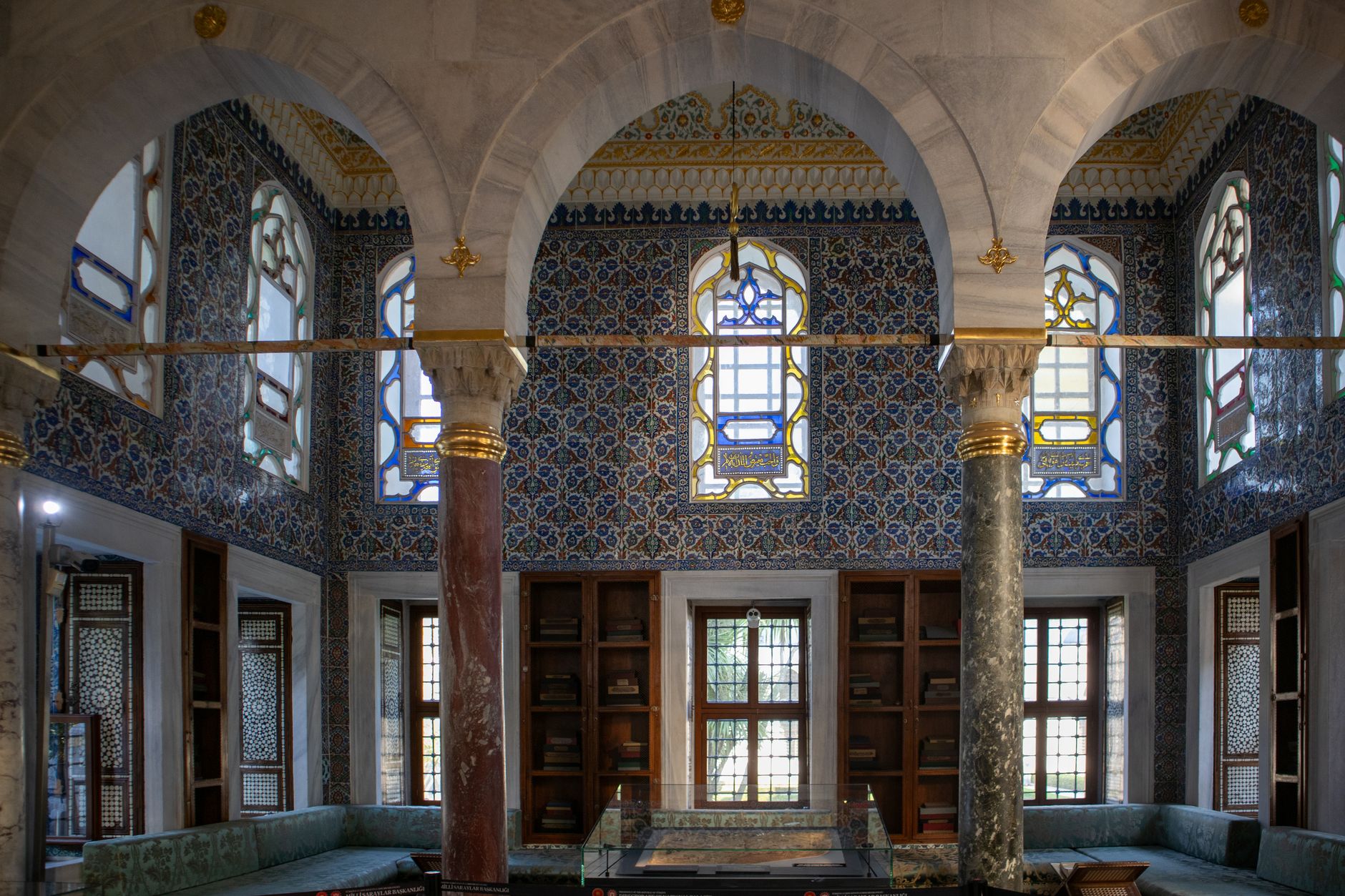
Kütahya was the capital of the Germiyan Beylik, a principality that thrived in the 13th and 14th centuries before being absorbed into the Ottoman Empire. This rich history is visible in landmarks like the Germiyan Sokağı, a restored street lined with traditional Ottoman houses, and the Ulu Cami (Grand Mosque), which features early examples of Kütahya's tile work.
Other notable sites include the Kossuth House, where the Hungarian revolutionary Lajos Kossuth lived in exile, and the Dönenler Mosque, a former Mevlevi lodge. The city's skyline is punctuated by minarets and domes, while its streets reveal a harmonious blend of Byzantine, Seljuk, and Ottoman influences.
For a panoramic view, climb to the Kütahya Castle, which offers sweeping vistas of the valley and the tiled rooftops below.
The Murat Valley: A Riverside Escape
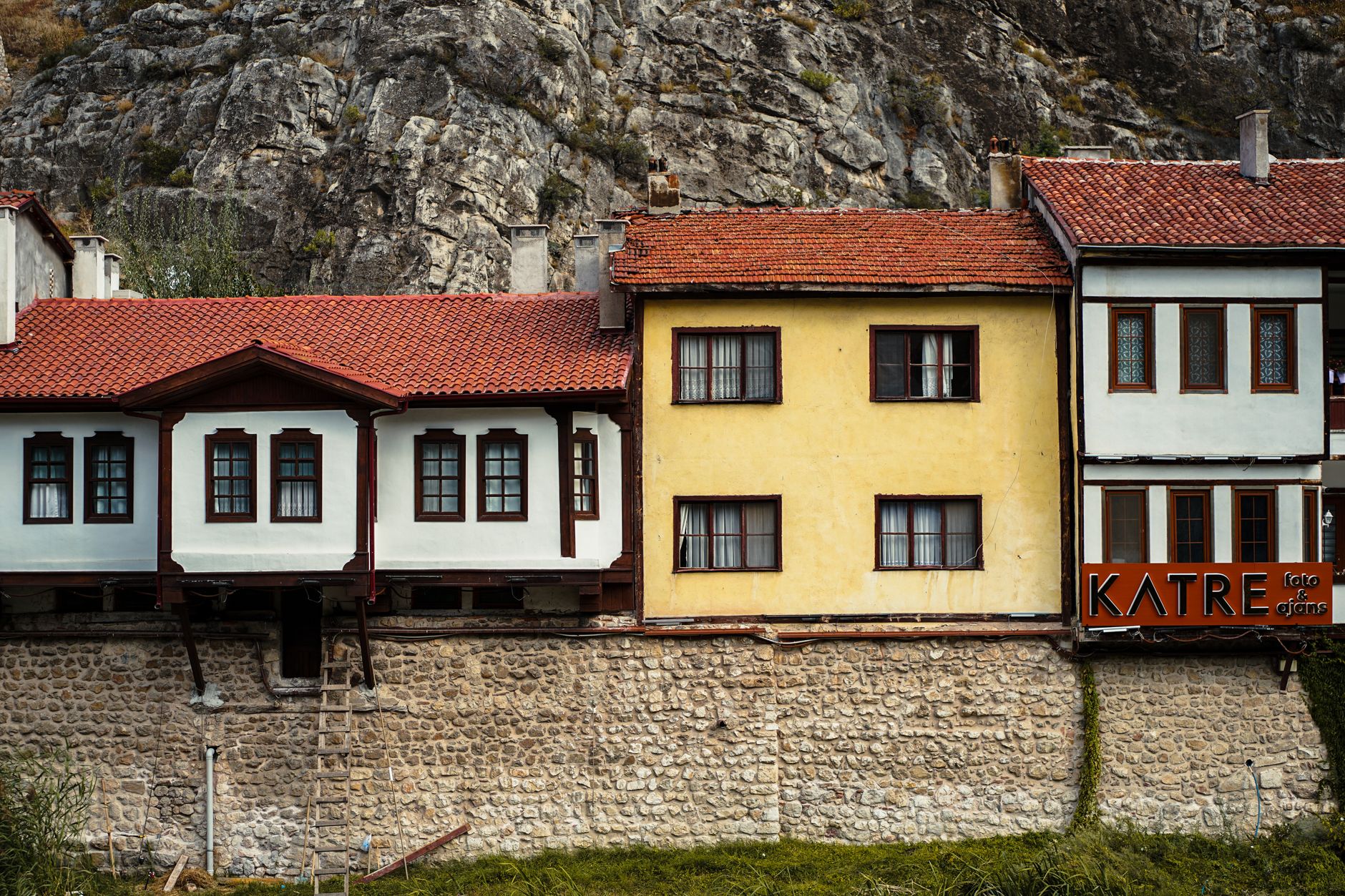
Just a short drive from the city center, the Murat Valley offers a tranquil retreat. The Murat River meanders through lush greenery, past Ottoman bridges and traditional villages. It's an ideal spot for picnics, nature walks, and photography.
One of the highlights is the Murat Valley Tünel, a historic tunnel built during the Ottoman era to divert the river. Nearby, the Ilıca district is known for its thermal springs, where you can soak in warm mineral waters after a day of exploration.
The valley is also home to several riverside restaurants serving fresh trout and local specialties. Enjoy a leisurely meal while listening to the soothing sound of the river.
Practical Information: Getting There and Around
Kütahya is conveniently located on the Ankara–İzmir route, making it easily accessible by bus or car. The journey from Ankara takes about 4 hours, while from İzmir it's around 5 hours. There are also direct buses from Istanbul (approximately 6 hours) and Eskişehir (1.5 hours).
The nearest airport is Zafer Airport (KZR), about 45 km from the city center, with flights from Istanbul. Alternatively, you can fly to Eskişehir or Ankara and continue by bus or train. The Kütahya Railway Station is served by trains from Ankara, İzmir, and Istanbul.
Within the city, most attractions are within walking distance of the central square. For the Murat Valley and surrounding areas, taxis or dolmuş (shared minibuses) are available. Renting a car gives you the most flexibility to explore at your own pace.
Where to Buy Authentic Çini
When shopping for çini, the Çiniciler Çarşısı is your best bet. Here you'll find a wide range of tiles, plates, vases, and jewelry, all handmade. Prices vary depending on the intricacy of the design and the reputation of the artist.
For guaranteed authenticity, look for the Kütahya Çini trademark or certificates from the Kütahya Chamber of Commerce. Avoid mass-produced imitations, often made in factories outside the region. A good rule of thumb: if the price seems too low, it's likely not genuine.
Some recommended ateliers include İsmail Yiğit Çini, Kütahya Porselen (for modern designs), and Öz Çini. Many workshops offer shipping services for larger items, so you can have your treasures sent home safely.
Best Time to Visit and Suggested Itinerary
Spring (April–June) and autumn (September–October) are the ideal times to visit, with mild temperatures and fewer crowds. Summer can be hot, but the evenings are pleasant. Winter is cold, but the city's indoor attractions like the Tile Museum remain open.
A two-day trip allows you to explore the city's main sites and enjoy a half-day in the Murat Valley. If you're a ceramic enthusiast, consider staying an extra day to take a workshop course. Many ateliers offer half-day or full-day classes.
Whether you're an art lover, history buff, or simply seeking a peaceful escape, Kütahya's tiled treasures and gentle valleys promise an unforgettable experience.
Top Highlights
Popular Activities
Thinking about a trip to Turkey?
Share your contact details and a vetted local expert will follow up with a plan built around you — free, no obligation.
