

Lake Tuz
An Otherworldly Salt Flat in Central Türkiye
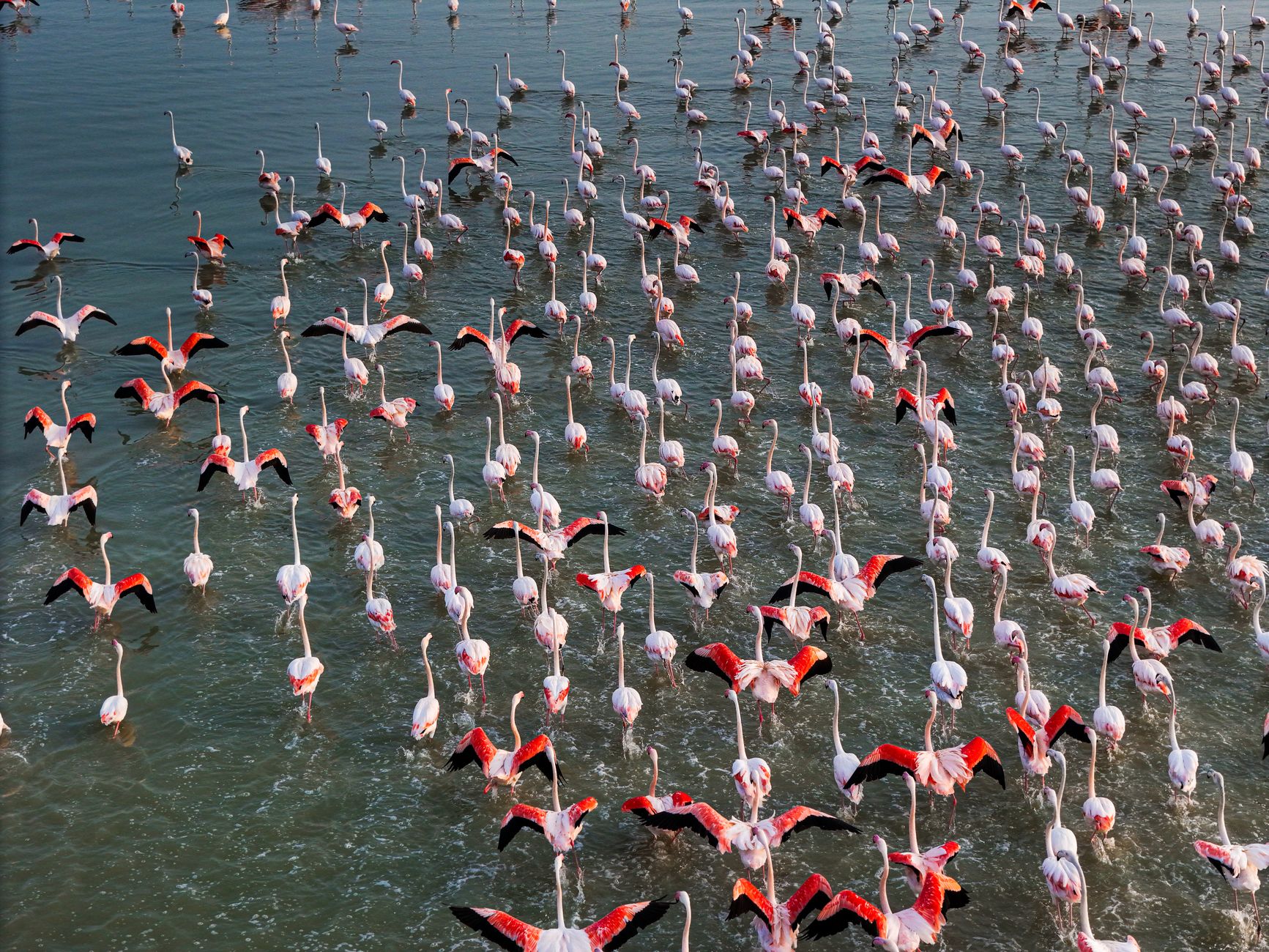
Lake Tuz, or Tuz Gölü, is one of the largest hypersaline lakes in the world, spanning across the provinces of Ankara, Konya, and Aksaray. Its immense, blindingly white surface makes it appear like a frozen wonderland or an alien planet. For much of the year, the lake is shallow, and in summer, a thick salt crust forms, allowing visitors to walk on it. The lake is a major source of salt production for Türkiye and an important habitat for flamingos and other waterbirds.
Despite its stark beauty, Lake Tuz is easily accessible, situated just off the Ankara–Aksaray highway. Many travelers en route to Cappadocia make a detour here, but it remains relatively uncrowded, especially at sunset when the light transforms the flat into a giant mirror reflecting the sky.
Best Time to Visit: Sunset and Seasons
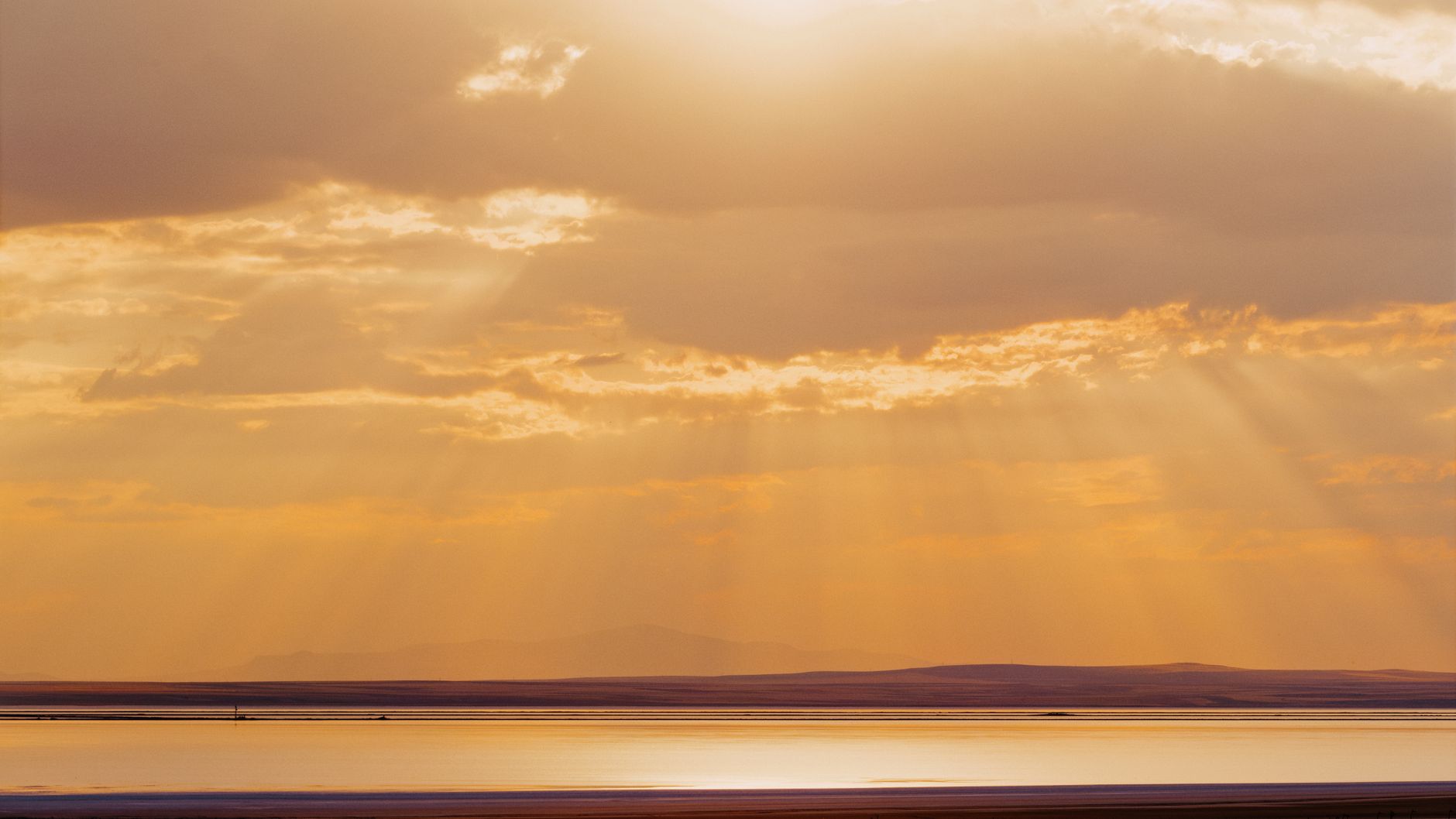
The most magical time to experience Lake Tuz is undoubtedly at sunset. As the sun dips below the horizon, the shallow water covering parts of the salt flat turns into a perfect mirror, reflecting vibrant hues of orange, pink, and purple. The effect is breathtaking and provides incredible photo opportunities. Arrive at least an hour before sunset to find a good spot and witness the changing colors.
Seasonally, the lake's appearance varies dramatically. In spring (April–May), the water level is higher, and the lake is home to flocks of flamingos. In summer (June–August), the water recedes, leaving a dry, cracked salt crust that is easy to walk on but can be extremely hot. Autumn (September–October) offers a balance: pleasant temperatures, some water for reflections, and fewer crowds. Winter can be cold and windy, but the salt flats may be covered with a thin layer of water or snow, creating a different kind of beauty.
Walking on the Salt Crust: Footwear and Safety
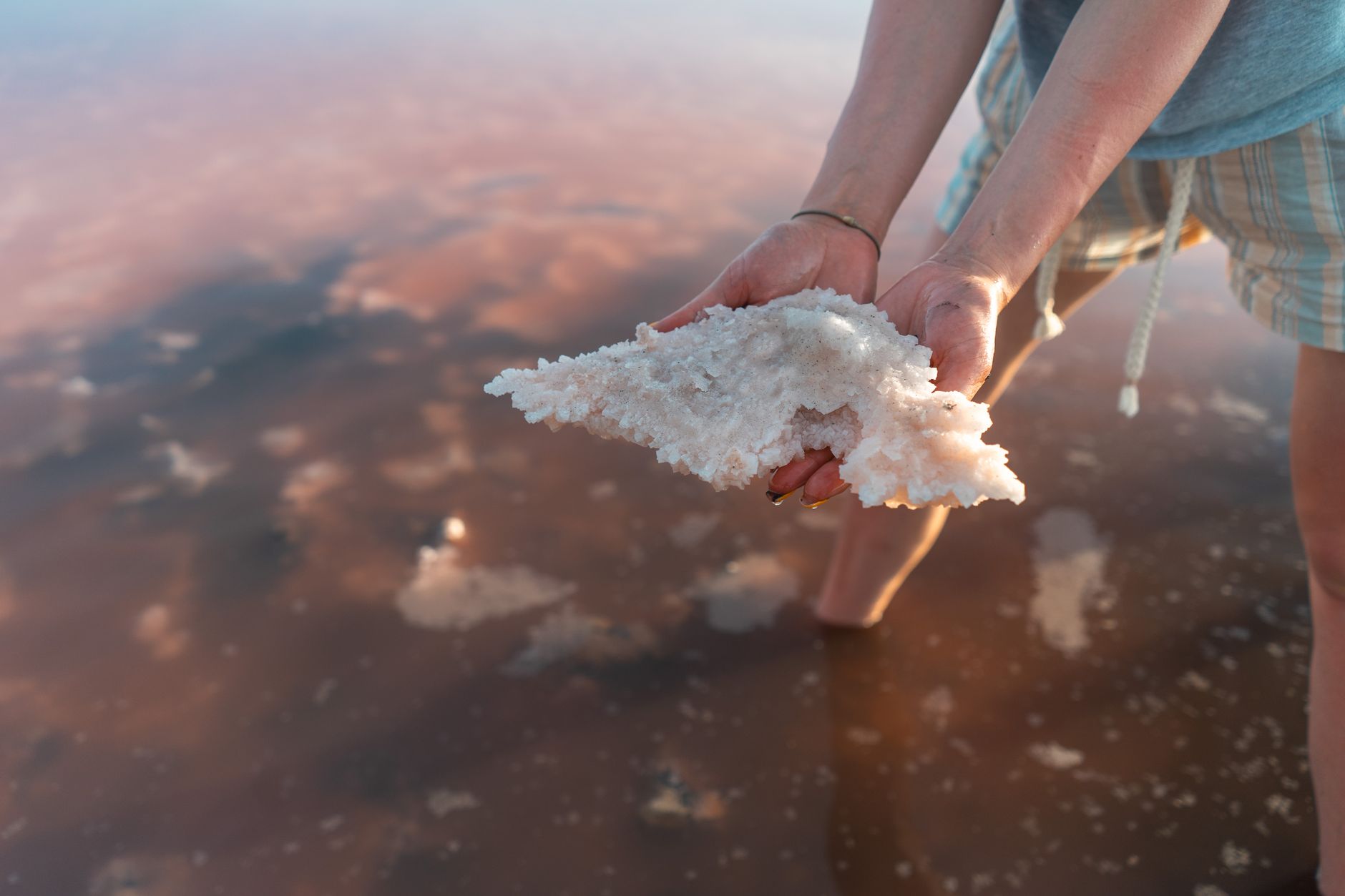
Walking on the salt crust is a unique experience, but it requires preparation. The surface can be sharp, uneven, and slippery when wet. Wear sturdy, closed-toe shoes with good grip—avoid sandals or flip-flops. Water shoes can work in shallow areas, but the salt crystals can be abrasive. Consider bringing a spare pair of socks and shoes, as salt can seep through and cause discomfort.
Be cautious near the water's edge, where the crust may be thin and breakable. Stick to areas where others have walked or where the crust appears thick and white. The salt can be slippery, so walk slowly and avoid sudden movements. Also, protect your skin and eyes: the reflection off the white surface can be intense, so wear sunglasses and sunscreen. Carry water, as there are no facilities on the lake itself.
Responsible Visiting: Preserve This Fragile Environment
Lake Tuz is a protected area and a vital ecosystem. While walking on the salt crust is generally allowed, it's crucial to minimize your impact. Do not litter; take all trash with you. Avoid walking on areas with vegetation or where birds are nesting, especially during spring when flamingos breed. Stay on designated paths if available, and do not disturb wildlife.
Remember that the salt crust is fragile. Avoid digging or breaking large chunks of salt. Do not use the lake as a bathroom. If you bring a pet, keep it leashed and clean up after it. Respect any signs or barriers. By visiting responsibly, you help preserve this natural wonder for future generations.
Fitting Lake Tuz into a Comfortable Road Trip
Lake Tuz is conveniently located about 1.5 to 2 hours' drive from Ankara and 2.5 to 3 hours from Cappadocia. A common route is to drive from Ankara to Cappadocia, with a stop at Lake Tuz along the way. The most popular access point is near the town of Şereflikoçhisar, where there is a rest area, a small café, and a viewing platform. Another access point is near the Aksaray exit.
For a comfortable trip, plan to spend 1–2 hours at the lake, plus travel time. If you're heading to Cappadocia, consider leaving Ankara in the early afternoon, stopping at Lake Tuz for sunset, and then continuing to Cappadocia, arriving in the evening. Alternatively, you can stay overnight in Aksaray or Konya and visit the lake the next day. The drive is straightforward on well-maintained highways, but be mindful of speed limits and occasional strong winds.
What to Bring and Practical Tips
Essentials include water, snacks, sunscreen, sunglasses, a hat, and a camera. A tripod is useful for sunset photography. Wear comfortable clothing that you don't mind getting salt on. Bring a plastic bag for wet or salty shoes. There are limited facilities at the lake, so use the restroom before you arrive. The nearest towns have gas stations and small markets.
If you're visiting in summer, go early morning or late afternoon to avoid the heat. In spring, be prepared for muddy areas. Always check the weather forecast; strong winds can make the experience less pleasant. Mobile phone coverage is generally good, but download offline maps just in case.
Beyond the Salt: Nearby Attractions
While Lake Tuz is the star, the surrounding region has other points of interest. The town of Şereflikoçhisar has a historic castle and a few local eateries. If you're driving from Ankara, you might also stop at the Tuz Gölü Special Environmental Protection Area, which has informational signs. On the way to Cappadocia, consider a detour to the Ihlara Valley or the underground cities of Derinkuyu and Kaymaklı.
For a deeper understanding of salt's role in the region, visit the Salt Lake Culture and Art Center in Şereflikoçhisar, which showcases local salt production. These add-ons can turn a simple stop into a full day of exploration.
Top Highlights
Popular Activities
Thinking about a trip to Turkey?
Share your contact details and a vetted local expert will follow up with a plan built around you — free, no obligation.
