

Laodikeia and the Lykos Valley: A Roman Metropolis Beyond Pamukkale
Why Laodikeia Deserves a Place on Your Turkey Itinerary
Most travelers race through Denizli on their way to Pamukkale's white travertines, never realizing that one of the best-preserved Roman cities in Anatolia lies barely ten minutes from the city center. Laodikeia (also spelled Laodicea) was founded in the 3rd century BC and grew into a wealthy metropolis of trade, medicine and early Christianity. Today it is one of Turkey's most ambitious excavation and restoration projects, with broad marble streets, soaring columns and monumental buildings rising from the valley floor.
Because it sits outside the main Pamukkale tour circuit, Laodikeia remains refreshingly quiet. You can stroll a colonnaded street with only a handful of other visitors, photograph a 12,000-seat theater without waiting your turn, and explore a city that once rivaled Ephesus in importance. For travelers who want world-class archaeology with small crowds and big rewards, this is the hidden highlight of the Lykos Valley.
The site is open daily, and recent restoration work has made its highlights easy to understand even without deep background knowledge. The experience feels less like ticking off a ruin and more like walking through a Roman city that is still being brought back to life.
The Must-See Monuments: Theater, Stadium and Church
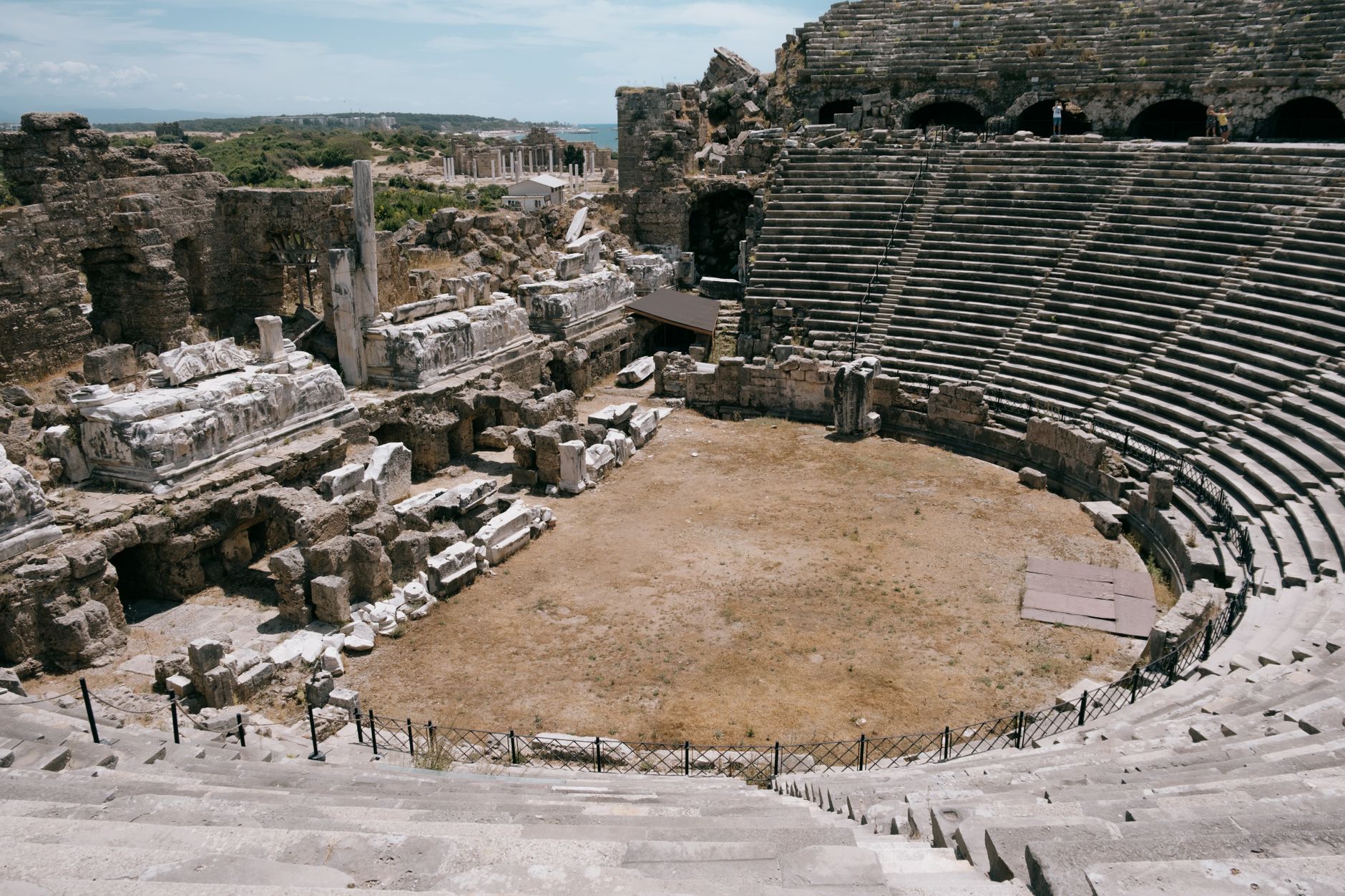
The theater of Laodikeia is the showpiece of any visit. Carved into the hillside and rebuilt with astonishing care, its tiered seating offers panoramic views over the Lykos Valley. Standing at the top of the cavea at golden hour, with the valley stretching below and the marble stage building behind you, is one of the most memorable experiences in the region.
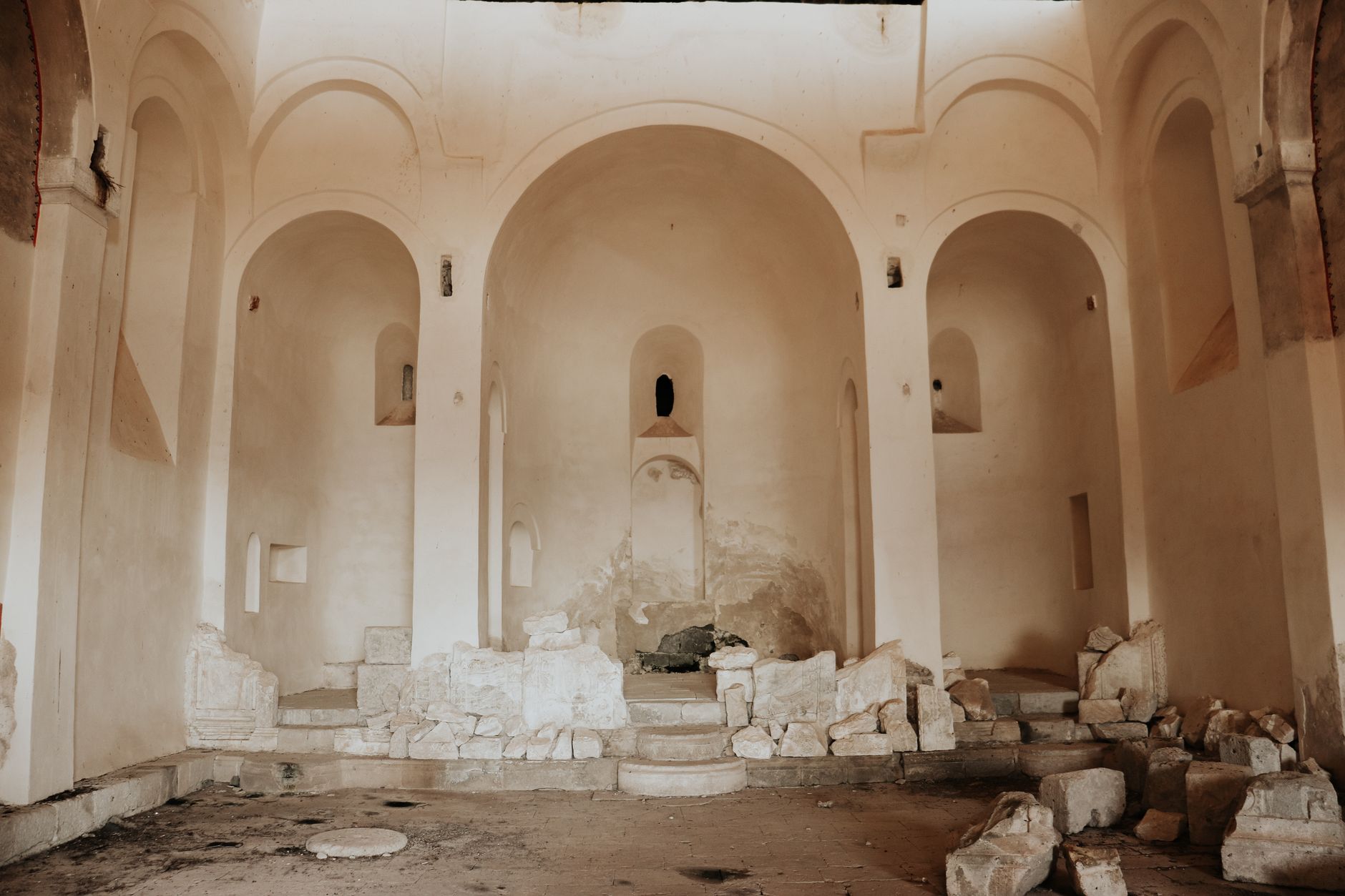
The stadium of Laodikeia is among the largest and best-preserved ancient stadiums in Anatolia, capable of holding tens of thousands of spectators for chariot races and athletic games. Its massive seating banks and vaulted substructures give a vivid sense of the scale of Roman entertainment. Nearby, the great church of Laodikeia recalls the city's role in early Christianity — Laodikeia is named in the Book of Revelation, and the church here is one of the most significant early Christian buildings in Turkey. Walking through its aisles, you are following the footsteps of some of the earliest Christian communities in Asia Minor.
Beyond these three monuments, don't miss the Syrian Street with its restored colonnades and shopfronts, the elaborate nymphaeum and waterworks, and the Council House where civic decisions were made. Together they weave a rich story of daily life, commerce and faith in the Roman East.
Pairing Laodikeia with Pamukkale and Hierapolis
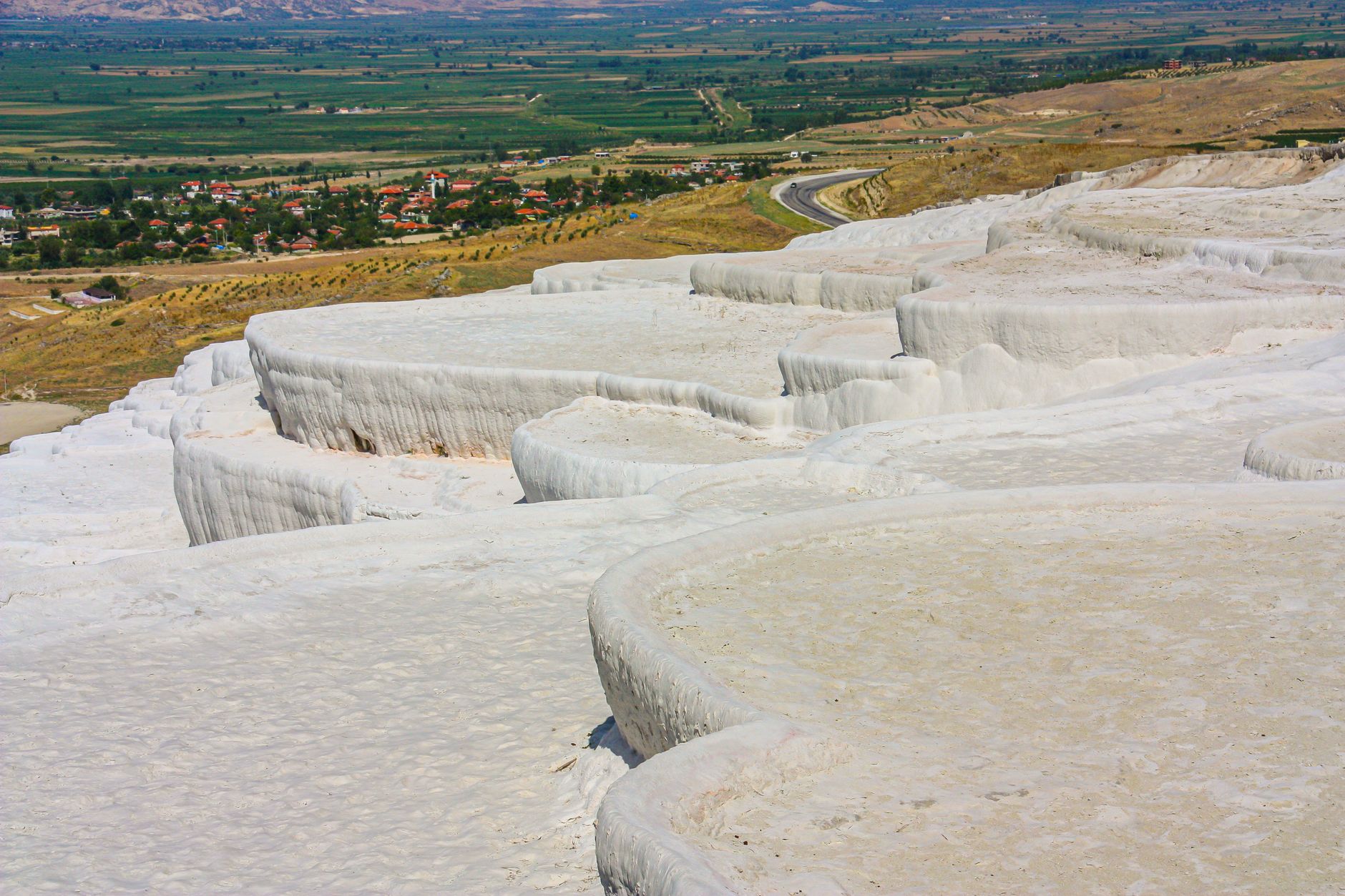
The classic pairing for this area is a two-for-one day trip: Pamukkale and Hierapolis in the morning or late afternoon, Laodikeia in the cooler hours. Pamukkale is only about 20 minutes away by road, and Hierapolis, the ancient spa city built above the travertines, complements Laodikeia beautifully — one city famous for its waters, the other for its commerce and early Christianity.
If you have a full day, try to start early at Laodikeia while temperatures are low, then drive to Pamukkale and Hierapolis for the rest of the day. Many visitors do it in reverse, ending at Laodikeia's theater for sunset, when the light is soft and the crowds have gone. Either way, the two destinations make an extraordinary single day that balances natural wonders with monumental archaeology.
Because Laodikeia is on the edge of Denizli, it is also easy to combine with a short city stop for lunch, or with local markets and museums in Denizli itself. It works well as a standalone half-day from the city, too, if Pamukkale is already on your schedule.
Practical Tips: Guides, Timing and Comfort
Hiring a guide is genuinely worthwhile here. Laodikeia's story is layered with Hellenistic, Roman and Byzantine phases, plus important connections to early Christianity, and a good local guide brings those layers to life. On-site signage is improving, but a guide can explain the restoration process and point out details you would otherwise walk past. If you prefer independence, an audio guide or a well-researched guidebook will also serve you well.
Time your visit for cooler hours. The site is largely open, with little shade on the streets and in the stadium, so the heat of midday in summer can be intense. Aim for early morning soon after opening, or late afternoon before closing, especially from June to September. Bring a hat, sunscreen and plenty of water. Sturdy shoes are essential — paths are uneven, and exploring the theater and stadium involves some climbing.
Allow at least 2 to 3 hours at Laodikeia to see the main monuments without rushing, and more if you are a serious archaeology enthusiast. The site is generally less crowded than Ephesus or Hierapolis, but weekends and Turkish public holidays bring more domestic visitors. Restrooms and basic facilities are available near the entrance, but services are limited, so plan accordingly.
Off the Beaten Path: Nearby Kaklık Cave
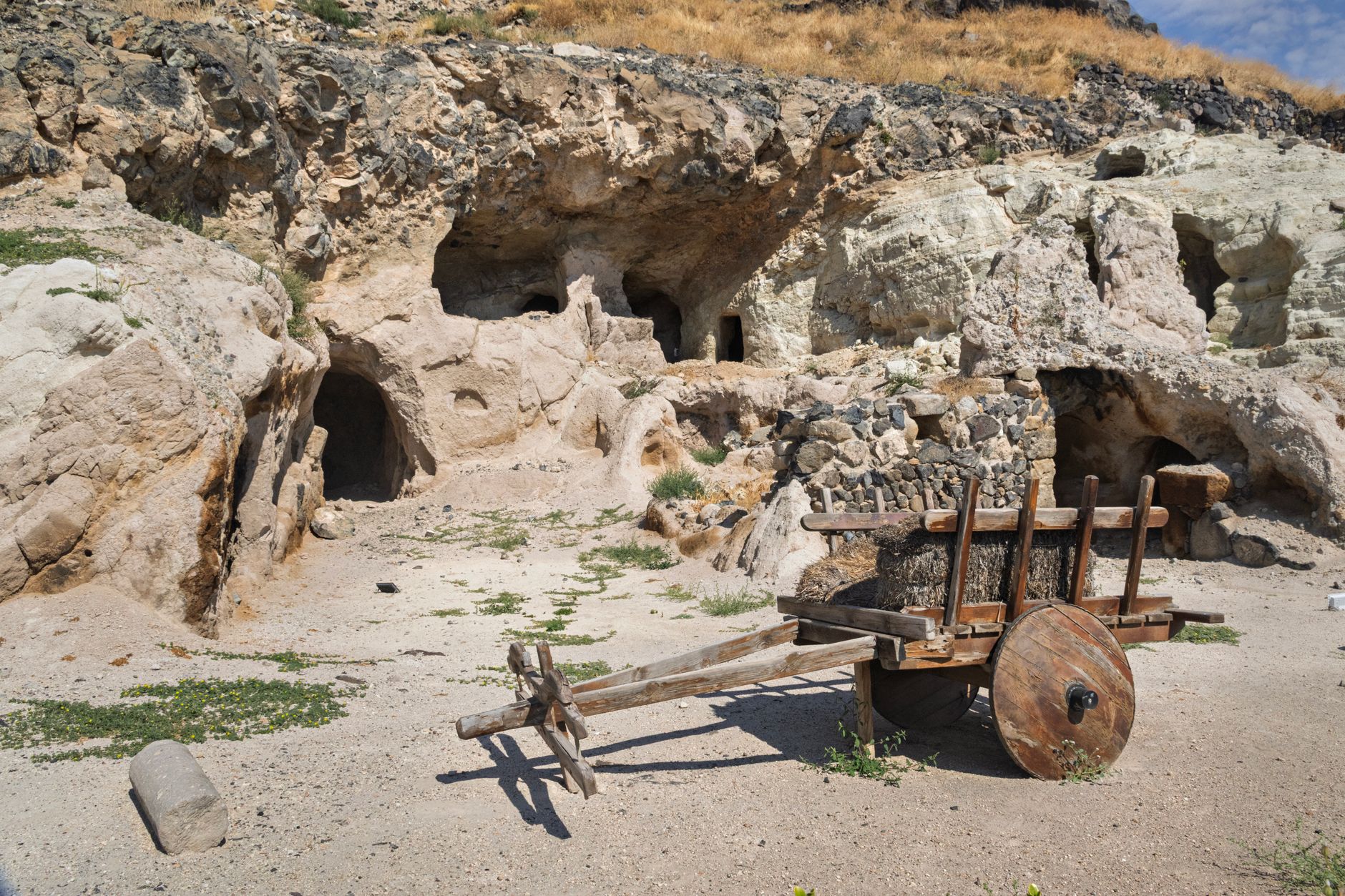
If you have extra time in the Lykos Valley, add a detour to Kaklık Cave, a striking karst cave about 30 kilometers from Laodikeia. Its dramatic collapse doline opening, mineral-rich pools and unusual formations make it a fascinating geological counterpart to the region's archaeological wonders. It is a peaceful stop that most tour groups skip entirely.
Kaklık Cave is best visited as part of a relaxed driving day through the valley, combined with Laodikeia and perhaps a countryside lunch. The contrast between ancient marble streets and raw natural caverns captures the variety of the Denizli region and adds a different flavor to an archaeology-focused itinerary.
Other optional add-ons in the area include the ancient site of Tripolis and the countryside villages of the Lykos Valley, where local food and rural life offer a gentler rhythm between monument visits.
Getting There and Making the Most of Your Visit
Laodikeia is located just a few kilometers from central Denizli, easily reached by car, taxi or dolmuş. If you are based in Pamukkale, it is a short drive, making it simple to combine both sites in one day. Renting a car gives you the most flexibility, especially if you want to add Kaklık Cave or explore smaller sites in the valley.
Many organized tours from Pamukkale, Denizli and even Izmir include Laodikeia as a secondary stop, but if you can, choose a tour that gives it proper time rather than a rushed 45 minutes. The city rewards slower exploration, and the ongoing restoration means the experience is changing and improving year by year.
Whether you are a dedicated history lover or simply someone who wants more than the standard Pamukkale photo stop, Laodikeia offers a rare chance to see a Roman metropolis coming back to life — without the queues, the noise or the crowds. Bring your curiosity, plan around the heat, and let the Lykos Valley surprise you.
Top Highlights
Popular Activities
Thinking about a trip to Turkey?
Share your contact details and a vetted local expert will follow up with a plan built around you — free, no obligation.
