

Magnesia on the Meander
Magnesia on the Meander: An Overlooked Gem of the Aegean
While Ephesus draws millions of visitors each year, just an hour's drive away lies Magnesia on the Meander — an ancient city that offers a far more intimate and peaceful encounter with antiquity. Located near the modern town of Söke in Aydın Province, Magnesia was a thriving city in antiquity, and today its ruins are among the most rewarding yet least visited in Turkey.
The site is perhaps best known for its Temple of Artemis Leukophryene, which was recently restored to partial glory. The temple, dating back to the 3rd century BC, was one of the most important in the region and is now a centerpiece of ongoing archaeological work that continues to reveal new wonders.
Unlike Ephesus, where you often shuffle along crowded paths, at Magnesia you can wander freely, often with only the chirping of birds and the whisper of the wind through ancient stones for company. It's a place where you can truly feel the presence of history.
The Recently Restored Temple of Artemis
The Temple of Artemis at Magnesia was designed by the architect Hermogenes and was renowned in antiquity for its beauty and proportions. Over the centuries, it was quarried for building materials, and its remains were scattered. However, a major restoration project has recently re-erected several columns, giving visitors a tangible sense of the temple's original grandeur.
The restoration is part of Turkey's broader efforts to preserve and showcase its rich archaeological heritage. Walking among the newly standing columns, you can easily imagine the temple's glory when it was a major pilgrimage site. The setting, with the Meander River plain stretching out below, adds to the evocative atmosphere.
Excavations continue, and each season brings new discoveries — from inscriptions to statues — that shed light on the city's past. A visit here supports these efforts and offers a chance to see archaeology in action.
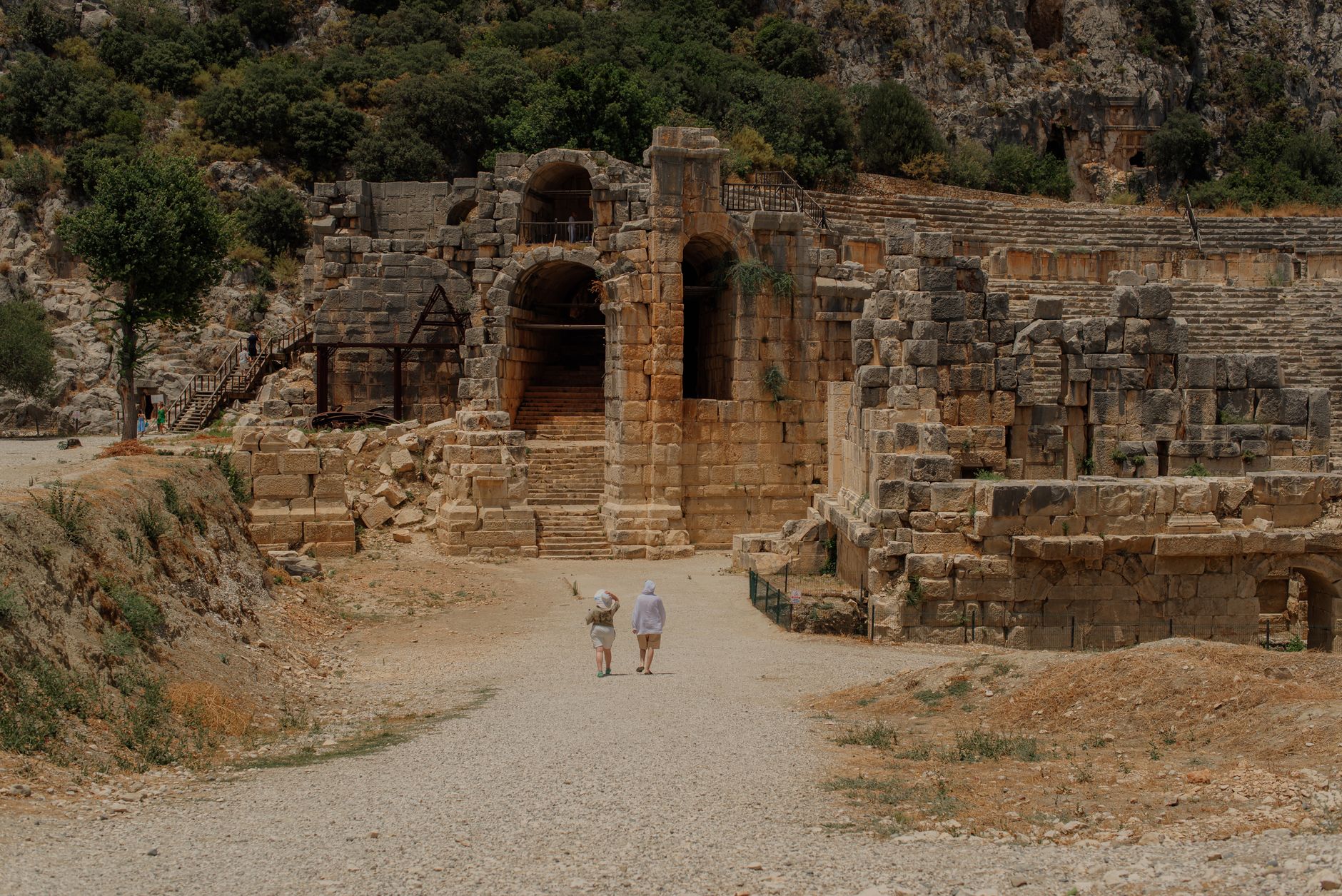
How to Visit: Day Trip from Kuşadası or Söke
Magnesia is easily accessible as a day trip from the popular coastal resort of Kuşadası or the nearby town of Söke. The site is located about 30 km from Kuşadası and just a few kilometers from Söke, making it a convenient addition to any Aegean itinerary.
By car: From Kuşadası, take the D515 road towards Söke. The drive takes about 30-40 minutes. From Söke, follow signs to the site (about 5 km). There is a small parking area near the entrance.
By public transport: From Kuşadası, you can take a minibus (dolmuş) to Söke, then a taxi to the site. Alternatively, join a guided tour from Kuşadası that includes Magnesia and other nearby sites like Priene and Miletus.
Once at the site, there is a modest entrance fee (usually around 20-30 TL) and a small visitor center. Wear comfortable shoes, bring water, and allow 2-3 hours to explore. The site is open daily from 8:00 AM to 5:00 PM (summer hours may extend).
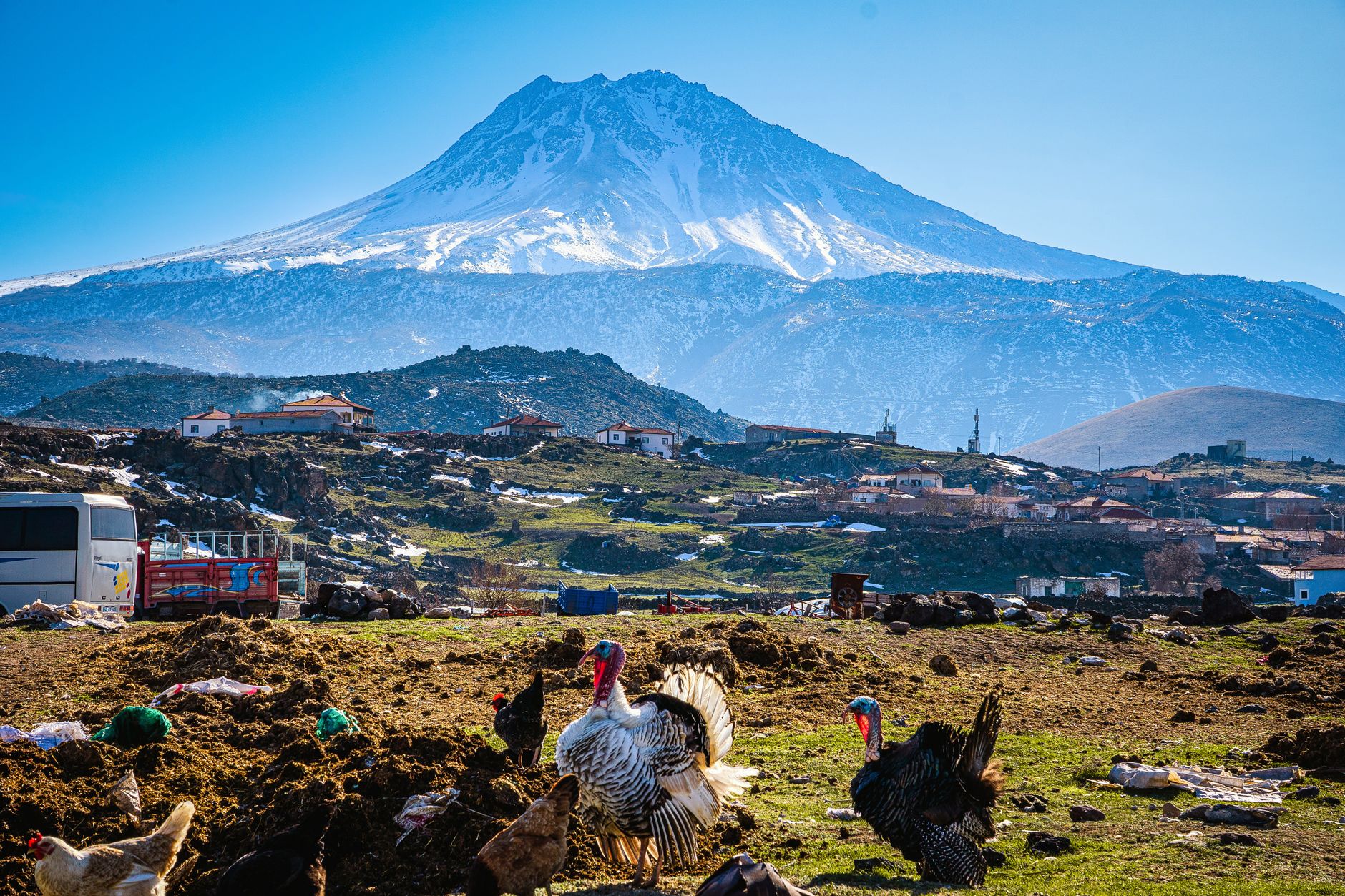
Nearby Villages and Lunch Spots
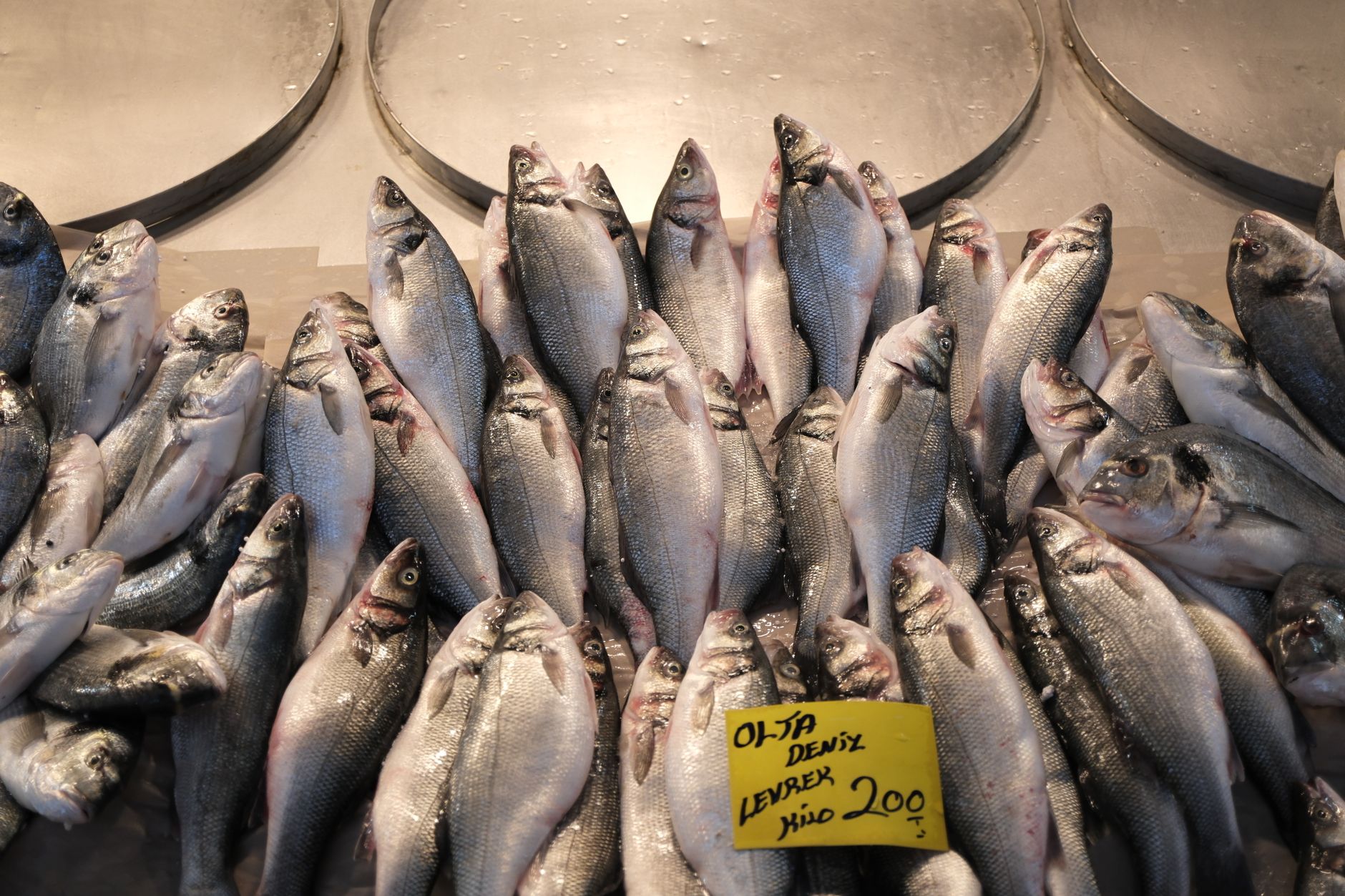
After exploring Magnesia, head to the nearby village of Ortaklar for a taste of local Aegean life. This small town is known for its traditional restaurants serving fresh seafood and regional dishes. Try the çupra (sea bream) or levrek (sea bass), often grilled to perfection with olive oil and herbs.
For a more rustic experience, visit the village of Sarıkemer, about 15 km away, where you can find family-run eateries offering homemade mantı (Turkish dumplings) and gözleme (stuffed flatbreads). The village also has a small market where you can buy local olive oil and honey.
If you're coming from Kuşadası, consider stopping at the Dilek Peninsula National Park for a picnic lunch amidst pine forests and Mediterranean maquis. The park has several scenic spots with tables and stunning views of the Aegean.
For a more upscale lunch, the seaside town of Güzelçamlı offers a range of restaurants with sea views, about 40 minutes from Magnesia. Here you can enjoy a leisurely meal before or after your visit.
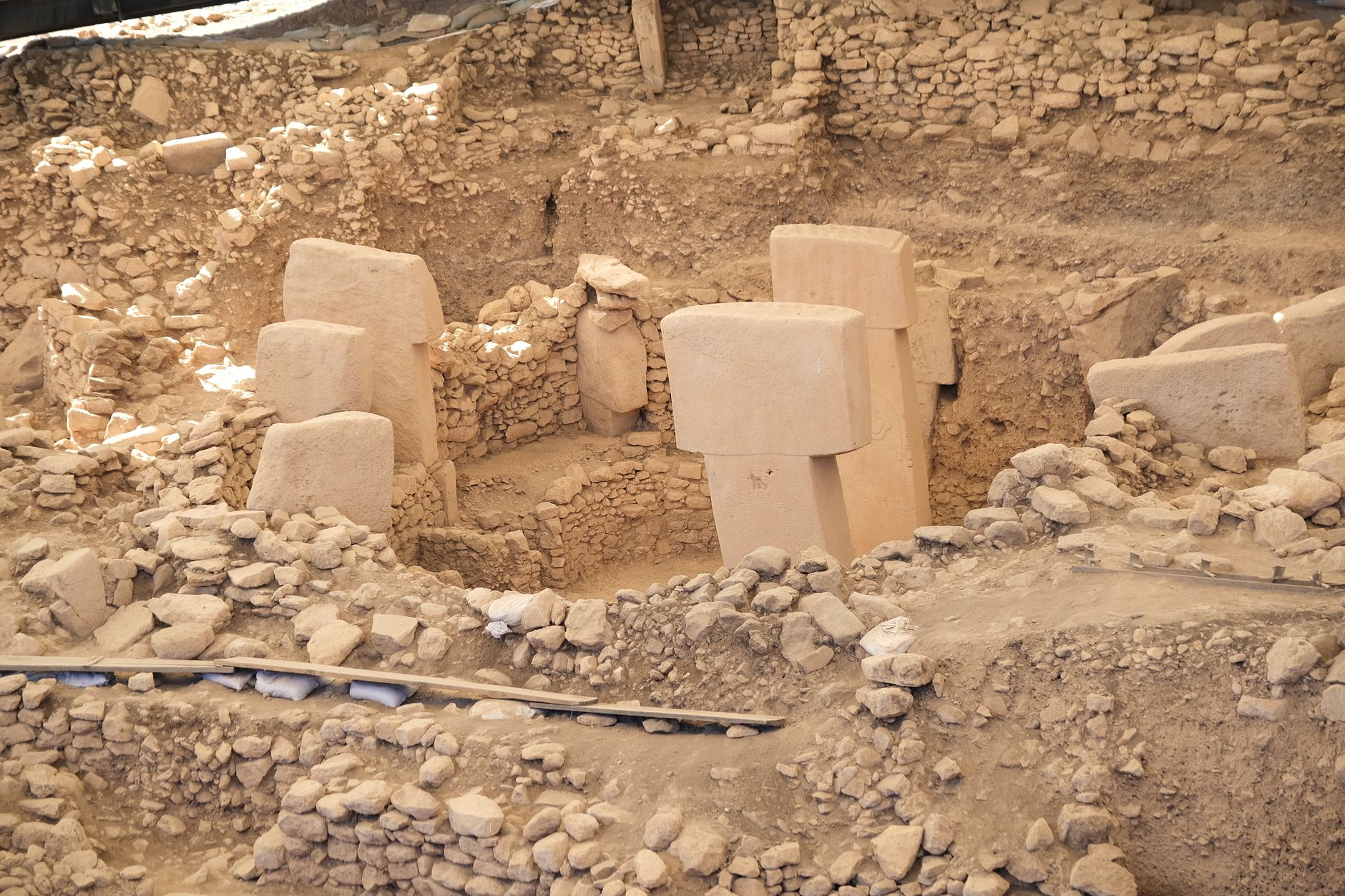
Ongoing Archaeological Work: Uncovering New Wonders
One of the most exciting aspects of visiting Magnesia is witnessing the ongoing archaeological excavations. Teams of Turkish and international archaeologists work here every year, carefully unearthing new structures and artifacts. Recent finds include a well-preserved stoa (covered walkway), a theater, and numerous inscriptions that provide insights into the city's governance and daily life.
The Turkish government has been investing significantly in the restoration and promotion of lesser-known archaeological sites, with Magnesia being a prime example. This commitment ensures that the site will continue to improve and reveal more of its secrets for years to come.
By visiting, you contribute to the local economy and support these preservation efforts. Many guides and local experts are eager to share their knowledge and passion for the site, making your visit both educational and inspiring.
Other Highlights of Magnesia
Beyond the Temple of Artemis, Magnesia boasts several other impressive structures. The theater, with a capacity of around 10,000 spectators, is built into the hillside and offers panoramic views of the plain. Although partially overgrown, its acoustics are still remarkable.
The agora (marketplace) was the heart of the city, and you can still see the foundations of shops and colonnades. Nearby, the Zeus Sosipolis Temple and the Prytaneion (town hall) add to the sense of a once-thriving metropolis.
A highlight for many is the inscription of the letters of Magnesia — a series of inscriptions that reveal the city's diplomatic efforts and its sanctuary of Artemis. These are displayed in situ and in the small on-site museum.
Don't miss the ancient stadium, located slightly outside the main site, which could seat up to 30,000 people. It's a short walk from the main ruins and well worth the extra effort.
Practical Tips for Your Visit
Best time to go: Spring (April-May) and autumn (September-October) offer mild temperatures and fewer crowds. Summers can be very hot, so visit early in the morning or late afternoon.
What to bring: Comfortable walking shoes, sun hat, sunscreen, water, and a camera. The site is largely unshaded, so protection from the sun is essential.
Guided tours: While you can visit independently, a guided tour can bring the ruins to life with stories and historical context. Many tours from Kuşadası combine Magnesia with Priene and Miletus for a full day of ancient wonders.
Accessibility: The site has uneven terrain and some areas may be difficult for those with mobility issues. However, the main paths are relatively flat, and the Temple of Artemis area is accessible.
Why Choose Magnesia Over Ephesus?
Ephesus is undeniably spectacular, but its popularity means large crowds, especially in peak season. Magnesia offers a similar sense of ancient grandeur without the hustle and bustle. You can explore at your own pace, take unobstructed photos, and truly soak in the atmosphere.
Moreover, Magnesia's ongoing excavations and recent restorations provide a dynamic experience — you're not just seeing a static ruin but a living archaeological site. The sense of discovery is palpable.
For travelers based in Kuşadası or Söke, Magnesia makes for an ideal half-day or full-day trip that complements a visit to the more famous sites. It's a chance to connect with Turkey's rich history in a more personal way.
So if you're looking to escape the crowds and delve into the Aegean's ancient past, put Magnesia on the Meander on your itinerary. You'll be rewarded with a memorable journey through time.
Top Highlights
Popular Activities
Thinking about a trip to Turkey?
Share your contact details and a vetted local expert will follow up with a plan built around you — free, no obligation.
