

Nallıhan and the Sakarya Basin: Bird Paradise, Silk Heritage and Rock Carvings
Nallıhan: A Riverside Town Steeped in History and Nature
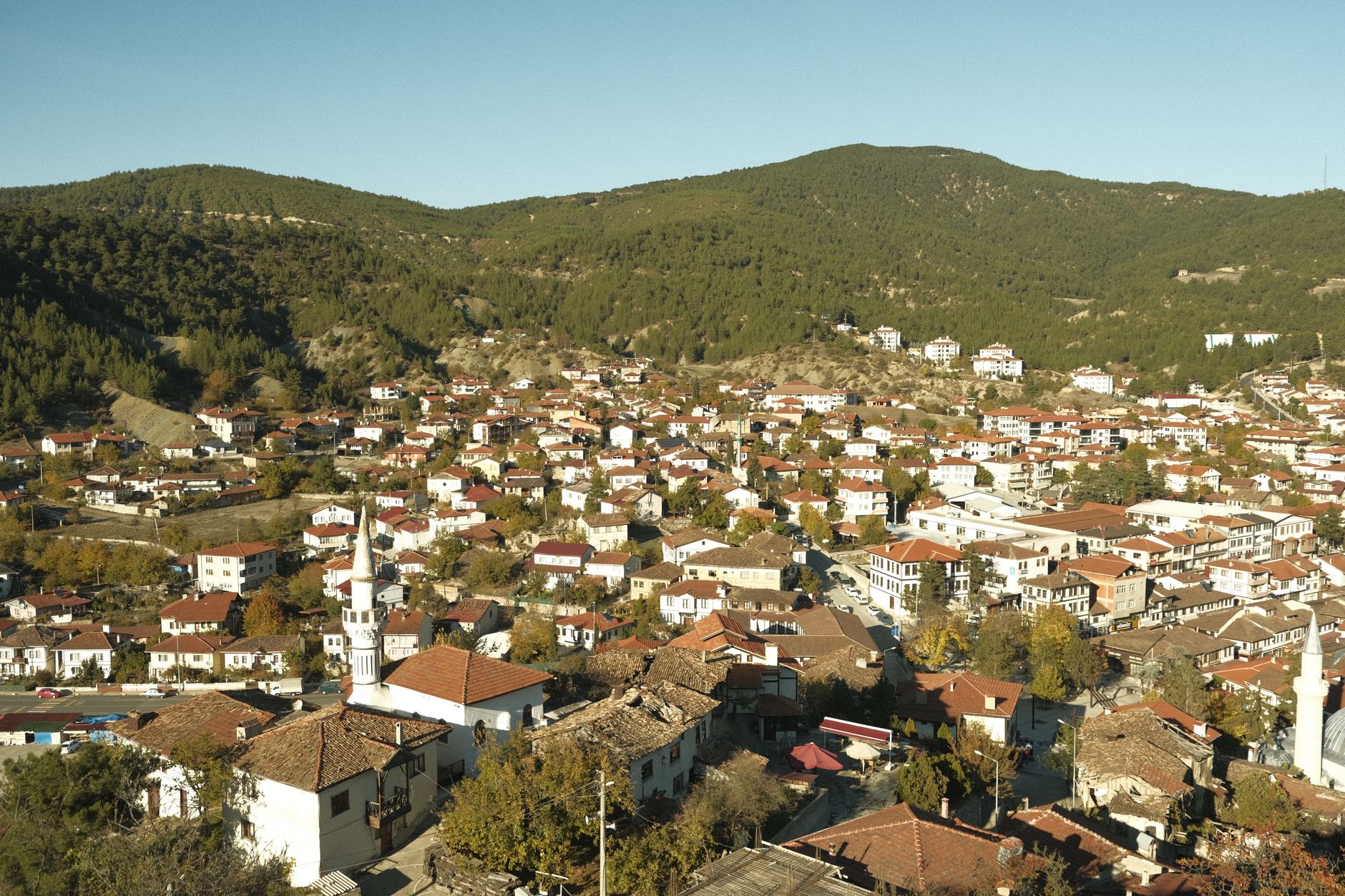
Nallıhan sits quietly in the Sakarya Basin, a landscape of rolling hills, deep gorges and the meandering Sakarya River. Just a two-hour drive from Ankara, this small town feels a world away from the capital's bustle. Its name, meaning 'horseshoe inn', hints at its past as a stopping point on old trade routes.
Today, Nallıhan is celebrated for three remarkable treasures: a bird sanctuary that draws birdwatchers from across Turkey, a silk-weaving tradition kept alive by local artisans, and dramatic rock reliefs carved into the cliffs that echo the ancient Phrygian civilization.
Beyond its attractions, the town's warm hospitality and unhurried pace offer a genuine taste of Anatolian village life. Whether you come for the birds, the silk or the stones, Nallıhan will leave you charmed.
Nallıhan Bird Paradise: A Haven for Migratory Birds
The Nallıhan Bird Paradise (Kuş Cenneti) is a protected wetland area along the Sakarya River, where a series of ponds and marshes create a vital stopover for migratory birds. During spring and autumn, thousands of birds pass through, including herons, egrets, kingfishers, and birds of prey.
The area is also home to resident species, making it a year-round destination for nature lovers. Well-maintained observation towers and walking paths allow visitors to watch birds without disturbing their habitat. Bring binoculars and a camera—the early morning light is magical.
Local guides can help you spot rare species and explain the ecology of the wetland. The best time for birdwatching is from March to May and September to November, when migration is at its peak.
Silk Weaving: A Living Tradition
Nallıhan has been a center of silk production since the Ottoman era. The town's silk weavers once supplied fine fabrics to palaces and bazaars across the empire. Today, a handful of family workshops still practice the craft, using traditional handlooms to create scarves, shawls and home textiles.
Visiting these workshops is a highlight for many travelers. You can watch the delicate process of transforming silkworm cocoons into shimmering threads, then into beautiful woven pieces. The weavers are proud of their heritage and often share stories of how the craft has been passed down through generations.
Supporting these artisans by purchasing their work directly helps keep this ancient tradition alive. Each piece is unique, carrying the subtle irregularities that only handwoven silk possesses.
Phrygian-Style Rock Reliefs: Ancient Art in the Wild
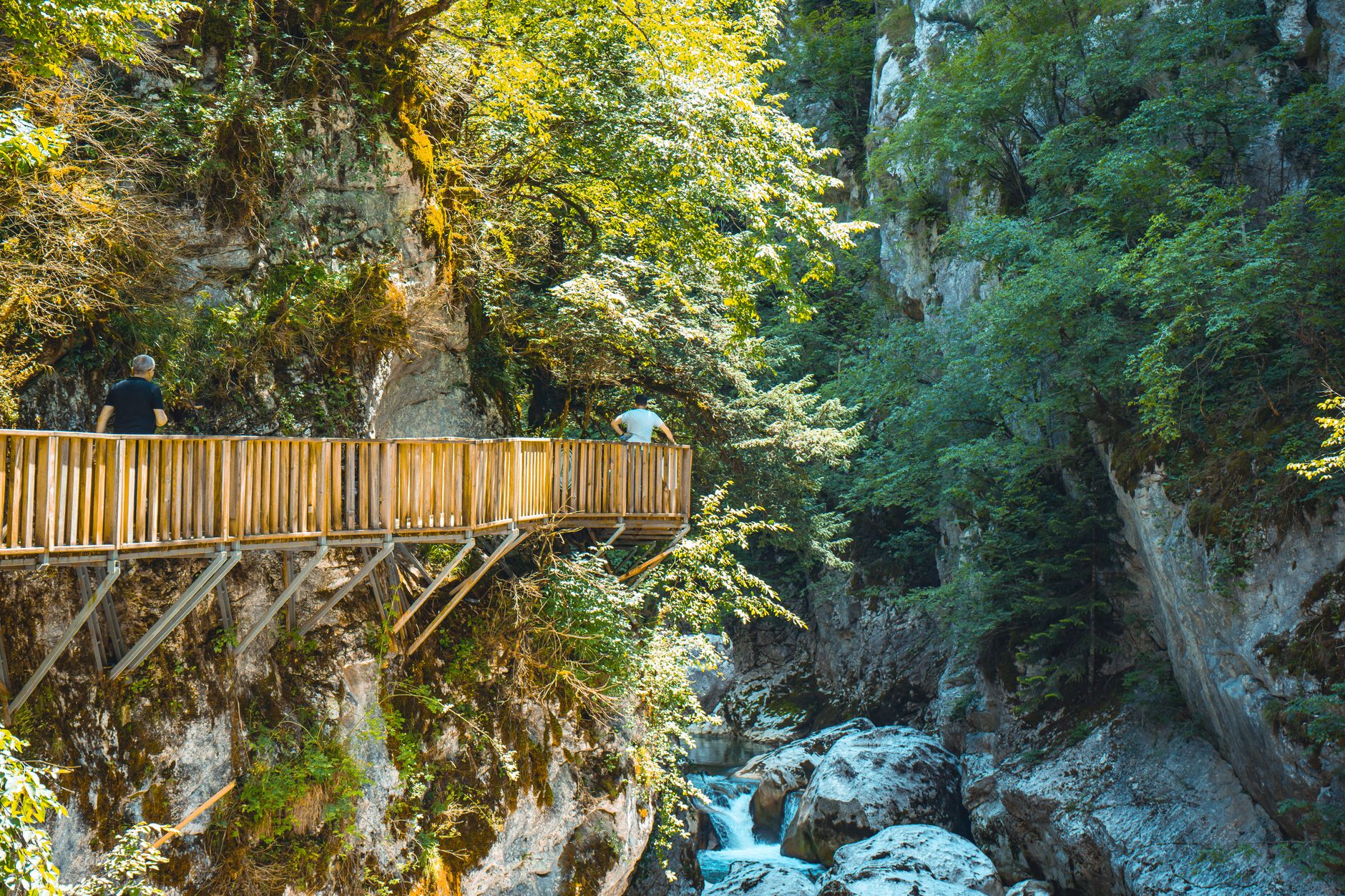
Carved into the rocky cliffs near Nallıhan are remarkable reliefs that date back to the Phrygian period. The most famous is a large relief depicting a seated figure, often associated with the goddess Cybele or a local deity. These carvings are a testament to the region's ancient past, when Phrygian culture dominated central Anatolia.
The reliefs are not as well-known as those at Yazılıkaya, which makes visiting them feel like a personal discovery. A short hike through the scenic valley leads to the carvings, which are set against a backdrop of rugged beauty. The site is free to visit and rarely crowded.
Archaeologists continue to study these reliefs, and their exact purpose remains partly mysterious. Standing before them, you can't help but feel a connection to the people who created them over two thousand years ago.
Exploring the Sakarya Basin: Hiking and Nature
The Sakarya Basin offers excellent hiking opportunities, especially in autumn when the foliage turns golden and the air is crisp. Trails wind through canyons, past rock formations and along the river, offering stunning views at every turn.
One popular route leads to the rock reliefs, combining archaeology with nature. Another follows the riverbanks, where you can spot wildlife and enjoy picnic spots by the water. The terrain varies from easy walks to more challenging climbs, so there's something for every fitness level.
Spring is equally rewarding, with wildflowers blooming and birds nesting. Whatever the season, carry water, wear sturdy shoes and respect the natural environment.
Local Crafts and Warm Hospitality
Nallıhan's small-town atmosphere is one of its greatest assets. The local bazaar is a great place to meet craftspeople selling silk products, honey, and traditional foods. Don't miss the chance to try 'Nallıhan simidi' or other regional specialties in a family-run eatery.
Accommodation options are limited but cozy, with a few guesthouses offering genuine Anatolian hospitality. Many visitors come as a day trip from Ankara, but staying overnight allows you to experience the peaceful evenings and starry skies.
The people of Nallıhan are known for their friendliness and pride in their town. Engage in conversation, and you'll likely be invited for tea and hear stories that bring the region's history to life.
Practical Tips for Your Visit
Getting there: Nallıhan is about 160 km from Ankara, a 2-hour drive via the E90 highway. Buses also run from Ankara's AŞTİ terminal. A car is recommended for exploring the surrounding sites.
Best time to visit: Spring (April-May) for birdwatching and wildflowers; autumn (September-October) for hiking and comfortable temperatures. Summers can be hot, and winters cold and snowy.
What to bring: Binoculars, camera, walking shoes, sun protection, and cash for local purchases. Respect the wildlife and the ancient sites—take only photos, leave only footprints.
Recommended duration: A full day is enough for a taste, but two days allow you to fully appreciate the birds, silk and rock reliefs at a relaxed pace.
Top Highlights
Popular Activities
Thinking about a trip to Turkey?
Share your contact details and a vetted local expert will follow up with a plan built around you — free, no obligation.
