

Narlıkuyu Coast and the Caves of Cilicia
A Small Village with a Roman Past
Narlıkuyu is easy to miss if you are driving fast along the coastal road between Silifke and Mersin. The village hugs a small bay where the Taurus Mountains fall toward the sea, and its name — roughly 'pomegranate well' — hints at the orchards and springs that have drawn people here for centuries.
What puts Narlıkuyu on the map is a modest late-Roman bathhouse, now a sunken stone structure beside the road. At its centre lies a floor mosaic of the Three Graces — Aglaia, Euphrosyne and Thalia — the daughters of Zeus who personified beauty, charm and creativity. The figures are rendered with the easy, confident lines of 4th-century AD craftsmanship, framed by a Greek inscription that poetically credits the mosaic to the 'graces' of the town.
It takes only a few minutes to see, but the setting is what makes it memorable. Locals treat the mosaic as part of everyday life; you may find yourself alone with it, sunlight filtering through the surrounding stone.
Heaven and Hell: The Sinkholes of Cennet ve Cehennem
Just a few kilometres inland from Narlıkuyu, two enormous collapse dolines puncture the limestone plateau. Their Turkish names — Cennet (Heaven) and Cehennem (Hell) — are wonderfully blunt descriptions of the two very different experiences they offer.
Cennet is the more accessible of the two: a vast, green-rimmed chasm roughly 70 metres deep, reached by a long, steep staircase carved into the rock. At its bottom sits a small 5th-century Byzantine chapel dedicated to the Virgin Mary, said to mark the spot where the legendary cave of Typhon once lay. The air down there is cool and damp, and the echo of your own footsteps is part of the visit.
Cehennem, by contrast, is a sheer, unrailed pit around 120 metres deep — you can only peer over the edge from a viewing platform. There is no path down, and the isolation is precisely the point. Together, the two sinkholes are a dramatic reminder of the karst landscape that underlies all of Cilicia.
Mythology in the Rocks
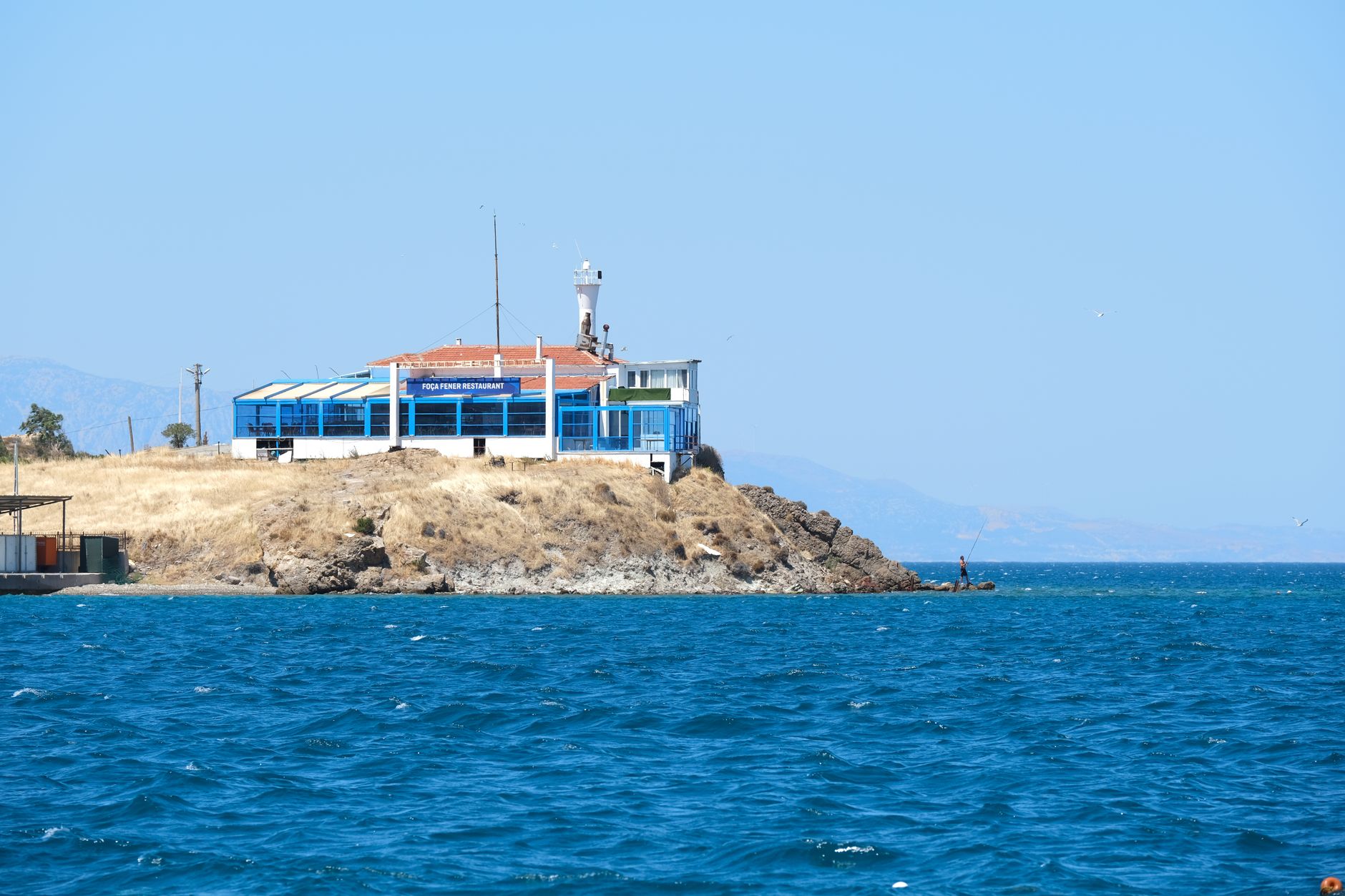
According to Greek myth, this area — ancient Cilicia — was the homeland of Typhon, the hundred-headed monster who challenged Zeus for control of the cosmos. Zeus eventually hurled Mount Etna onto him, but not before Typhon had scarred the landscape here, gouging out caves and chasms in his rage.
The nearby Cave of Typhon (also called the Corycian Cave) was said to be his lair, and it became a place of pilgrimage in antiquity. Strabo and other ancient writers described the cave as a wonder of the natural world, with a spring at its heart and a smell of sulphur rising from the depths.
Whether or not you buy the mythology, standing at the rim of Cennet or exploring the smaller caves nearby gives the landscape a strange, almost theatrical quality — as if the ground itself remembers older stories.
A Slow Seafood Coast
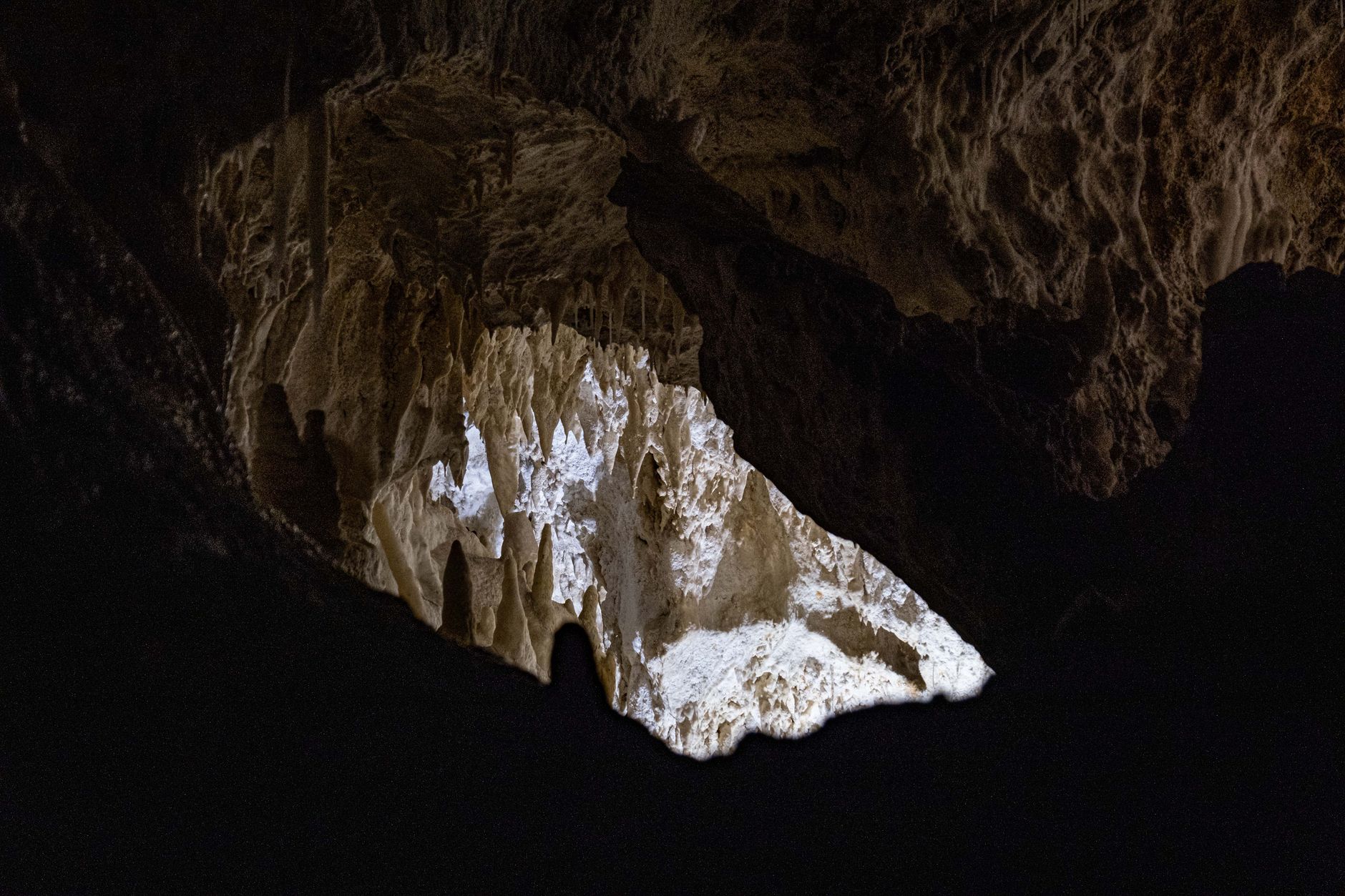
The true pleasure of Narlıkuyu, however, is not the ruins — it is the rhythm of the coast itself. The bay shelters a string of simple fish restaurants, often family-run, with tables set almost at the water's edge. The menu is short and honest: grilled sea bass or sea bream, fried red mullet, calamari, a plate of mezze, and a glass of rakı or cold beer.
Because the village is small and largely bypassed by package tourism, prices remain reasonable and the pace is unhurried. You can spend an entire afternoon over lunch, watching small fishing boats come and go, and no one will rush you.
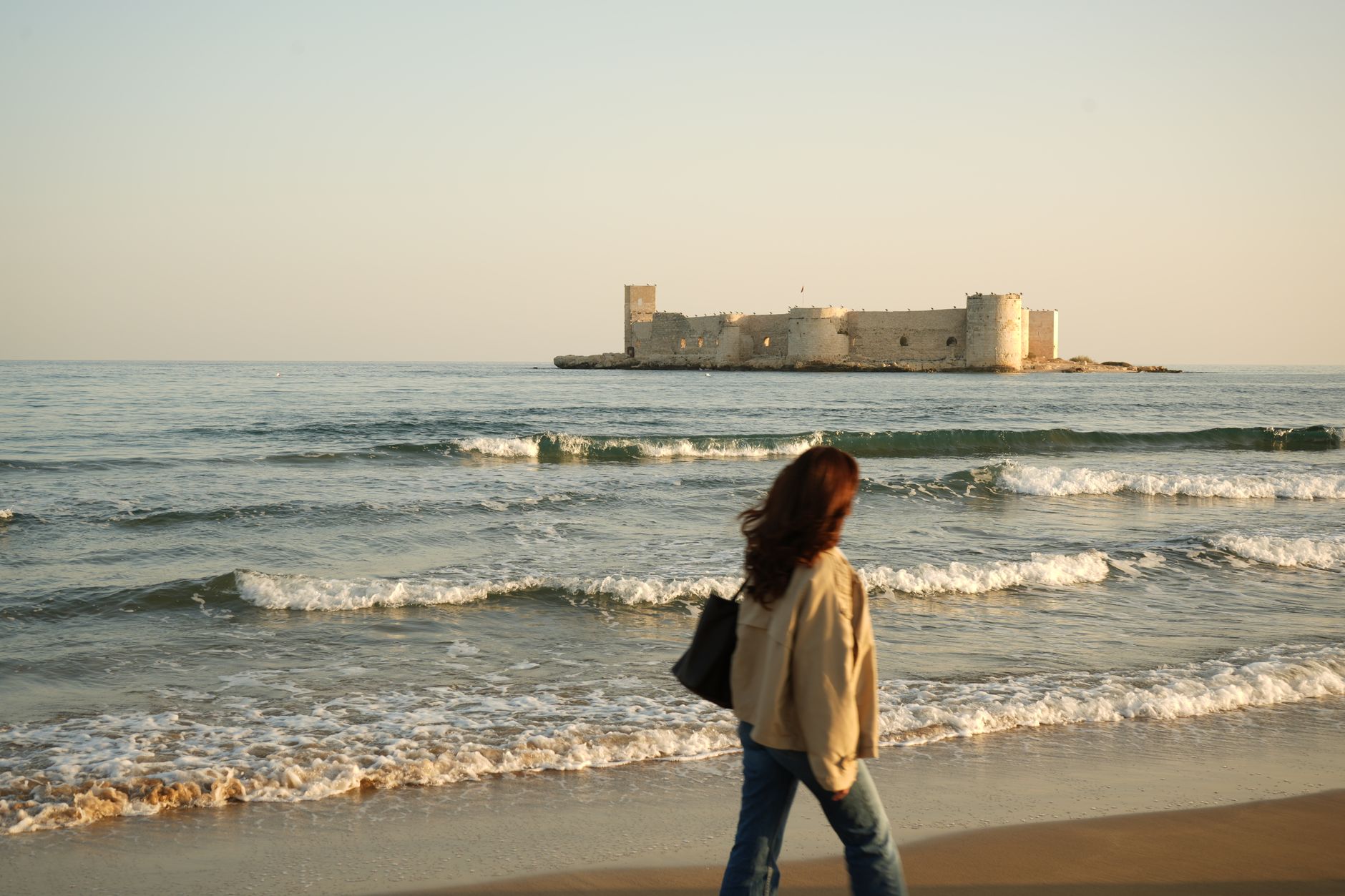
Further along the coast toward Kızkalesi and Taşucu you will find more of the same easy-going seafood culture, plus sandy beaches and the famous sea castle. But Narlıkuyu itself feels like the quietest chapter of the story.
Getting There: From Mersin or Silifke
The most practical base is either Mersin (about 65 km to the east) or Silifke (about 25 km to the west). From either town, Narlıkuyu is a straightforward drive along the D400 coastal highway; the turn-off is signposted.
If you are relying on public transport, dolmuşes (shared minibuses) run regularly along the coast between Mersin and Silifke and will stop at Narlıkuyu on request. From the village, you can either walk or take a short taxi ride inland to Cennet ve Cehennem — it is roughly 2–3 km uphill, and the walk is pleasant in the cooler hours but exposed at midday.
Having your own car makes the whole area far easier: you can combine Narlıkuyu with Kızkalesi, the Adamkayalar rock reliefs, and the Alahan Monastery as a single leisurely loop.
When to Go and How Long to Stay
The best months are April to June and September to October, when the sea is warm enough for swimming, the light is soft, and the heat is manageable for walking. July and August are hot and humid, with temperatures often above 35°C on the plateau; if you visit then, plan Cennet and Cehennem for early morning or late afternoon.
Winters are mild and quiet, with occasional rain — the coast is still walkable, but some restaurants close out of season and the dolmuş timetable thins out.
Most travellers treat Narlıkuyu as a half-day or full-day stop en route between Mersin and Silifke. If you want to swim, eat slowly, and visit both sinkholes without rushing, allow a full day; if you are exploring the wider Cilician coast, one or two nights in the area is ideal.
Why It Feels Different
Compared with the better-known stretches of the Turkish Riviera — Antalya, Kemer, Bodrum — this part of the Mediterranean feels gentler and less staged. There are no large resorts, few tour buses, and the attractions are small enough to feel personal.
That is precisely its charm. You come for the mosaic and the sinkholes, but you stay for the unhurried lunch and the sense that this corner of Cilicia has been quietly getting on with things for a very long time.
Top Highlights
Popular Activities
Thinking about a trip to Turkey?
Share your contact details and a vetted local expert will follow up with a plan built around you — free, no obligation.
