

The Ancient City of Perge and Antalya's Archaeological Heartland
Perge: The City That Rivaled Rome in Splendor
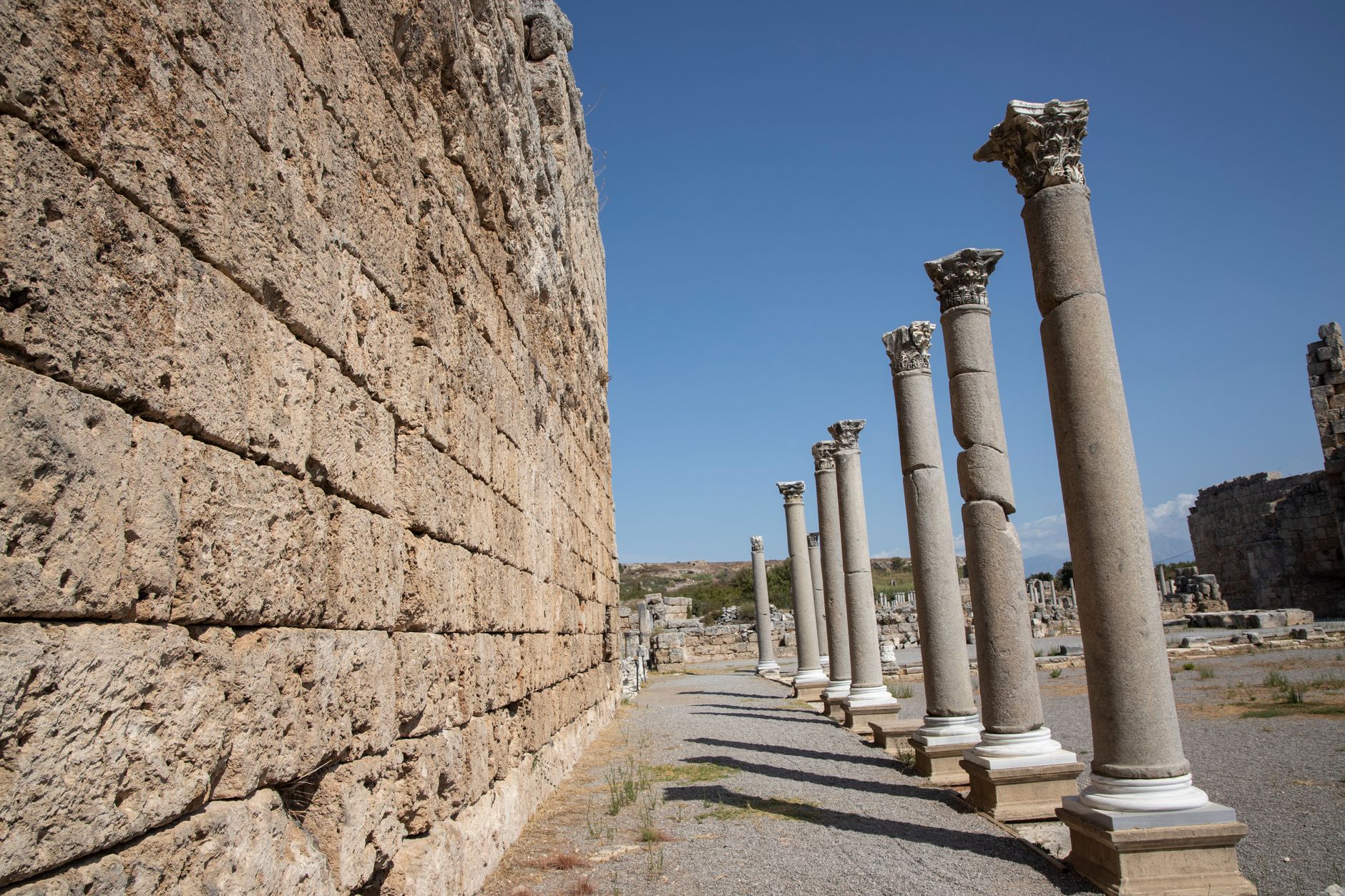
Perge was already ancient when the Romans arrived. Founded as a Pamphylian settlement, it prospered under Greek, then Roman, then Byzantine rule, and today its ruins offer one of the Mediterranean's best-preserved glimpses of classical urban life. Unlike Ephesus, Perge is rarely crowded, so you can wander its marble-paved colonnaded street almost alone, imagining the shops, fountains, and homes that once lined it.
According to legend, the city was founded by the seer Calchas and the heroes of Troy, and it was here that the goddess Artemis was honored with a grand sanctuary. Later, Saint Paul preached in Perge during his missionary journeys, adding a layer of early Christian history to the city's pagan past.
The site is large, but flat and walkable, with helpful interpretive signs in English and Turkish. Wear sturdy shoes and bring water and sun protection, as shade is scarce along the main avenues.
The Must-See Monuments of Perge
The colonnaded main street is the showstopper: a wide, marble-paved avenue once lined with shops and porticoes, with a central water channel that cooled the air and reflected the columns. At its southern end, the Hellenistic Gate, flanked by twin towers, leads into the lower city.
Climb the acropolis for sweeping views over the plains, then descend to the stadium, one of the best-preserved in Turkey. It could hold up to 12,000 spectators and was once used for chariot races and gladiatorial games. Nearby, the Roman baths complex reveals the sophisticated heating systems and social rituals of antiquity.
The theater, which seated around 15,000, is still undergoing restoration, but its cavea and stage building give a vivid sense of ancient performances. The nymphaeum, a monumental fountain dedicated to the emperor Septimius Severus, still hints at its original grandeur.
Antalya Museum: The Key That Unlocks Perge's Story
Visiting Perge without the Antalya Museum is like reading a book with half the pages missing. The museum's Perge Hall displays statues, reliefs, and artifacts excavated from the site, including the famous Dancing Woman and a colossal statue of the emperor Hadrian. These finds give faces and context to the ruins you just walked through.
Other halls cover the region's prehistory, the Lycian civilization, and the Byzantine era, with an impressive coin and jewelry collection. The museum is in the Konyaaltı district, easily reached by tram or taxi from the old town.
For the best experience, visit the museum first for context, then drive to Perge in the afternoon when the light is golden and the heat has eased. Or reverse the order and let the museum answer the questions the ruins will raise.
Beyond Perge: More Archaeological Treasures Nearby
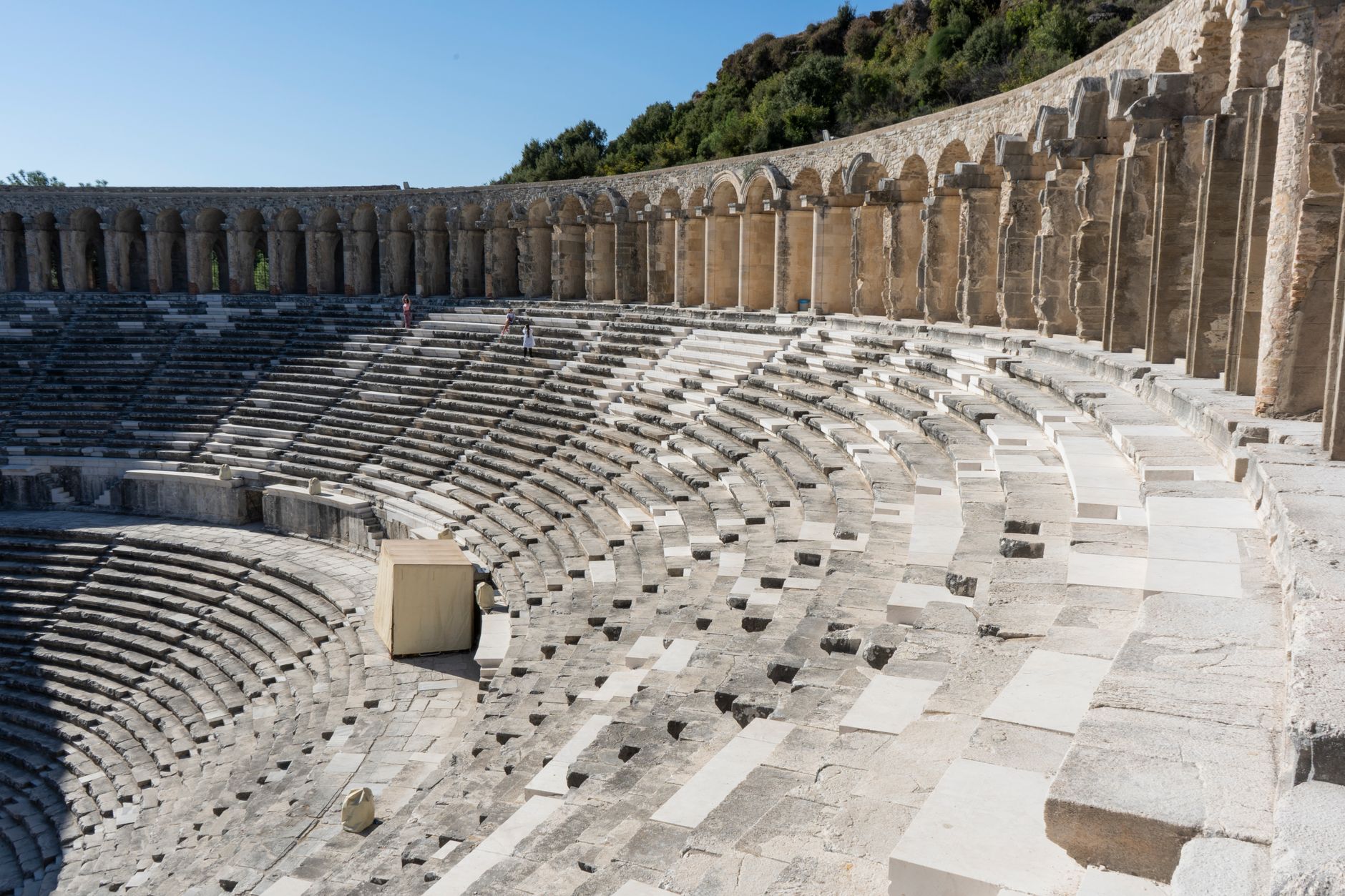
Antalya's archaeological heartland extends far beyond one city. Aspendos, about 50 kilometers east, boasts the best-preserved Roman theater in the world, still used for opera and concerts. Its aqueduct and stadium are equally impressive.
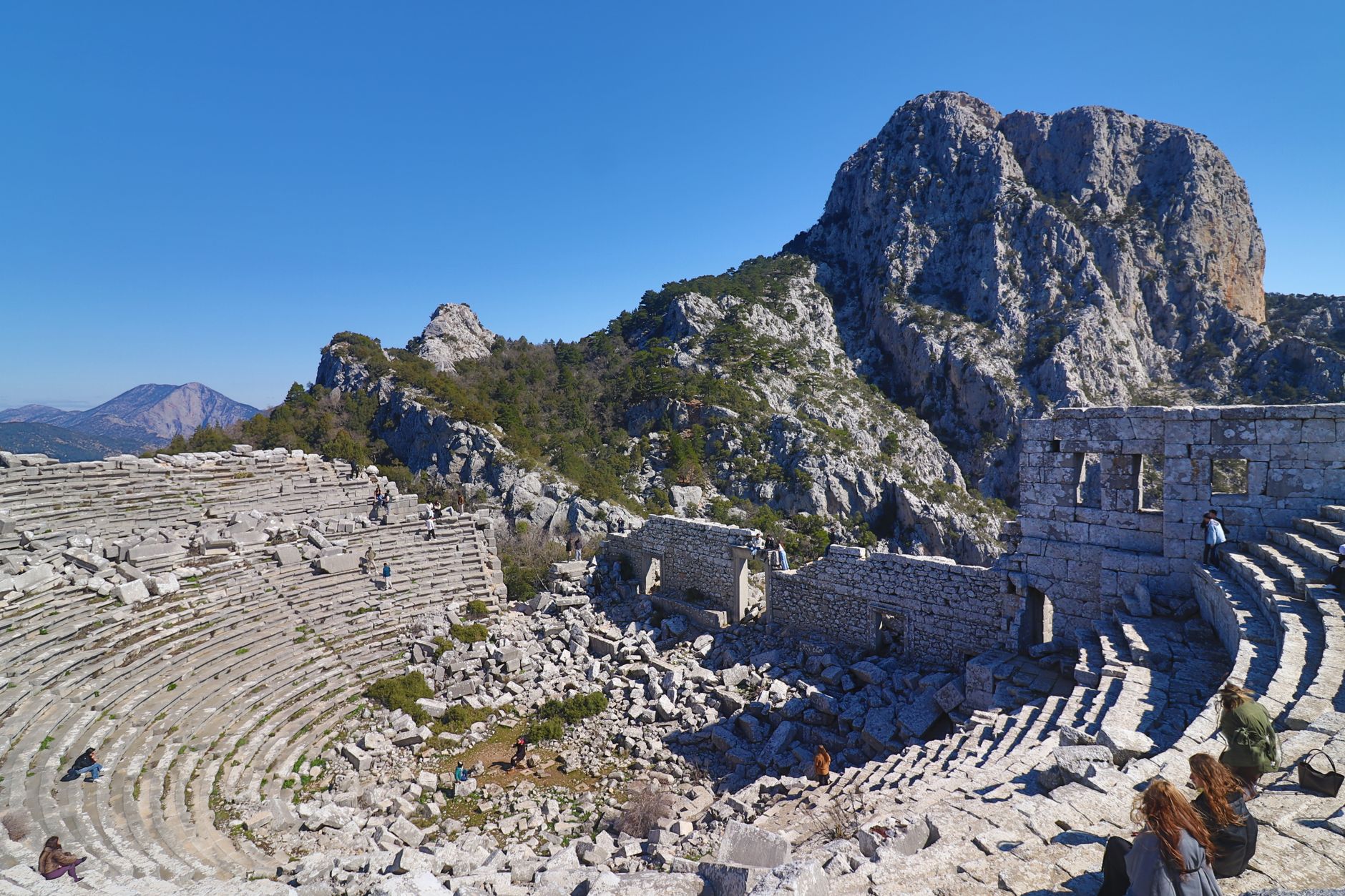
Termessos, perched high in the Taurus Mountains northwest of Antalya, is a dramatic, untamed site where tombs and temples cling to cliffs, and wild goats roam the ruins. Side, a coastal city with a stunning temple of Apollo right on the sea, and Phaselis, with its three harbors and pine-fringed beaches, are also within easy reach.
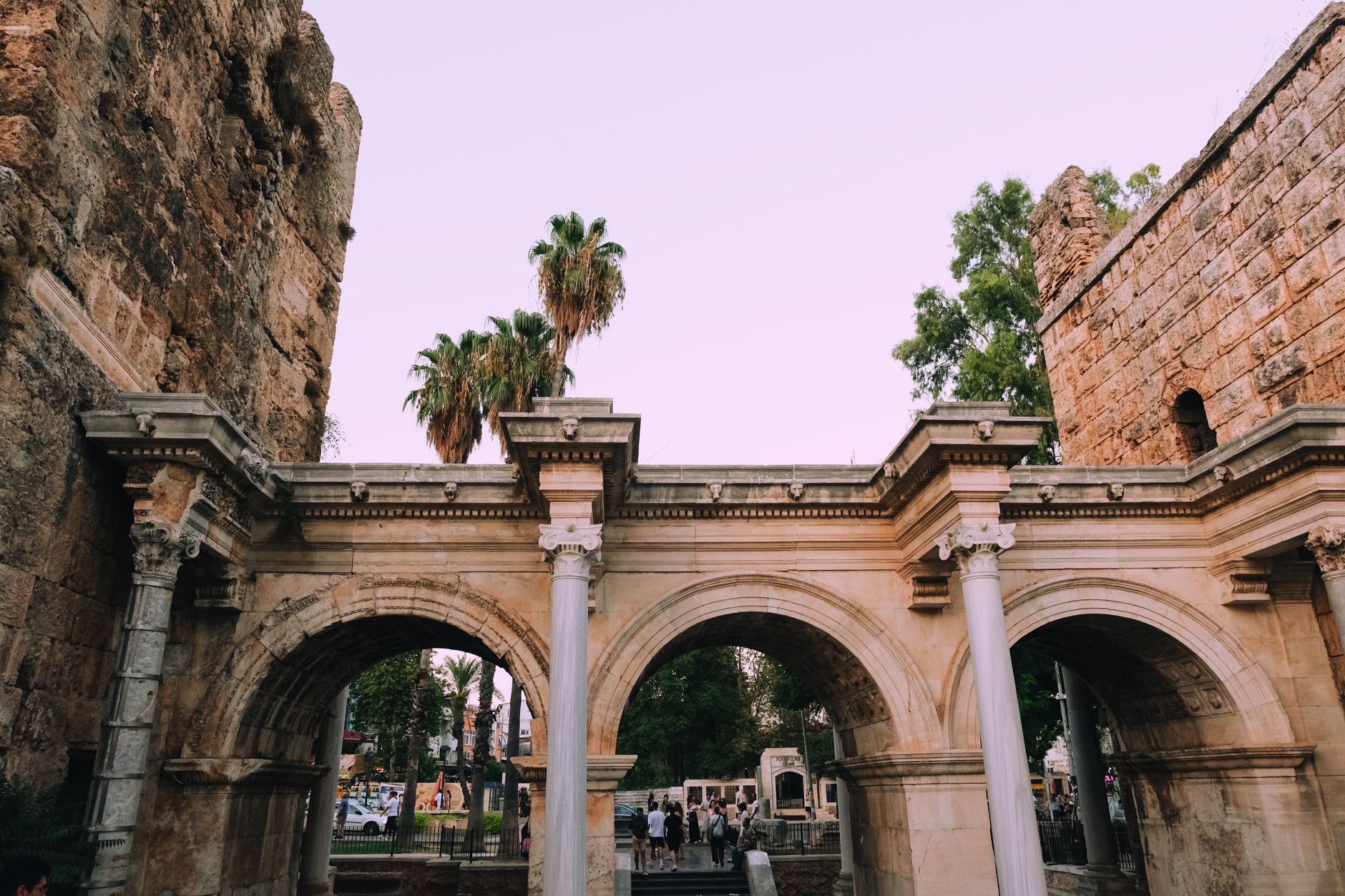
For a deeper dive, the Kaleiçi old town of Antalya hides Roman, Byzantine, and Ottoman layers, while the Antalya Archaeological Museum hosts temporary exhibitions that often spotlight new discoveries from these sites.
Bringing History to Life: Tips for an Unforgettable Visit
Hiring a licensed guide for Perge and the museum transforms a pile of stones into a vivid narrative. Many guides are storytellers who can recount the myths, politics, and daily life of the city in captivating detail. Audio guides are also available at both sites.
Allow at least two hours for Perge and two to three hours for the museum. If you are combining several sites, consider a private car or a guided day tour, as public transport between the more remote ruins can be time-consuming.
Remember that Perge is an active archaeological site; some areas may be fenced off for excavation. Respect all barriers and do not climb on fragile structures. Photography is allowed, but drones require special permission.
Practical Information: Getting There and When to Go
Perge is about 18 kilometers east of Antalya's city center, near the town of Aksu. You can reach it by taxi, rental car, or the AntRay tram to Aksu, followed by a short taxi ride. From the coastal resorts of Lara, Belek, and Konyaaltı, it's an easy 20- to 40-minute drive.
The best time to visit is spring (April–May) or autumn (September–October), when temperatures are mild and the light is soft. Summer can be scorching, so if you visit then, go early in the morning or late in the afternoon. Winter is cool and often rainy, but the sites are nearly empty.
Most sites are open daily from around 8:30 AM to 5:00 PM (longer in summer), and tickets are inexpensive. The Antalya Museum is closed on Mondays. Combine your visit with a stop at the nearby Kursunlu Waterfall or the sandy beaches of Lara for a perfect mix of history and relaxation.
Top Highlights
Popular Activities
Thinking about a trip to Turkey?
Share your contact details and a vetted local expert will follow up with a plan built around you — free, no obligation.
