

The Phrygian Valley: Türkiye's Open-Air Museum of Rock Monuments and Fairy Chimneys
Discover the Phrygian Valley: A Hidden Gem of Türkiye
Stretching across the provinces of Afyonkarahisar, Kütahya, and Eskişehir, the Phrygian Valley is a stunning landscape of volcanic tuff sculpted by wind and water into fairy chimneys, rock spires, and hidden valleys. This lesser-known region was once the heartland of the Phrygian Kingdom (8th–6th centuries BC) and later a refuge for early Christians.
Unlike the more famous Cappadocia, the Phrygian Valley remains largely undiscovered, offering a sense of solitude and adventure. Here, you can wander among ancient rock-cut tombs, climb to hilltop castles, and explore Byzantine-era churches—all at your own pace. The valley is also dotted with traditional villages where locals welcome visitors with warm hospitality.
Whether you're a history enthusiast, a geology lover, or simply seeking a peaceful hike off the beaten path, the Phrygian Valley delivers an unforgettable experience.
Rock-Cut Monuments and Ancient Wonders
The Phrygian Valley is home to some of Türkiye's most impressive rock-cut monuments. The most iconic is the Yazılıkaya (Midas Monument), a massive façade carved into a rock face, dedicated to the goddess Cybele. Nearby, you'll find the Kümbet and Arezastis rock altars, and the Aslantaş and Yılantaş monuments, each with intricate reliefs and inscriptions.
Perched atop a rocky outcrop, the Avdalaz Castle offers panoramic views of the valley. Other fortresses like Doğanlıkale and Pişmiş Kale reveal the region's strategic importance. Early Christian sites include the Ayazini rock churches and the Frig Vadisi churches, with frescoes dating back to the Byzantine period.
Many of these sites are unmarked, so a local guide can help you find hidden gems and share the stories behind them.
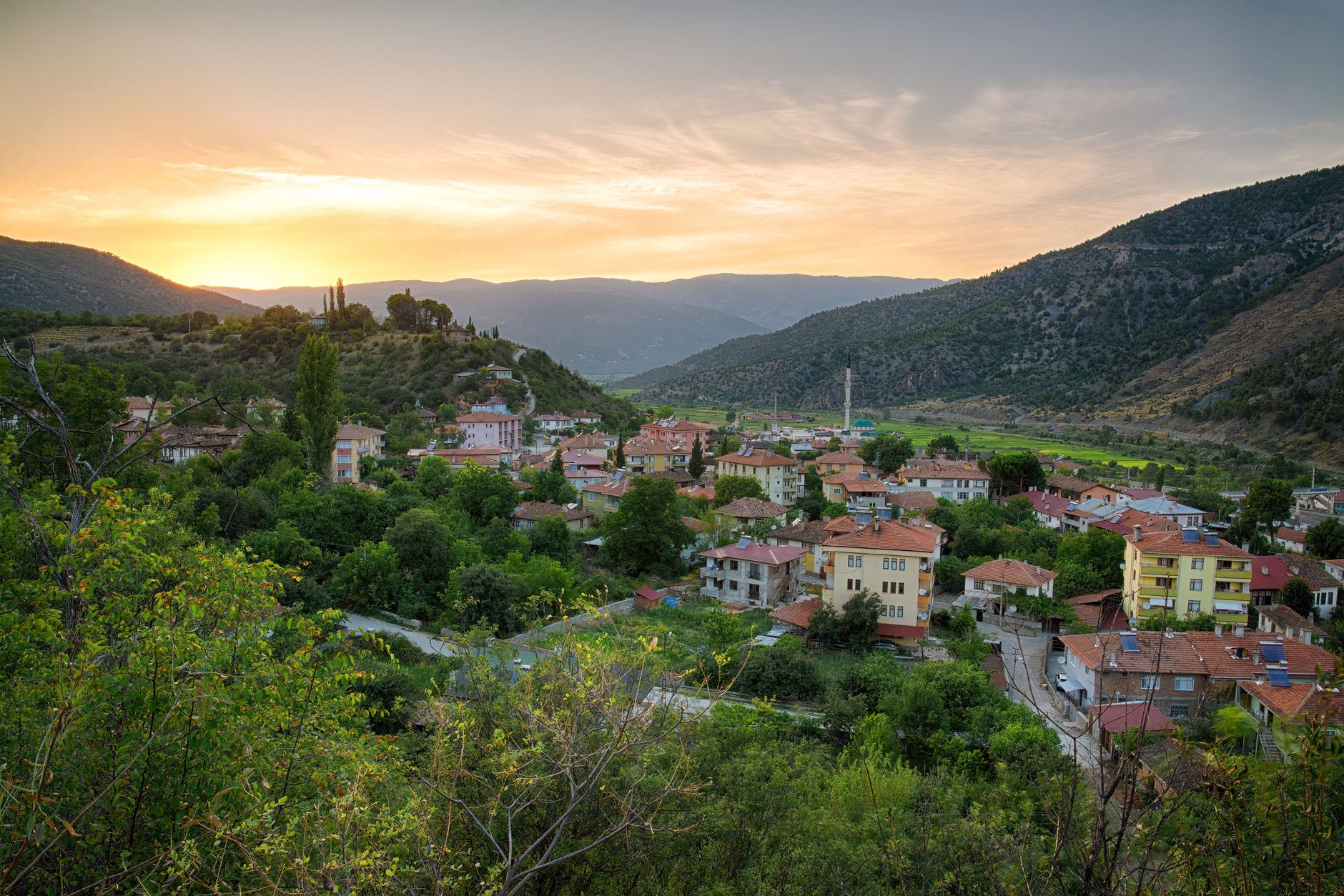
Hiking and Exploring at Your Own Pace
The Phrygian Valley is a hiker's paradise, with trails winding through fairy chimneys, past rock-cut dwellings, and over rolling hills. The freedom to explore independently is one of the valley's greatest draws—there are no crowds, no tickets, and no set routes.
Popular starting points include the villages of Ayazini, Bayat, and Kırkgöz. From there, you can follow dirt paths and sheep trails, discovering rock formations and ancient ruins as you go. The terrain varies from easy walks to moderate climbs, so wear sturdy shoes and carry water.
For those who prefer guidance, local guides can be arranged in Afyon or Eskişehir. They can lead you to lesser-known sites and provide context about the Phrygian civilization.
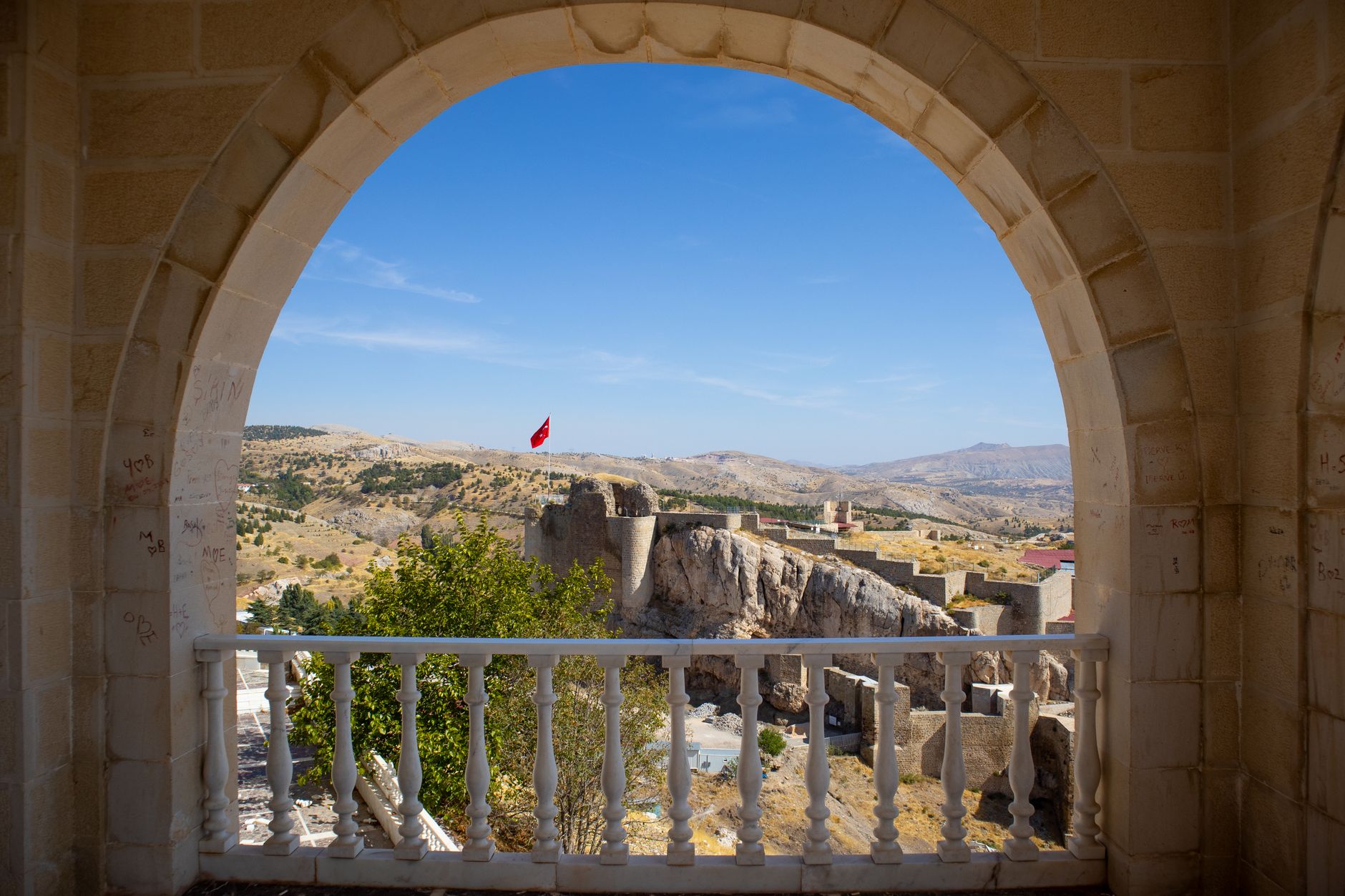
Warm Village Welcomes and Local Culture
The villages scattered throughout the Phrygian Valley offer a glimpse into rural Turkish life. In places like Ayazini, Göynüş, and Aslantaş, you can enjoy home-cooked meals, sip tea with locals, and even stay in family-run guesthouses.
The region is also known for its handicrafts, including weaving and pottery. Don't miss the chance to try local specialties like Afyon kaymak (clotted cream) and Eskişehir çibörek (a fried pastry filled with meat).
Respect local customs and always ask before photographing people. A few words of Turkish will go a long way in making connections.
When to Visit and What to Expect
The best seasons for hiking in the Phrygian Valley are spring (April–June) and autumn (September–November), when temperatures are mild and the landscape is lush or golden. Summers can be hot, with little shade, while winters are cold and sometimes snowy.
Spring brings wildflowers and flowing streams, while autumn offers crisp air and vibrant colors. Whatever the season, bring sun protection, a hat, and plenty of water.
Accommodation options range from basic guesthouses in villages to hotels in Afyon and Eskişehir. Public transport is limited, so renting a car or hiring a driver is recommended for flexibility.
Planning Your Trip: Routes and Practical Tips
A classic route starts in Afyon, visiting the Afyonkarahisar Castle and the nearby Phrygian sites of Ayazini and Aslantaş. From there, head to Kütahya to see the Yazılıkaya and Kümbet monuments, then continue to Eskişehir for the Yılantaş and Arezastis.
Distances are moderate, but roads can be winding. Allocate at least 2–3 days to explore the highlights, or a week for a deeper immersion.
For a more off-the-beaten-path experience, consider the lesser-known sites around Bayat and İhsaniye. Always carry a map or GPS, as signage is minimal.
Top Highlights
Popular Activities
Thinking about a trip to Turkey?
Share your contact details and a vetted local expert will follow up with a plan built around you — free, no obligation.
