
Türkiye's Ancient Pisidian Villages and Mountain Breakfasts Around Eğirdir
A Lake You Have Probably Never Heard Of
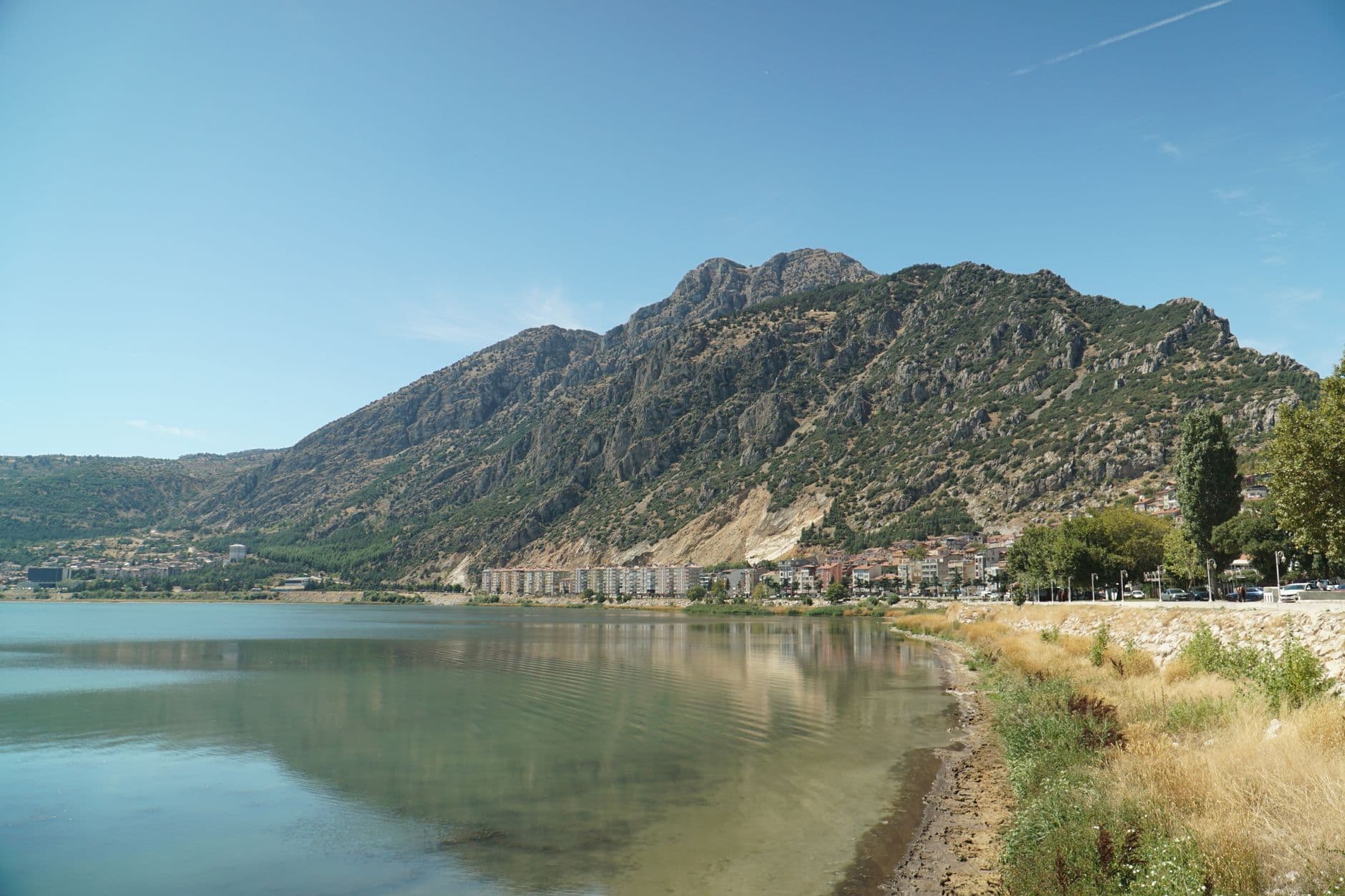
Lake Eğirdir is one of Türkiye’s largest freshwater lakes, set in the pine-covered foothills of the Taurus mountains in Isparta province. Most travellers who make it here are Turks on a weekend escape from Ankara or Antalya, which is exactly why it still feels unhurried. The water shifts from deep blue to green with the light, and small fishing boats work the shallows while herons drift over the reeds.
The lakeside town of Eğirdir itself is small and pleasant, with a pretty promenade and a handful of pensions, but the real magic lies in the villages scattered around the lake and into the hills behind. This is a landscape where rural life carries on largely as it always has, and where visitors are treated as guests rather than customers.
Set a couple of nights aside, come with an appetite, and you will find one of the most authentic and affordable corners of the Turkish interior.
Village Breakfasts in a Lake-View Garden
If there is one reason to stay around Lake Eğirdir, it is the breakfast. Local pensions and village guesthouses lay out a slow serpme kahvaltı that keeps you at the table for two hours: village bread and gözleme hot off the griddle, fresh white cheese and tulum, olives, honeycomb dripping with village honey, fresh butter and jams made from quince or rose.
The Isparta region is nationally famous for rose, apple and cherry orchards, and the tables show it — roses are pressed into jams, and fresh fruit arrives straight from the garden. Coffee is rarely the star; sweet tea in tulip glasses flows endlessly, and locals will happily refill it until you surrender.
Breakfast at a village guesthouse often costs a fraction of a comparable meal in Antalya or Istanbul, and the setting — a vine-shaded terrace with the lake down the hillside — makes you feel absurdly lucky. Ask your host about their own honey or cheese; many sell it beside the table.
“Our guests always say they planned to leave after breakfast, and then simply couldn’t.” — the remark of almost every guesthouse host on the lake

Village Life and Weekly Markets
The weekly market (pazar) is the social heart of any Turkish village, and around Eğirdir the pazar days are an event. Farmers pile pyramids of tomatoes, peppers, beans and apples; women sell homemade cheese, butter, sourdough, preserved fruit and hand-rolled yufka flatbreads. Buy a little of everything, and expect to be pressed into tasting more.
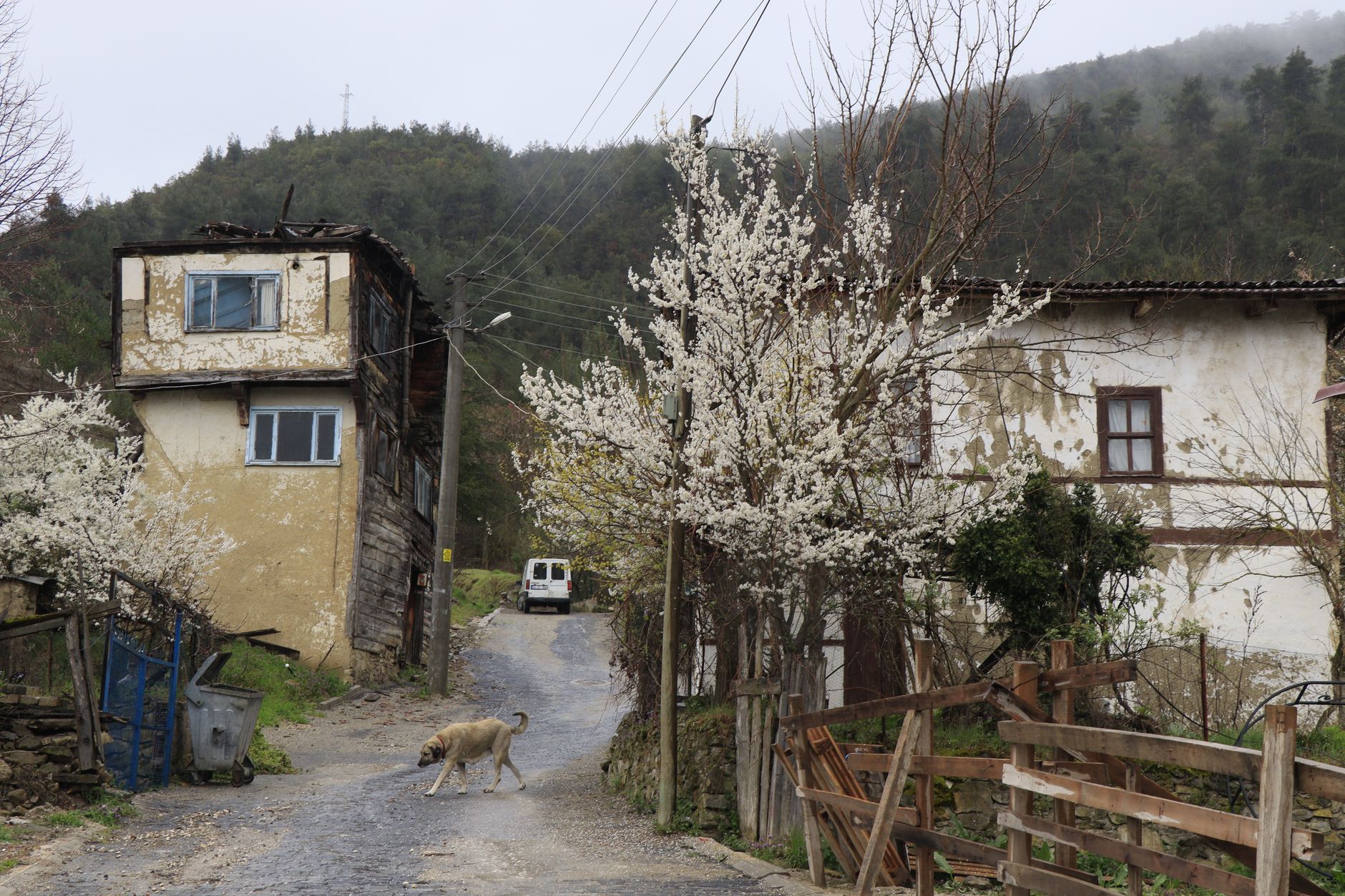
Villages around the lake — Barla, with its old wooden houses and lake frontage; Yılanlı, up in the pine hills; and the quieter hamlets along the eastern shore — each have their own rhythm and their own character. Walk slowly. Stopping for tea at a village kahve is not optional; it is the whole point.
Prices are gentle and hospitality is genuine. If an elderly woman offers you a handful of walnuts or a glass of tea, accept it — this is village kindness, not a sales tactic. Learn a few words of Turkish and the doors open even wider.
Short Hikes Through Pine Forests and Ancient Stones
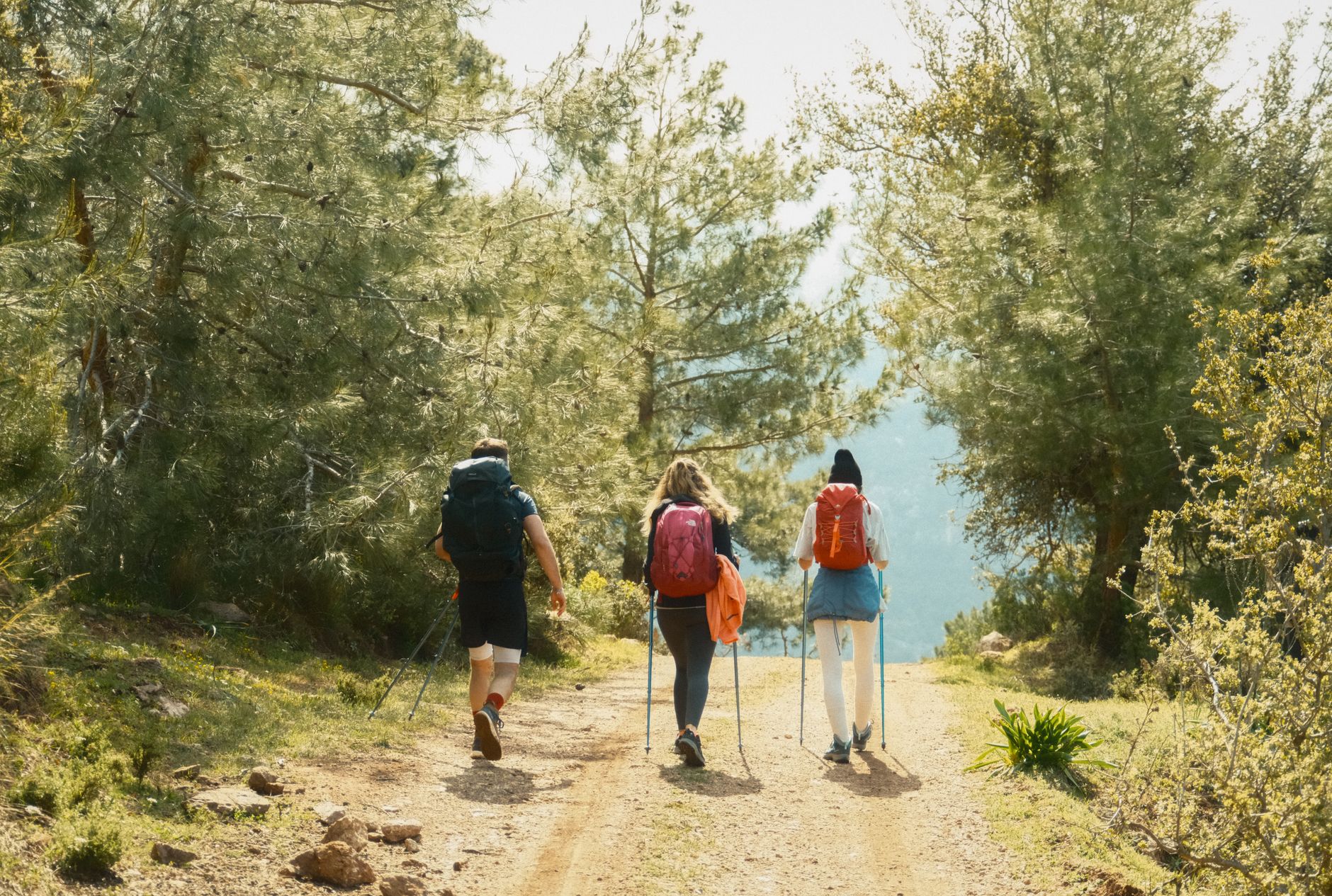
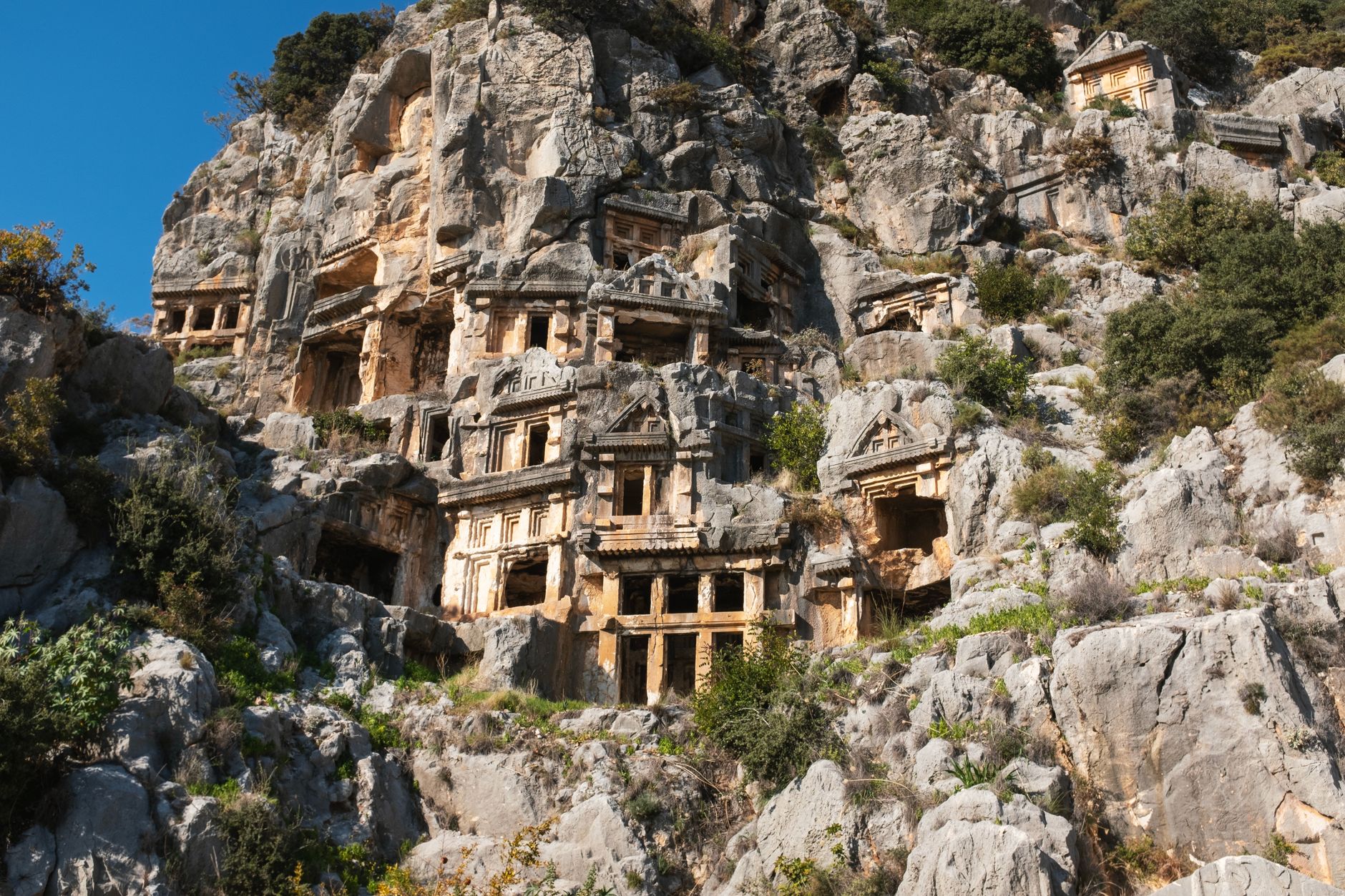
The hills behind the lake are covered in black pine, with footpaths threading between orchards, old springs and the ruins of Pisidian settlements. Pisidian culture was one of the ancient Anatolian civilisations that resisted conquest for centuries, and traces of it are scattered across these slopes: rock-cut tombs, rough-hewn blocks, fragments of towers and dry stone walls half-swallowed by pines.
Most walks are short, undemanding and rewarding. A one- to three-hour loop can take you from a lakeside village up through the forest to a viewpoint over the whole lake, down past a ruined chapel or a shepherds’ shelter, and back in time for lunch. Pide, gözleme or a simple menemen in a village café tastes heroic after a walk.
Bring water and sturdy shoes, but do not over-plan. There are no ticket booths and no crowds; just paths, birdsong and the occasional shepherd with his goats. The ruins are not fenced — treat them with respect and leave stones where they lie.
Getting There From Antalya or Isparta
From Antalya, the most comfortable route is by road: drive inland via Bucak and Isparta (roughly three hours) over the Taurus passes, with çay and forest views along the way. Buses run from Antalya to Isparta and on to Eğirdir; the journey takes from around four hours depending on connections, and local minibuses (dolmuş) link Eğirdir with the surrounding villages.
If you are flying, Isparta Süleyman Demirel Airport is closest, with onward road transfer to the lake. From Isparta itself, the drive to Eğirdir takes under an hour, and a hire car gives you the most freedom for exploring village to village — ask your guesthouse to recommend drivers if you would rather not drive.
Because public minibus timetables are irregular and change with the season, confirm times locally the day before. For broader planning around the region, see our Turkey travel guides and suggested routes.
When to Come
The best months for a mild, lakeside-and-forest trip are late April to early June and September to late October. In spring the hills are green and wildflowers are everywhere; fruit orchards are blossoming and temperatures are pleasant for walking. In early autumn the heat has gone, the light is clear, and the apple and rose harvest gives village markets their best tables.
Summer (July–August) is warmer and busier with Turkish holidaymakers, especially at weekends; mornings and evenings beside the lake remain lovely, and the pine forest stays cool. Winters are cold and quiet, with occasional snow on the hills — beautiful, but some guesthouses close and village cafés keep shorter hours.
Give the lake two to three nights, and pair it with Isparta and the rose fields, or with the Antalya coast at either end. See our best time to visit guide for seasonal detail across Türkiye.
Top Highlights
Popular Activities
Thinking about a trip to Turkey?
Share your contact details and a vetted local expert will follow up with a plan built around you — free, no obligation.
