

Sivas's Kangal Countryside and the Zara Plain: Thermal Waters, Horses and Steppe Hospitality
Welcome to the Sivas Steppe: Warmth in Every Direction
Far from the crowded coastlines, the countryside around Sivas opens into a vast, golden steppe where hospitality is a way of life. This is a land of thermal springs, slow-paced villages, and horizons that stretch for miles. The Kangal countryside and the Zara Plain are the heart of it, offering a rare glimpse of rural Anatolia that feels both timeless and deeply welcoming.
Here, locals still greet travelers with tea and conversation, and the rhythm of the day follows the sun and the seasons. Whether you are soaking in a mineral-rich pool or watching horses graze on the plain, the steppe has a way of slowing you down in the best possible way.
“The steppe is not empty; it is full of stories, warmth, and the quiet hum of life.”
Kangal: Famous Dogs and Soothing Hot Springs
The name Kangal is known worldwide thanks to the Kangal Shepherd Dog, a powerful and loyal breed that has guarded flocks on these plains for centuries. Visiting a local breeding farm or simply meeting these gentle giants in their natural environment is a highlight for many travelers. The dogs are a source of immense local pride, and their presence is a living link to the region's pastoral traditions.
But Kangal is not just about dogs. The town is also home to the Balıklı Thermal Resort, where warm, mineral-rich waters have been soothing visitors for generations. The spa facilities are simple but effective, and the surrounding gardens offer a peaceful place to relax after a long drive. It is a perfect spot to unwind and experience the therapeutic traditions of the steppe.
Beyond the resort, the Kangal hot springs dot the landscape, some developed and others wilder, where you can soak in natural pools while looking out over the plains. The contrast of warm water and cool steppe air is an experience not to be missed.
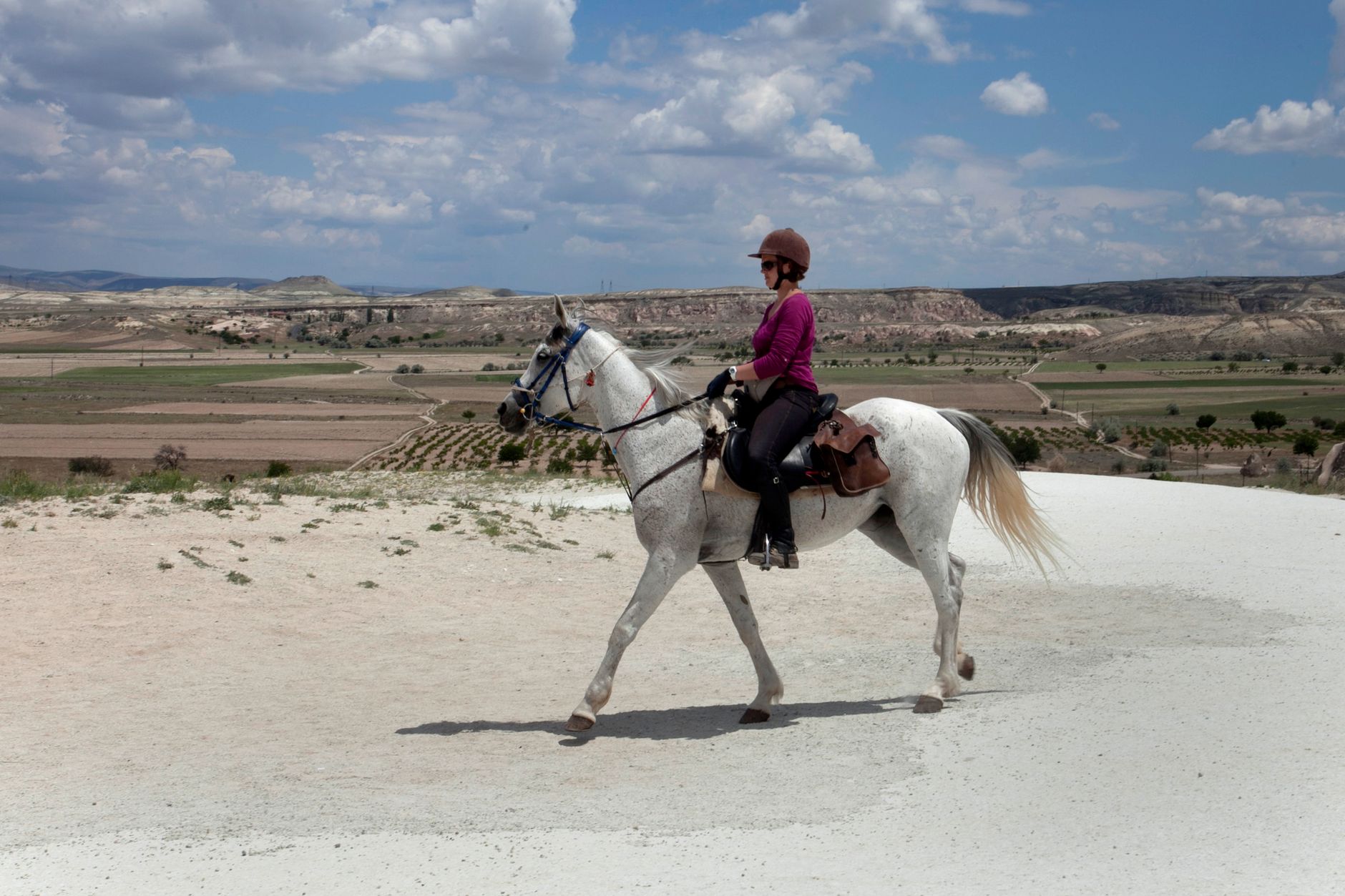
Zara and the Quiet Valleys of the Plain
Northeast of Sivas, the Zara Plain is a patchwork of fields, small villages, and meandering streams. It is an area that rewards slow travel: drive along back roads, stop for a glass of tea in a village café, and let the quiet beauty of the landscape sink in. The Zara Valley itself is particularly scenic, with gentle hills and poplar-lined rivers.
Horse riding is a wonderful way to explore the plain. Local guides offer rides through the fields and along the river, giving you a different perspective on this expansive terrain. Whether you are an experienced rider or a beginner, the steady pace of a horse matches the calm rhythm of the steppe.
For those interested in history, the area around Zara has several Seljuk monuments and old caravanserais that hint at the region's importance on ancient trade routes. These quiet stones tell stories of travelers who once crossed these lands, much like you are doing today.
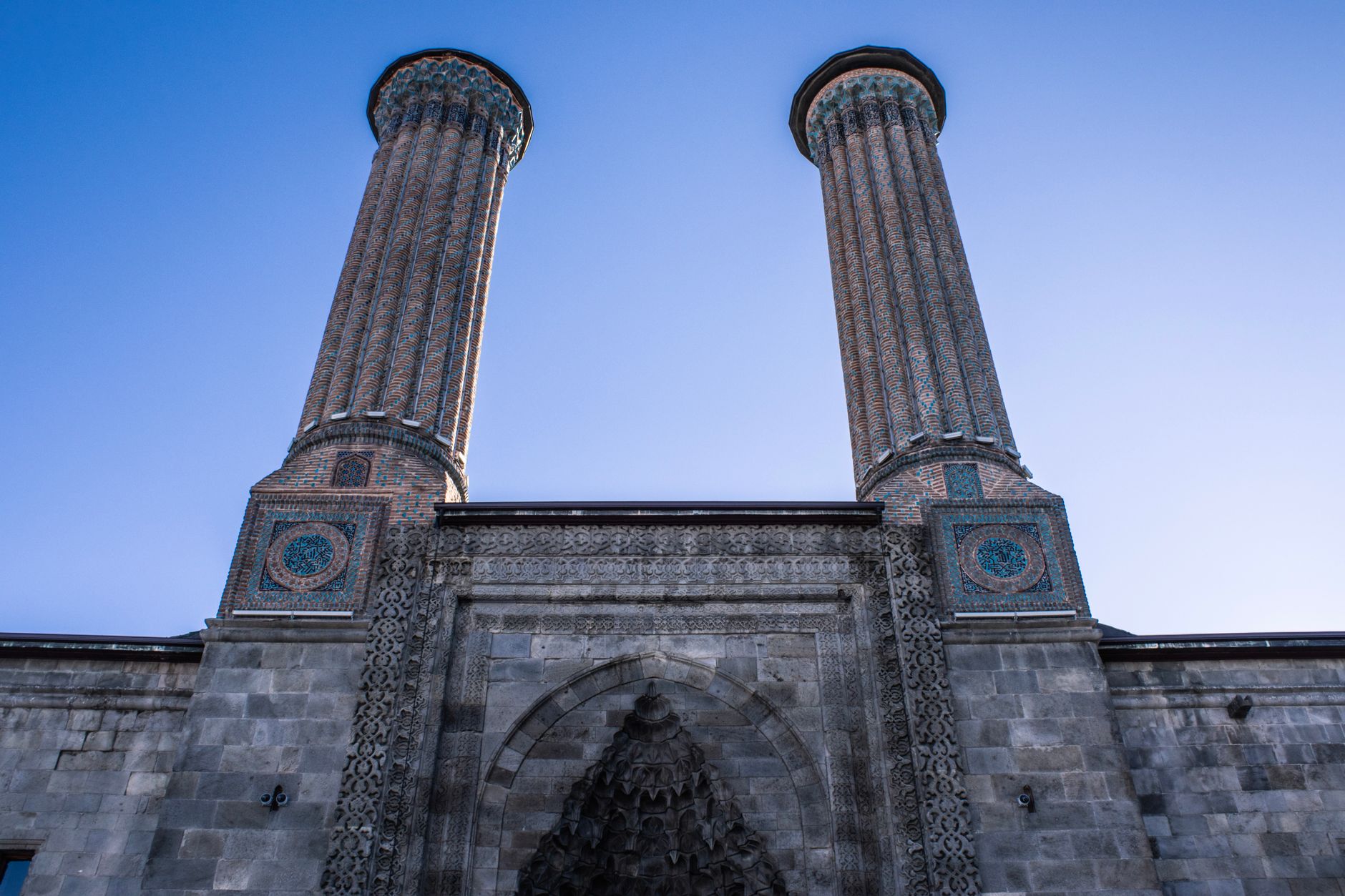
A Two-Day Road Trip: Seljuk Sivas and the Countryside
To truly experience the best of the region, we recommend a two-day road trip that combines the urban heritage of Sivas city with the rural charm of Kangal and Zara. Start your first day in Sivas city, where you can explore the Seljuk monuments such as the Gök Medrese, the Çifte Minareli Medrese, and the Buruciye Medrese. These stunning examples of Seljuk architecture set the stage for understanding the region's deep history.
After a morning of sightseeing, drive south to Kangal (about 1.5 hours). Spend the afternoon visiting a Kangal dog farm and then relax at the Balıklı Thermal Resort. Overnight in Kangal or head to the nearby hot springs for a sunset soak.
On day two, drive northeast to Zara (roughly 1.5 hours). Explore the Zara Valley on horseback or on foot, enjoy a leisurely lunch in a village, and visit any local Seljuk sites. Return to Sivas in the late afternoon, perhaps stopping at a scenic viewpoint to watch the sun set over the steppe.
This itinerary is flexible and can be adjusted to your interests. For more road trip ideas, see our routes page and itineraries section.
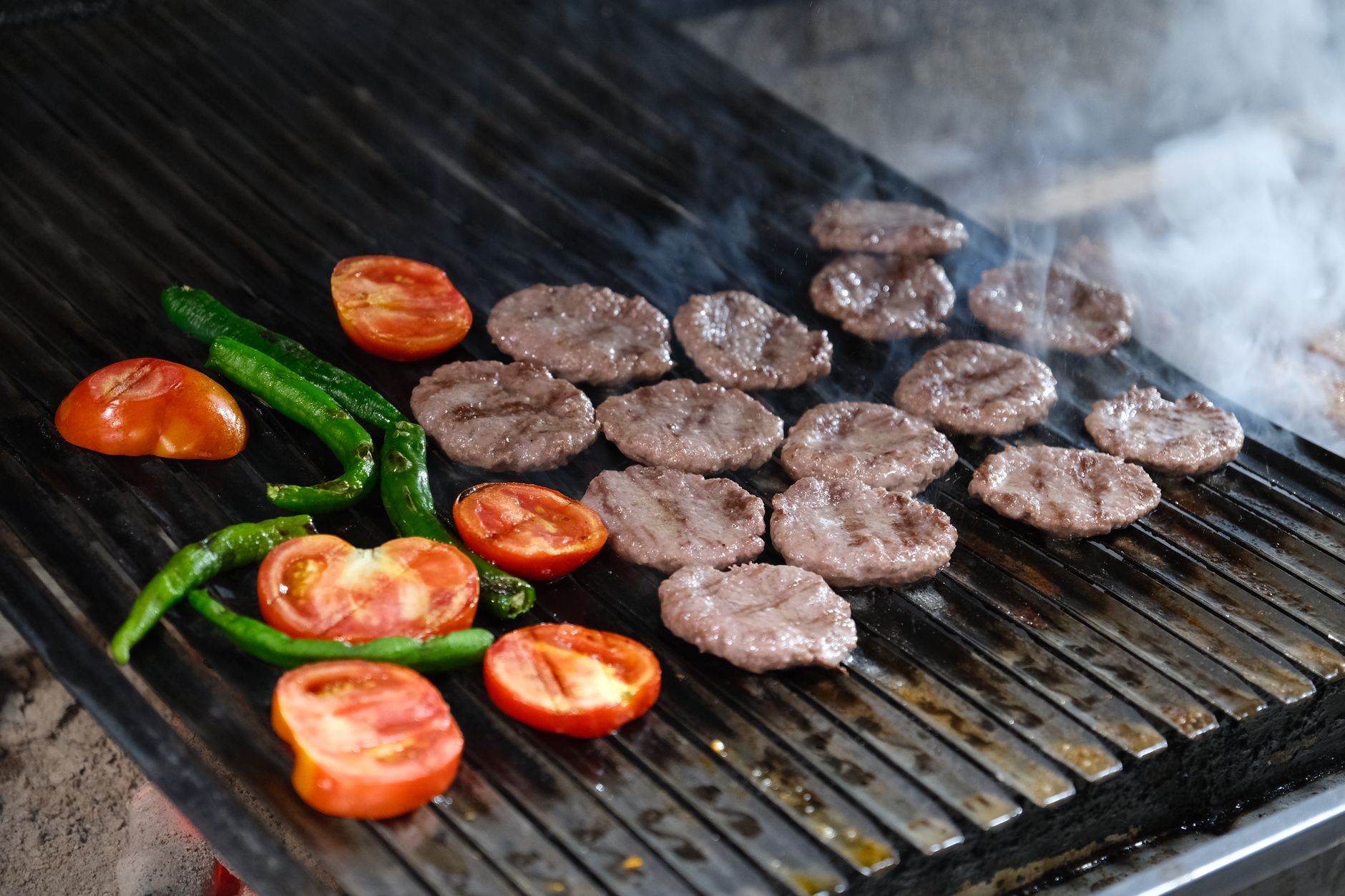
Local Flavor: Food, Crafts, and Warm Welcomes
The cuisine of the Sivas region is hearty and satisfying. Be sure to try Sivas köfte, a grilled meatball specialty, and madımak, a local herb dish. In the villages, you might be offered fresh bread, homemade cheese, and endless glasses of tea. The hospitality here is genuine and unpretentious.
Handwoven carpets and kilims from the region are also highly regarded. A visit to a local weaving workshop in Zara or Kangal can be a fascinating glimpse into a traditional craft that still thrives.
For more on Turkish food and culture, explore our guides page.
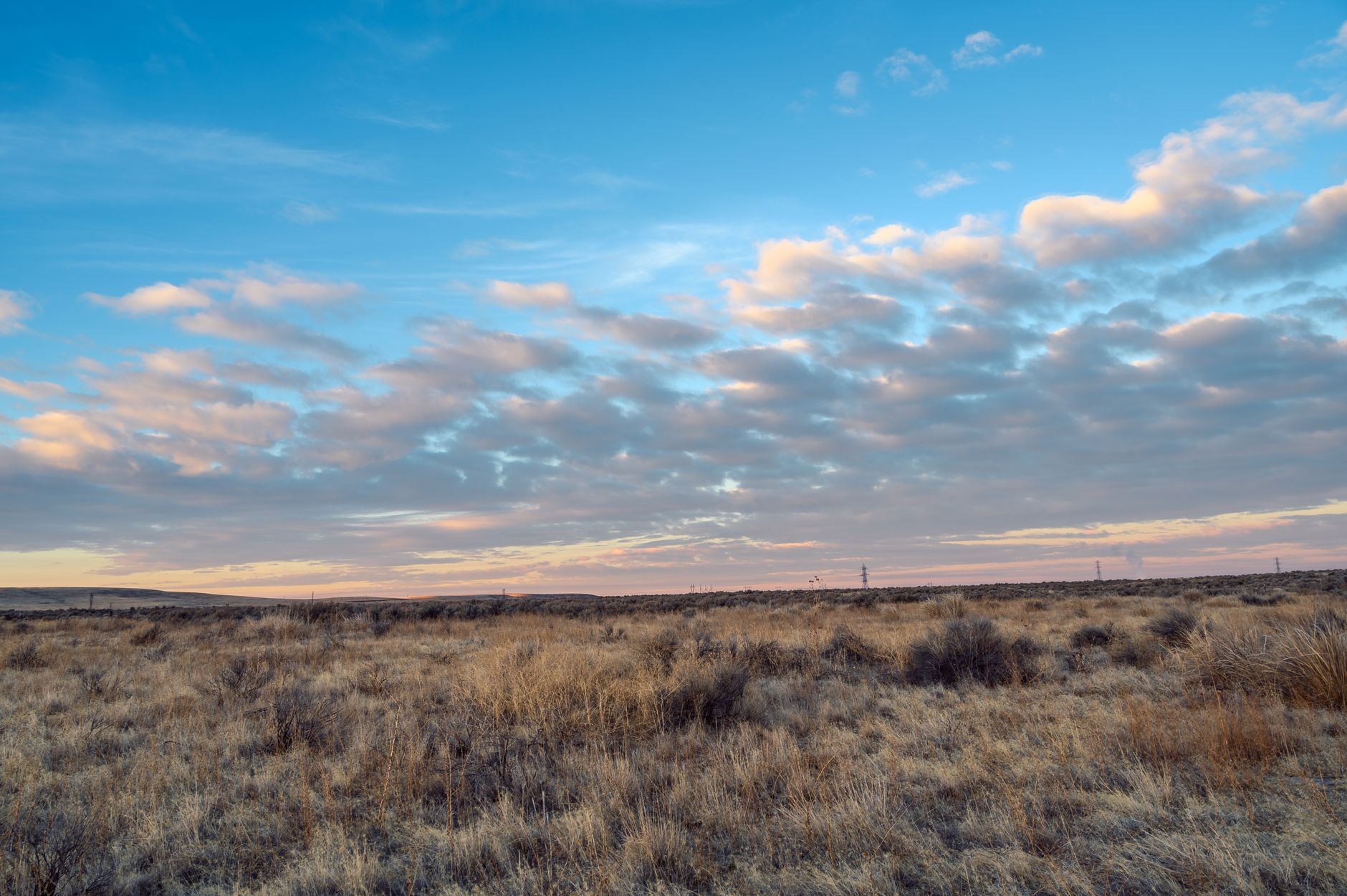
When to Go and How Long to Stay
The best time to visit the Sivas countryside is from May to September, when the weather is warm and the steppe is in full bloom. Spring brings wildflowers, while autumn offers golden light and cooler temperatures. Winters can be harsh, with snow covering the plains.
We recommend at least two days for this itinerary, though three days would allow for a more relaxed pace and the chance to explore more of the Seljuk heritage in Sivas city itself. If you have more time, consider extending your trip to other parts of Anatolia; our destinations page has plenty of inspiration.
For help planning your journey, try our trip planner or consult our local experts.
Top Highlights
Popular Activities
Thinking about a trip to Turkey?
Share your contact details and a vetted local expert will follow up with a plan built around you — free, no obligation.
