
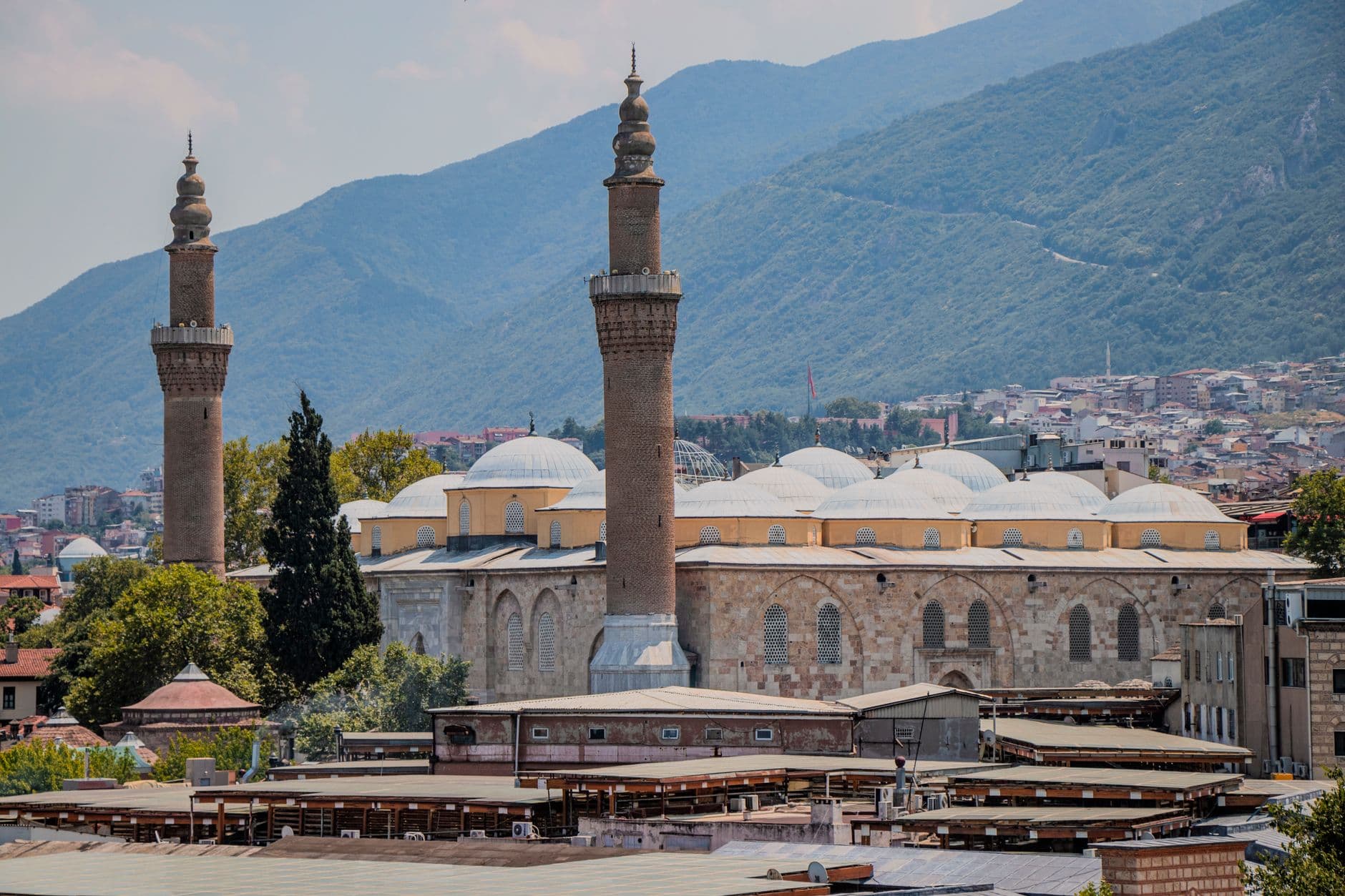
Sivrihisar
Why Stop in Sivrihisar?
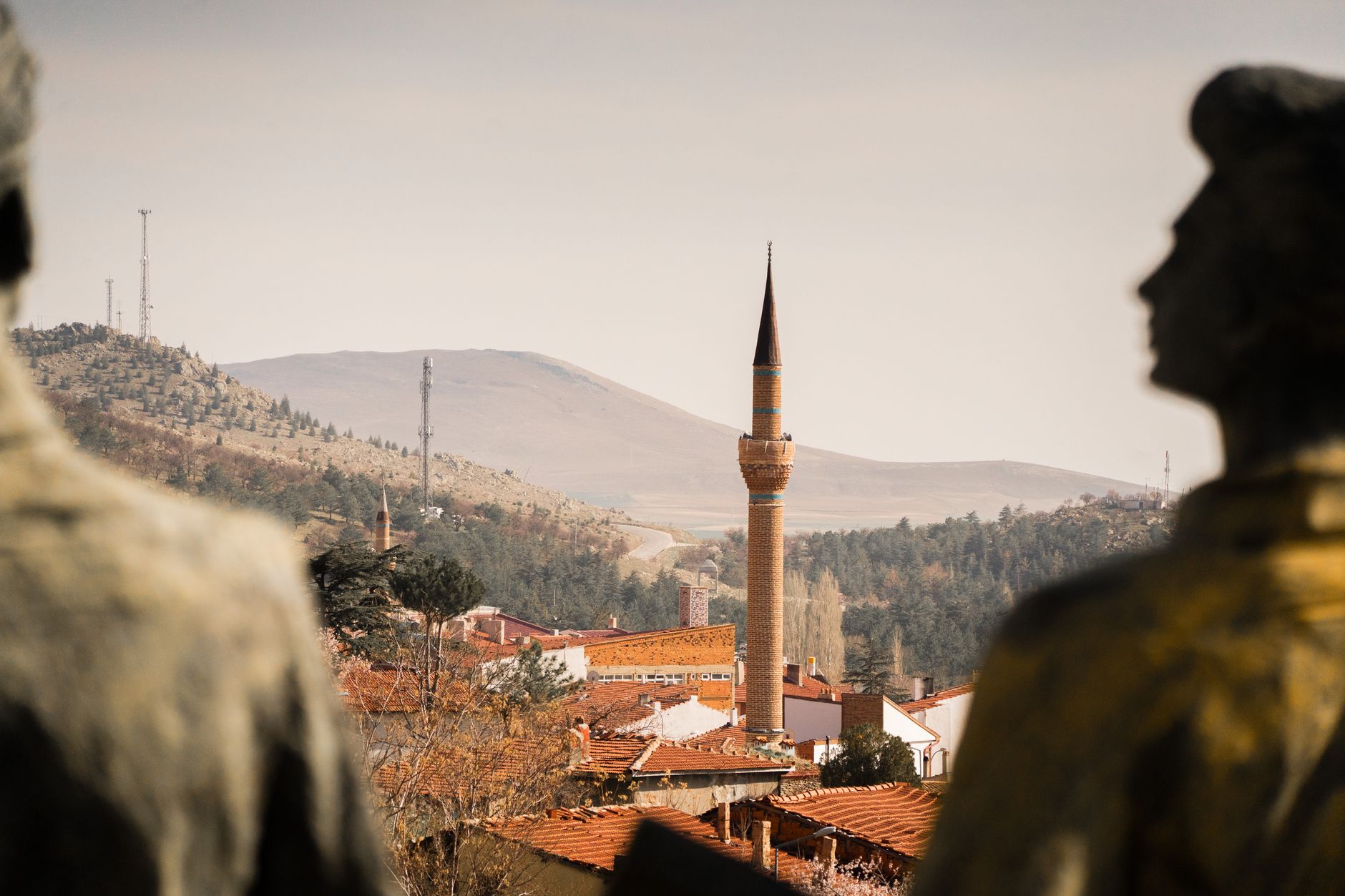
Sivrihisar sits right on the main highway linking Ankara and Eskişehir, which makes it one of the easiest and most rewarding detours on any central Anatolian journey. Most travelers simply pass the sign at speed, but those who turn off discover a town that feels like a step back into a gentler century. The pace here is unhurried, the welcome is genuine, and the heritage is quietly outstanding.
For a place so accessible, Sivrihisar has an astonishing amount to offer: a medieval mosque of national importance, winding bazaar streets lined with old houses, and a carpet-weaving tradition still practiced by local families. It is the kind of stop that turns a simple road transfer into a memorable encounter with authentic Turkish town life.
If you are planning a route through the region, this is exactly the sort of place our guides are designed to help you find — small, characterful towns that most itineraries overlook.
The Great Mosque: A Medieval Masterpiece
The town's crowning monument is the Ulu Cami, or Great Mosque, a magnificent wooden-columned building whose origins reach back to the medieval period. Its forest of carved wooden pillars, considered among the finest surviving examples of Anatolian Seljuk-era mosque architecture, gives the interior a warm, almost cathedral-like atmosphere.
Standing inside, you can trace centuries of craftsmanship in the carved capitals and the great wooden beams that hold up the roof. For lovers of history and architecture, this alone justifies the stop. It is a protected monument and a place of quiet, living worship, so visitors should dress respectfully and time their visits around prayer.
Few travelers realize that one of Anatolia's most important wooden mosques stands just minutes from one of Türkiye's busiest highways.
The town's broader historic fabric, including old tombs and civic buildings, makes a stroll between monuments as rewarding as the monuments themselves.
Old Bazaar Streets and Ottoman Town Life
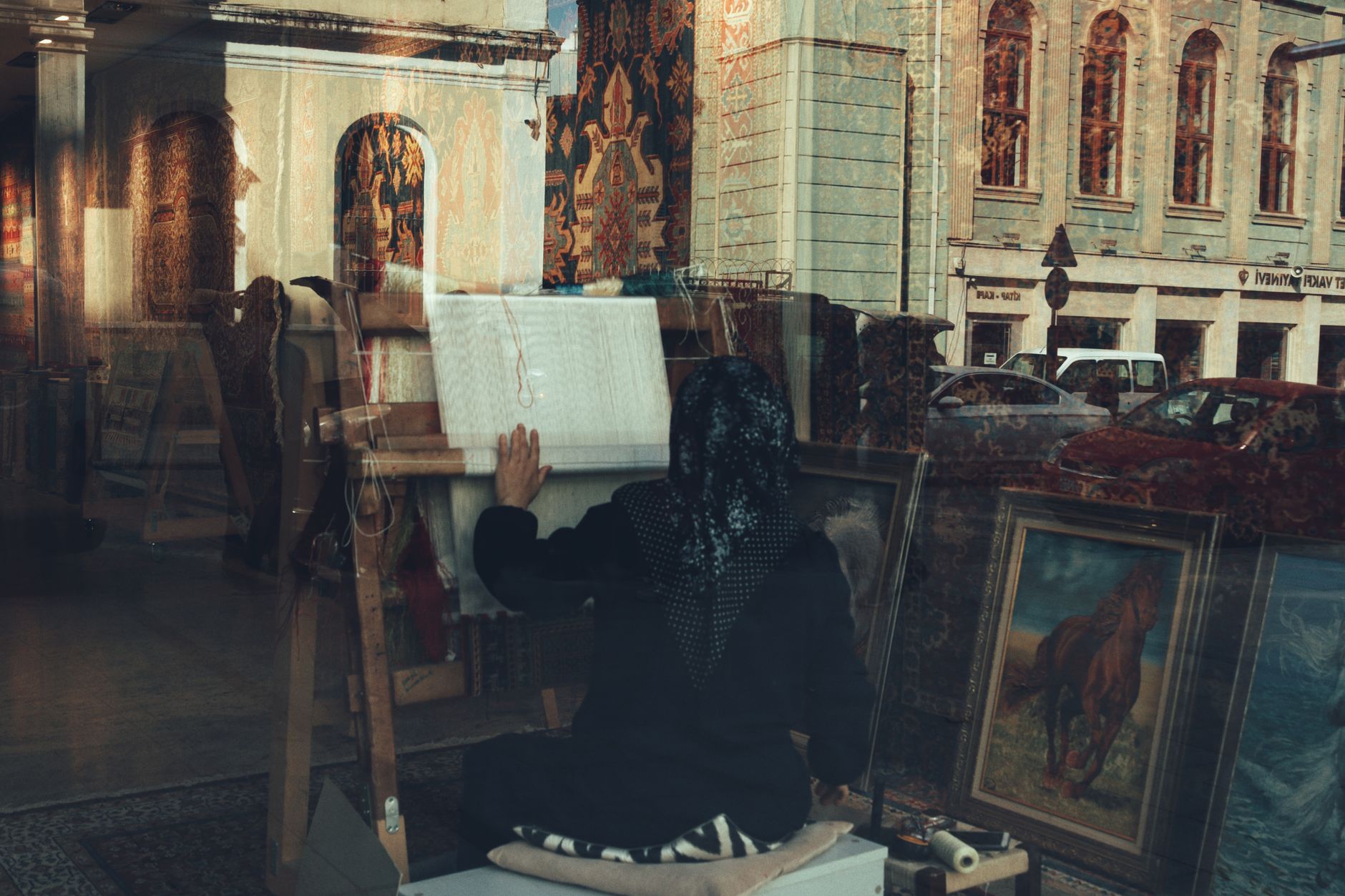
Beyond the mosque, Sivrihisar's old bazaar invites you to wander without a plan. Narrow streets are lined with traditional houses, shopfronts and stone buildings that preserve the atmosphere of an Ottoman market town. Craftspeople still work here in a way that feels unforced rather than staged.
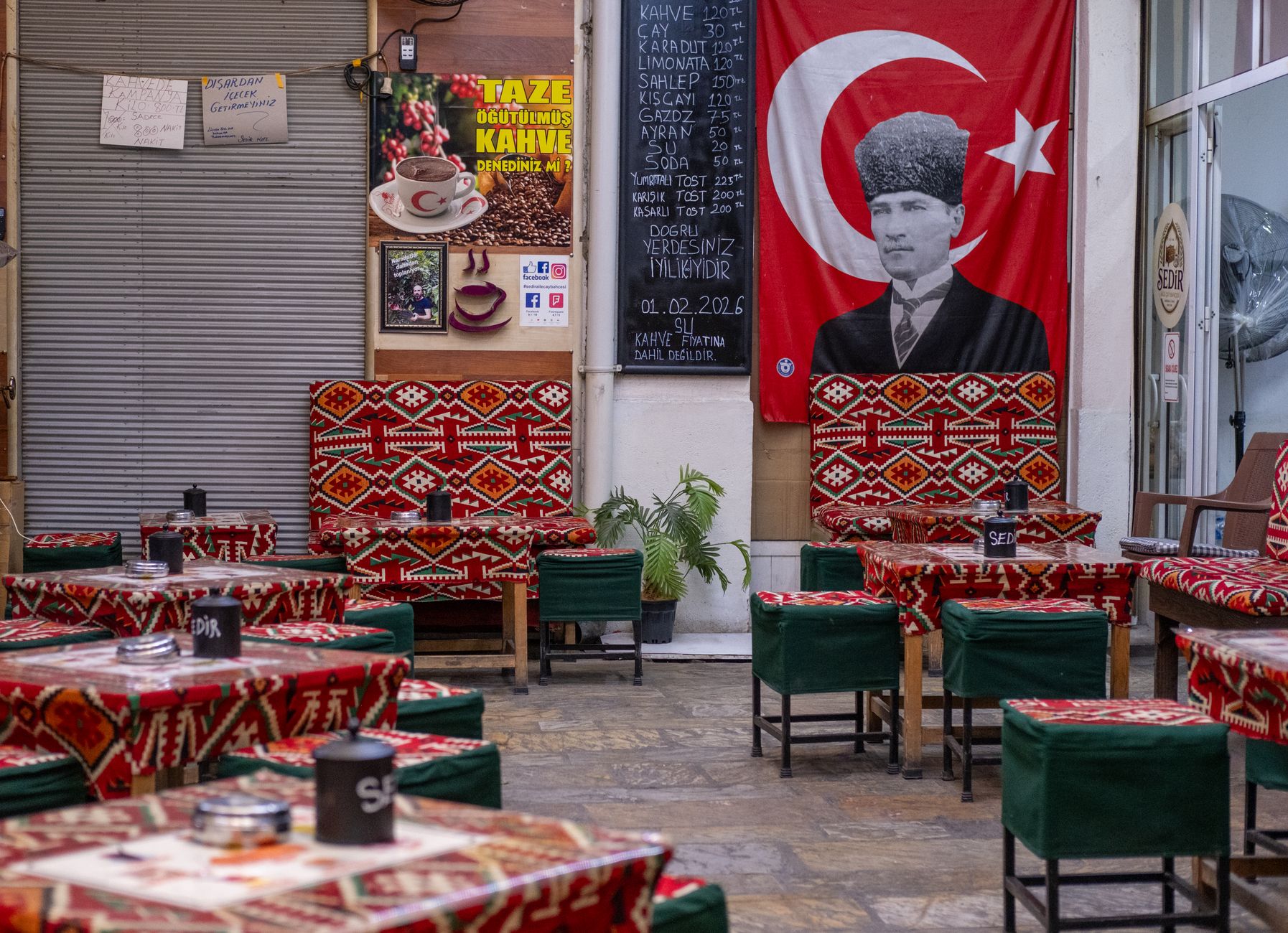
This is not a polished open-air museum. It is a living town where locals shop, greet one another and go about their day at a pleasant, unhurried rhythm. That authenticity is precisely what makes a few hours here so refreshing after the traffic of the highway.
Take time to chat with shopkeepers, sample local food, and simply sit with a tea and watch the town go by. For travelers seeking the slow side of Türkiye, stops like this are gold.
A Living Carpet-Weaving Heritage
Sivrihisar is known across Türkiye for its locally crafted carpets, and the tradition remains a source of real local pride. Women in the town and surrounding villages continue to weave by hand, passing skills from one generation to the next.
Visiting a weaving workshop or shop gives you a chance to see the craft up close, understand the patterns and the labor involved, and perhaps take home a genuine piece. Buying directly from the makers supports the community that keeps this heritage alive.
It is the kind of experience that connects you to a place far more deeply than a photograph ever could. If you enjoy cultural craft experiences, pair this with other stops on our destinations pages across the region.
An Easy, Rewarding Stop on the Road
Sivrihisar's greatest practical advantage is its location: it lies directly on the main highway between Ankara and Eskişehir, so it fits naturally into almost any itinerary crossing central Anatolia. Rather than a long detour, this is a stop that costs you only a few hours and gives back far more.
The distance from either city is short enough for a comfortable half-day visit, and the town's compact center means you can see the highlights on foot without rushing. That makes it ideal for travelers who want to break up a drive with something genuinely worthwhile.
To build this stop into a larger trip, explore our routes and itineraries for practical planning ideas.
When to Visit and How Long to Stay
Spring and autumn are the most pleasant seasons, with mild weather that makes walking the old streets a joy. Summer afternoons can be hot, so plan visits for the morning or late afternoon; winter is quiet but cold, with a certain charm.
Most travelers find that a few hours is enough to see the Great Mosque, wander the bazaar and explore a weaving workshop. Staying overnight, however, rewards you with an even more peaceful experience and a chance to see the town at its most relaxed pace.
Whenever you come, the town remains refreshingly free of crowds — and that is part of its appeal. Check our best-time guide and travel tools for help timing your visit.
Top Highlights
Popular Activities
Thinking about a trip to Turkey?
Share your contact details and a vetted local expert will follow up with a plan built around you — free, no obligation.
