

Tarsus
Welcome to Tarsus: A Crossroads of Civilizations
Tarsus, nestled in the fertile Cilician Plain of southern Turkey, is a city where layers of history unfold at every turn. As the birthplace of St. Paul the Apostle, it holds immense significance for Christian pilgrims, but its story stretches back thousands of years to the Hittites, Romans, and Ottomans. The city's strategic location near the Mediterranean coast made it a vital trading hub, and today it blends ancient ruins with modern vitality.
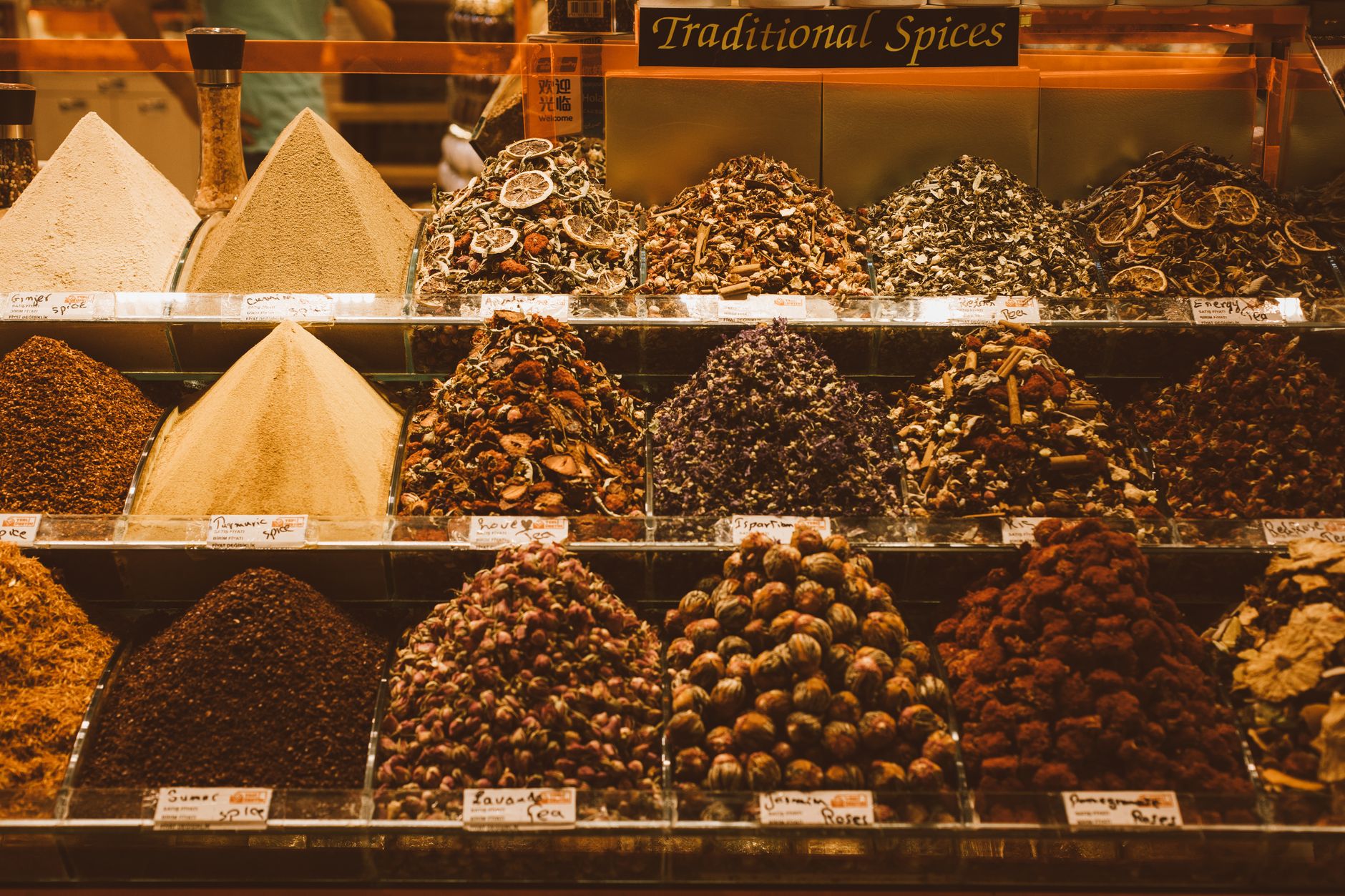
Strolling through Tarsus, you'll encounter Roman roads that once echoed with the footsteps of merchants and soldiers, the legendary Cleopatra's Gate where the Egyptian queen is said to have entered the city, and the sacred St. Paul's Well, a site of pilgrimage for centuries. Beyond its monuments, Tarsus pulsates with life in its bustling bazaars, where the aromas of spices and fresh produce fill the air, offering a sensory feast for visitors.
For families and history enthusiasts alike, Tarsus provides an accessible and enriching experience. Its compact center allows you to explore major sites on foot, while the surrounding Cilician Plain invites day trips to nearby attractions. The Mediterranean climate ensures mild winters and warm summers, perfect for leisurely exploration. Whether you're tracing the footsteps of saints or simply soaking in the local culture, Tarsus promises a memorable journey through time.
St. Paul's Legacy: Birthplace of an Apostle
Tarsus holds a special place in Christian history as the birthplace of Saul of Tarsus, who later became St. Paul the Apostle. The city's Jewish community during Roman times provided the backdrop for his early life, and though he left to persecute Christians, his dramatic conversion on the road to Damascus transformed him into one of Christianity's most influential figures. Today, pilgrims and curious travelers visit the believed site of his family home, marked by the historic St. Paul's Well.
The well, located in a courtyard near the old city, is a serene spot where visitors can reflect on the apostle's journey. According to tradition, this well supplied water to Paul's family, and its cool depths have been a source of inspiration for centuries. Nearby, the St. Paul Memorial Museum (a restored Ottoman house) displays artifacts and information about his life and travels. For those interested in early Christian history, Tarsus offers a tangible connection to the apostolic age.
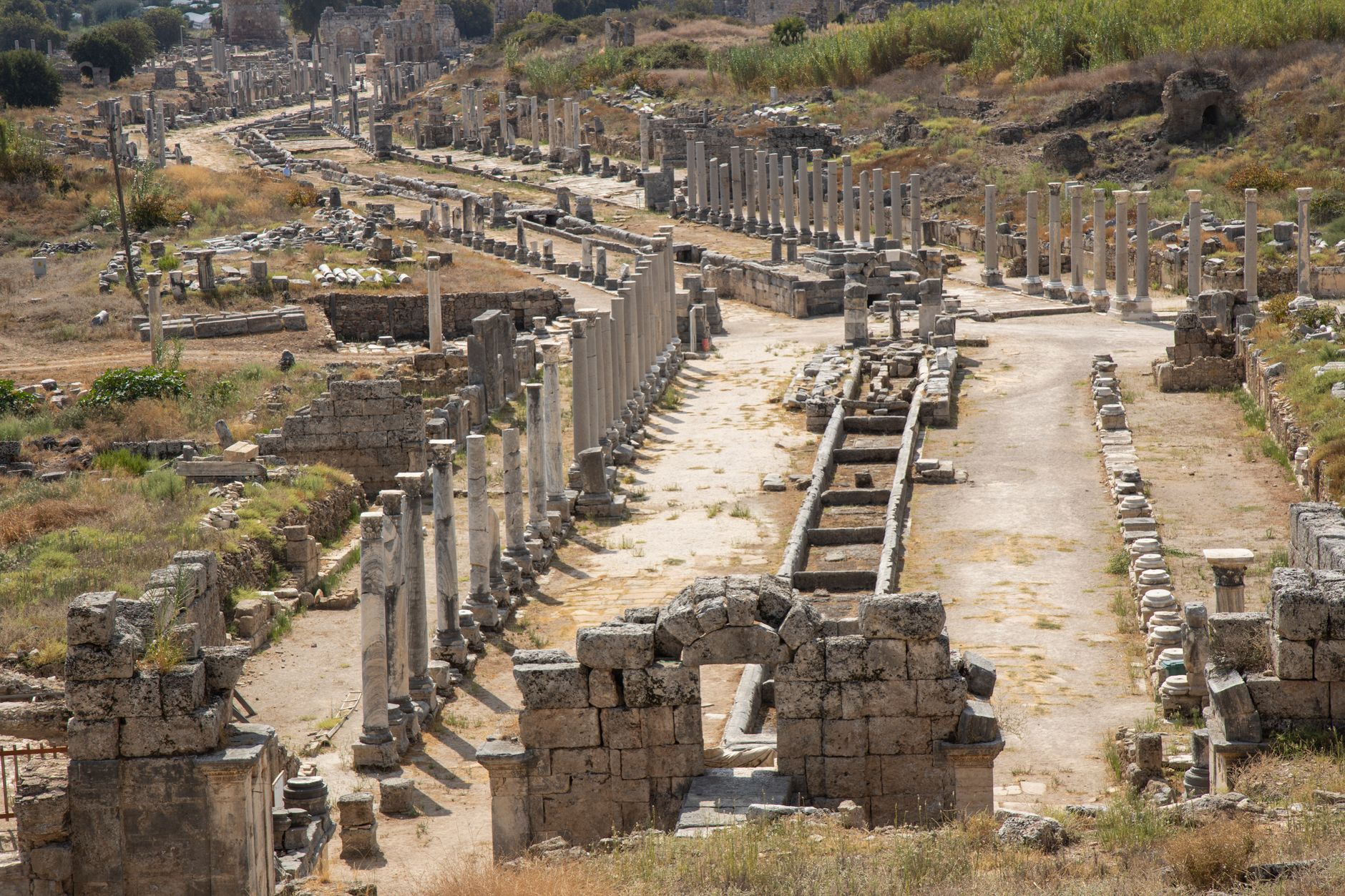
Beyond the well, the city's ancient street plan reveals a Roman city that Paul would have known. The remains of the Roman road, cardo maximus, still run through the modern streets, and you can walk along the same route that Paul might have taken. This blend of archaeology and faith makes Tarsus a unique destination where history and spirituality intersect.
Roman Roads and Cleopatra's Gate
Tarsus was a significant city in the Roman Empire, and its legacy is evident in the well-preserved Roman road that cuts through the city center. This ancient thoroughfare, paved with large stones, was once part of the trade route connecting the Cilician Gates to the Mediterranean. Walking on these stones, you can almost hear the clatter of chariots and the chatter of merchants from centuries past.
A short distance away stands Cleopatra's Gate, a monumental arch that commemorates the visit of Queen Cleopatra VII of Egypt in 41 BC. She allegedly entered Tarsus through this gate to meet Mark Antony, and their legendary romance unfolded in the city. The gate, also known as the Sea Gate, originally overlooked the now-silted harbor. Though partially restored, it retains an air of grandeur and offers a fantastic photo opportunity.
These Roman remnants are complemented by other ancient sites, such as the Roman bath complex and the remains of the ancient theater. Together, they paint a vivid picture of Tarsus as a thriving metropolis of antiquity. History buffs will delight in exploring these ruins, many of which are conveniently located within walking distance of each other.
Exploring the Lively Markets and Local Cuisine
Tarsus is not just about history; its vibrant markets offer a glimpse into daily life. The Grand Bazaar (Kapalı Çarşı) is a maze of shops selling textiles, spices, souvenirs, and local delicacies. As you wander through its alleys, the friendly calls of vendors and the scent of freshly ground coffee create an inviting atmosphere. Don't miss the chance to sample local specialties like tantuni (a spicy wrap), bici bici (a refreshing dessert), and şalgam (fermented turnip juice).
The city's cuisine reflects its location in the Cilician Plain, known for its fertile soil and abundant produce. Olive oil, fresh vegetables, and legumes feature prominently in dishes. For a true taste of Tarsus, head to a local restaurant and try kebap varieties, lahmacun, or the region's famous hummus. Seafood is also popular, thanks to the proximity to the Mediterranean.
Food lovers will enjoy exploring the street food scene, particularly around the Ulu Cami (Grand Mosque) area. From simit (sesame bagels) to grilled corn, the options are endless. Pair your meal with a glass of şalgam or a cup of Turkish tea for an authentic experience. The markets and eateries are family-friendly, with many options for children as well.
Climate and Best Time to Visit
Tarsus enjoys a typical Mediterranean climate, characterized by hot, dry summers and mild, wet winters. The pleasant weather makes it a year-round destination, though spring (April to June) and autumn (September to November) are particularly ideal for sightseeing. During these months, temperatures range from 20°C to 30°C (68°F to 86°F), perfect for walking and exploring outdoor sites.
Summer can be quite hot, with temperatures often exceeding 35°C (95°F), so if you visit then, plan activities for early morning or late afternoon and stay hydrated. The city's proximity to the coast means you can also escape to nearby beaches for a refreshing break. Winter is mild, with occasional rain, making it a good time for indoor attractions and fewer crowds.
No matter when you visit, Tarsus offers a warm welcome and plenty of sunshine. Pack light clothing for summer and a light jacket for winter evenings. The city's flat terrain and shaded areas make it accessible for visitors of all ages.
Nearby Attractions: Adana, Mersin, and Beyond
Tarsus's convenient location in the Cilician Plain makes it an excellent base for exploring the region. To the east, the bustling city of Adana offers its own attractions, including the Sabancı Central Mosque, the Stone Bridge, and a vibrant culinary scene. Just a short drive away, you can enjoy Adana's famous kebabs and explore its museums and parks.
To the west, the coastal city of Mersin provides a contrast with its modern harbor, beaches, and seafood restaurants. The drive from Tarsus to Mersin takes about 30 minutes, making it easy to spend a day by the sea. Further afield, you can visit the ancient city of Soli Pompeiopolis, the Maiden's Castle (Kızkalesi), and the stunning Cilician Gates, a mountain pass that has been a strategic route for millennia.
For families, a day trip to the nearby Karatepe-Aslantaş National Park offers both history and nature, with Hittite ruins and picnic areas. Whether you're interested in archaeology, cuisine, or simply relaxing, Tarsus's location ensures you're never far from the next adventure.
Practical Information for Visitors
Getting to Tarsus is easy: it's well-connected by road and rail, with frequent buses and trains from Adana and Mersin. The nearest airport is Adana Şakirpaşa Airport (ADA), about 45 km away, with domestic and international flights. From there, you can take a taxi, bus, or rental car to Tarsus. Within the city, most historical sites are within walking distance, but you can also use local minibuses (dolmuş) or taxis.
Accommodation ranges from budget guesthouses to mid-range hotels, many located near the city center. For a more luxurious stay, consider the nearby cities of Adana or Mersin. When visiting religious sites, dress modestly and be respectful. The St. Paul's Well and Cleopatra's Gate are open daily, and entrance fees are minimal or free.
To make the most of your visit, allocate at least one full day to explore Tarsus's main attractions, but two days allow for a more relaxed pace and a chance to delve into the local culture. Don't forget to try the local cuisine and interact with the friendly locals, who are proud of their city's heritage.
Top Highlights
Popular Activities
Thinking about a trip to Turkey?
Share your contact details and a vetted local expert will follow up with a plan built around you — free, no obligation.
