

The Tefenni and Karamanlı Plateau: Burdur's Lakeside Farm Country
A Highland Detour Worth Taking
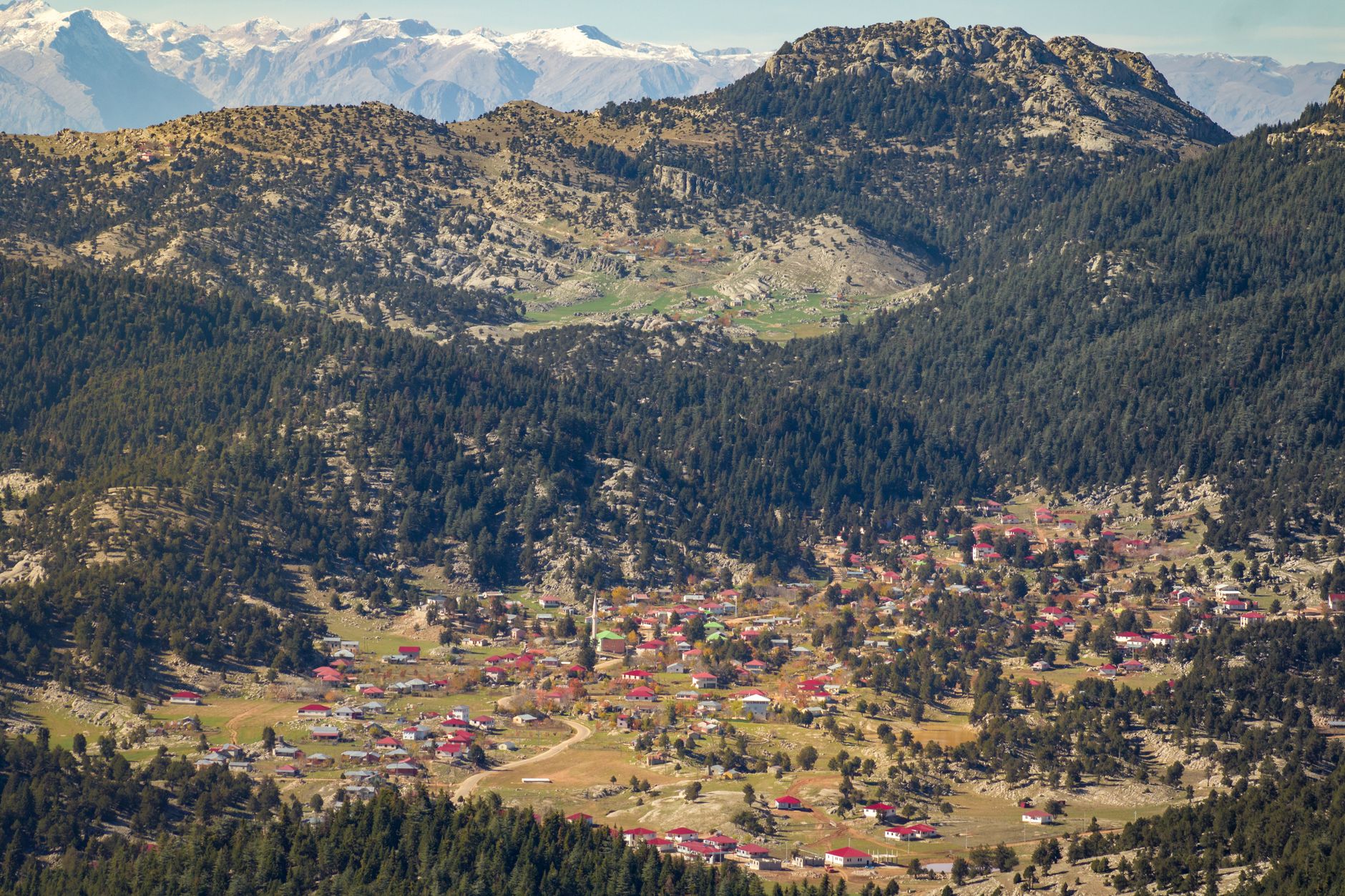
Most travelers race between Pamukkale and the Turquoise Coast without ever noticing the high plateau that sits between them. The Tefenni and Karamanlı basin, tucked into the western Taurus between Burdur and the Salda area, rewards anyone who slows down. At around 1,000 to 1,200 metres, the air is crisp even in midsummer, the light is clear, and the horizon is stitched together with fields, poplar windbreaks and low blue mountains.
This is working farm country rather than a resort. Villages of stone and whitewashed houses sit among cherry orchards, sugar beet and wheat, and in late spring whole valleys turn gold with sunflowers. Small lakes and irrigation ponds mirror the sky, cows and geese wander the edges, and the evening smell of woodsmoke and fresh bread drifts between gardens.
What makes it special is the hospitality. A knock at a village gate often turns into tea, then lunch, then a tour of the orchard. Guesthouses and farm stays here are run by families who genuinely enjoy hosting, and breakfasts are a celebration of what grows within a few kilometres.
Lakes, Fields and the Salda Neighbourhood
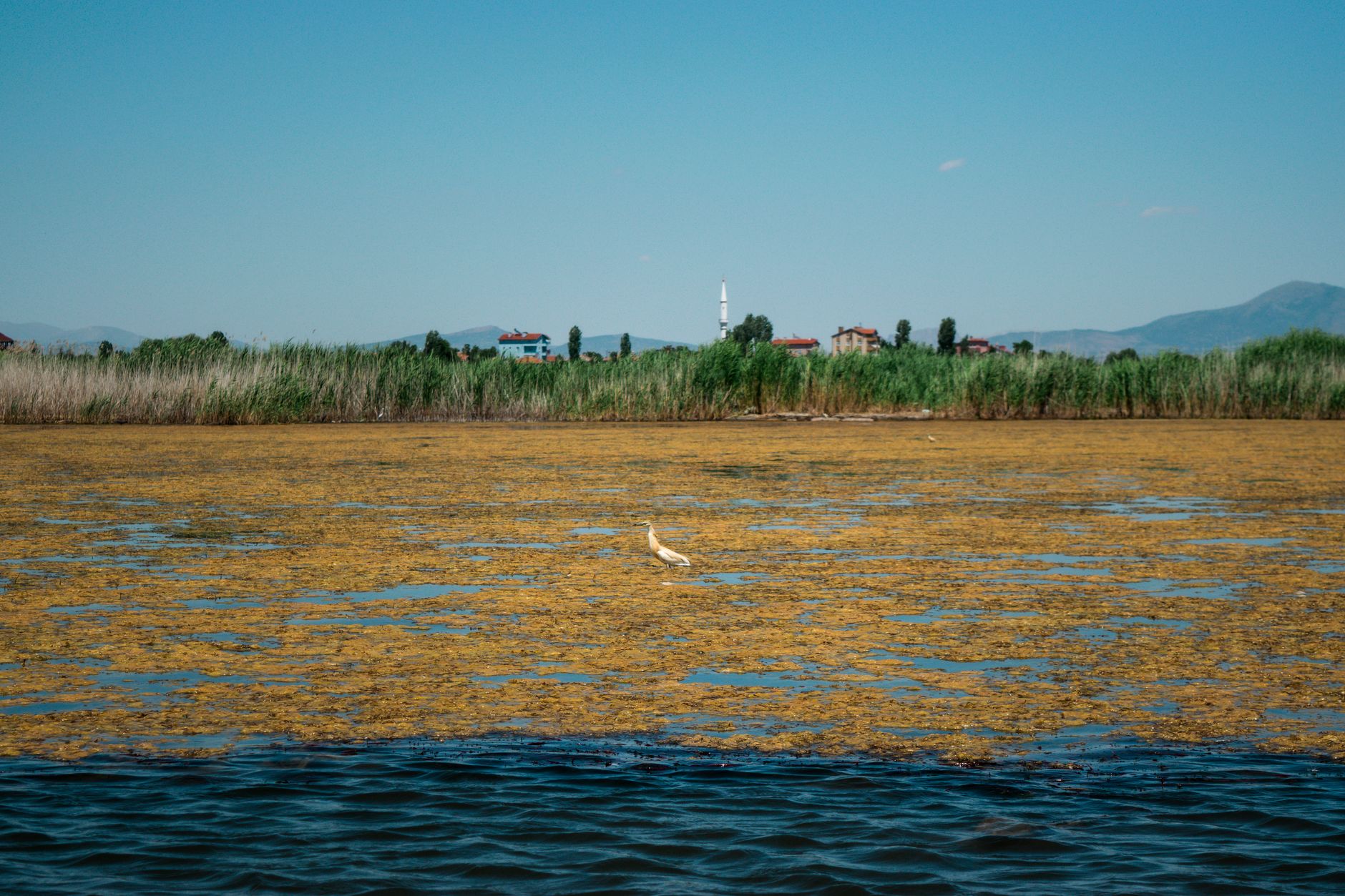
The plateau is scattered with small lakes and wetland pockets that change character through the year. In spring they brim with frogs, herons and migrating birds; by late summer they shrink into bright mirrors fringed with reeds. They are perfect for a slow picnic, a bit of birdwatching or simply sitting still with a glass of tea.
A short drive south brings you to the Salda area, home to the famous white-shored lake and the relaxed town of Yeşilova. The plateau makes an ideal, quieter base for exploring it — you get the same clean air and mountain views without the summer crowds, and you can visit early in the morning when the water is calm and the light is soft.
Around Tefenni and Karamanlı themselves, the scenery is gentle and agricultural: fields of sunflowers, beans and corn, apricot and apple trees, and old fountains where shepherds still stop to water their flocks. Bring a camera for the golden-hour light across the plateau.
Breakfast, and Everything After
Village breakfast is the heart of a stay here. Expect a table loaded with warm village bread, honey and clotted cream, sheep's cheese, olives, tomatoes and cucumbers from the garden, eggs cooked in a copper pan, and endless glasses of tea. Many farm stays serve almost entirely from their own land, and hosts are proud to explain where each jar came from.
Lunch and dinner lean on the same honesty: grilled lamb or chicken, stuffed vegetables, bulgur pilaf, yogurt with herbs, and seasonal fruit straight from the tree. In summer, ask for chilled ayran and a slice of watermelon; in autumn, look for roasted chestnuts and pumpkin desserts.
Food is also a reason to wander. Small weekly markets in the towns sell cheese, honey, dried herbs and hand-made noodles, and roadside stalls appear in season with cherries, melons and sunflower seeds. Buying a jar of plateau honey to take home is almost obligatory.
Driving Routes and Practical Pointers
The plateau is best explored by car. The most straightforward approach is from Burdur, following the D330 south towards Tefenni and Karamanlı; from there, minor roads loop east towards the Salda area and Yeşilova. Roads are generally good and quiet, though some village lanes are narrow, so a compact car is comfortable and a small SUV is a bonus for farm tracks.
Plan on two to three hours of driving for a relaxed loop, but allow a full day once you start stopping for tea, photos and village chats. Fuel up in Burdur, Tefenni or Karamanlı, and carry cash for small stalls and family-run cafes. Spring and autumn are the most comfortable seasons for driving; midsummer afternoons can be hot, so start early.
If you are building a wider trip, the plateau slots neatly into a route between the lakes and the coast. Check our route ideas and itineraries for ways to link it with Burdur, Salda and the Taurus foothills, and use the trip planner to pace your days.
When the Sunflowers Bloom
Late spring is magical here. From April into May the orchards blossom, the pastures are green and the plateau is at its freshest. Sunflowers usually begin to flower from late June and reach their full golden peak in July, sometimes stretching into early August depending on the year and planting dates.
Early summer is therefore the sweet spot for photographers: long days, warm but not scorching temperatures, and fields that glow at sunrise and sunset. Spring is better for wildflowers and birdlife, while September brings harvest colours, cooler air and markets full of fruit.
Timing can shift with the weather, so ask your hosts or check local advice a week or two ahead. Our best-time guide helps you weigh bloom season against crowds and temperatures elsewhere in Turkey.
Farm Stays and Genuine Hospitality
Accommodation here is small-scale: family guesthouses, converted village houses and working farms with a handful of rooms. You might help collect eggs, walk to the orchard, or simply sit under a walnut tree with a book while the host's mother brings out more tea.
Rooms are simple but clean and warm, and evenings are quiet enough to hear the frogs and the wind. Many stays offer home-cooked dinners and can arrange village walks, cycling or a guide to nearby lakes and ruins. Booking ahead is wise in bloom season and on summer weekends, when Turkish families come out for fresh air.
This is the kind of place where you leave with a jar of honey, a phone number and an invitation to return. Browse our local experts for help arranging farm stays and village experiences, and see the gallery for a glimpse of the plateau through the seasons.
Top Highlights
Popular Activities
Thinking about a trip to Turkey?
Share your contact details and a vetted local expert will follow up with a plan built around you — free, no obligation.
