
Termessos
A City Built for the Sky
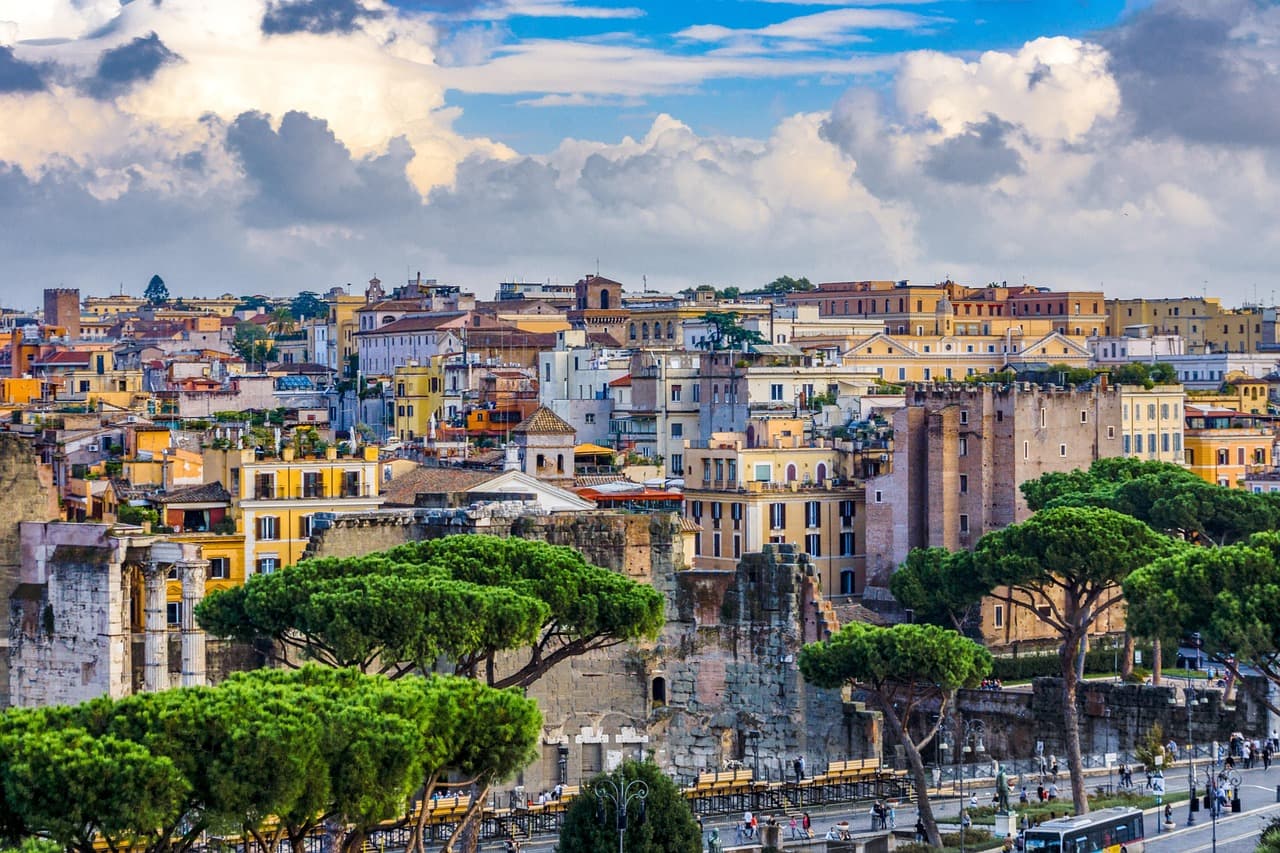
Termessos doesn't sit on a convenient plain. Instead, this ancient Pisidian city clings to a saddle high in the Güllük mountains, northwest of Antalya, at an altitude of roughly a thousand metres. The road up winds through pine and cedar, and then the ruins appear between rock faces — walls, towers and sarcophagi scattered across a landscape that seems designed for eagles rather than people.
Even Alexander the Great is said to have paused before these walls in 333 BC and moved on rather than attempt a siege. The Termessians were fiercely independent, and their city's remote position made it defensible in a way that few ancient sites can match. Walking here, you feel that history in every steep step.
Views That Reward Every Step
The walk through the site is steep and uneven, and that is part of the deal. Trails climb between the gymnasium, the agora, the theatre and the temples, with the ground falling away sharply beneath you. On a clear day, the panorama opens over the Pamphylian plain toward the sea, and the mountains fold away in layer after layer of blue.
In spring, the hillsides around Termessos are carpeted with wildflowers — poppies, orchids and asphodel blooming among the stones. It is one of the great quiet pleasures of the Antalya region, and far fewer people see it than the coastal ruins.
The Isolation Is the Gift
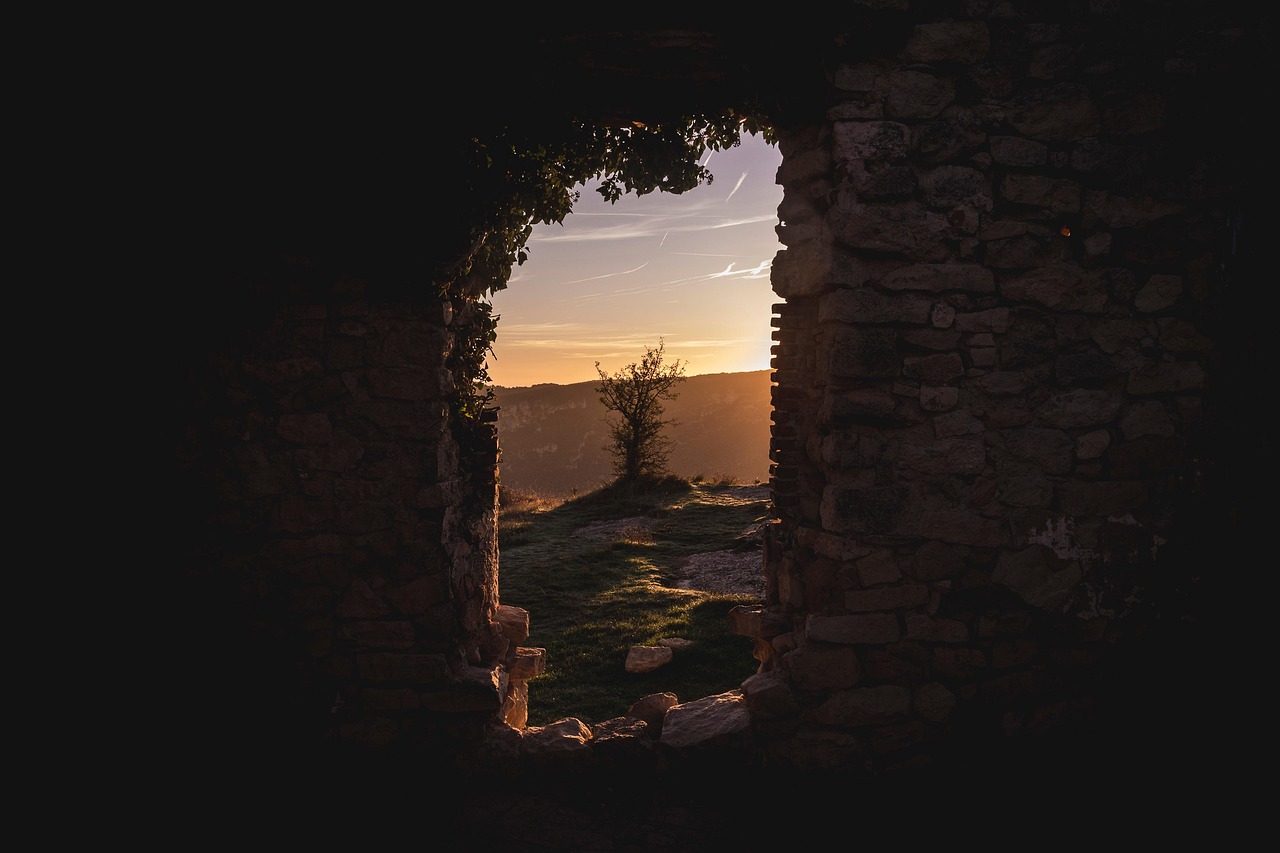
Some travelers worry that Termessos is remote or hard to reach. In truth, that remoteness is exactly what makes it special. There are no ticket queues, no souvenir stalls inside the walls, no crowds jostling for the same photograph. What you get instead is a genuine sense of discovery, with the wind and the cicadas as your soundtrack.
The isolation has preserved the site too. Sarcophagi still stand in clusters along the paths, the theatre still looks out over the valley, and the lion reliefs and inscriptions remain in place. It is a place to slow down and let the landscape do the talking.
Practical Advice for the Climb
Come prepared. Bring at least two litres of water per person, wear sturdy shoes with good grip, and allow a sense of adventure — the trails are rocky and can be slippery after rain. Sun protection and a hat are essential in summer, and a light layer is welcome in the early morning or shoulder seasons.
Give yourself time. A rushed visit misses the point; plan on three to four hours on site including the upper city and the necropolis. There are limited facilities, so bring snacks and take everything out with you. The nearest town is Antalya, and most travelers visit as a day trip, often combining it with the nearby Düden Waterfalls or the coast.
When to Go
Spring and autumn are ideal. April and May bring wildflowers and mild temperatures, while September and October offer clear skies and fewer visitors. Summer afternoons can be brutally hot, so start early if you visit between June and August. Winter visits are possible but weather-dependent, and paths may be wet.
Weekdays are quieter than weekends, and early mornings give the best light and the coolest walking. Whichever season you choose, check conditions and closures before setting out, especially after heavy rain.
Pairing Termessos With the Rest of Your Trip
Termessos works beautifully as part of a broader Antalya itinerary. Use our routes to plan a mountain-to-coast day, or check our seasonal guide to choose the best months for hiking and ruins. If you want help shaping a full trip, our trip planner and local experts can build around the site.
For more ancient-city inspiration, browse our destinations and guides, and come back with a camera full of unforgettable mountain views.
Top Highlights
Popular Activities
Thinking about a trip to Turkey?
Share your contact details and a vetted local expert will follow up with a plan built around you — free, no obligation.
