

Antalya's Termessos and the Düden Highlands: A Mountain City Above the Mediterranean
Why Termessos Feels Like a Secret
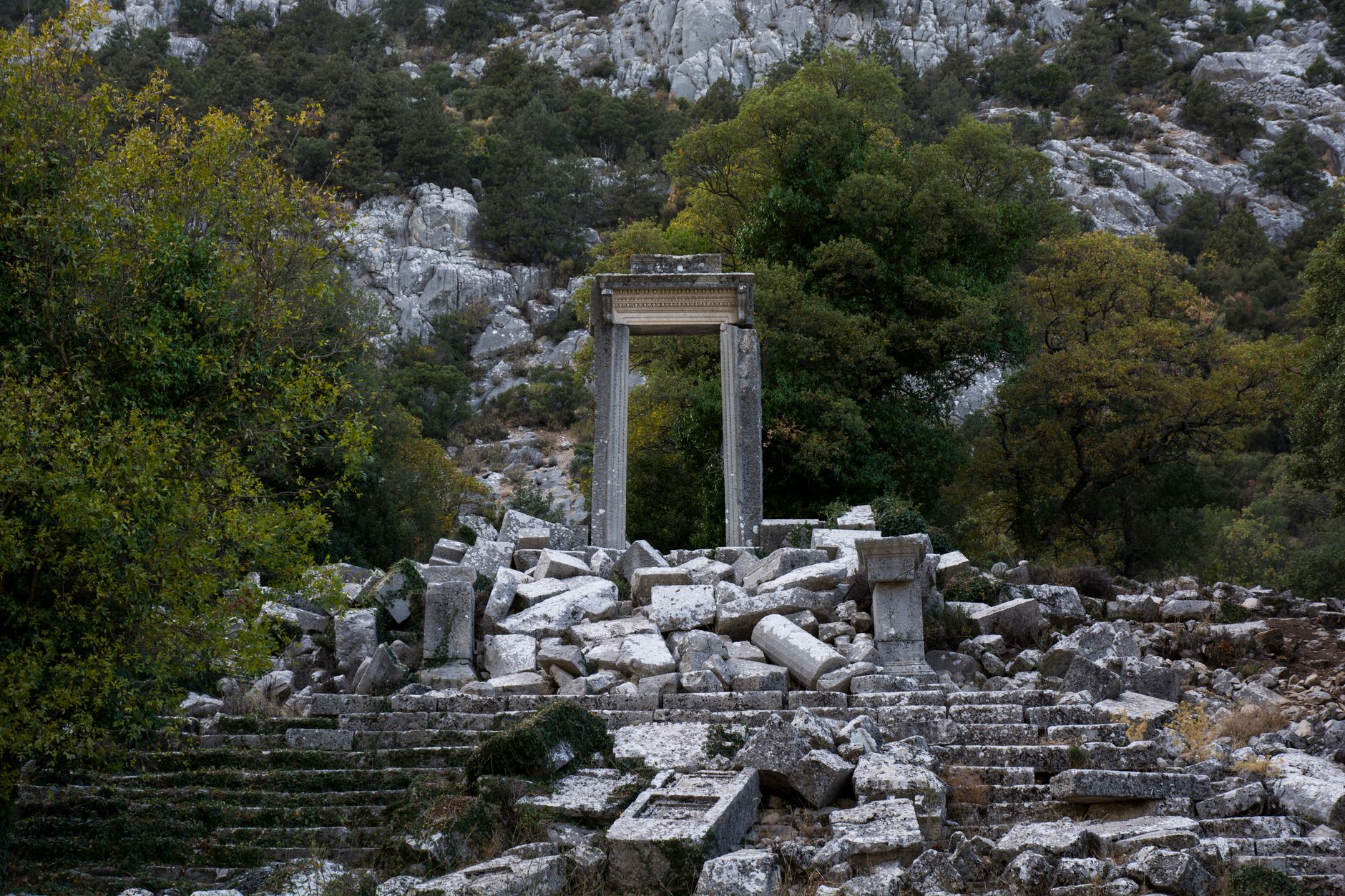
Termessos is one of Türkiye's most romantic ruins — not because it is grand, but because it is wild. The Pisidian city spreads across a high plateau inside Güllük Dağı National Park, where pine forests, limestone cliffs and the cries of eagles replace the crowds of the coast. Alexander the Great never took it; the Romans made it a friend. Today it is a hike, a history lesson and a picnic spot rolled into one.
What makes it unforgettable is the setting. From the upper terraces you look straight down the Kırkgöz gorge to the Mediterranean glittering 1,000 metres below. It is a view that makes you want to whisper, not shout.
Come early, wear sturdy shoes, and carry water. This is not a museum with turnstiles — it is a mountain city you earn.
The Ruins You Should Not Miss
The site unfolds along a steep, rocky path. Give yourself at least two hours to climb, explore and simply sit. The highlights come in layers, each one more dramatic than the last.
- The Royal Gymnasium — vaulted rooms and a monumental entrance, still standing after earthquakes and centuries.
- The Agora — the city's beating heart, with a stoa and the remains of a fountain house.
- The Theatre — small but perfectly placed, with a backdrop of mountains and sky. It seats around 4,000 and still feels intimate.
- The Nekropolis — hundreds of rock-cut tombs and sarcophagi scattered among the pines. Some carry inscriptions that read like curses.
- The Corinthian Temple — dedicated to Zeus Solymeus, the city's own god, with columns that catch the afternoon light.
The path is uneven, with loose stones and roots. Wear proper hiking shoes, not sandals, and take it slowly — the altitude and the heat are real.
Düden Waterfalls and the Upper Villages
After Termessos, cool off where the Düden River throws itself off the Antalya plateau. The Upper Düden Waterfalls (Düdenbaşı) are set in a leafy park with walkways behind the falling water — a gentle, family-friendly contrast to the morning's climb.
The Lower Düden Waterfalls (Karpuzkaldıran) tumble directly into the Mediterranean from a cliff edge. The best view is from a boat, but the clifftop tea gardens are just as romantic at sunset.
Between the two, the upper Antalya villages — Düzlerçamı, Yeşilbayır, Geyikbayırı — offer a slower rhythm. Geyikbayırı is famous among climbers for its limestone crags, but its village cafés serve gözleme and strong tea under grapevines. Stop for a late lunch here and let the day unwind.
Hiking, Picnics and the Art of a Slow Day
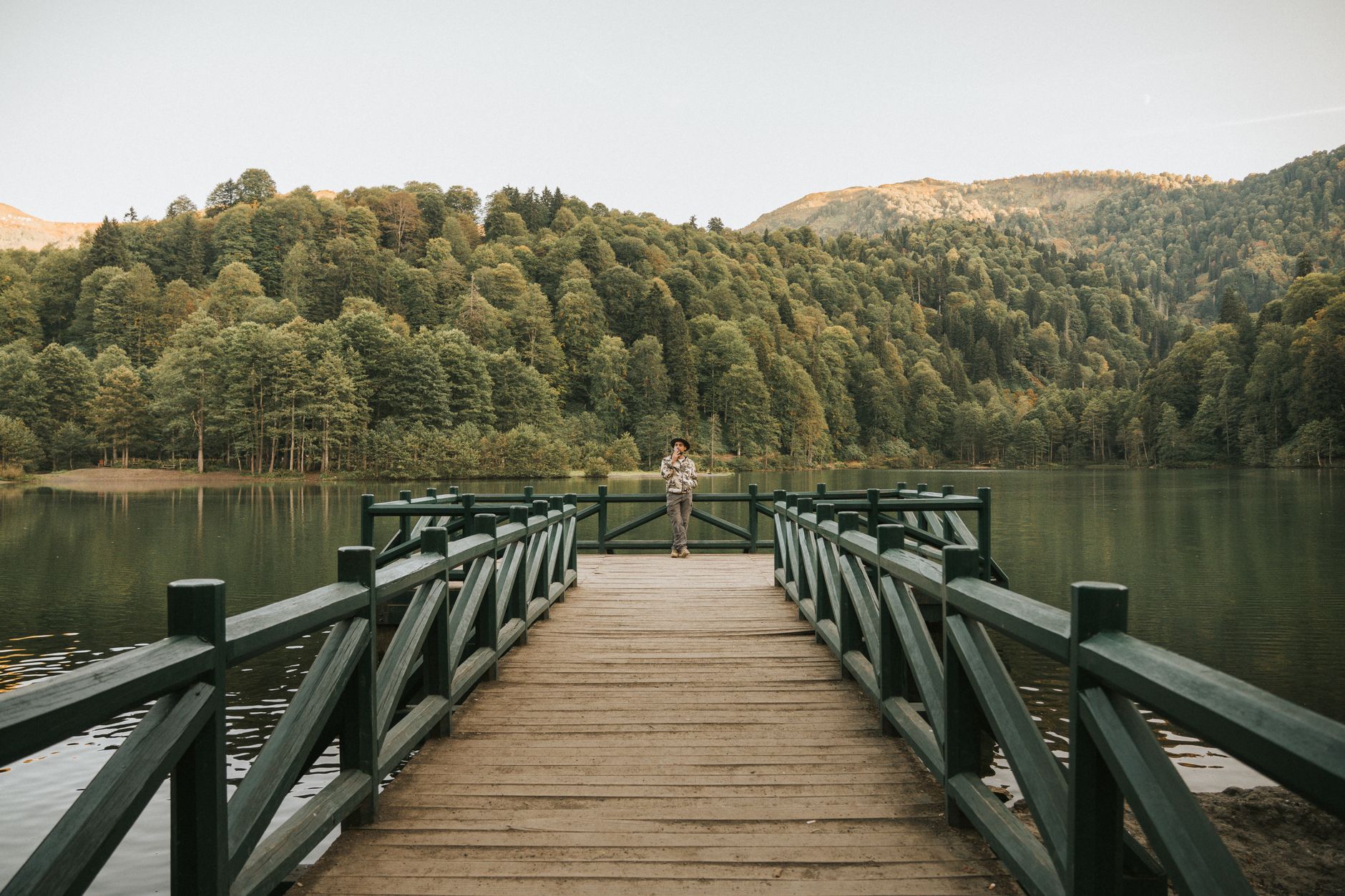
Termessos is a hiking destination first. The main trail from the car park climbs steadily for about 20–30 minutes to the city gates, then continues upward through the ruins. Sturdy shoes, a hat and at least 1.5 litres of water per person are essential.
The national park is perfect for picnics. There are shaded benches near the entrance and grassy spots among the tombs. Pack simple food — cheese, olives, tomatoes, bread — and leave no trace. The pine scent and birdsong make even a humble sandwich taste like a feast.
If you have energy left, the Güllük Dağı summit trail offers panoramic views, but it is steep and exposed. Most visitors find the ruins and the gorge view more than enough.
“Termessos is not a place you see; it is a place you feel.” — a local guide, and he is right.
Practical Notes for an Early Start
Go early. Gates open around 08:00, and by 11:00 in summer the heat and the tour groups arrive. The first hour is magic: soft light, empty paths, eagles circling.
The site is about 30 km northwest of Antalya, near the village of Dağ. A car is easiest, though taxis and guided tours are available. There is a small entrance fee, and the park has basic toilets and a café near the car park.
Combine Termessos with the Düden waterfalls and a village lunch for a full day. If you are planning more of the region, see our guides and itineraries for Antalya and the Turkish Mediterranean.
When to Go and What to Bring
Spring (April–May) and autumn (September–October) are ideal: mild temperatures, wildflowers or golden light, and fewer people. Summer is hot and humid; start at dawn and finish by noon. Winter can be cold and windy, but the ruins are hauntingly beautiful in mist.
Bring: sturdy hiking shoes, sun protection, water, a light rain jacket in shoulder season, and a picnic if you plan to linger. Binoculars are a bonus for spotting birds and ibex.
Respect the site — do not climb on fragile walls or remove stones. Termessos has survived for 2,500 years; let it survive another 2,500.
Top Highlights
Popular Activities
Thinking about a trip to Turkey?
Share your contact details and a vetted local expert will follow up with a plan built around you — free, no obligation.
