

Tirebolu and the Eastern Black Sea Coast: Hazelnut Towns and Hidden Coves
Where the Green Meets the Blue
Tirebolu sits on a small peninsula in the Giresun province of Turkey's Eastern Black Sea coast, a place where the colour green seems almost exaggerated. Tea bushes, hazelnut orchards and cornfields tumble down steep slopes straight to the water, and the humid Black Sea air keeps everything impossibly lush from spring through autumn.
This is not a resort strip. It is a working coastal town where fishermen mend nets by the harbour, farmers dry hazelnuts on rooftops in late summer, and the main sound at night is the sea against the pebbles. That everyday rhythm is exactly what makes it special.
Arriving along the coastal highway from Giresun or Trabzon, the road hugs the shore in long curves, and Tirebolu announces itself with the silhouette of its castle on the headland and the low skyline of a town that has been here, in one form or another, for thousands of years.
Tirebolu Castle and the Headland
The ruined fortress of Tirebolu is the town's most recognisable landmark, perched on a rocky promontory that juts into the sea. Its walls are attributed in part to the Genoese, who traded along this coast in the Middle Ages, though older foundations suggest Byzantine and earlier layers beneath.
Climb up in the late afternoon, when the light turns golden and the hazelnut terraces glow. From the top you get wide views back over the town, out to the open Black Sea and along the coast towards Giresun. The walk up is short but steep, so bring shoes with a little grip.
Below the castle, the shoreline is a mix of rocky outcrops and small pebble beaches where locals swim in summer. The water is clean and bracing, and on calm days it turns a deep, glassy blue that surprises first-time visitors expecting the Black Sea to be grey.
Hazelnuts, Sweets and the Taste of Giresun
Giresun is the hazelnut capital of Turkey, and Tirebolu is right in the middle of it. In August and September, whole families work the orchards, and the smell of drying nuts hangs over the valley. Hazelnuts here are small, oily and intensely flavoured, and they turn up in everything from chocolate to savoury rice dishes.
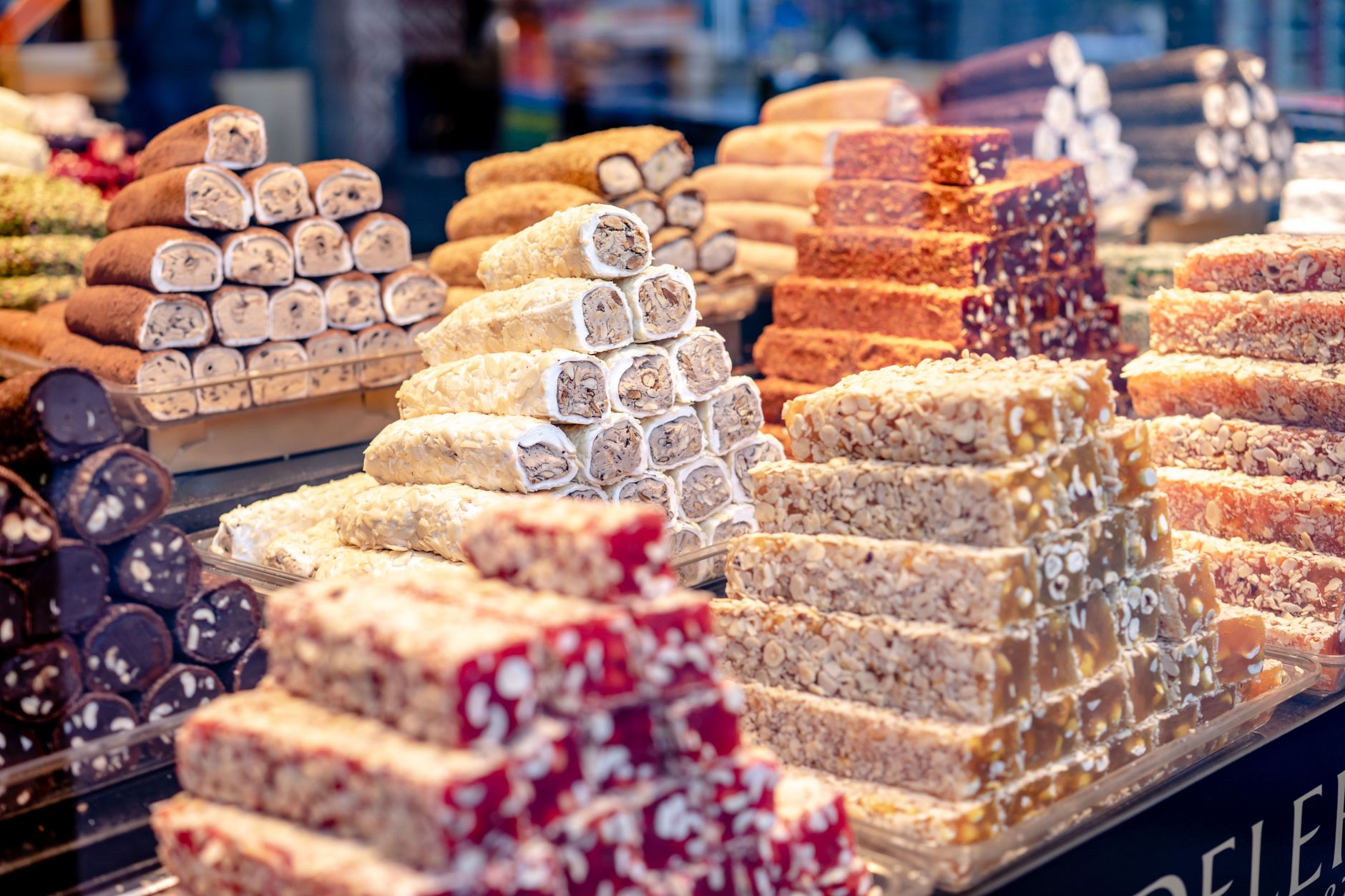
Be sure to try the local hazelnut sweets: fındıklı lokum, nut-stuffed chocolate, hazelnut butter and the little roasted nuts sold in paper cones near the market. Pair them with a glass of Turkish tea while watching the sea, and you have the essential Tirebolu experience.
The town also has a long tradition of Tirebolu tea, a locally grown black tea with a brisk, slightly smoky character. Shopkeepers will happily brew a sample if you show even a flicker of curiosity.
Pebble Beaches and Hidden Coves
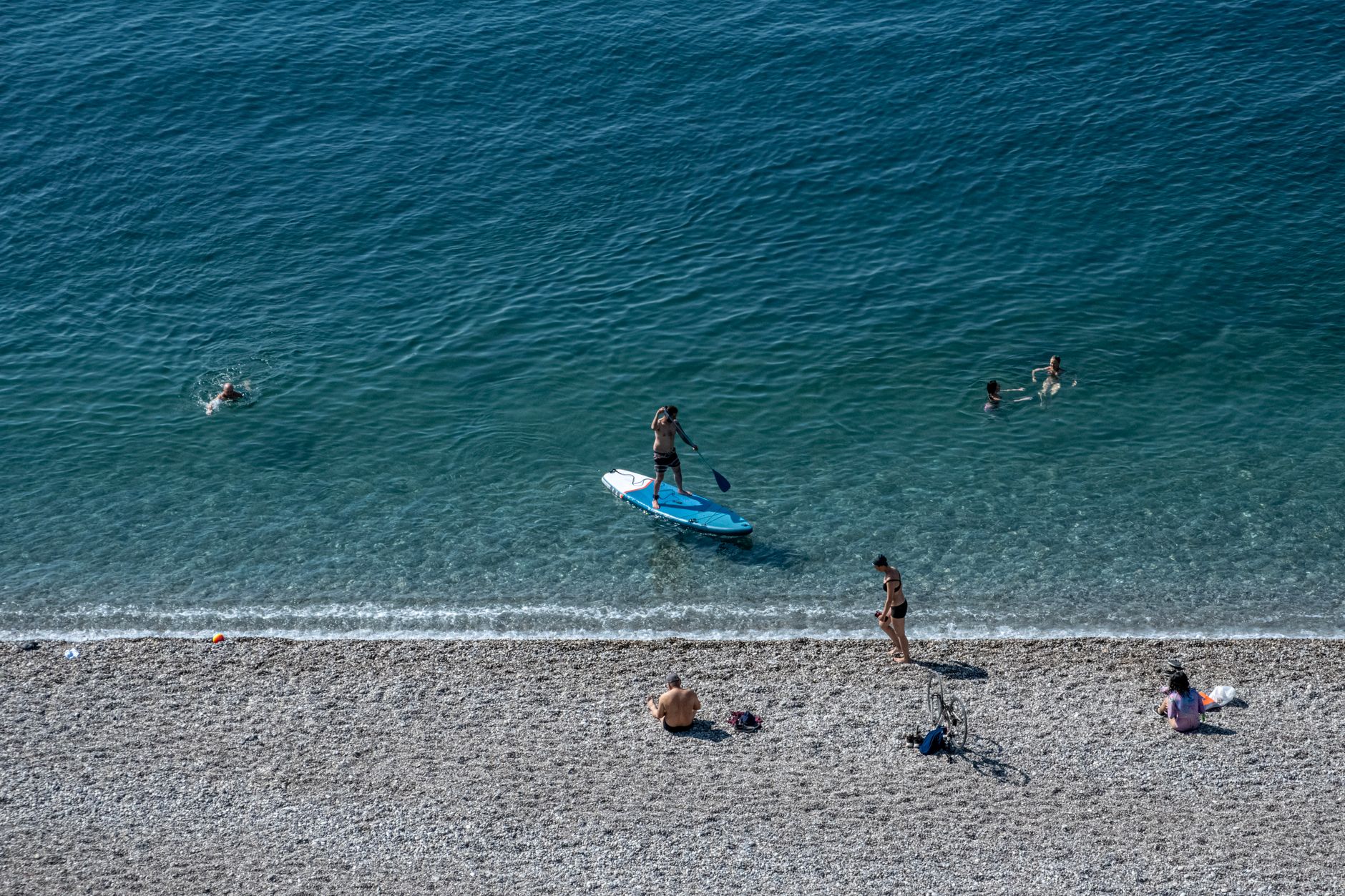
The Eastern Black Sea coast is not sandy, and that is part of its charm. Tirebolu's beaches are made of smooth grey pebbles that warm up in the sun, and the drop-off is quick, so the water stays clean and clear. Popular spots include the stretches just east of the castle and the small coves tucked between the headlands.
If you have a car, drive a little way out of town and look for the gravel turn-offs that lead down to hidden bays. Some have nothing more than a few rocks and a strip of pebbles, but on a still summer morning you may have the entire Black Sea to yourself.
Swimming season runs roughly from June to September. The water is refreshing rather than warm, so most people swim, sun-dry on the stones and then head straight for tea and sweets. If you are planning a wider Black Sea route, our route guides can help you stitch the coast together.
Mansions, Streets and Everyday Hospitality
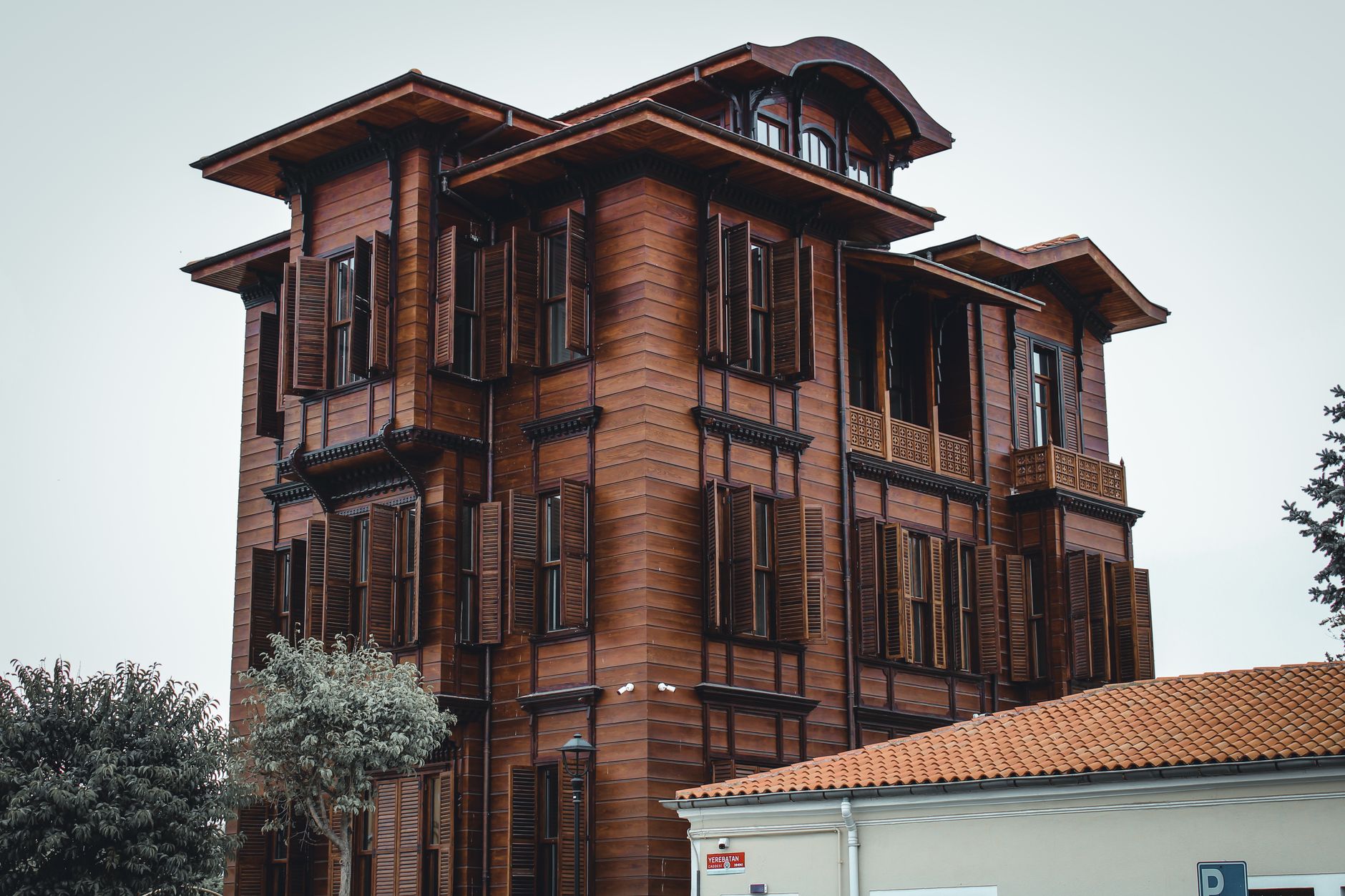
Behind the harbour, Tirebolu keeps a quiet old quarter of stone-and-timber houses, some of them grand Ottoman-era mansions with wide eaves and sea-facing balconies. A few have been restored, others are gently fading, and walking among them is one of the town's quiet pleasures.
People here are famously generous. Expect to be offered tea, asked where you are from, and possibly invited to sit down for a plate of kuymak or freshly fried hamsi (anchovies) in season. A simple teşekkür ederim goes a long way.
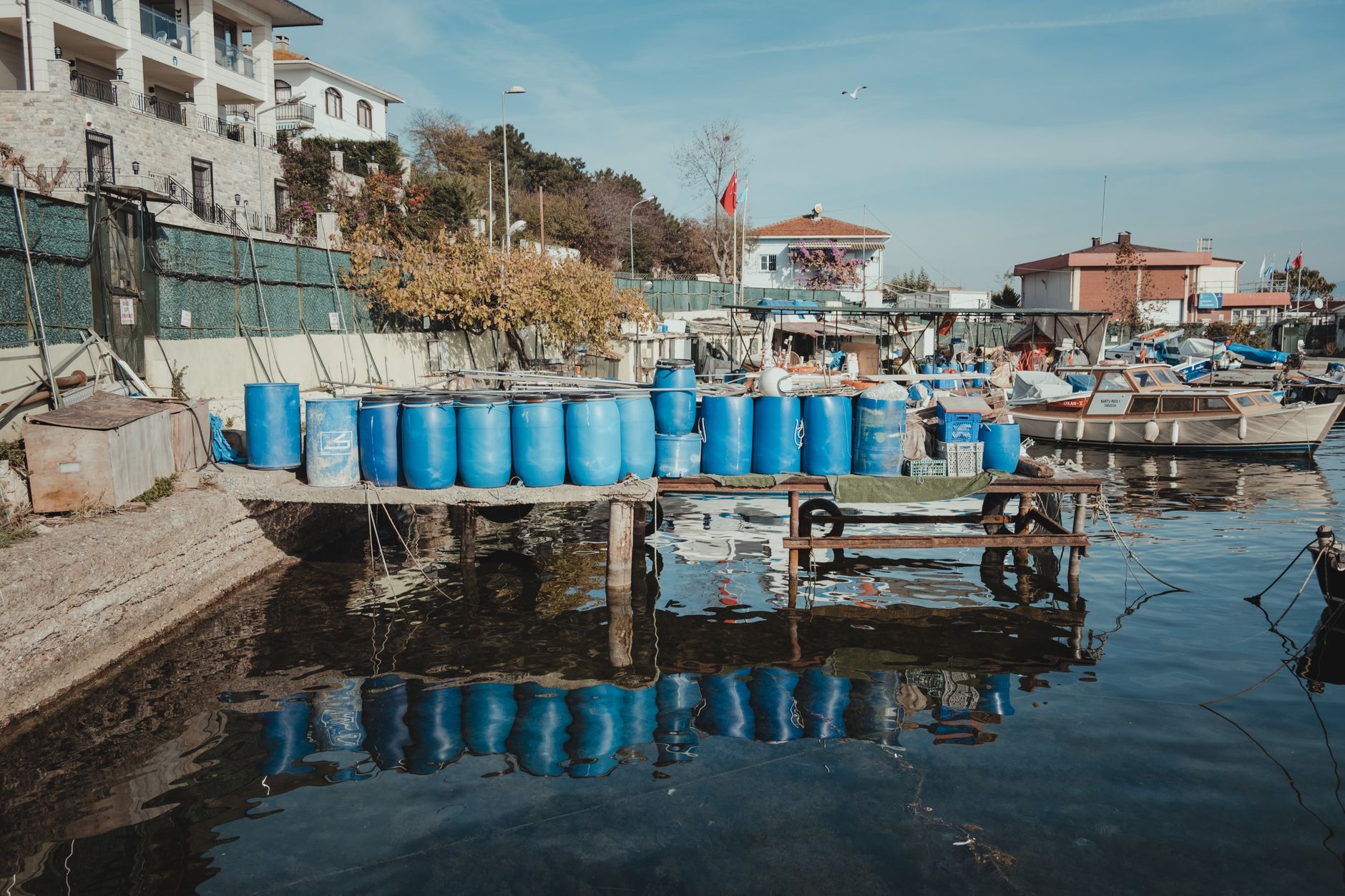
The harbour area is the social heart of town. In the evening, families stroll along the waterfront, kids fish off the pier, and the smell of grilled fish drifts from the small restaurants. It is unhurried, friendly and completely unpretentious.
Fishing Village Restaurants and What to Eat
The Black Sea kitchen is built around the catch of the day. In Tirebolu and the surrounding fishing villages, look for hamsi (anchovy) in winter, grilled levrek and çupra in summer, and hearty karadeniz pidesi — a boat-shaped flatbread topped with cheese, egg or minced meat.
Try the local kuymak, a molten cornmeal-and-cheese dish that arrives bubbling in a copper pan, and finish with hazelnut desserts. Small family-run places by the harbour are usually the best bet; menus are short, prices are fair and the fish is whatever came in that morning.
Vegetarians will find plenty too: bean dishes, wild greens, cornbread and the ever-present muhlama. If you want help shaping a food-focused itinerary, our local experts can plan it around markets, harvest seasons and coastal villages.
Getting There and Practical Notes
Tirebolu is on the D010 coastal highway, roughly 40 km east of Giresun and about 120 km west of Trabzon. Long-distance buses run frequently along the coast, and the nearest airports are Trabzon (TZX) and Ordu-Giresun (OGU), both within a couple of hours by road.
Driving the coastal highway is straightforward but slow in summer, thanks to tunnels, roadworks and spectacular views. Allow more time than the map suggests, and pull over often — the coast between Giresun and Tirebolu is some of the greenest scenery in Turkey.
Spring and early autumn are ideal: mild weather, fewer crowds and the hazelnut harvest in full swing. Summer is warm and lively, with the sea at its most inviting. For broader timing advice, see our best time to visit guide and our travel tools for planning distances.
Top Highlights
Popular Activities
Thinking about a trip to Turkey?
Share your contact details and a vetted local expert will follow up with a plan built around you — free, no obligation.
