
Trabzon
A Port City With Layers of History
Trabzon has been a crossroads for far longer than most visitors expect. Greek traders founded the city, Roman engineers walled it, Byzantine emperors of the Komnenos dynasty ruled here for nearly 250 years, and Ottoman sultans reshaped it after 1461. That sequence is not buried in a museum — it is written into the city's stone churches, mosques, walls and fountains as you walk.
Today Trabzon is a working Black Sea port with a busy bazaar, a long seafront promenade and a university crowd that keeps the tea houses full late into the evening. The past and the present sit side by side rather than behind glass, which is what makes a heritage walk here so rewarding.
Use the destinations guide to place Trabzon within a wider Türkiye itinerary, and this page as your walking companion for its churches and converted monuments.
Trabzon's Byzantine Churches and Converted Monuments
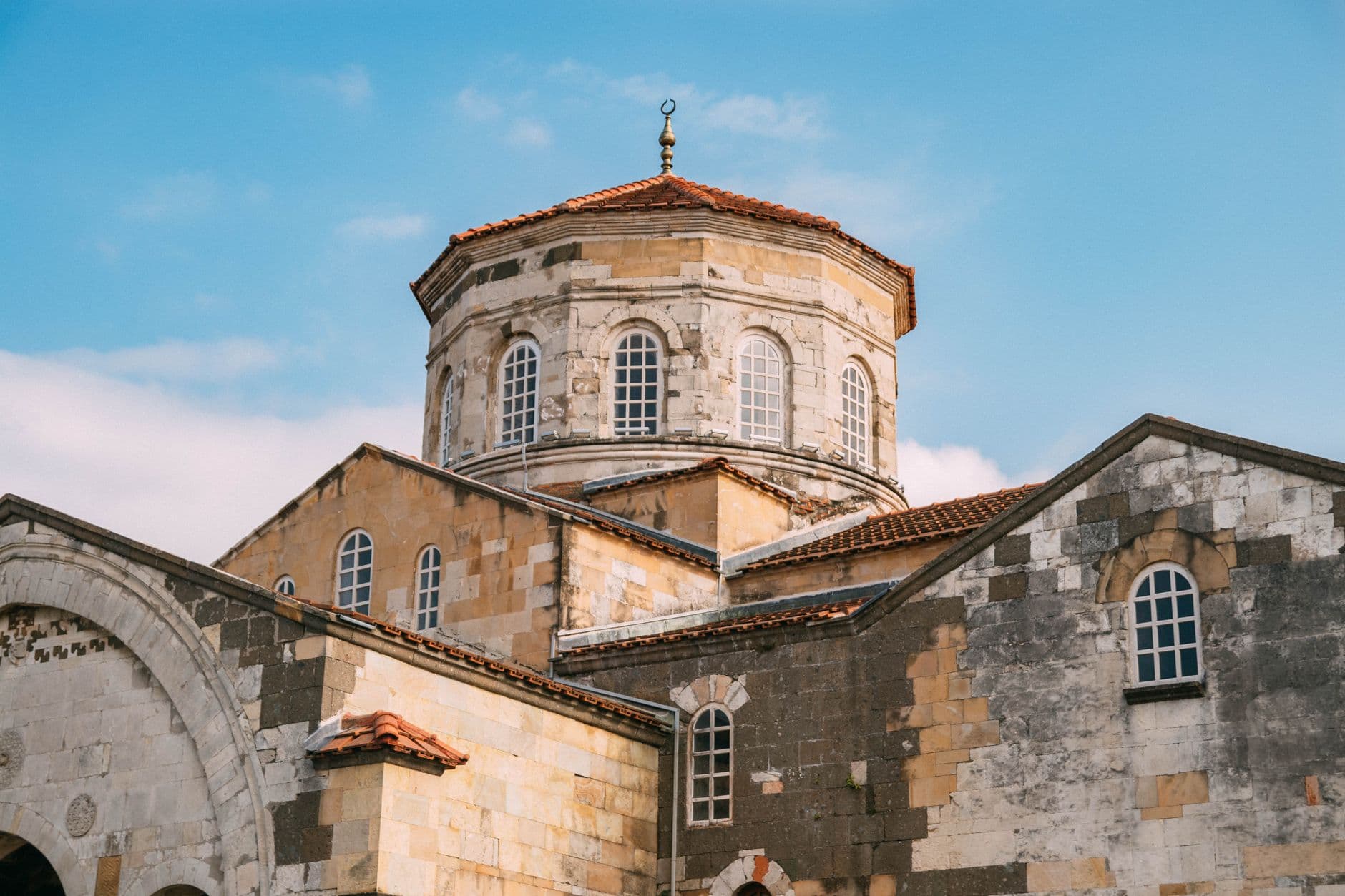
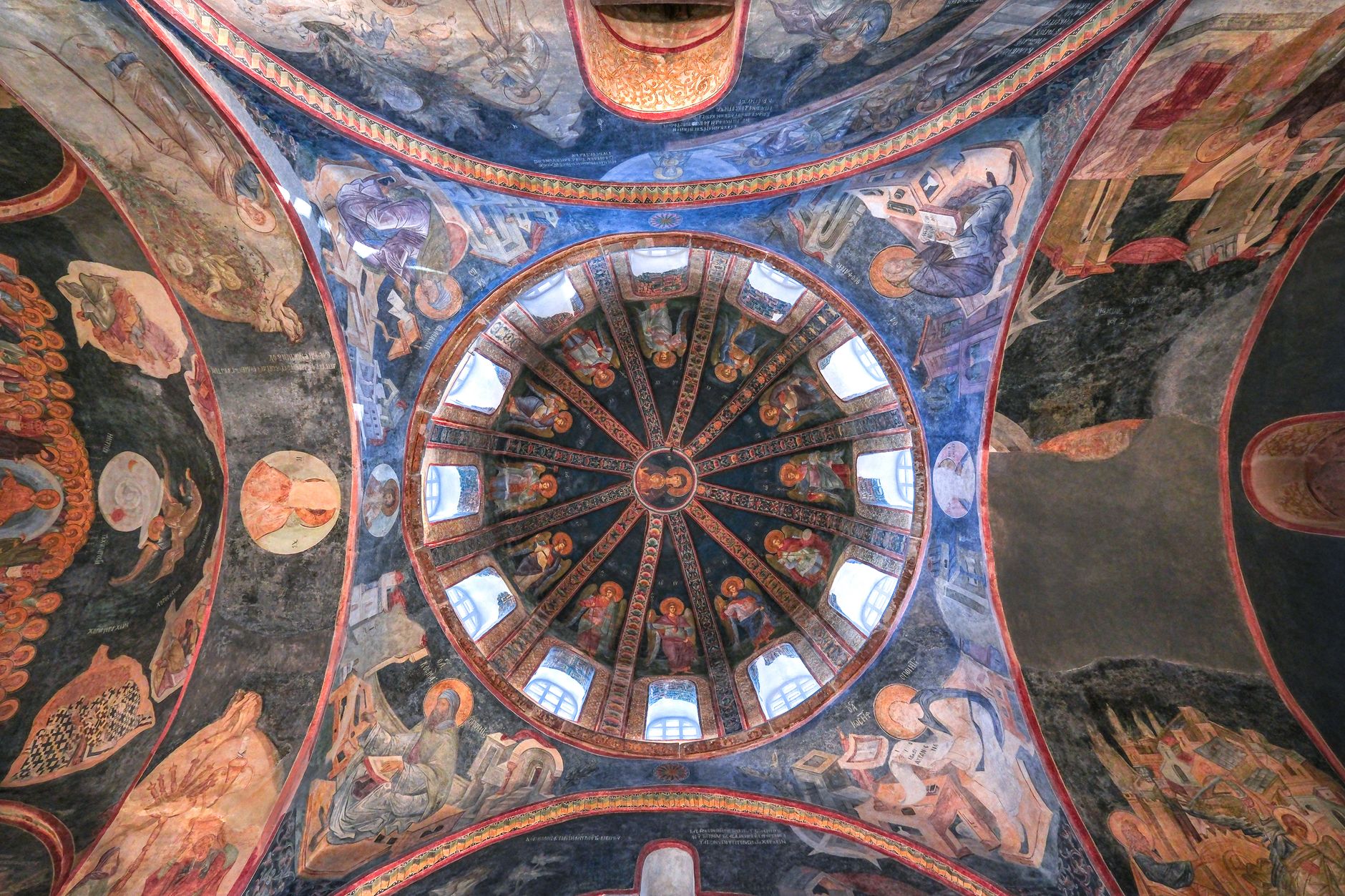
The city's best-known monument is Hagia Sophia (Ayasofya), a 13th-century Komnenos church whose portico, dome and frescoes survived a long life as a mosque and museum before returning to mosque use. Its west façade panels and the surviving frescoes of the life of Christ are among the finest Byzantine work on the Black Sea coast.
The Panagia Theoskepastos, the "Virgin, protected by God", clings to the hillside above the city with fresco fragments still visible in its rock-cut chapel. The church of St. Eugenios, patron saint of Trabzon, is remembered today by the Ottoman-era Fatih Mosque built over its site, and the nearby Yeni Cuma Mosque was originally a Byzantine church dedicated to St. Andrew.
Beyond the walls, the cliff-face Sümela Monastery in the Altındere valley is the region's most dramatic Byzantine site, and the cave churches and monasteries of the surrounding valleys reward a half-day trip. Read more context in our travel guides before you plan the order of your visit.
Visiting Churches Respectfully
Several of Trabzon's historic churches are active mosques, and a few are working churches for the small local Christian community. Treat both the same way: enter quietly, do not walk in front of people at prayer, and ask before photographing worshippers or close-up details of the mihrab or icons.
Inside Hagia Sophia and other converted buildings, keep voices low and phones on silent. Many sites ask visitors to remove shoes before entering the prayer hall; a plastic bag for your shoes is handy. Women are generally asked to cover hair, shoulders and knees, and men to avoid shorts, so carry a light scarf even in summer.
Opening hours shift with the prayer calendar, especially around Friday midday prayers, when non-worshipping visitors may be asked to wait outside. Check locally the day before, and expect shorter hours in winter. There is no entry charge at most city mosques, though Sümela and some valley sites sell tickets — confirm details on our FAQ or the travel tools page.
The Heritage Walk, Step by Step
A comfortable route starts at Meydan Square, climbs through the old bazaar to the Fatih Mosque and the nearby Çömlekçi district, then continues along the old city walls toward Hagia Sophia on the western edge of town, where a pleasant tea garden faces the sea.
From there, walk back through the Ortahisar neighbourhood to the Panagia Theoskepastos and the viewpoint over the harbour. Allow a half day at an easy pace, with stops for tea and a plate of hamsi if it is in season. Sturdy shoes help on the steep, cobbled lanes.
Pair the walk with the city's Ottoman layer: the Gülbahar Hatun Mosque and tomb, the Atatürk Mansion and the bazaar's silver workshops. Our routes and itineraries show how to combine Trabzon with Sümela and the nearby plateau towns.
When to Go and How Long to Stay
Late spring and early autumn are the sweet spots: mild temperatures, green hills and fewer tour buses at Sümela. Summer is warm and lively, with festivals and long evenings on the promenade, while winter brings rain, mist and a quieter, moodier city.
Two full days let you cover the heritage walk and Sümela comfortably; three days add the valleys, Uzungöl or a Black Sea coastal drive. See our best-time guide for month-by-month detail and weather notes for the coast.
A City That Feels Easy-Going
Trabzon is refreshingly unpretentious. Fishermen sell the morning catch near the port, students crowd the tea houses, and shopkeepers in the bazaar are quick with a joke and a glass of çay. The city wears its multicultural heritage lightly, and that ease is part of its charm.
Whether you come for Byzantine frescoes, Ottoman architecture or simply the Black Sea air, you will find a place where history is lived in, not staged. Start with our trip planner to shape your days, browse the gallery for inspiration, and check how we verify our information before you travel.
Top Highlights
Popular Activities
Thinking about a trip to Turkey?
Share your contact details and a vetted local expert will follow up with a plan built around you — free, no obligation.
