

Türkiye's Ancient Forest Shrines and Sacred Groves: A Walk Through Living Mythology
Introduction: A Land of Living Mythology
Türkiye is a land where myth and memory are woven into the very fabric of the landscape. Its ancient forests and sacred groves have long been places of reverence, where gods and mortals were believed to meet. From the lush woodlands of the Black Sea coast to the pine-clad hills of the Aegean, these sites offer a gentle trail through stories that have shaped cultures for millennia.
Walking here is not just a journey through nature, but a passage through layers of history. The rustle of leaves might echo the footsteps of ancient priests, and the cool shade of a plane tree could be the same that once offered solace to a weary traveler. In Türkiye, the sacred and the natural are inseparable, inviting us to tread softly and listen.
The Sacred Groves of Antiquity
In ancient Anatolia, groves were more than just clusters of trees; they were temples without walls. The Greeks and Romans dedicated these spaces to gods and goddesses, believing that the divine presence dwelled within the trees, springs, and rocks. The term 'alsos' referred to such sacred groves, often surrounding temples or sanctuaries.
One of the most famous is the Grove of Daphne near Antioch (modern Antakya), dedicated to Apollo and Artemis. According to myth, the nymph Daphne was transformed into a laurel tree to escape Apollo's pursuit. The grove became a place of pilgrimage and prophecy, its laurel branches used to crown victors.
Today, visitors can explore the remnants of these groves, often marked by ancient ruins and tranquil springs. The atmosphere remains charged with a quiet sanctity, a reminder of how nature was once—and still can be—a bridge to the sacred.
Forest Shrines and Healing Springs
Many sacred groves were associated with healing springs. The waters were believed to possess curative powers, and the surrounding trees provided a serene environment for rest and recovery. The sanctuary of Asklepios at Pergamon, though not a forest, was set in a grove and included a sacred spring. Similarly, the grove of Hera on Samos, with its lush vegetation, was a place of worship and healing.
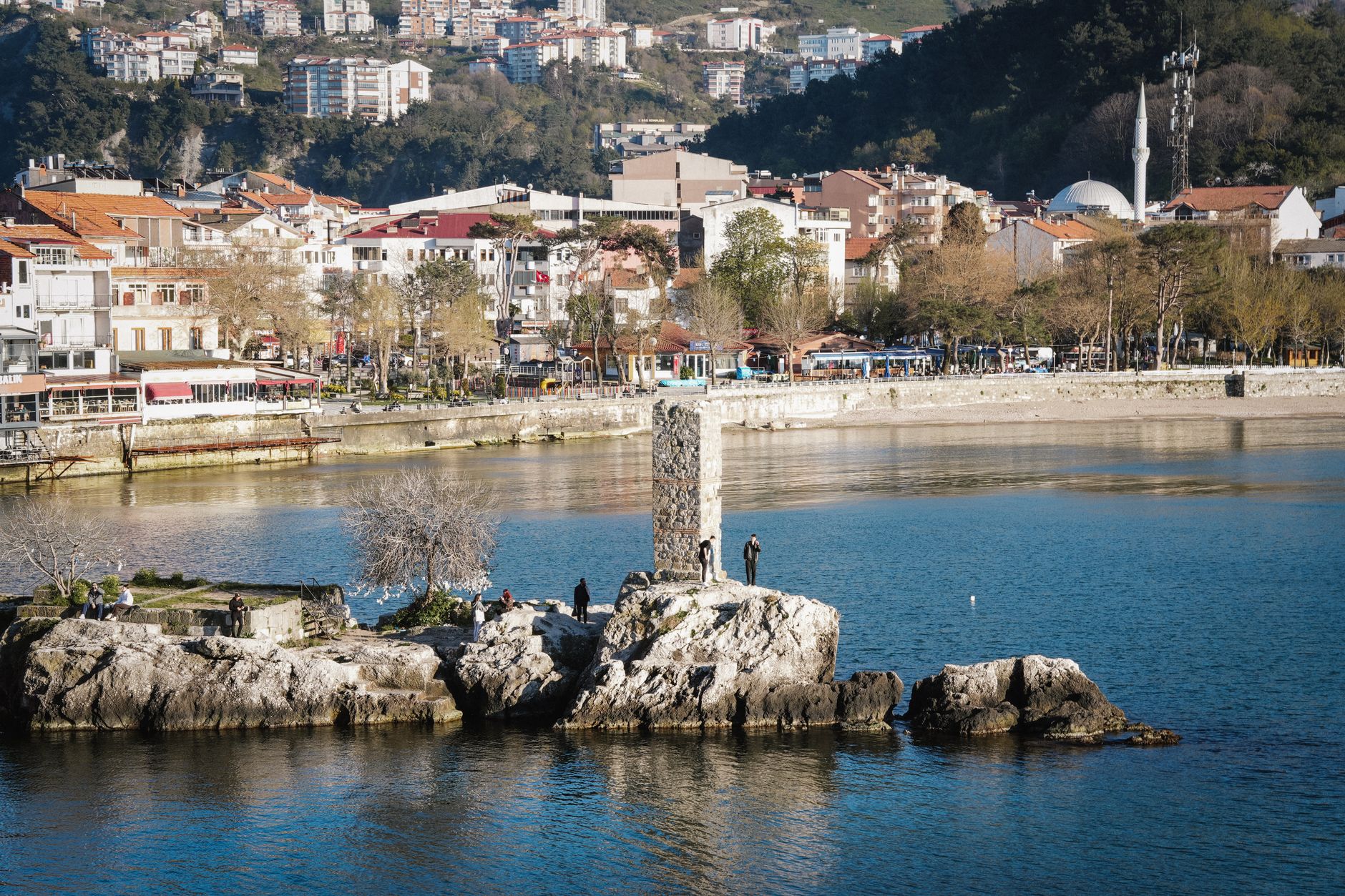
In the Black Sea region, the ancient city of Amasra boasts a sacred grove dedicated to the goddess Artemis, where a freshwater spring still flows. Local lore tells of nymphs guarding the waters, and the dense boxwood and laurel trees create a natural cathedral.
Walking through these sites, one can almost feel the presence of the past. The practice of leaving offerings—a ribbon on a branch, a coin in a spring—continues in some places, a tender nod to ancient traditions.
Mythical Forests: The Amazon Warriors and the Tree of Life
The forests of Türkiye are steeped in legend. The Amazons, the legendary warrior women, were said to have roamed the woodlands of the Thermodon River (modern Terme Çayı) in the Black Sea region. Their capital, Themiscyra, was nestled among dense forests, and their connection to nature was profound.
Further south, the concept of the Tree of Life appears in various cultures. In Turkish folklore, the 'Tree of Life' (Hayat Ağacı) is a symbol of immortality and interconnectedness. It is often depicted as a great plane tree or oak, its branches reaching the heavens and roots delving into the underworld.
In the ancient city of Gordion, the Phrygians worshipped Cybele, the mother goddess, in natural settings. The nearby forests were her domain, and her cult involved sacred trees and ecstatic rituals. Today, the area around Gordion offers walks through landscapes that have changed little in essence.
Practical Examples of Accessible Sacred Groves
Many sacred groves and forest shrines are easily accessible for visitors. Here are a few:
- Grove of Daphne, Antakya (Hatay): Although much reduced, the area around the waterfall and the cave of St. Peter offers a glimpse of ancient sanctity. The nearby Harbiye waterfalls are a popular spot.
- Sacred Grove of Artemis, Amasra (Bartın): A small grove near the ancient city walls, with a spring and shady paths. The site is free to enter and peaceful.
- Dilek Peninsula National Park (Kuşadası): Ancient forests and hidden coves, once part of the Ionian world. Trails wind through pine and maquis, passing ruins of ancient watchtowers.
- Mount Ida (Kaz Dağı) National Park: Known in mythology as the place where Paris judged the goddesses and where the Trojan War was watched by the gods. The park offers numerous hiking trails through pristine forests.
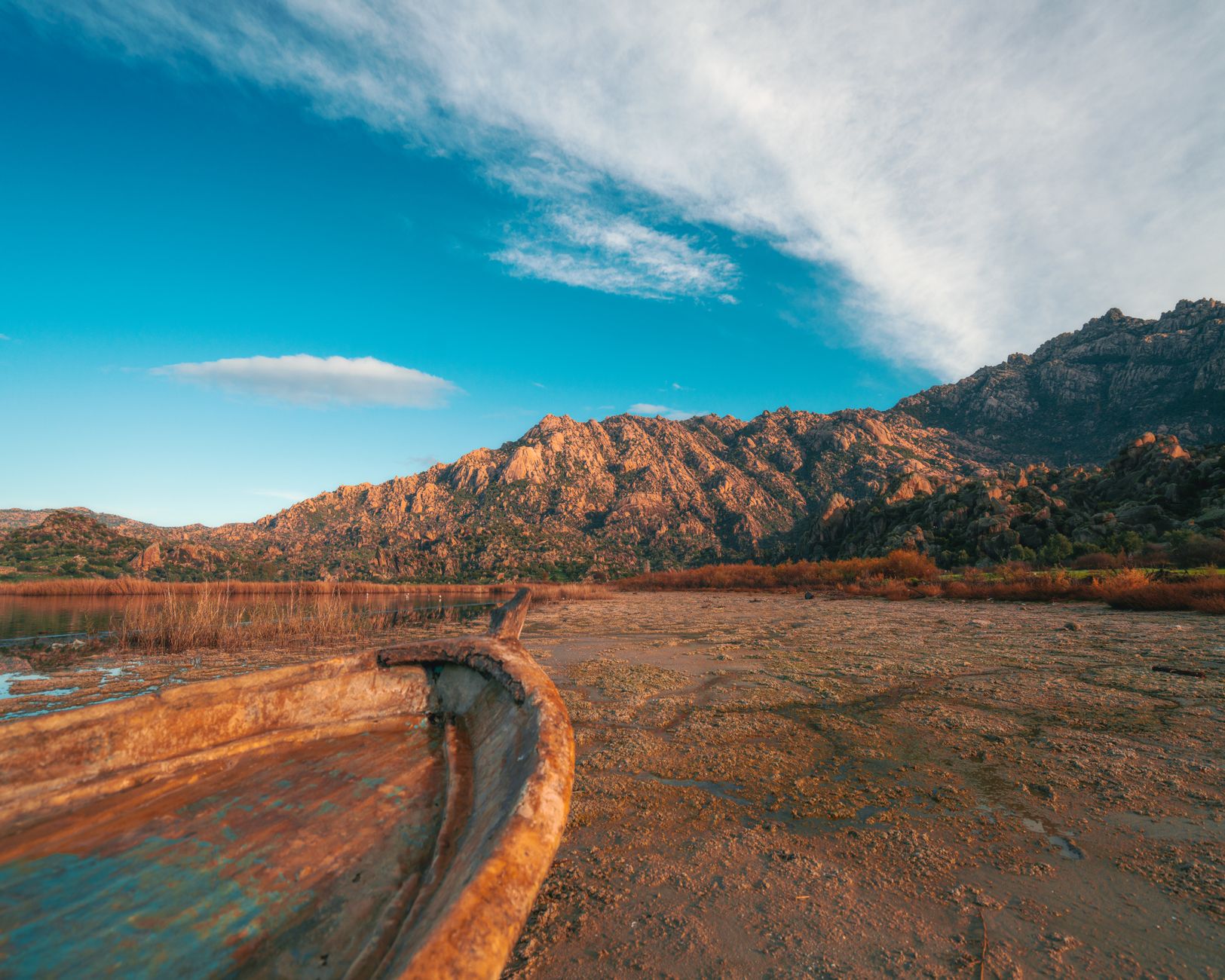
- Lake Bafa Nature Park: Ancient groves and monasteries (such as the Yediler Monastery) are set among olive groves and pine forests, with easy walking paths.
These sites are best explored on foot, allowing time to absorb the atmosphere and respect the local flora and fauna.
Best Seasons for Walking Among the Sacred Groves
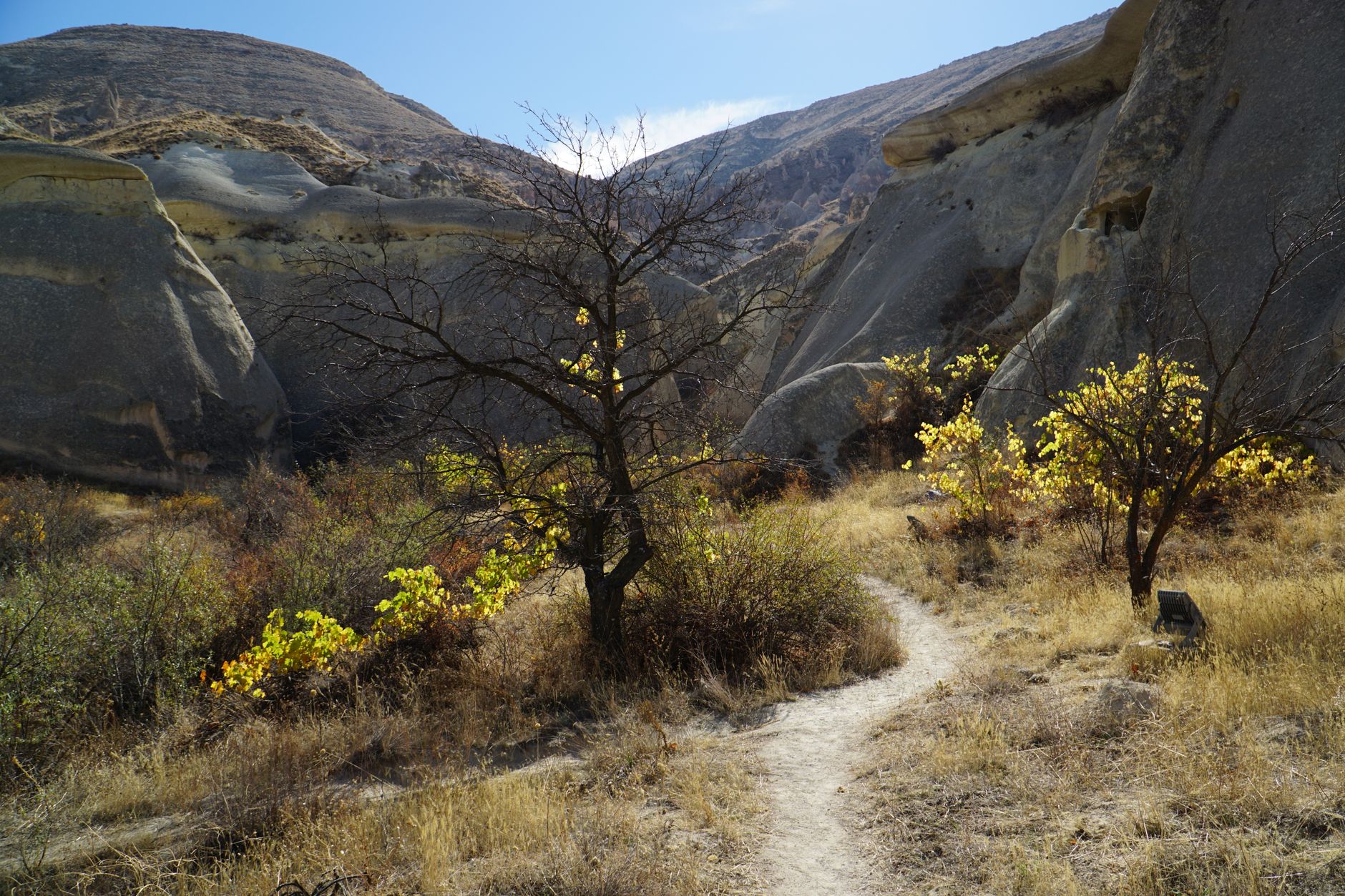
The ideal times to walk these sacred landscapes are spring (April to May) and autumn (September to October). During these months, the weather is mild, the forests are alive with birdsong or turning gold, and the crowds are fewer.
Spring brings wildflowers and rushing streams, while autumn offers crisp air and vibrant foliage. Summer can be hot, especially in the south, so early morning walks are recommended. Winter, though cold in some regions, can be magical with mist and quiet, but some trails may be inaccessible due to snow.
Always check local conditions and respect any closures or regulations. Many of these areas are protected, and your gentle footsteps help preserve them for future generations.
A Tender Stewardship: Respecting the Sacred
Türkiye's sacred groves are not just tourist attractions; they are living heritage. When visiting, tread lightly, take only photographs, and leave only footprints. Avoid disturbing wildlife, picking plants, or leaving litter. Some sites are still used for worship, so be mindful of local customs.
Support local guides and conservation efforts. By walking respectfully, you become part of the long tradition of honoring these places. The myths may be ancient, but the need to protect these landscapes is urgent and ongoing.
Top Highlights
Popular Activities
Thinking about a trip to Turkey?
Share your contact details and a vetted local expert will follow up with a plan built around you — free, no obligation.
