

Türkiye's Ceramic Villages: Pottery Trails from Avanos to Kütahya
Why a Pottery Trail Through Türkiye?
Ceramics in Türkiye are not museum relics — they are working trades. In Avanos, a town split by the Kızılırmak (Red River) in Cappadocia, families have dug the red clay from the riverbanks for centuries and still throw it on kick wheels in workshops that open straight onto the street. Farther west in Kütahya, the tile ateliers carry a different lineage: the blue-and-white and polychrome çini tradition that once decorated mosques and palaces, now painted onto plates, cups and tiles by hand.
What makes this route special is access. You are not behind glass. Workshops invite you to sit at the wheel, feel the clay centre under your hands, and try a brush loaded with cobalt or turquoise under a master's patient eye. It is a creative itinerary for travellers who would rather make something than only photograph it.
This guide frames a route from Avanos to Kütahya with hands-on glazing sessions, studio etiquette, and honest advice on buying pieces that are genuinely handmade.
Avanos: Clay, Wheels and the Red River
Avanos sits about 8 km from Göreme and is easily reached on any Cappadocia itinerary. The older workshops cluster near the river and the town bridge, where you can watch potters shape jugs and amphorae that echo Hittite forms. Many studios are family-run and welcome visitors without appointment, though a phone call ahead secures a proper demonstration.
A classic first session lasts one to two hours: wedging the clay, centring it on the wheel, and pulling a simple bowl or cup. Expect to get muddy and to laugh at your first collapsing cylinder — the potters certainly will, kindly. Most workshops fire and ship your piece, or let you paint a pre-thrown blank if you leave the next day.
Ask about the difference between the town's utilitarian red-clay ware and the finer, more decorative pieces sold to visitors. Buying directly from the person who threw the pot is not only fairer, it is how you learn the story behind the object.
Kütahya: The Heart of Turkish Tile and Çini
Kütahya's ceramic quarter is where the çini tradition lives most vividly. The local quartz-rich clay body and brilliant glazes made the city a major tile centre, and today small ateliers still paint stylised tulips, carnations and vines freehand rather than by stencil. A morning in a workshop here is a lesson in patience: one tile can take hours of outline, fill and correction.
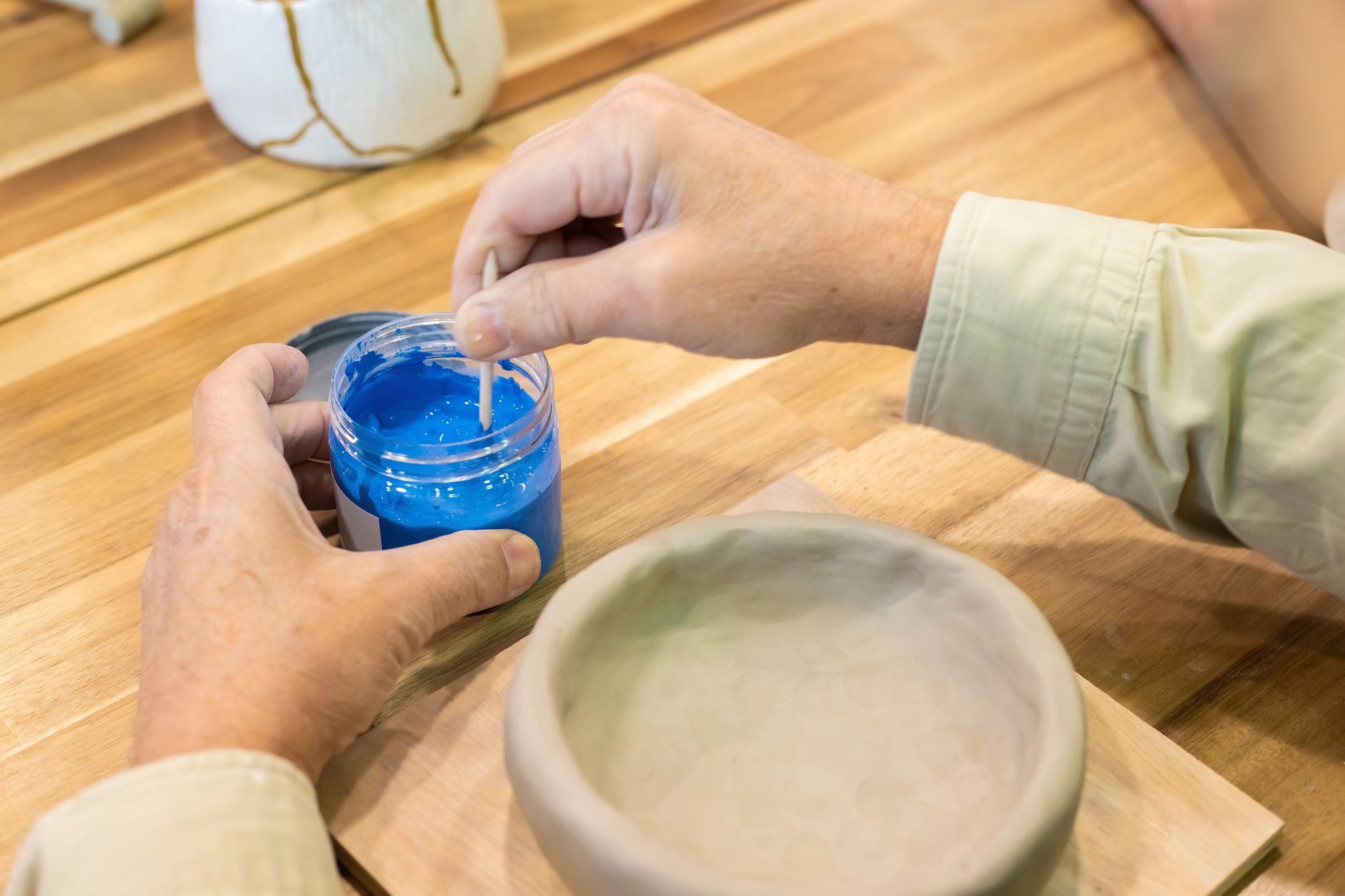
Look for the stages in sequence — shaping and drying, bisque firing, hand-painting, then the gloss firing that turns dull pigment into luminous colour. Many ateliers let visitors try a painting session on a prepared tile, which is fired and delivered after you leave. It is a genuinely absorbing hands-on experience for adults and older children.
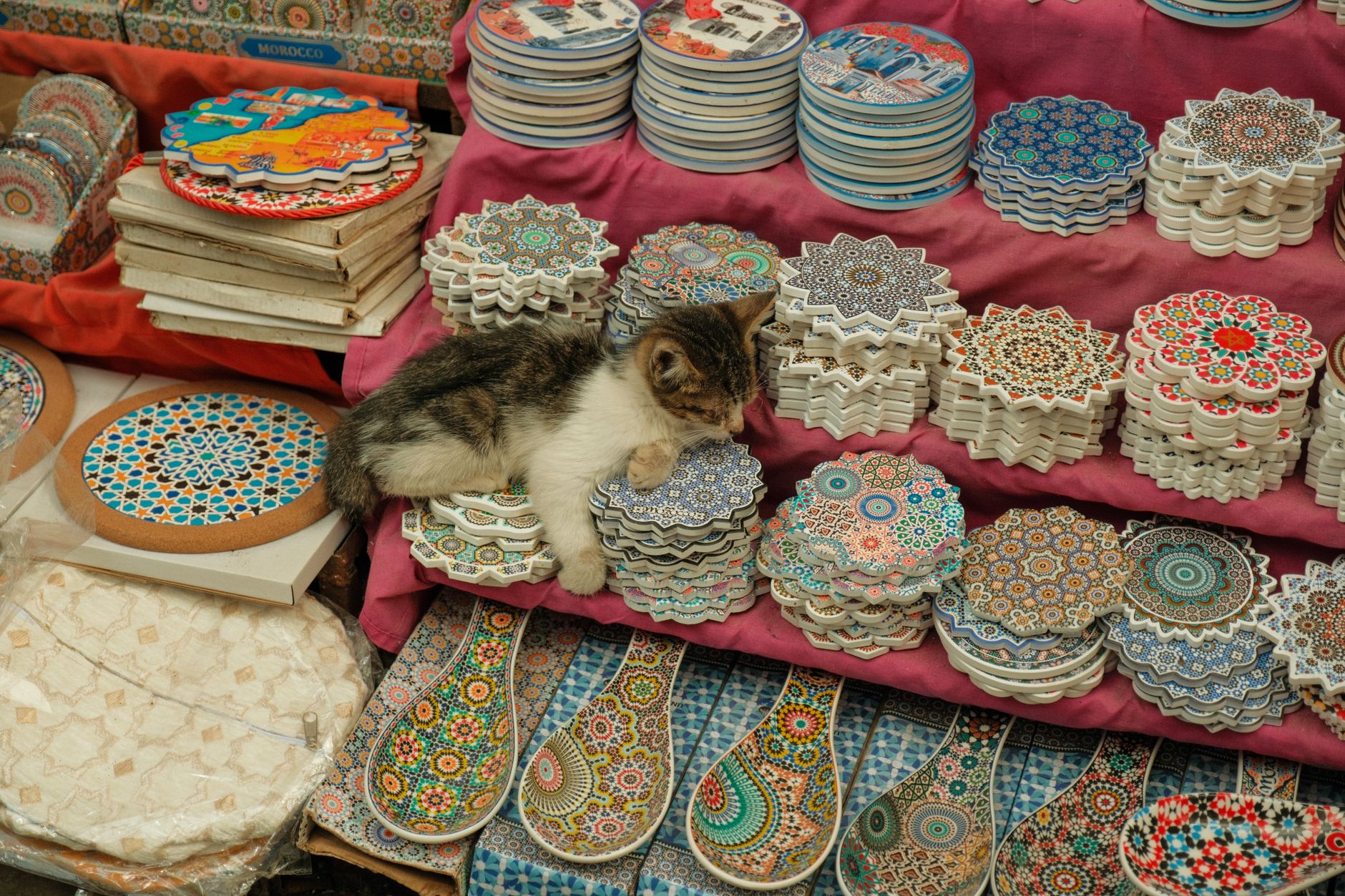
Kütahya is also a good place to understand quality. A master painter can explain why hand-painted lines vary slightly, why good glaze is even and glassy, and why a suspiciously cheap 'handmade' tile may be a transfer print.
Hands-On Glazing and Painting Experiences
The most memorable sessions on this route are the ones where you do the work. In Avanos you can try throwing, and often a second visit to glaze your own bisque-fired piece. In Kütahya, painting and glazing workshops let you apply colour and watch how glaze behaves before firing.
Useful things to know before you book:
- Sessions usually run 1–3 hours and cost modest fees that often include materials and firing.
- Fired pieces need time and sometimes shipping; ask about delivery timelines and packaging before you commit.
- Wear clothes you do not mind staining, and bring a notebook for glaze recipes and technique tips.
- Small groups are better — you get real attention at the wheel and the brush.
If you are travelling with family, painting tends to suit younger children while wheel-throwing is better for teens and adults. Many studios happily run both side by side.
Watching Master Craftspeople at Work
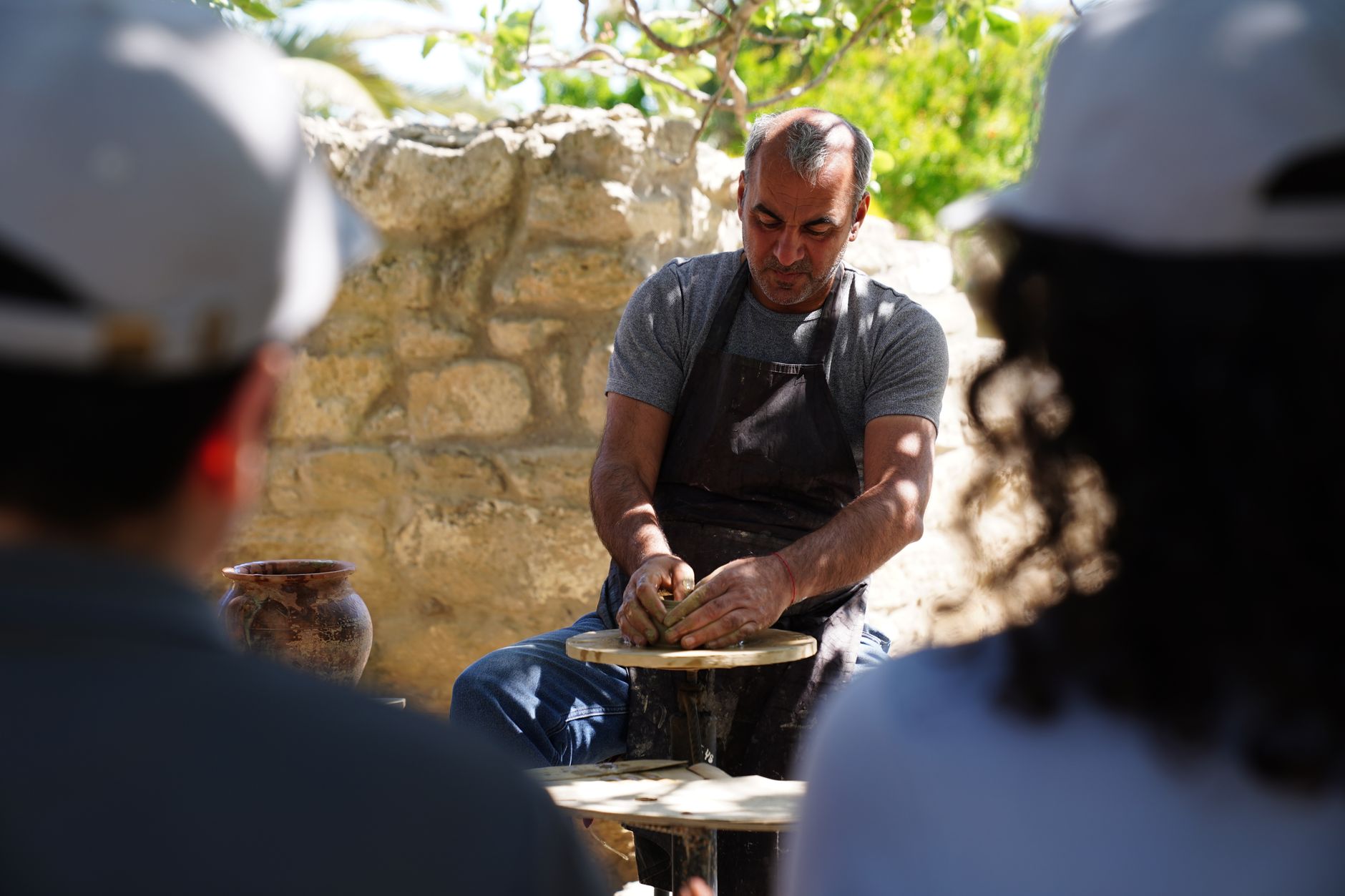
Demonstrations are the quiet highlight of this route. Watch how a master centres clay with a single steady motion, or how a painter loads a brush to make a line that tapers exactly as intended. Ask before photographing, keep your distance from the wheel, and do not touch unfired pieces — wet clay marks easily.
Good questions open doors: ask what clay body they use, how they fire, how long they trained, and which designs are local. Craftspeople are usually generous with knowledge when they sense genuine interest rather than a quick sale. A small purchase or a tip for a demonstration is appreciated.
For travellers who want to plan demonstrations and workshop visits around the rest of their trip, our itineraries and guides can help you slot pottery sessions into a wider Cappadocia and western Anatolia route.
Buying Authentic Ceramics: A Practical Checklist
Buying well is part of respecting the craft. Hand-thrown and hand-painted pieces cost more because they take real time — and they last. Here is a simple checklist:
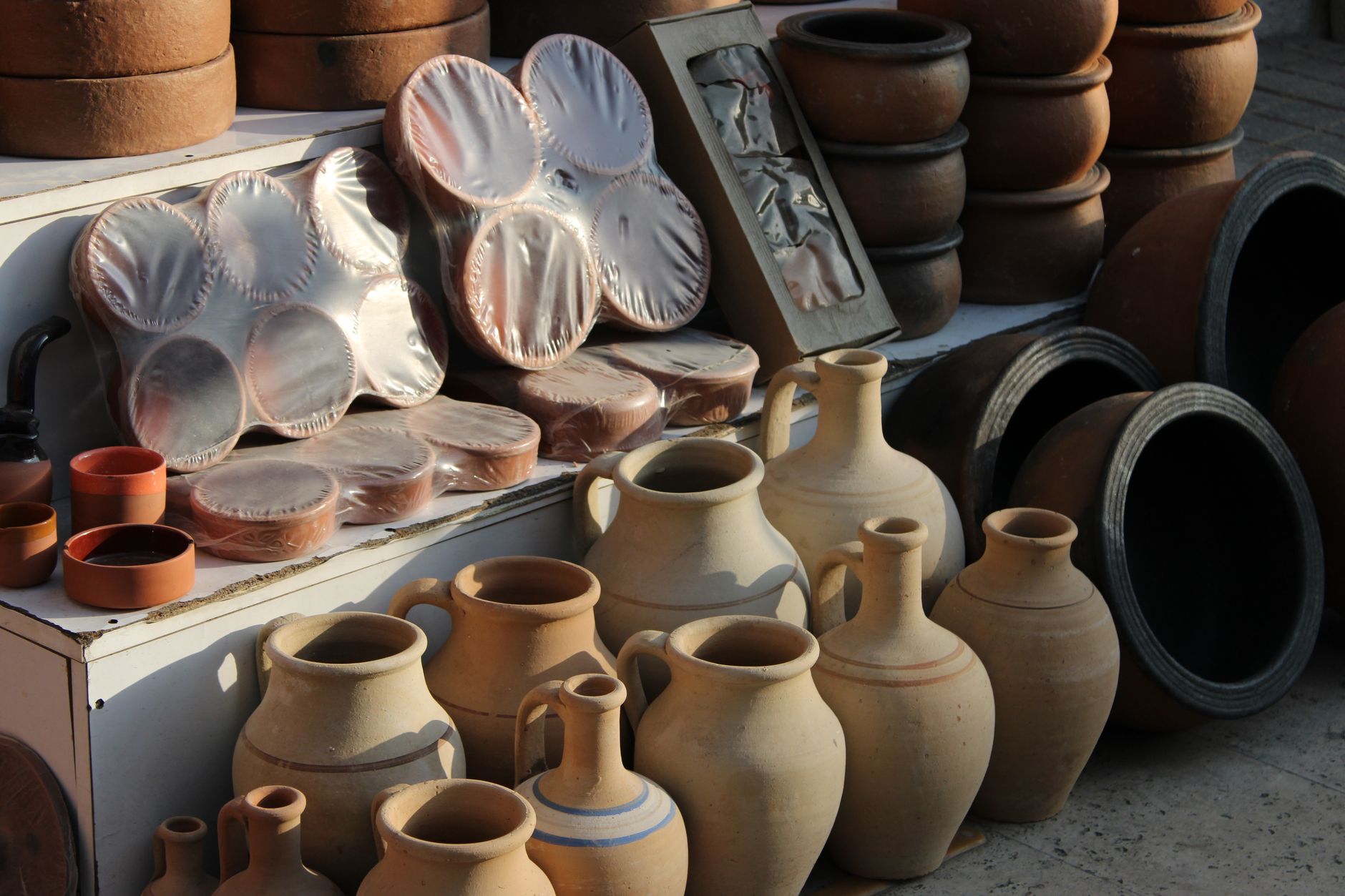
- Look for variation: slight irregularities in line and shape usually signal handwork; perfect repetition can mean transfer printing.
- Check the base: hand-thrown pieces often show throwing rings and a trimmed foot; ask what the mark means.
- Ask about the maker: who threw it, who painted it, and where it was fired.
- Test the glaze: it should be even and smooth, with no cloudy patches or pinholes.
- Ask about food safety if you plan to use plates or cups, and request careful packing for flights.
Buy from workshops where you have seen the process, and prefer small ateliers over gift shops with identical stock. Prices vary widely; a hand-painted tile or bowl is a fair purchase when the maker can tell you its story.
Planning Your Pottery Route
Spring and autumn are the most comfortable seasons for both Cappadocia and Kütahya, with mild days and fewer crowds. Summer is hot but lively, and winter workshops are warm, quiet and unhurried — a good time to spend longer at the wheel. Check our best-time guide before fixing dates.
A workable shape is three to four nights in Cappadocia with a full day for Avanos, then a transfer west for two nights in Kütahya focused on tile ateliers. Allow extra days for firing and shipping logistics. Our trip planner can help balance studio time with sightseeing, and our local experts can suggest workshops that welcome visitors.
Above all, slow down. The pleasure of this route is in the repetition — centring clay, painting a line, waiting for the kiln — and in the realisation that Türkiye's craft heritage is not something you view, but something you can still join.
Top Highlights
Popular Activities
Thinking about a trip to Turkey?
Share your contact details and a vetted local expert will follow up with a plan built around you — free, no obligation.
