

Türkiye's Cheese and Breakfast Trails: From Kars Kaşar to Aegean Herb Tables
Why Breakfast Is the Heart of Turkish Travel
In Türkiye, breakfast — kahvaltı, literally “before coffee” — is a leisurely, abundant affair. It is the meal where hospitality is most visible: tables disappear under a mosaic of white cheeses, olives, jams, tomatoes, cucumbers, honey, clotted cream, and endless glasses of tea. To travel Türkiye through its breakfasts is to understand its geography, its seasons, and its people.
This trail focuses on two pillars: the legendary cheeses of Anatolia and the herb-driven morning tables of the Aegean. Along the way, you will discover that breakfast is not just food — it is an invitation to slow down and connect.
Whether you are a cheese enthusiast, a market lover, or simply someone who believes mornings should be savored, these routes will change the way you think about breakfast.
Kars Kaşar: The Crown Jewel of Turkish Cheese
In the high, windswept plateaus of northeastern Türkiye, Kars is synonymous with kaşar — a firm, pale yellow cheese with a nutty, slightly salty flavor. Here, cheese-making is an art passed down through generations. The milk comes from cows grazing on wildflowers and mountain herbs, which gives the cheese its distinctive character.
Visit a local dairy to see how kaşar is stretched and aged, and then sit down to a village breakfast where thick slices of kaşar are served with warm bread, honey, and strong tea. The simplicity is stunning: the cheese is the star, and everything else is a supporting act.
Spring and summer are the best times to visit, when the highlands are green and the milk is at its richest. Be sure to bring a cool bag — you will want to take some kaşar home.
Black Sea Cheeses: A World of Tang and Texture
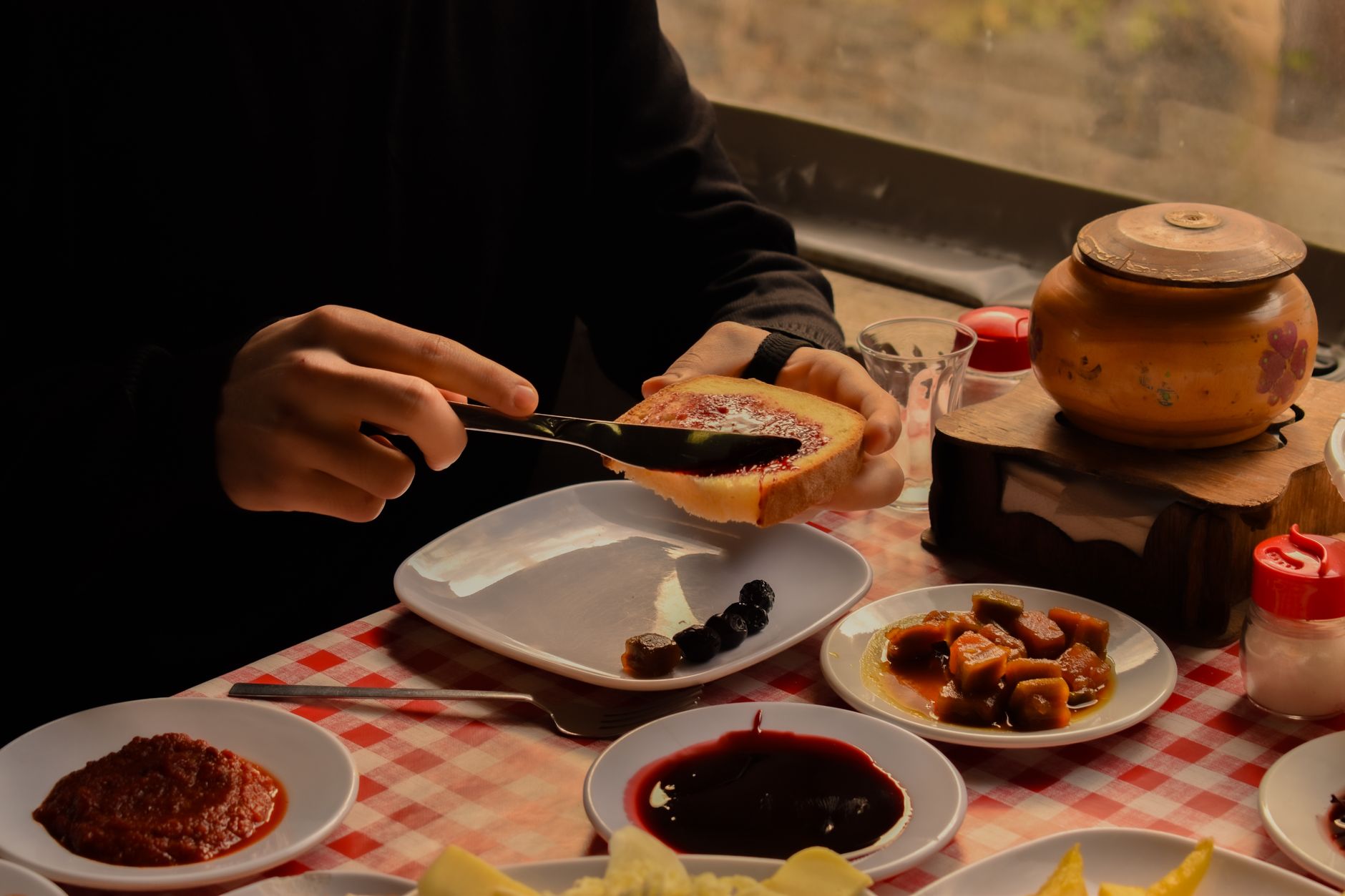
The Black Sea coast is a world apart. Here, humidity and steep green hills produce a dazzling array of cheeses: tel peyniri (string cheese), çökelek (a tangy, crumbly cheese), and minzi (a salty, aged cheese). Each has its own personality and its own way of appearing at the breakfast table.
In villages around Trabzon and Rize, breakfast often includes muhlama — a gooey, comforting dish of cornmeal, butter, and cheese — alongside fresh bread and black tea. The generosity of the hosts is legendary; you will not leave hungry.
Take time to explore local markets, where cheese vendors offer tastes and stories. The Black Sea breakfast is a lesson in how climate and terrain shape flavor.
Aegean Herb Tables: Breakfast from the Hills
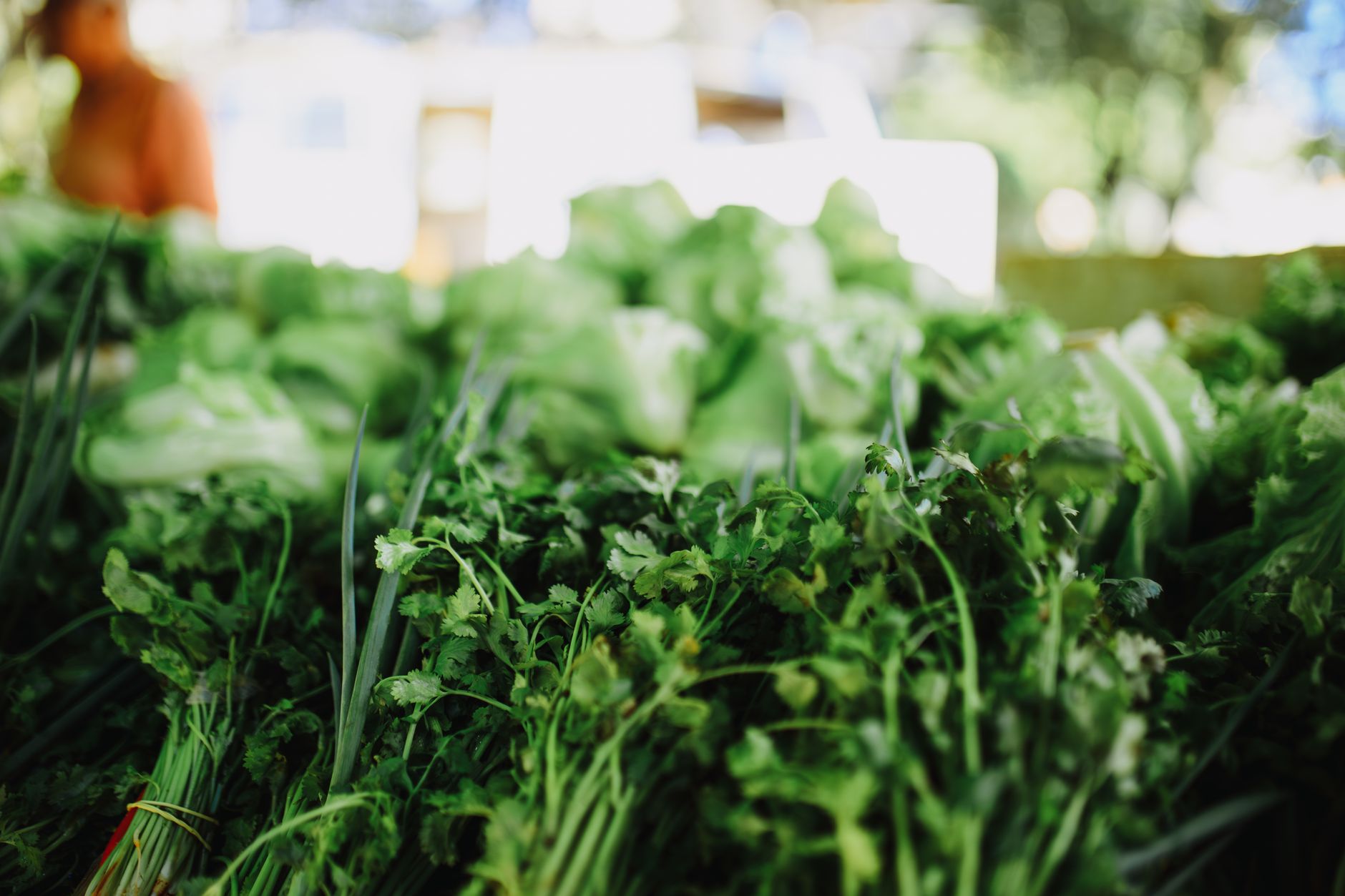
On the Aegean coast, breakfast takes on a fresh, green character. The region’s markets overflow with wild herbs — radika, turşu otu, deniz börülcesi — which are blanched, dressed with olive oil and lemon, and served as meze-style plates at breakfast. This is the land of olive oil, and it shows.
In the villages around İzmir, Ayvalık, and Bodrum, breakfast tables are a celebration of the garden: herb omelets, stuffed zucchini flowers, fresh cheeses like lor and sepet peyniri, and endless greens. The pace is slow, the tea is plentiful, and the conversation flows as freely as the olive oil.
Pair your breakfast with a visit to a local market — the sights, sounds, and aromas are part of the experience. The Aegean breakfast is a masterclass in freshness and simplicity.
Market Mornings and Village Breakfasts: Practical Tips
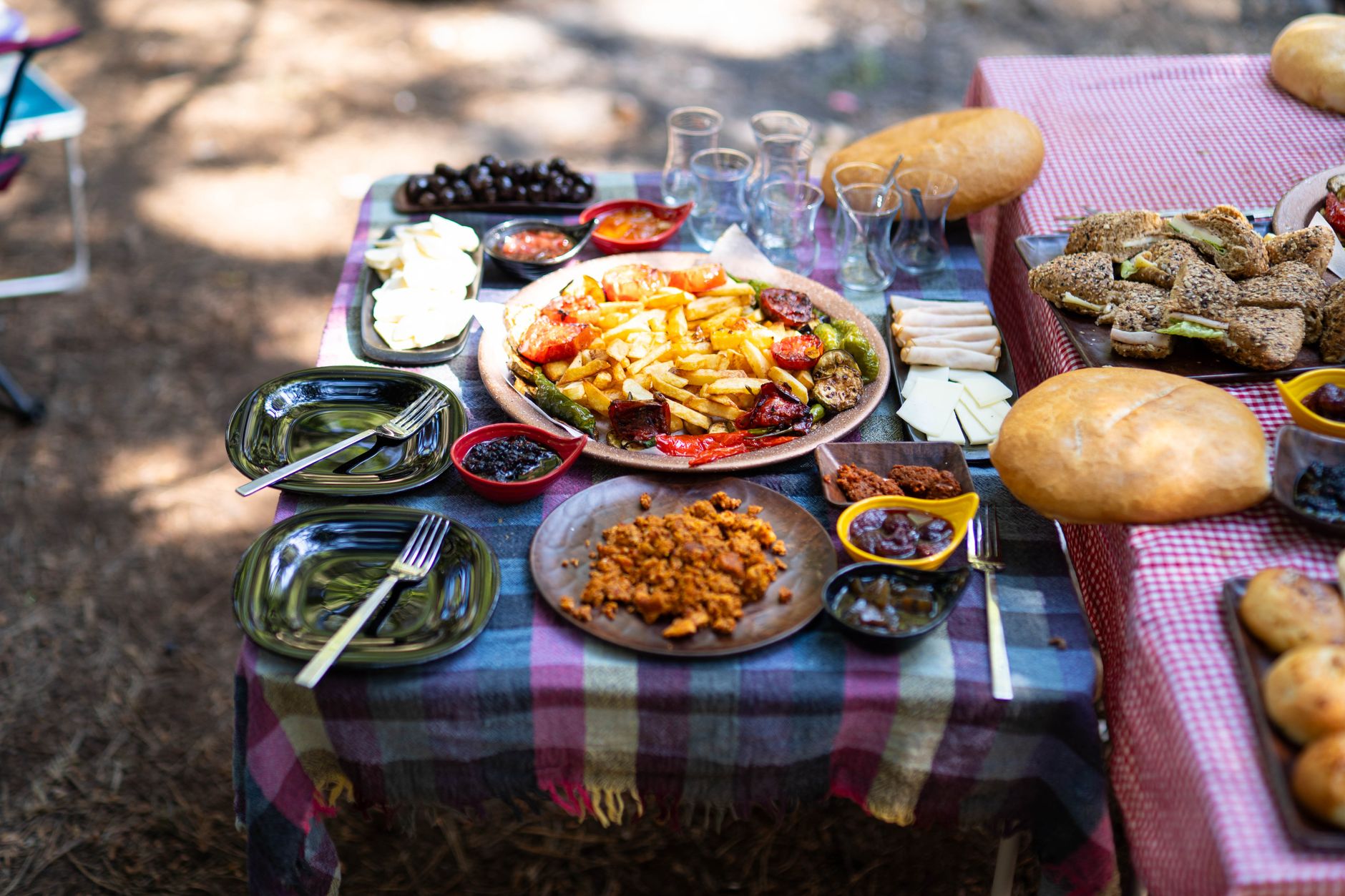
To truly experience Turkish breakfast culture, seek out village breakfasts (köy kahvaltısı) and local markets. In the interior — from Eskişehir to Erzurum — village breakfasts are often served in rustic settings, with homemade jams, freshly baked bread, and cheeses made on the premises.
Here are a few tips to make the most of your mornings:
- Go early: Markets are liveliest before 10 a.m., and village breakfasts often start at 8.
- Portion sizes: Breakfast spreads are generous — pace yourself and don’t feel obliged to finish everything. It is acceptable to leave food; it signals that you have had enough.
- Tea etiquette: Your glass will be refilled constantly. Place your spoon across the top of the glass to signal you have had enough.
- Packing cheese: If you buy cheese to take home, ask the vendor to vacuum-seal it. Kaşar and aged cheeses travel well; soft cheeses like lor should be eaten fresh.
- Cash: Many village breakfasts and market stalls are cash-only.
For more practical advice on traveling in Türkiye, see our travel tools and best time to visit guides.
Packing Cheese Safely for the Journey Home
Bringing home a taste of Türkiye is part of the joy of travel. Hard cheeses like Kars kaşar and aged tulum are the easiest to transport. Ask for them to be vacuum-sealed, and keep them in a cool bag until you reach home.
For soft cheeses, consider eating them during your trip rather than risking spoilage. If you do want to bring some back, check your country’s customs regulations — dairy products are often restricted.
Remember that the best souvenir is the memory of the breakfast itself: the generosity, the laughter, and the endless tea. Share your experiences with us on our gallery, and let us know your favorite breakfast spots.
Planning Your Breakfast Trail
This journey can be tailored to your interests and timeframe. A focused cheese trail might take you from Kars to the Black Sea in 7–10 days, while a broader breakfast tour could include the Aegean and Central Anatolia over two weeks.
Use our trip planner to map your route, and check our itineraries for inspiration. For a deeper dive into regional food cultures, our guides offer expert insights.
However you plan, remember that Turkish breakfast is about more than sustenance — it is about connection. Accept the invitation, linger at the table, and let the morning unfold.
Top Highlights
Popular Activities
Thinking about a trip to Turkey?
Share your contact details and a vetted local expert will follow up with a plan built around you — free, no obligation.
