

Türkiye's Cove-Hopping Gulet Week: A Cabin-by-Cabin Guide to the Turquoise Coast
Why a Gulet Week Is the Easiest Way to See the Turquoise Coast
A gulet is a traditional wooden sailing vessel built for exactly one purpose: gliding between pine-fringed coves with a small group of happy guests aboard. Unlike a hotel-hopping itinerary, a gulet week means you pack once and never touch a suitcase again — your cabin, your sunbed and your dinner table all travel with you as the coastline slides past.
The stretch between Fethiye, Göcek and Olympos is arguably the calmest, most sheltered water in the eastern Mediterranean. Bays like Ölüdeniz, Butterfly Valley and the Göcek islands are protected by headlands, so the sea stays glassy even when open water is choppy. You'll wake to the smell of coffee and pine resin, swim before breakfast, and anchor for dinner under a sky thick with stars.
This is a relaxing, social rhythm rather than an action holiday — think slow mornings, long lunches, a book in the shade and the gentle clink of the anchor chain at dusk. For context on how this fits a wider Turkish trip, browse our destinations and routes pages.
Choosing Your Cabin: Layouts and What to Expect
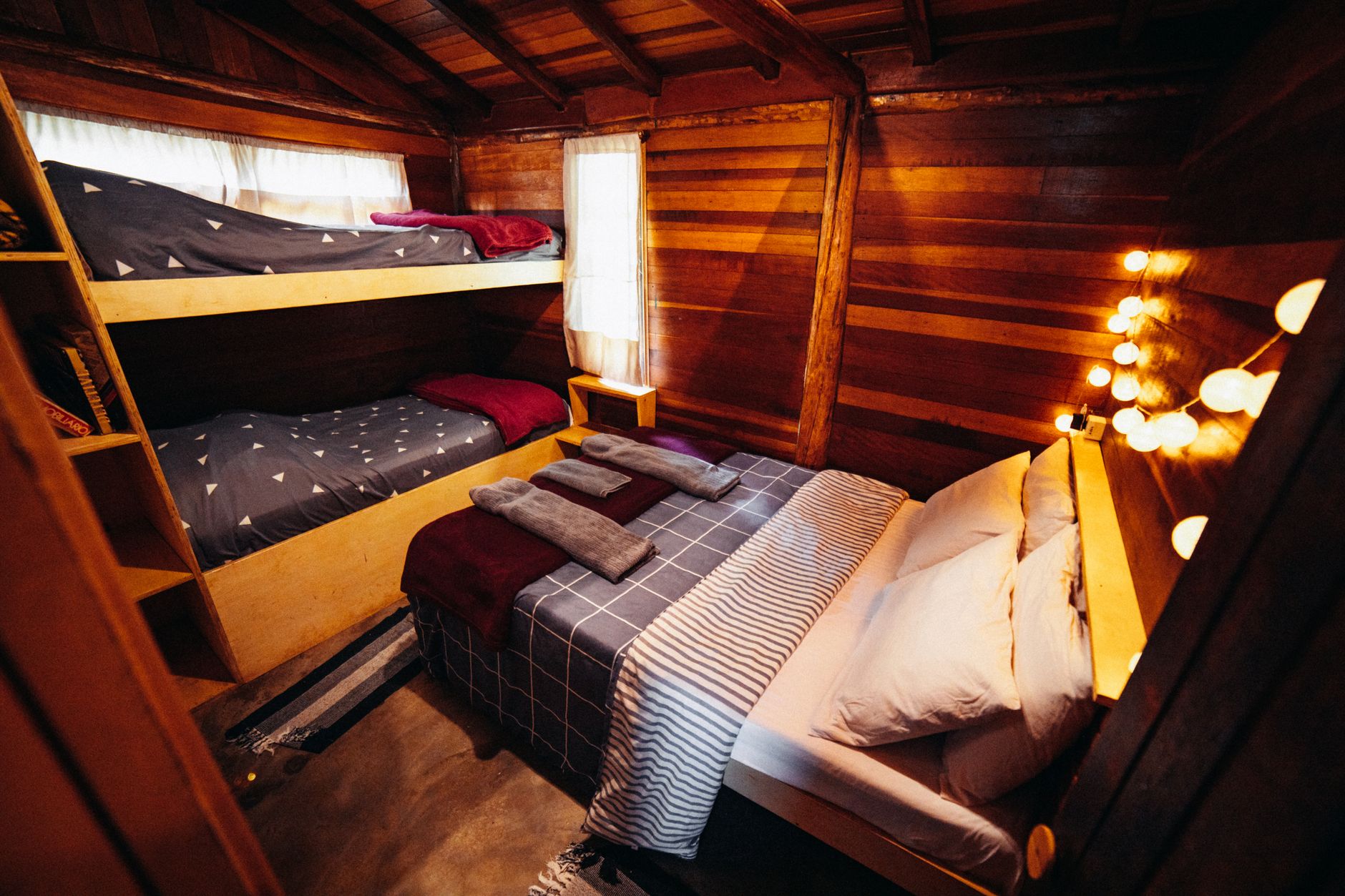
Gulets are wooden boats, so cabins are compact but cleverly designed. Standard double cabins offer a bed, small wardrobe, reading lights and a private en-suite shower and toilet — modest but perfectly comfortable, since most of your day happens on deck. Twin cabins are common for friends and solo travellers sharing.
Larger gulets have a master or stern cabin with a bit more floor space, sometimes a seating nook and a bigger bathroom. On the newest boats you may find air-conditioning zones and fans in every cabin; on classic wooden gulets, AC often runs at set hours (typically evening and night) to conserve power. Ask before booking — it's the single most common surprise for first-timers.
- Standard double: best value, fine for couples.
- Twin: ideal for friends or solo travellers sharing.
- Master/stern: extra space, often the best bathroom.
- Shared/berth options: rare, but some operators offer solo places on set departures.
Cabins are for sleeping and showering — the deck is the real living room. If you need lots of private space, consider a smaller group charter rather than a cabin-by-cabin booking.
What's Included in a Typical Gulet Week
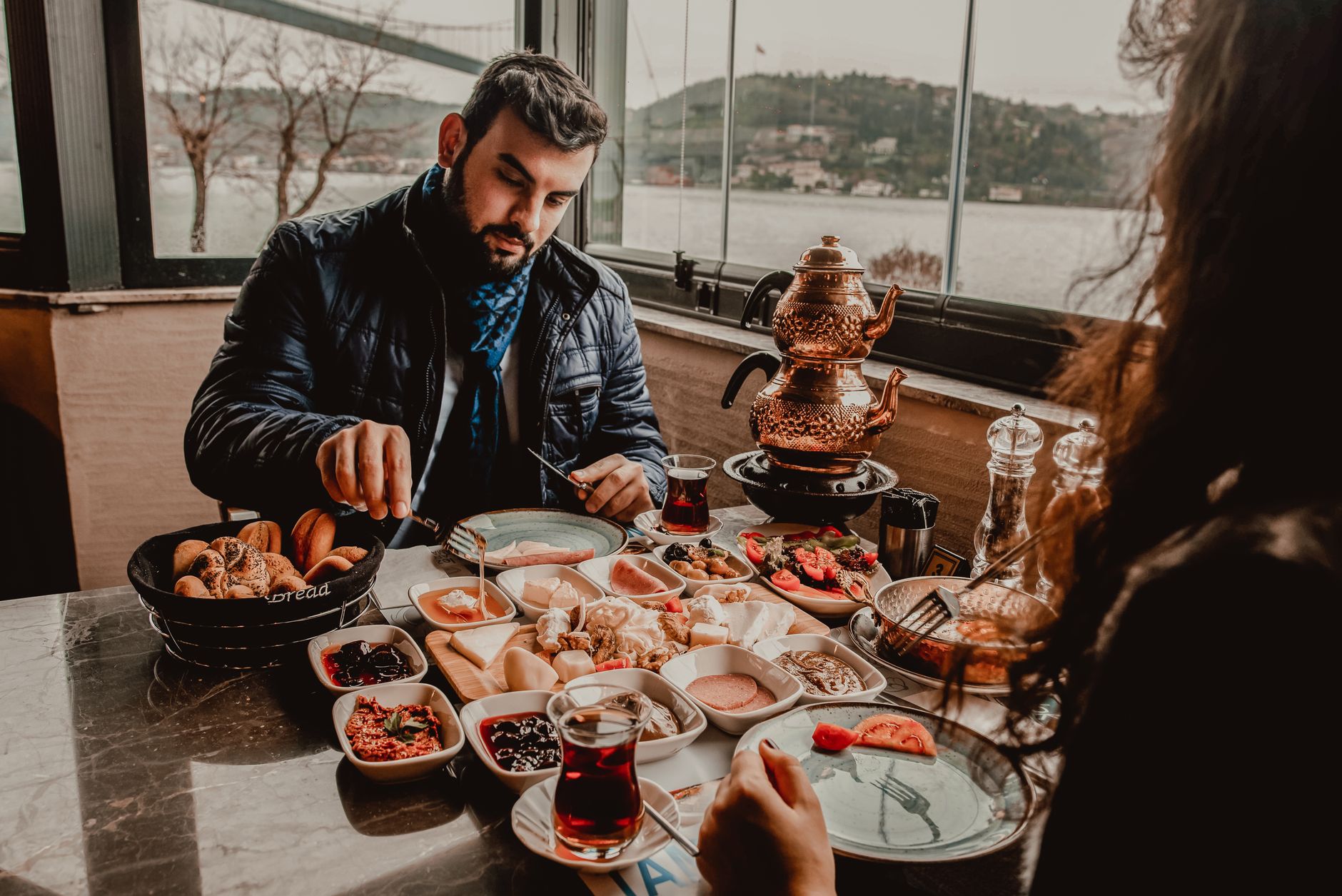
Most weeklong cabin charters bundle the essentials: your cabin, all onboard meals (usually breakfast, lunch and dinner prepared by the boat's cook), drinking water, fuel, crew wages and harbour fees. The food is a genuine highlight — mezes, grilled fish, olive-oil vegetable dishes, fresh bread and fruit, often sourced from the morning market in the nearest harbour.
What's usually not included: alcoholic drinks (often bought onboard or via a bar tab), soft drinks, entrance fees to archaeological sites, optional excursions, tips for the crew and transfers to and from the marina. Some operators add a modest mandatory drinks or service supplement — always confirm the total before you pay a deposit.
Bring a refillable water bottle, reef-safe sunscreen, a light layer for breezy evenings and shoes with grip for rocky swim stops. Everything else — snorkels, sun mats, fishing lines — is often already aboard, and the crew are famously generous with local advice and endless glasses of tea.
Seasickness-Friendly Routes and the Calmest Sailing
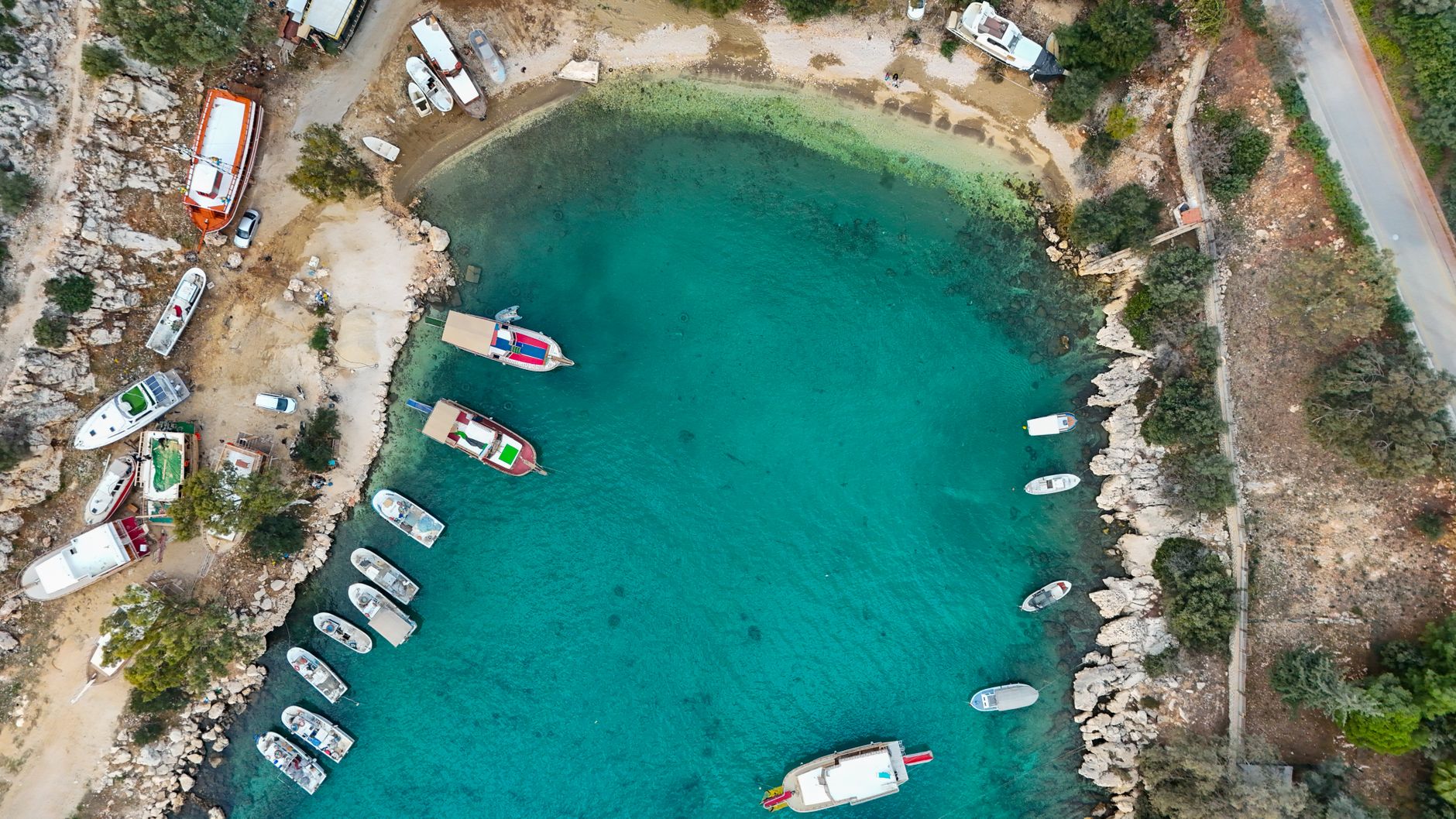
The good news: this coast is naturally gentle. Routes that hug the shoreline and use the Göcek archipelago as a buffer consistently deliver the flattest water. The classic Fethiye–Göcek–Olympos arc stays inside protected bays for most of the week, saving any longer open-water legs for early morning when the sea is at its calmest.
If you're prone to motion sickness, ask the operator for an inside route with short hops rather than a route that crosses the Gulf of Fethiye on exposed headings. Boats anchored in a bay overnight are far more comfortable than those running at night, so choose a schedule that moors or anchors each evening.
Practical tips: pick a mid-ship cabin (least movement), take medication an hour before departure as a precaution, keep your eyes on the horizon and stay hydrated. Mornings are typically the calmest window, with afternoon breezes that sailors love and sensitive stomachs quickly forget once the boat is tucked into a cove. See our best-time guide for seasonal sea conditions.
How to Choose a Reputable Operator
Start with the basics: a licensed Turkish operator with a registered vessel, clearly stated crew numbers and a real address and phone number. Ask for the boat's name and year of build or refit — a well-maintained 15-year-old gulet beats a neglected newer one. Photos of the actual cabins, not just the deck, tell you a lot.
Read recent reviews from multiple sources and look for consistent comments about the crew and the food, not just the scenery. Ask direct questions: Is the price per person or per cabin? What's the drinks policy? Is there a single supplement? What happens in bad weather? A good operator answers these cheerfully and in writing.
Confirm insurance, safety equipment, life jackets and whether the captain holds proper certification. A fair deposit with a balance due closer to departure and a clear cancellation policy are signs of a professional setup. For vetted recommendations, explore our experts and check how we assess operators on our trust page.

Life Afloat: Coves, Meals and Starry Nights
A typical day: coffee at sunrise, a short sail to a sheltered swimming cove, snorkelling in water so clear you can count the stones, lunch served family-style on the aft deck, an afternoon of reading or a walk ashore, then anchoring for dinner as the light turns gold. Repeat — and somehow it never gets old.
Evenings are the magic. With no light pollution over the bays, the stars come out in layers, and the crew often share raki, tea and stories of the coast. Turkish hospitality afloat is legendary — expect to be offered far more food than you can eat and to leave with new friends.
"You'll arrive with a suitcase and leave with a suntan, three new friends and a favourite cove you'll be planning to return to."
Use our itineraries and planner to slot a gulet week into a longer Turkish adventure, and check travel tools for what to pack.
Top Highlights
Popular Activities
Thinking about a trip to Turkey?
Share your contact details and a vetted local expert will follow up with a plan built around you — free, no obligation.
