

Türkiye's Cycling Routes Through Vineyards and Valleys: Aegean and Thracian Backroads
Why Cycle Through Türkiye's Vineyards and Valleys?
Cycling through Türkiye's countryside is like riding through a living postcard. The Aegean and Thracian backroads wind past endless olive groves, vineyards heavy with grapes, and quiet stone villages where time seems to slow down. Unlike rushing from one tourist site to another, cycling lets you experience the landscape at a human pace—close enough to smell the wild thyme, hear the birds, and feel the breeze off the Aegean Sea.
These routes are designed for casual riders, with mostly flat terrain and short distances between interesting stops. You don't need to be a fitness fanatic to enjoy them; a leisurely pace is encouraged. The real reward is the scenery: rolling hills dotted with olive trees, vineyards stretching to the horizon, and villages built from local stone that blend into the landscape.
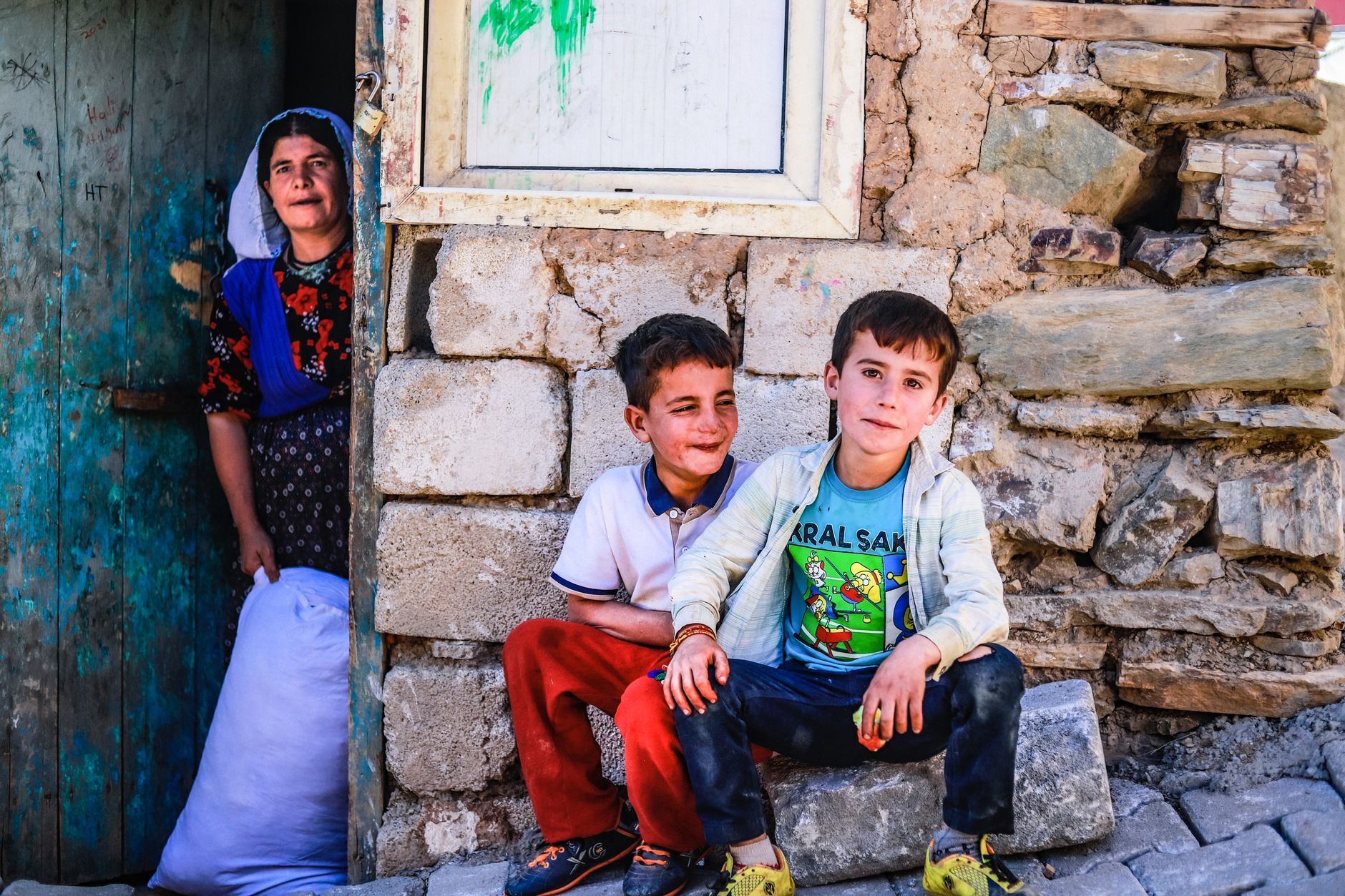
And then there are the people. As you pedal through, you'll be greeted with friendly waves from village children, curious smiles from farmers, and invitations to stop for a glass of tea. It's this warmth that makes cycling here so special—you're not just a visitor, you're a welcome guest.
Thrace: Sunflower Fields and Vineyard Roads
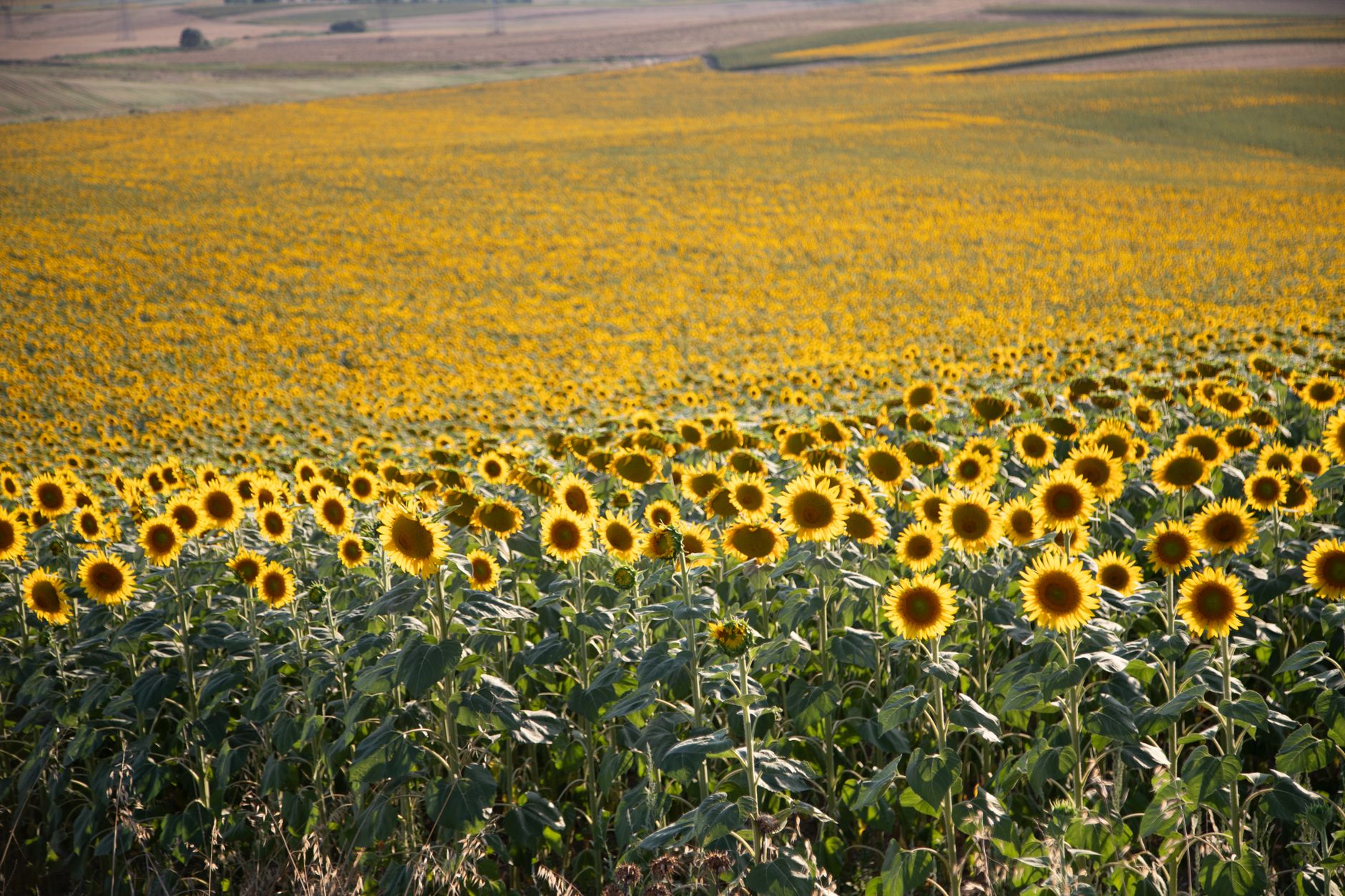
Thrace, the European part of Türkiye, is a cyclist's paradise of gentle rolling hills and vast sunflower fields. In summer, the bright yellow blooms create a stunning contrast against the blue sky. The region is also known for its vineyards, especially around the town of Uçmakdere and the slopes of the Ganos Mountains. Routes here often follow quiet country lanes that wind through vineyards and past traditional wineries.
A highlight is the coastal route along the Sea of Marmara, where you can combine sea views with vineyard visits. The terrain is mostly flat, making it ideal for families and casual riders. Don't miss the opportunity to taste local wines at small family-run wineries—many welcome cyclists with open arms.
For a cultural break, stop in the historic town of Edirne, with its stunning Selimiye Mosque, or explore the ancient ruins of Ainos (Enez). The region's history is as rich as its soil.
Aegean: Olive Groves and Stone Villages
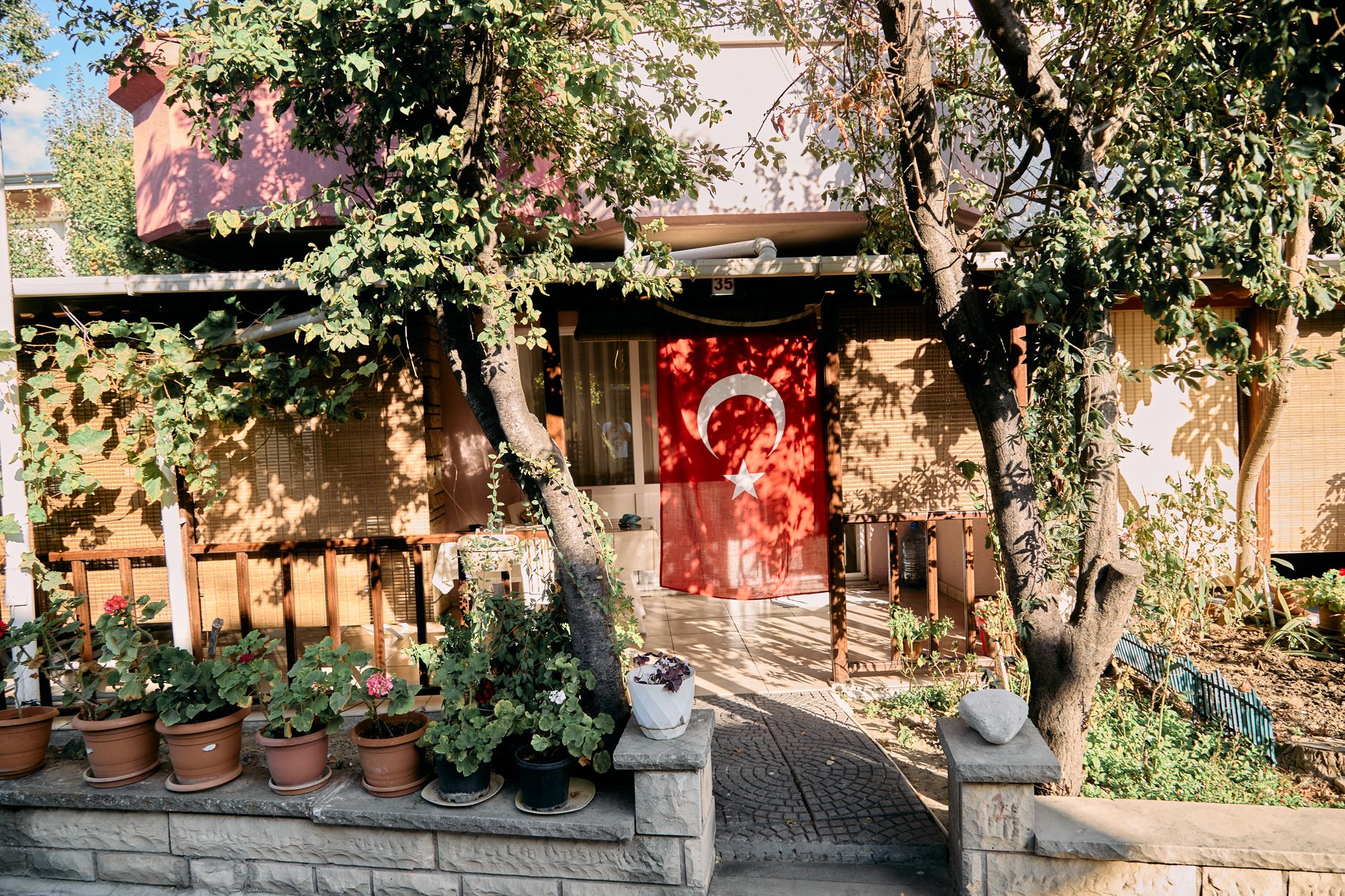
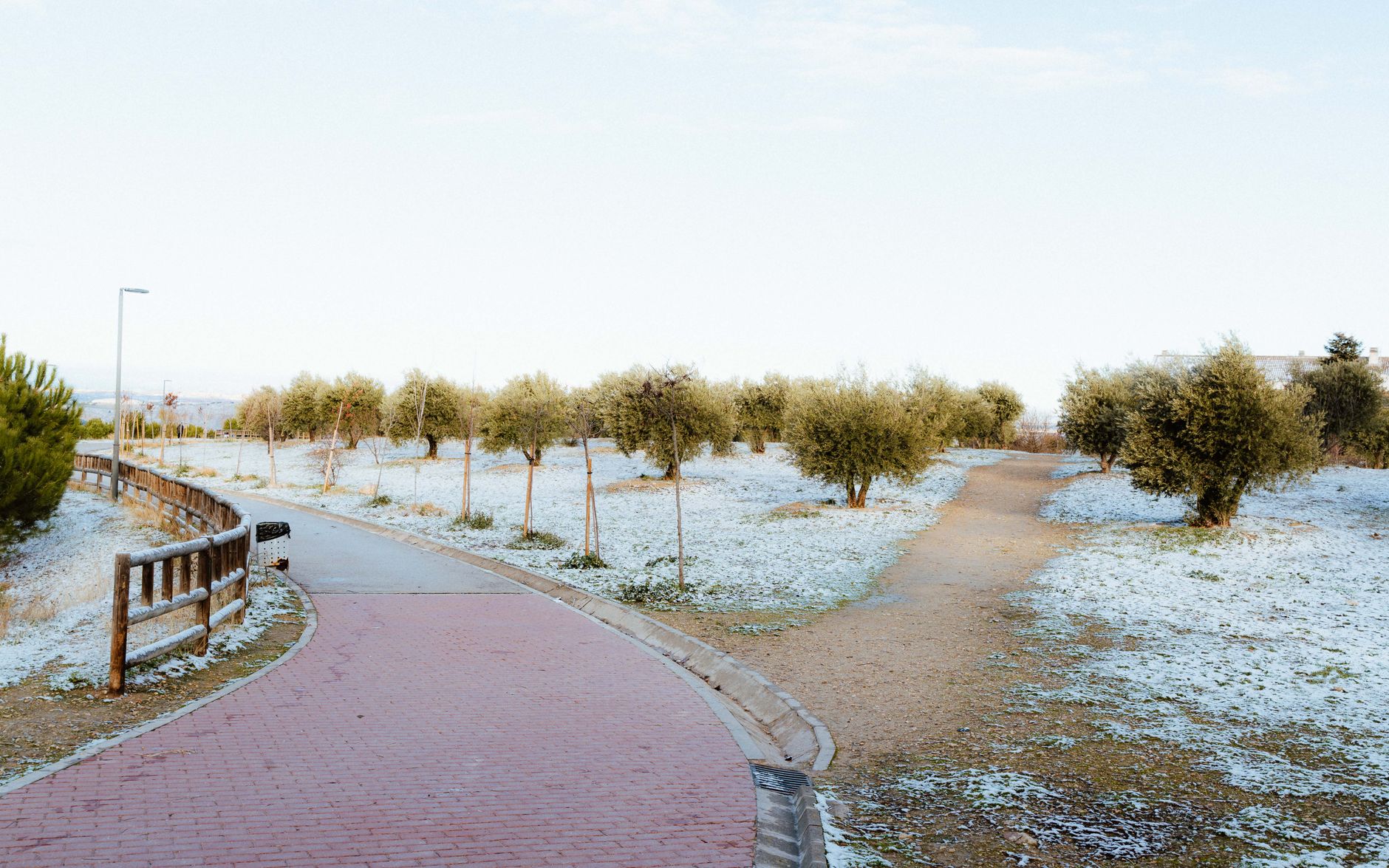
The Aegean coast and its hinterland offer some of the most picturesque cycling in Türkiye. Routes like the one from Ayvalık to Assos follow the coastline and then turn inland, climbing gently through olive groves and pine forests. The villages here, such as Cunda (Alibey Island) and Behramkale, are built from stone and have a timeless charm.
Further south, the Peninsula of Bodrum and the Datça Peninsula offer more challenging but equally rewarding routes. For casual riders, the flat roads around Lake Bafa and the Meander River provide easy going with stunning views of the lake and surrounding mountains.
The Aegean is also wine country; vineyards around Urla and Çeşme produce excellent local wines. Many wineries offer tastings and tours, and some even have bike-friendly facilities.
Practical Tips for Casual Cyclists
Bike Rental: You don't need to bring your own bike. Rental shops are available in larger towns and tourist areas such as Çanakkale, Ayvalık, Kuşadası, and Bodrum. Many rentals offer comfortable city bikes or hybrids suitable for gentle trails. It's advisable to book in advance, especially in peak season. Some tour operators also offer guided cycling tours with rental included.
Road Surfaces: Most of the recommended routes are on paved secondary roads with light traffic. Some sections may be unpaved (gravel or dirt), which can be handled by hybrid bikes with wider tires. Always check the surface conditions locally, as they can vary.
Midday Heat: The Aegean and Thracian summers can be hot, especially between 11 am and 3 pm. Plan your rides for early morning or late afternoon to avoid the heat. Carry plenty of water and take frequent breaks in the shade. Many villages have tea gardens where you can rest and rehydrate.
Roadside Tea Stops and Friendly Encounters
One of the joys of cycling in Türkiye is the ubiquitous tea stop. Every village has at least one tea garden (çay bahçesi) where locals gather to sip tea and chat. As a cyclist, you'll be welcomed to join. These stops are perfect for refueling with a glass of strong black tea and a simit (sesame bagel) or a piece of gözleme (stuffed flatbread).
The friendliness of the people is heartwarming. Children often run alongside you, waving and shouting greetings. Farmers may offer you fresh fruit from their orchards. It's these spontaneous interactions that make a cycling holiday in Türkiye unforgettable.
Don't be shy to accept invitations for tea—it's a cultural exchange and a chance to learn more about the local way of life.
Best Time to Cycle
The best seasons for cycling in the Aegean and Thrace are spring (April to June) and autumn (September to October). In spring, the countryside is green and wildflowers bloom; in autumn, the vineyards are ripe for harvest and the weather is mild. Summer can be hot, but early morning rides are still pleasant. Winter is generally mild but can be rainy, especially in Thrace.
Check our best time guide for more detailed weather information.
Suggested Itineraries
For a relaxed cycling holiday, consider a 5-7 day itinerary that combines Thrace and the Aegean. Start in Edirne, cycle through the vineyards of Thrace, then transfer to the Aegean coast for olive grove routes. Alternatively, focus on one region for a slower pace. Our itineraries page has sample routes and distances.
For those who prefer self-guided cycling, we offer custom planning tools to help you map your route, find rental shops, and book accommodations.
Remember, the goal is not to cover distance but to savor the journey. Take your time, stop often, and enjoy the scenery, the tea, and the smiles.
Top Highlights
Popular Activities
Thinking about a trip to Turkey?
Share your contact details and a vetted local expert will follow up with a plan built around you — free, no obligation.
