
Turquoise Coast Hidden Sea Caves and Quiet Bays by Boat
Why a Small-Group Boat Day Belongs on Your Lycian Itinerary
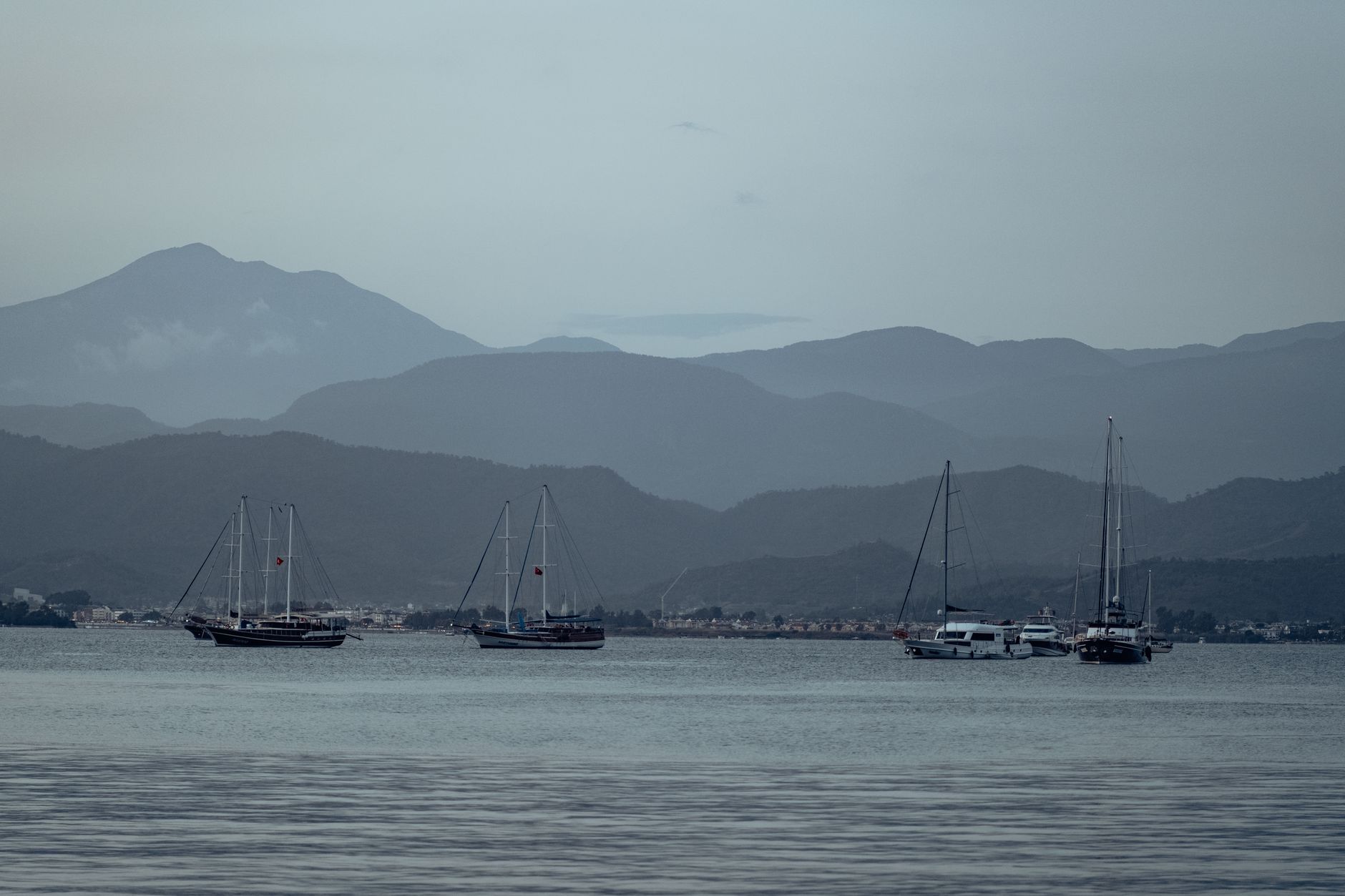
The Lycian coast between Fethiye and Antalya is a maze of limestone headlands, drowned valleys and bays that simply cannot be reached by road. A boat day is the only way to see the coastline as it was meant to be seen: from the water, with the pine trees running right down to the shoreline and the light shifting from blue to green over the shallows.
Small-group boats — often carrying ten to twenty guests rather than a hundred — let you slip into the quiet places. Captains know which caves are calm in the morning, which bay stays glassy when the afternoon breeze picks up, and where the water is shallow enough for a relaxed swim. You will usually stop four to six times, with plenty of time in the water at each one.
The pace is deliberately gentle. There is no rush to tick off viewpoints; instead you drift, swim, dry off in the sun, and eat lunch at anchor. For families, couples and solo travellers alike, it is often the calmest and most memorable day of a Turkish coastal holiday.
The Caves and Bays You Might Visit
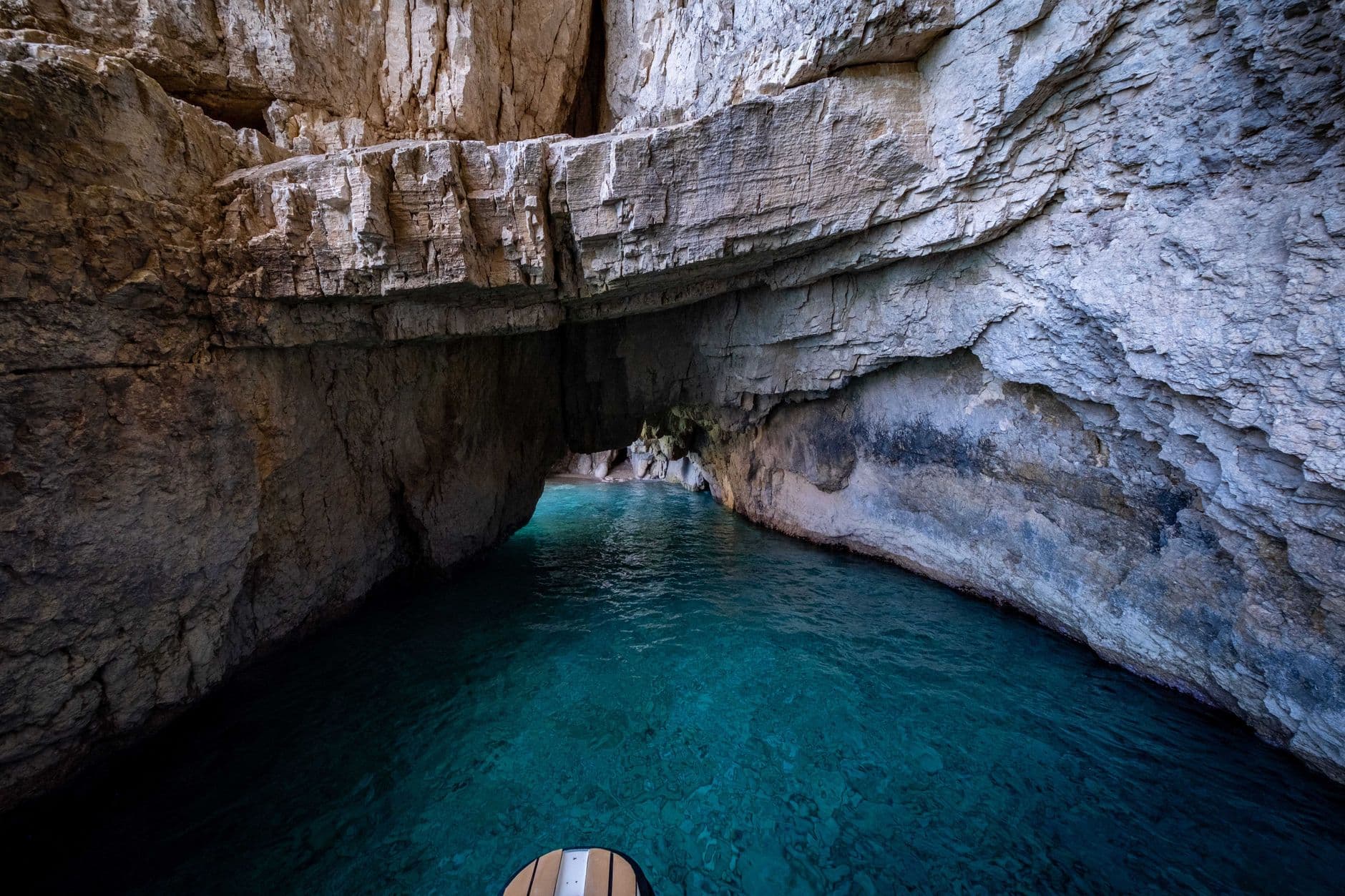
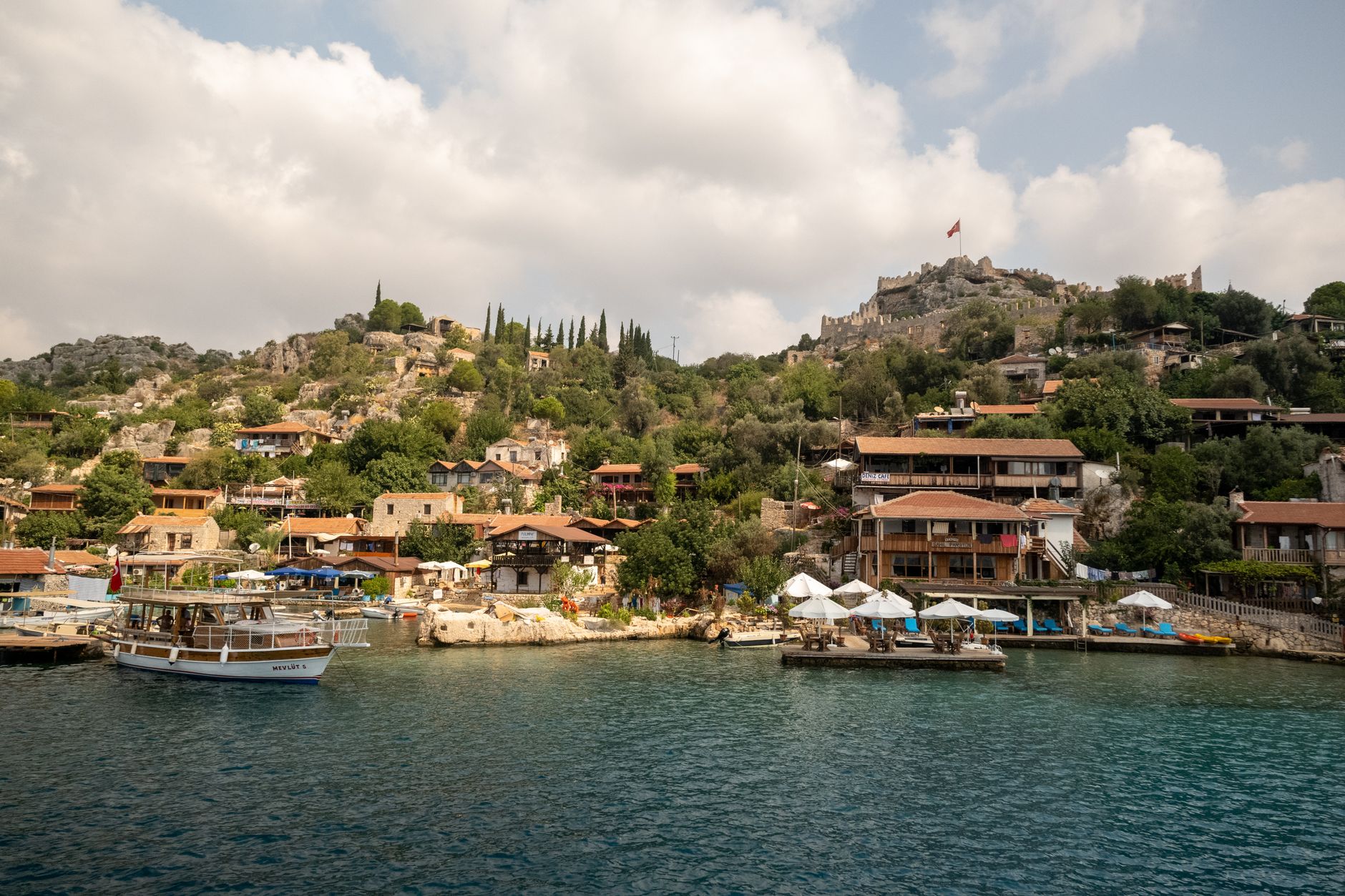
The coastline changes character every few kilometres. Around Kekova, the water hides half-submerged ruins and the famous Sunken City, which boats pass slowly so passengers can look down through the clear water. Near Gökkaya Bay and Üçağız, narrow entrances open into caves where sunlight bounces off the walls and turns the sea a deep, luminous blue-green.
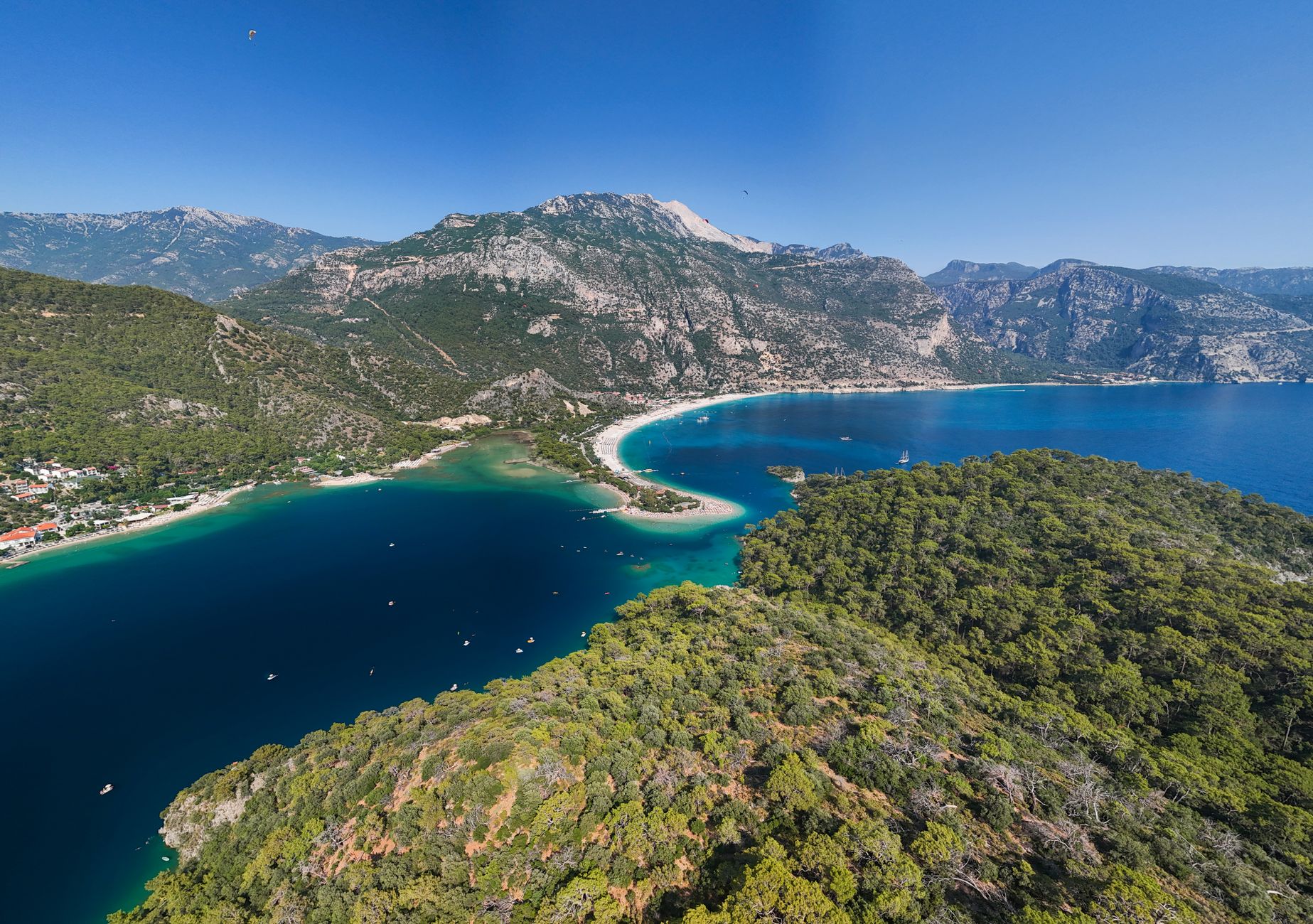
Other days head towards the Twelve Islands out of Fethiye, or the long, pine-fringed inlets of Butterfly Valley and Cold Water Bay. Each has its own personality: some are best for snorkelling, some for leaping off the bow, and some for nothing more ambitious than floating on your back.
Because these are sea caves rather than show caves, you do not go inside on foot. Boats nose in close, and confident swimmers may be allowed a short, guided swim nearby when conditions are right — always at the captain's discretion and with a life jacket if you want one.
Choosing a Licensed Skipper and a Good Boat
Turkish coastal boats carry a licence and are inspected for safety equipment, but quality varies. Look for operators who clearly state the maximum number of guests, include lunch in the price, and list life jackets and safety equipment as standard. A short conversation before booking tells you a lot: a good captain will happily explain the route, the likely sea conditions and the swimming stops.
Ask about the lunch menu, whether drinks are included (often not), and what happens if the weather turns. Reputable operators cancel or reroute rather than push into choppy water, and they will not overcrowd a small boat to fill seats.
For help comparing options and matching a boat day to the rest of your route, our local experts and trip planner can point you towards crews they know personally.
Safety on the Water: Life Jackets, Swimming and Sun
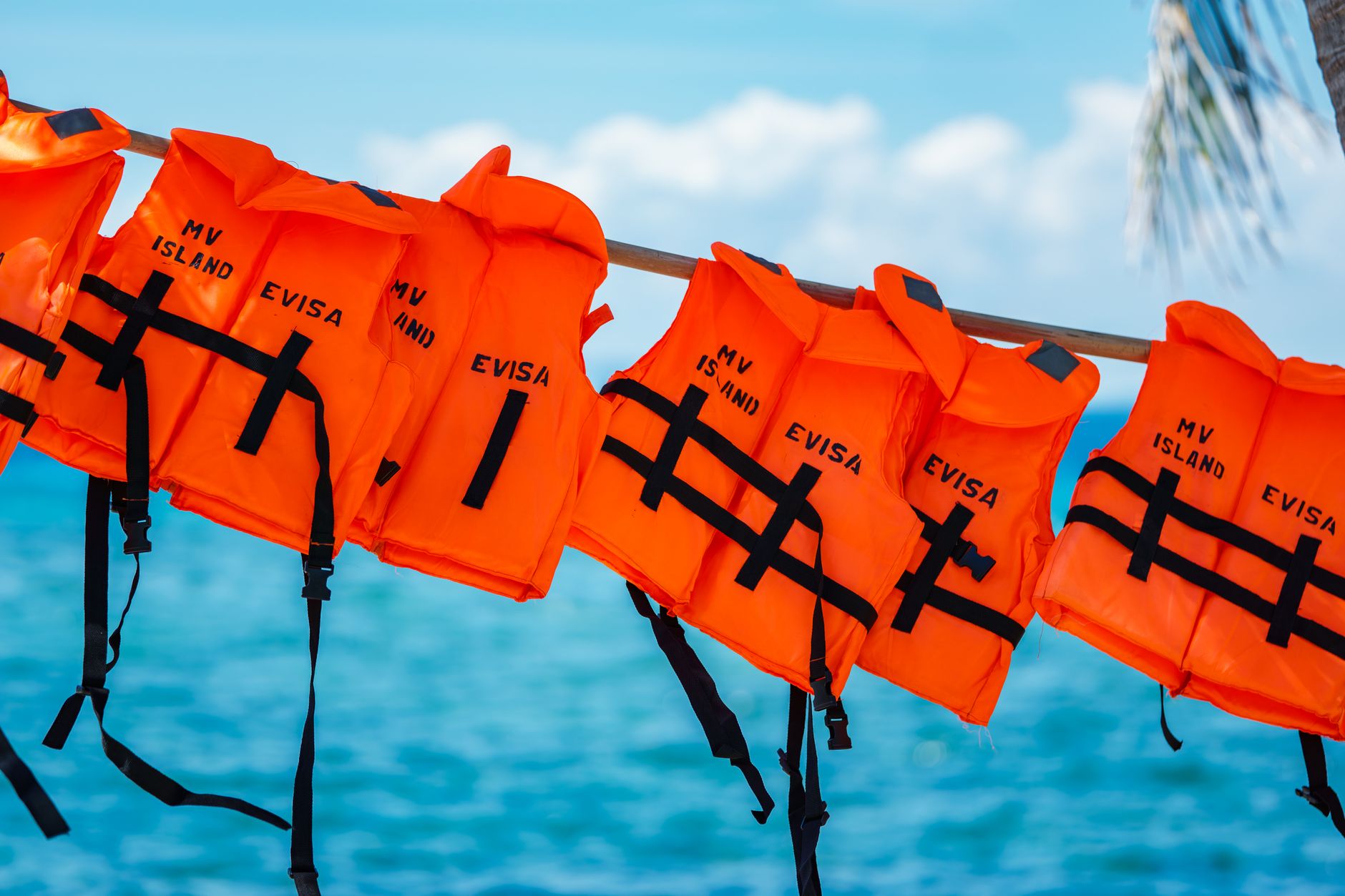
Life jackets should be offered to every guest, and children should wear one whenever the boat is moving or they are near the edge. Do not be shy about asking for one — crews are used to it and will fetch them without fuss. Check where the jackets are stored when you board, so you know before you need to.
Swim within sight of the crew, use the ladder rather than jumping when the boat is rocking, and never dive into a cave or under an overhang where you cannot see the bottom or the exit. The Mediterranean is beautiful but not a swimming pool: currents can surprise you at headlands, and a supervised stop is always safer than a solo adventure.
Bring reef-safe sunscreen, a hat, plenty of water and a light layer for the breeze on the return leg. A dry bag for phones and towels makes the day far more comfortable. If you are prone to seasickness, choose a calm morning departure and sit towards the middle of the boat.
Lunch on Deck and the Friendliness of Local Crews
One of the great pleasures of a Turkish boat day is lunch. Expect grilled fish or chicken, a spread of mezes, salad, bread and fruit, often cooked on board while you swim. Vegetarian options are usually easy to arrange with a day's notice. Tea and coffee tend to appear at exactly the right moment.
Turkish crews are famously warm. Captains will point out dolphins, tell stories about the bays, and patiently help nervous swimmers into the water. Tipping is not obligatory but is appreciated at the end of a good day, and it is a nice way to say thank you to the whole crew.
Because these are working boats rather than theme parks, you will often share the water with local fishing boats and families on their own picnics — a reminder that the coast is a living place, not just a backdrop.
When to Go and How to Plan Your Day
May, June and September are the sweet spots: warm sea, fewer boats and softer light. July and August are busiest, so book early and favour operators who leave from quieter harbours or start before the day-tripper rush. October can still be lovely, though some operators wind down towards the end of the month.
Most day trips run from around 10:00 to 17:00, with hotel pickups in Fethiye, Kaş or Antalya depending on the route. A half-day option works well if you have children or a tight schedule.
To fit a boat day into a wider Lycian route, see our suggested routes and best-time guide, then check the FAQ for practical questions about boats, swimming and what to pack.
Top Highlights
Popular Activities
Thinking about a trip to Turkey?
Share your contact details and a vetted local expert will follow up with a plan built around you — free, no obligation.
