

The Tuz Gölü Salt Lakeshore Villages
Discover the Surreal Salt Landscape of Tuz Gölü
Tuz Gölü, Turkey's second-largest lake, is a mesmerizing expanse of salt flats that stretches as far as the eye can see. During the dry summer months, the water recedes to reveal a thick crust of sparkling white salt, creating a landscape that feels like another planet. The lake is fed by underground springs and two major streams, and its high salinity makes it a vital source of salt for the country. The surreal beauty of the flats, especially at sunrise and sunset when the sky reflects on the shallow water, draws photographers and travelers from around the world.
Beyond the famous salt flats, the region is dotted with traditional villages where life revolves around agriculture and salt harvesting. These villages, with their red-soil earth and friendly locals, offer a glimpse into rural Turkish life. A drive along the shores of Tuz Gölü is not just a journey through a unique landscape but also a cultural experience that connects you with the heart of Anatolia.
Whether you're on a road trip between Ankara and Cappadocia or seeking a peaceful escape, the Tuz Gölü salt lakeshore villages provide a rewarding detour that combines natural wonder with authentic hospitality.
How to Get There and Around
The Tuz Gölü region is easily accessible by car, situated roughly halfway between Ankara and Cappadocia. The main highway, D750, runs along the eastern shore of the lake, and several villages are just a short drive off the main road. If you're relying on public transport, buses traveling between Ankara and Aksaray or Nevşehir can drop you at the lake's edge, but having your own vehicle gives you the freedom to explore the villages and find the best viewpoints.
The most popular access point is near the town of Şereflikoçhisar, where a well-marked turnoff leads to the salt flats. From there, you can drive along the shore and visit villages like Sultanhanı, known for its historic caravanserai, or Kızılören, with its red-soil landscapes. The roads are generally in good condition, but be prepared for occasional rough patches as you venture deeper into the countryside.
For a more structured visit, consider joining a guided tour from Cappadocia or Ankara. Many tours include stops at the salt flats and nearby attractions, providing insight into the area's geology and culture. However, self-driving allows you to linger at sunset and capture the magical light at your own pace.
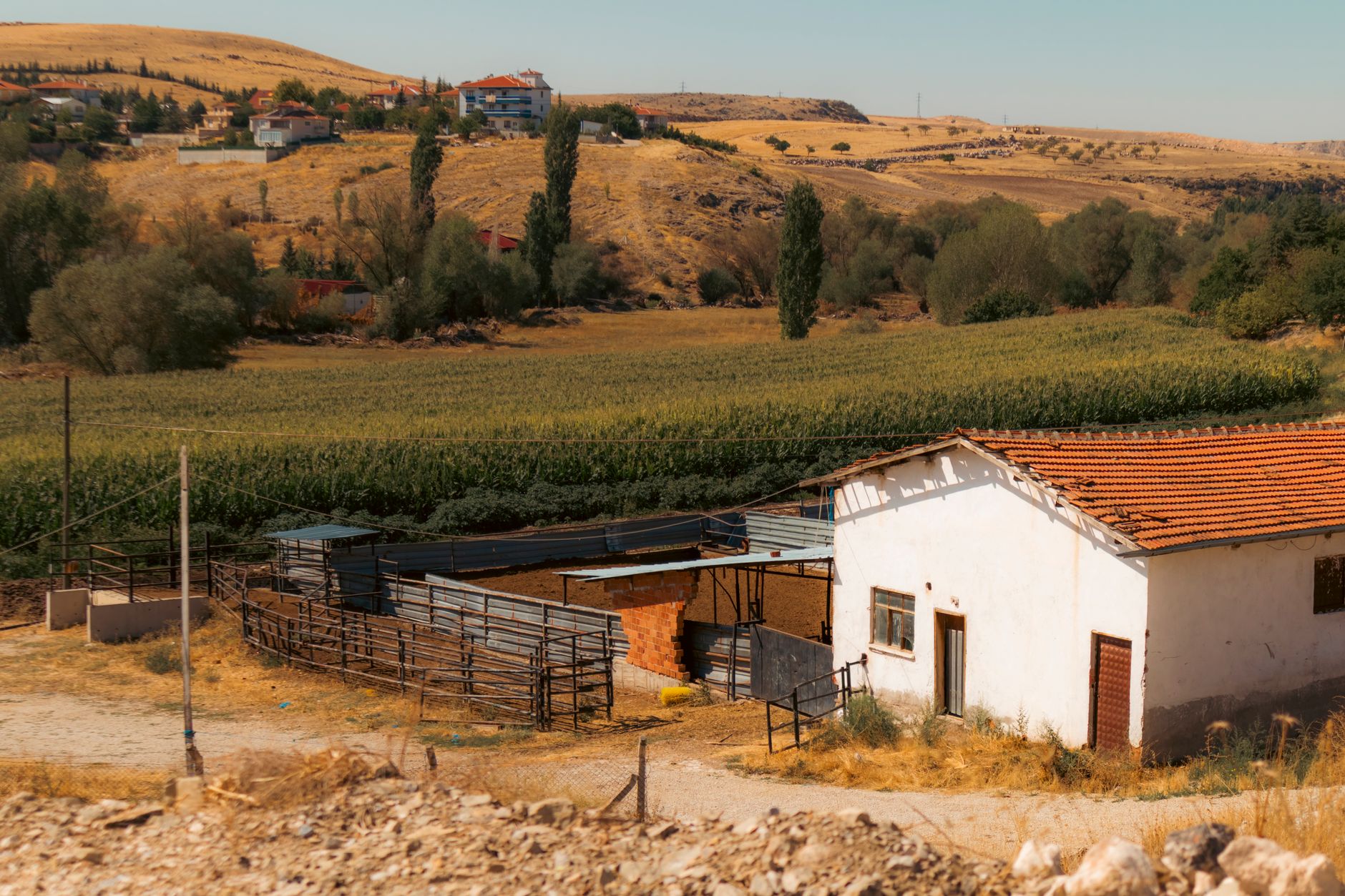
Sunrise and Sunset: Nature's Spectacle
The salt flats of Tuz Gölü are renowned for their breathtaking sunrise and sunset views. As the sun dips below the horizon, the sky erupts in hues of pink, orange, and purple, and the shallow layer of water on the salt crust acts as a giant mirror, doubling the spectacle. The best spots for sunset are along the western shore, where the sun sets directly over the lake, creating a canvas of light that photographers dream of.
Sunrise is equally magical but requires an early start. The eastern shore offers prime views as the first light of day illuminates the salt crystals, making them sparkle like diamonds. The peaceful atmosphere of dawn, with only the sound of birds and the crunch of salt underfoot, is a rewarding experience for those willing to rise before the sun.
For the best photos, arrive at least half an hour before sunset or sunrise to find a good vantage point. The flat terrain means you can walk out onto the salt crust, but be cautious of soft spots. The reflection of the sky on the thin layer of water is most pronounced after rain, so check the weather forecast if you're aiming for that perfect mirror shot.
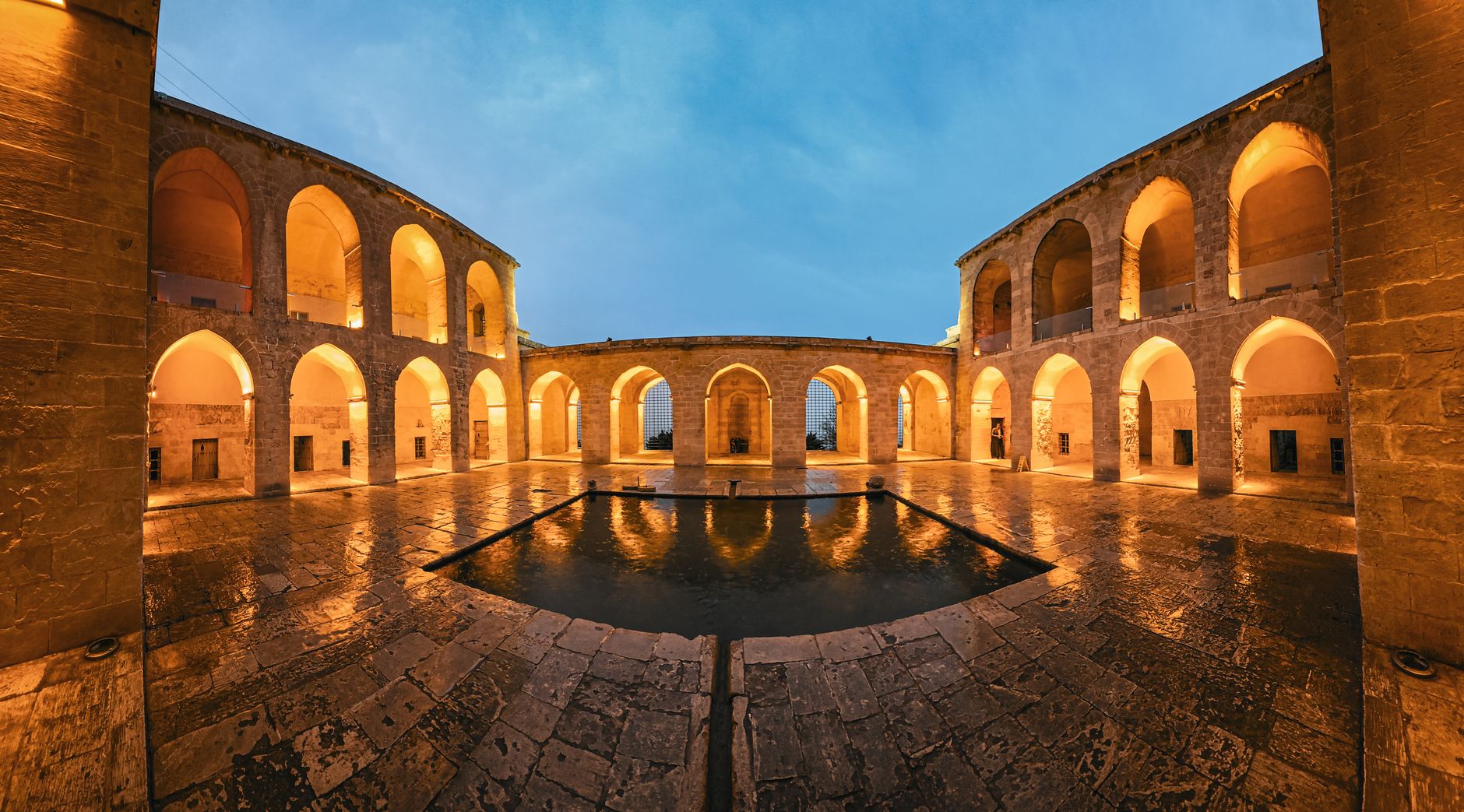
Exploring the Lakeshore Villages
The villages around Tuz Gölü are characterized by their traditional mud-brick houses and red-soil earth, contrasting sharply with the white salt flats. Life here is slow-paced, and agriculture and salt harvesting are the mainstays. A walk through these villages offers a glimpse into a way of life that has remained largely unchanged for centuries.
In Sultanhanı, don't miss the 13th-century caravanserai, one of the best-preserved Seljuk structures in Turkey. It's a testament to the region's historical role as a stopover on trade routes. The village itself has a few cafes where you can enjoy a glass of tea with locals. Further south, the village of Kızılören is known for its red-soil hills, which provide a striking contrast to the salt lake. The local women often sell handmade crafts and salt-based products, perfect for souvenirs.
Another must-visit is the village of Eskil, located near the lake's southeastern edge. Here you can see traditional salt harvesting methods and learn about the importance of the lake to the local economy. The villagers are known for their hospitality, and you might be invited to share a meal or taste the local salt.
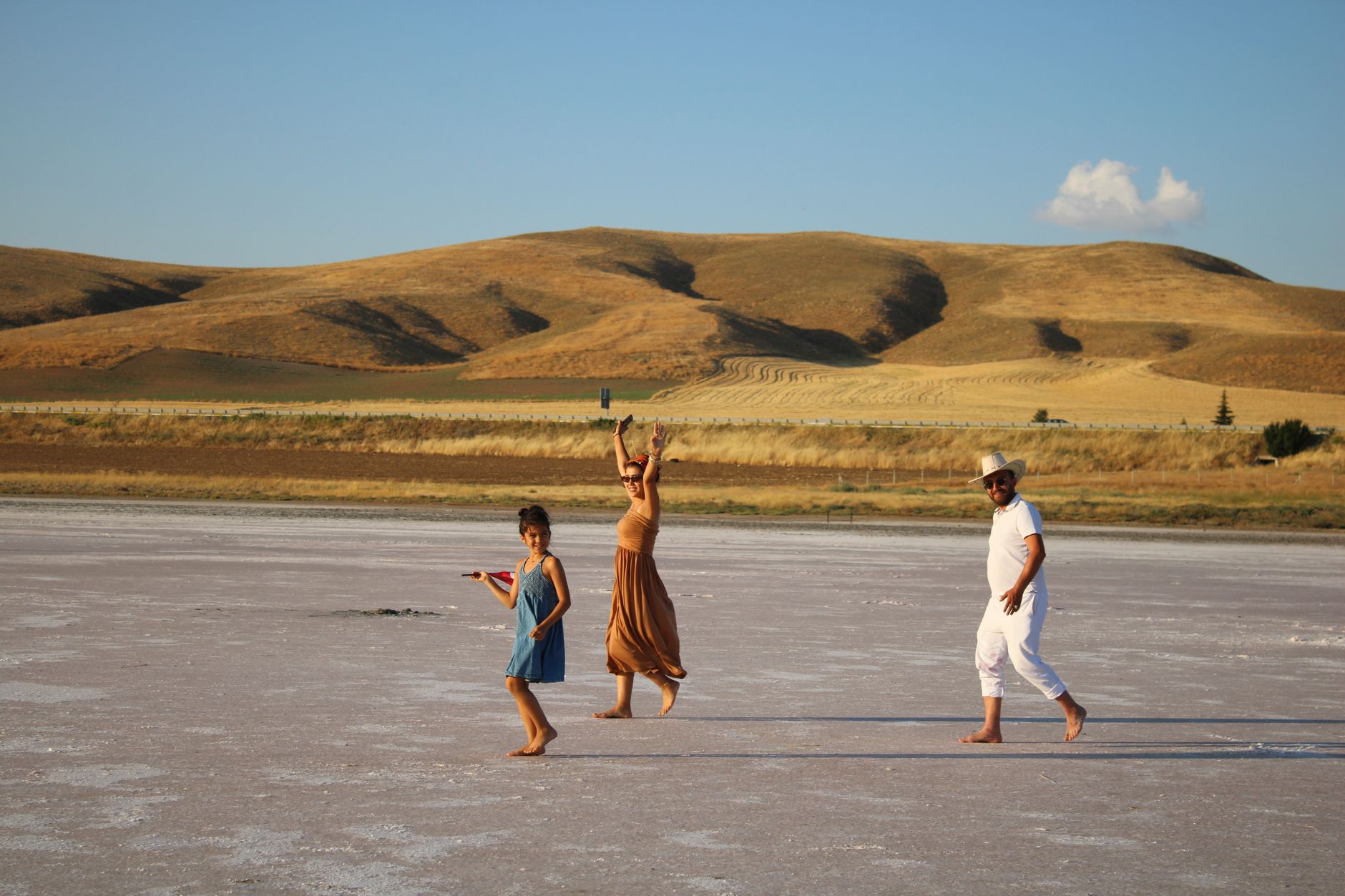
Salt-Crust Safety Tips
Walking on the salt crust is a unique experience, but it requires caution. The crust can be thin in places, and there are often hidden pools of water or soft mud beneath. Always stick to areas that are visibly dry and avoid dark patches that may indicate thin ice or water. In summer, the crust is generally more stable, but it's still wise to test the ground before putting your full weight on it.
Wear sturdy shoes with good grip, as the salt can be slippery when wet. Bring a hat, sunscreen, and plenty of water, as the reflection from the salt can intensify the sun's rays. The salt is also abrasive, so protect your camera gear from salt dust. If you're visiting with children, keep them close and avoid letting them run ahead on the crust.
Remember that the salt flats are a fragile environment. Stick to marked paths if available, and avoid disturbing the salt formations. Take only photos and leave nothing behind. By respecting this unique landscape, you help preserve it for future generations.
Best Time to Visit and What to Pack
The ideal time to visit Tuz Gölü is during the spring (April to May) and autumn (September to October) when temperatures are mild and the lake's water level creates perfect reflective conditions. Summer (June to August) can be extremely hot, with temperatures often exceeding 35°C, but the salt crust is at its thickest and most accessible. Winter brings colder weather and occasional rain, but the crowds are fewer, and the landscape takes on a moody, ethereal quality.
Packing essentials include comfortable walking shoes, a hat, sunglasses, sunscreen, and a camera with a polarizing filter to cut glare. Bring a light jacket for early mornings and evenings, even in summer. For photography, a tripod is useful for sunrise and sunset shots. If you plan to explore the villages, modest clothing is respectful, especially when visiting rural areas.
For more tips on the best time to visit the region, check out our best time guide. And if you're planning a longer itinerary, see our routes page for ideas on combining Tuz Gölü with other destinations.
Top Highlights
Popular Activities
Thinking about a trip to Turkey?
Share your contact details and a vetted local expert will follow up with a plan built around you — free, no obligation.
