

Van's Old City and the Akdamar Shore Villages
Where East Meets a Bright Blue Lake
Van sits on the eastern edge of Turkey, on the shore of Lake Van — the largest lake in the country and one of the few soda lakes in the world. This is a region with its own rhythm: Kurdish, Turkish and Armenian histories layered over volcanic highlands, with a lake that shifts from turquoise to steel grey with the weather.
The old city of Van, just west of the modern centre, is the historic heart. Wandering its lanes you will find the remains of the Van Citadel, old mosques, cemeteries and the kind of low stone houses that tell long stories. It is not a polished open-air museum; it is a living, somewhat weathered place, and that is precisely its charm.
Across the water, the shoreline villages and Akdamar Island are the quieter counterpoint. Here the lake becomes the main character — fishermen's boats, tea gardens, poplar trees and, on the island, one of the most beautiful pieces of medieval Armenian architecture in Anatolia.
The Old City and the Van Citadel
The old city spreads below the dramatic rock outcrop of Van Kalesi. Climb or drive up to the citadel for sweeping views over the lake and the old quarter, and look for the ancient Urartian rock tombs carved into the cliff face — a reminder that Van was a capital long before the Ottoman era.
Back down in the old city, take your time. The historic mosques, the remains of the old bazaar area and the quiet streets around them reward slow walking rather than checklist ticking. In the late afternoon the light on the stone turns honey-coloured, and the call to prayer echoing between the low rooftops is unforgettable.
Practical tip: the old city is a residential area, so dress and behave respectfully, ask before photographing people, and expect uneven ground. Comfortable shoes and a scarf for mosque visits will make your day much easier.
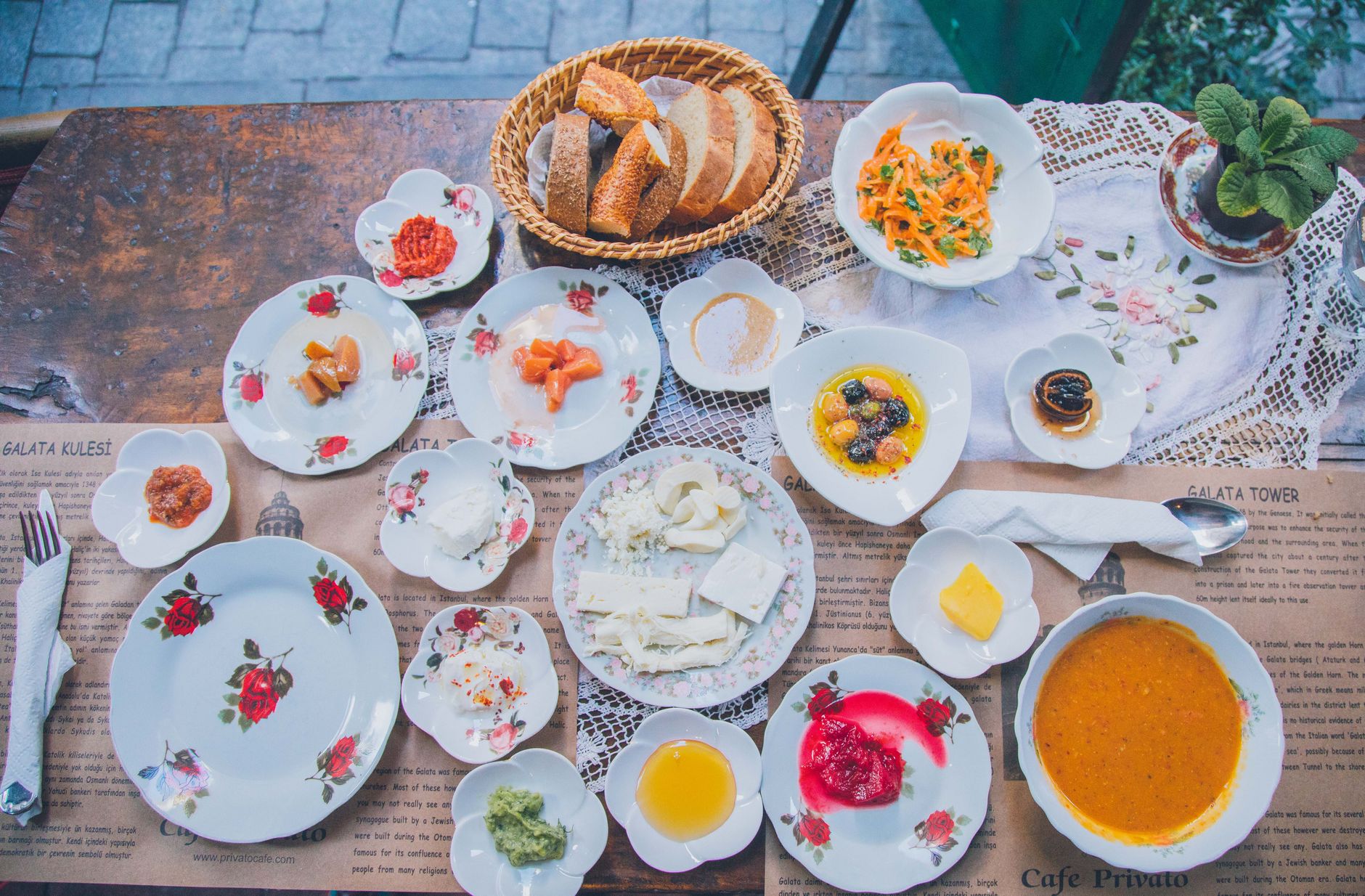
Van Breakfast: A Table Worth Crossing the Country For
Van is famous across Turkey for its breakfast culture, and for good reason. A Van breakfast table is a spread rather than a meal: honey and clotted kaymak, white cheese, walnuts, fresh herbs, olives, eggs, murtuğa (a flour-and-butter scramble), fried pastries and endless glasses of tea, all set out on small plates until the table disappears.
The best breakfasts are in the old city and along the lake road, where family-run places serve the same spread they have made for generations. Go hungry, go early, and do not rush — the point is the sitting, the talking and the tea refills.
For foreign travellers: many places are informal, so pointing and smiling works well, and prices are usually per person for the full spread. Ask kahvaltı (breakfast) and you will be guided. Vegetarians will eat extremely well here.
Breakfast in Van is not a meal you finish; it is a conversation that happens to include food.
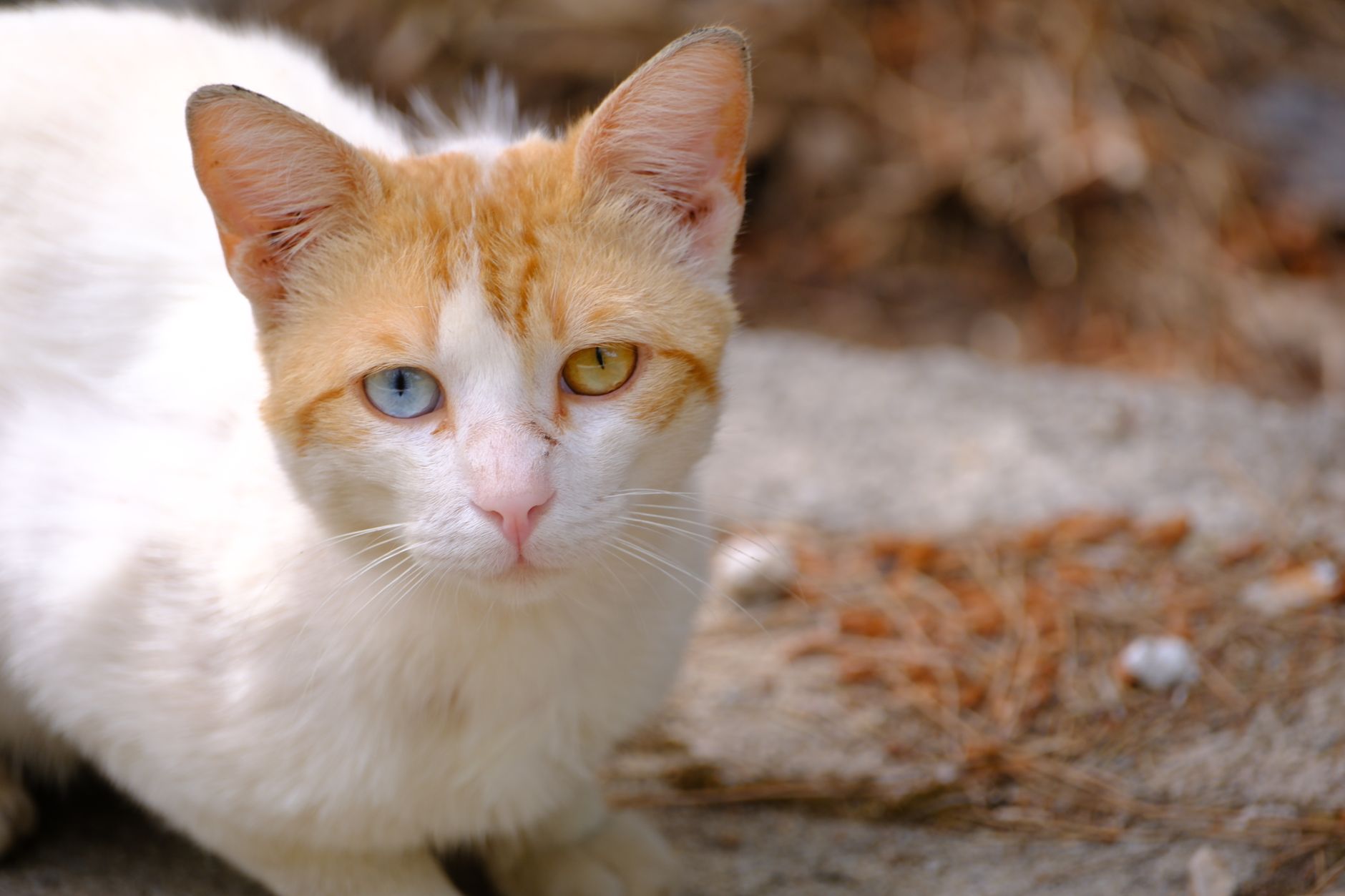
Van Cat Heritage and Local Craft
The Van cat is a regional treasure: white, often with one blue and one amber eye, and famously fond of water. You will see them around the city, and the local university and welfare groups work on their protection. If you want to learn about the breed, ask your hotel or a local guide to point you to responsible places to see and understand them.
Please never pick up, chase or feed stray animals aggressively for photos, and avoid any venue that treats the cats as a show. A respectful interest, a calm approach and a donation to local welfare efforts go much further.
Alongside the cats, look for local crafts in the old city and around the bazaar: kilims, felt, silverwork and the region's distinctive dairy products. Buying directly from small shops keeps money in the neighbourhood and often comes with a story and a glass of tea.
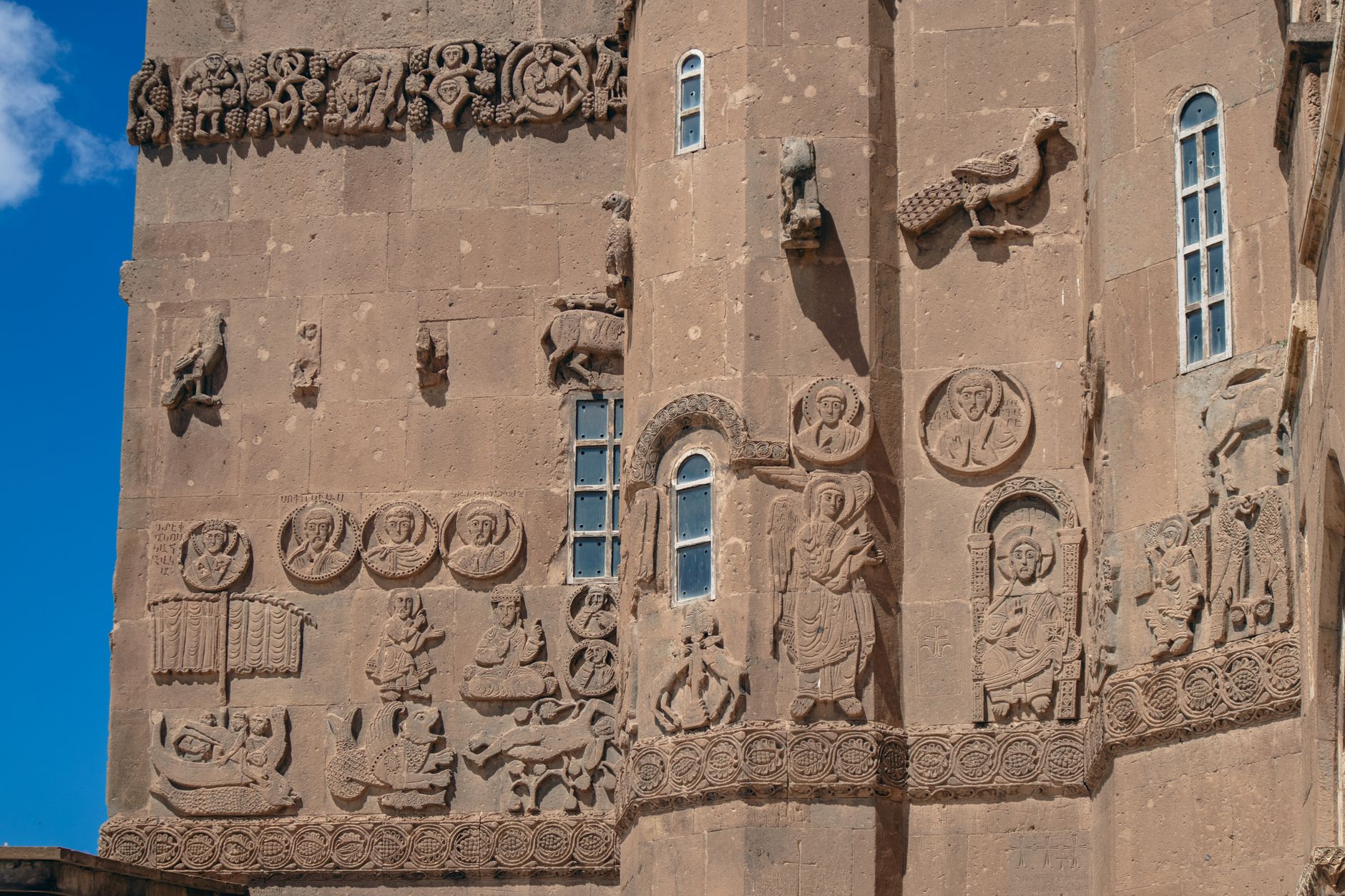
Akdamar Island and the Shore Villages
The highlight of the shoreline is Akdamar Island, reached by small ferry or boat from the harbour at Gevaş. On the island stands the Church of the Holy Cross, a 10th-century Armenian church whose exterior is covered in vivid relief carvings — biblical scenes, animals and figures that repay close looking.
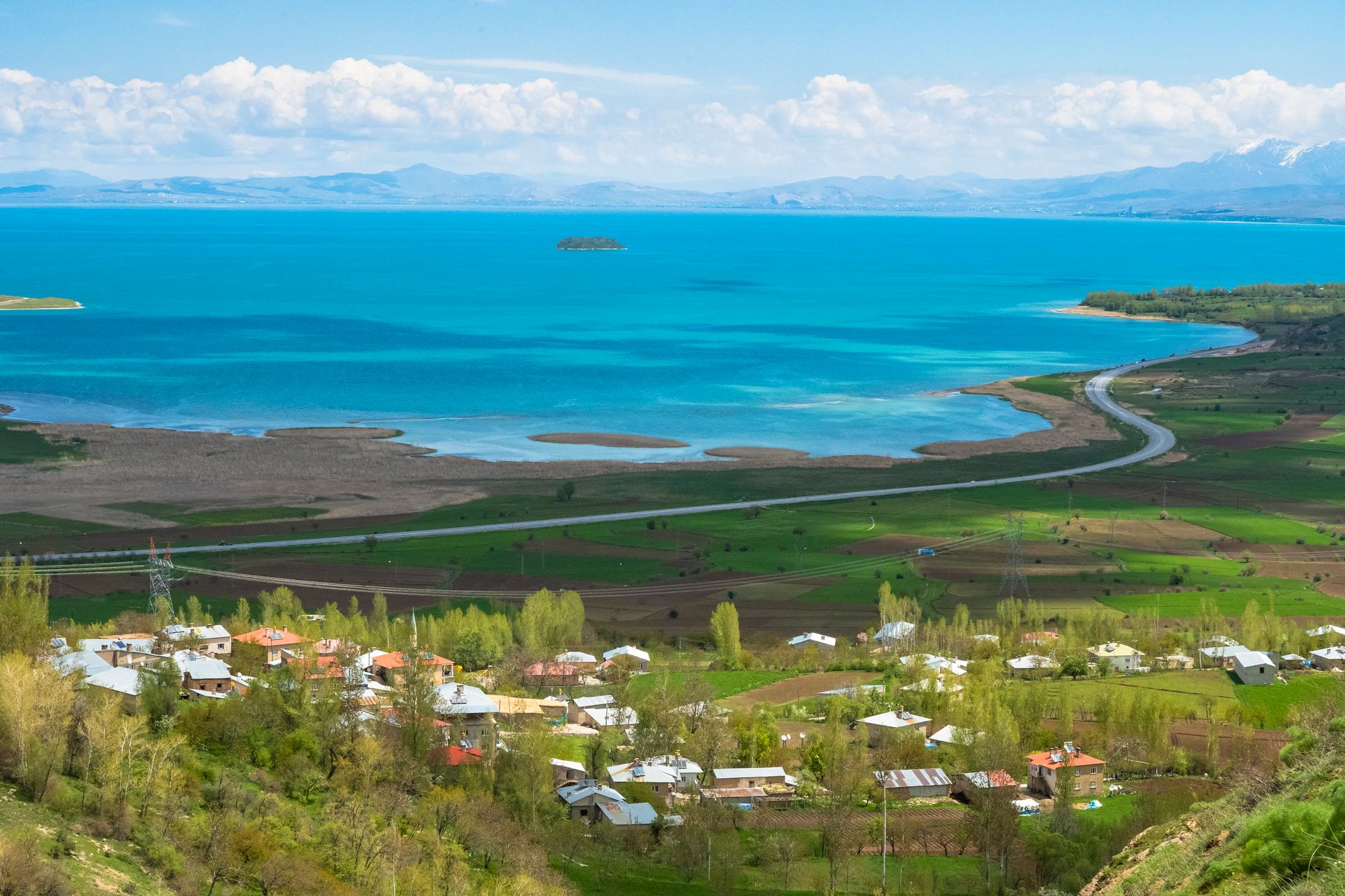
The boat ride itself is a pleasure: the water is startlingly blue, the mountains behind the shore are snow-capped well into spring, and the island's pistachio and almond trees make a shady picnic spot. Ferries run seasonally and can fill up in summer, so check times on arrival and go early.
Back on the shore, the villages around Gevaş and along the lake road are slow, friendly places. Tea gardens, simple fish restaurants and viewpoints over the lake make easy half-day excursions. Combine the island with a drive along the shore for a full, unhurried day.
Practical Tips for Foreign Travellers
- Getting there: Van has an airport and is also reachable by long-distance bus and the scenic railway from the west. The old city and the Akdamar ferry jetty are a taxi or minibus ride apart.
- Best weather: late spring to early autumn is ideal; summers are warm and bright, winters cold and snowy.
- Etiquette: this is a conservative region — modest dress helps, especially in the old city and villages. Always ask before photographing people.
- Language: Turkish is widely spoken; Kurdish is common locally. A few phrases of either are warmly received.
- Safety and respect: the area near the eastern border has security sensitivities; check current travel advice before planning onward trips, and treat the old city as a neighbourhood rather than a site.
Hospitality and the Spirit of the Region
What visitors remember most about Van is not a monument but the welcome. Expect to be offered tea, to be asked where you are from, and to be pulled into conversations that last longer than planned. That warmth is the region's real signature.
Travel slowly here. Give the old city a morning, the breakfast table a full two hours, the island a leisurely afternoon. Van rewards curiosity and patience, and it gives back stories you will still be telling years later.
Top Highlights
Popular Activities
Thinking about a trip to Turkey?
Share your contact details and a vetted local expert will follow up with a plan built around you — free, no obligation.
