

Yalvaç and the Pisidian Lake Country: Antioch of Pisidia and the Hills of Isparta
Antioch of Pisidia: A Hidden Roman Treasure
Perched on a windswept plateau above the modern town of Yalvaç, Antioch of Pisidia is one of Türkiye's most evocative yet least-visited ancient cities. Founded by the Seleucids and later made a Roman colony by Augustus, it flourished as a thriving urban center with temples, baths, a theatre, and an impressive aqueduct. Unlike the bustling ruins of Ephesus, here you can often have the entire site to yourself, wandering among fallen columns and carved stones that whisper of its past grandeur.
For travelers interested in classical history, Antioch offers a rare chance to explore a Roman city in peaceful solitude. The site's museum in Yalvaç displays fascinating artifacts, including the famous Antioch of Pisidia inscription that mentions the city's founding. The surrounding landscape, with its rolling hills and distant lake views, adds to the sense of timelessness.
St. Paul's Sermon and Christian Heritage
Antioch of Pisidia holds a special place in Christian history. During his first missionary journey, St. Paul visited the city and delivered a powerful sermon in its synagogue, as recounted in the Acts of the Apostles. This event marked a pivotal moment in the spread of early Christianity. Today, pilgrims and curious travelers alike can stand in the ruins of the synagogue-church, a site that later became a Byzantine basilica, and reflect on the profound words that once echoed there.
The site is also associated with St. Thecla, a early Christian martyr and follower of Paul. The nearby Basilica of St. Thecla, now in ruins, was a major pilgrimage center in antiquity. Exploring these sites offers a tangible connection to the roots of the faith, set against a backdrop of serene countryside.

Yalvaç: A Warm Welcome in the Pisidian Hills
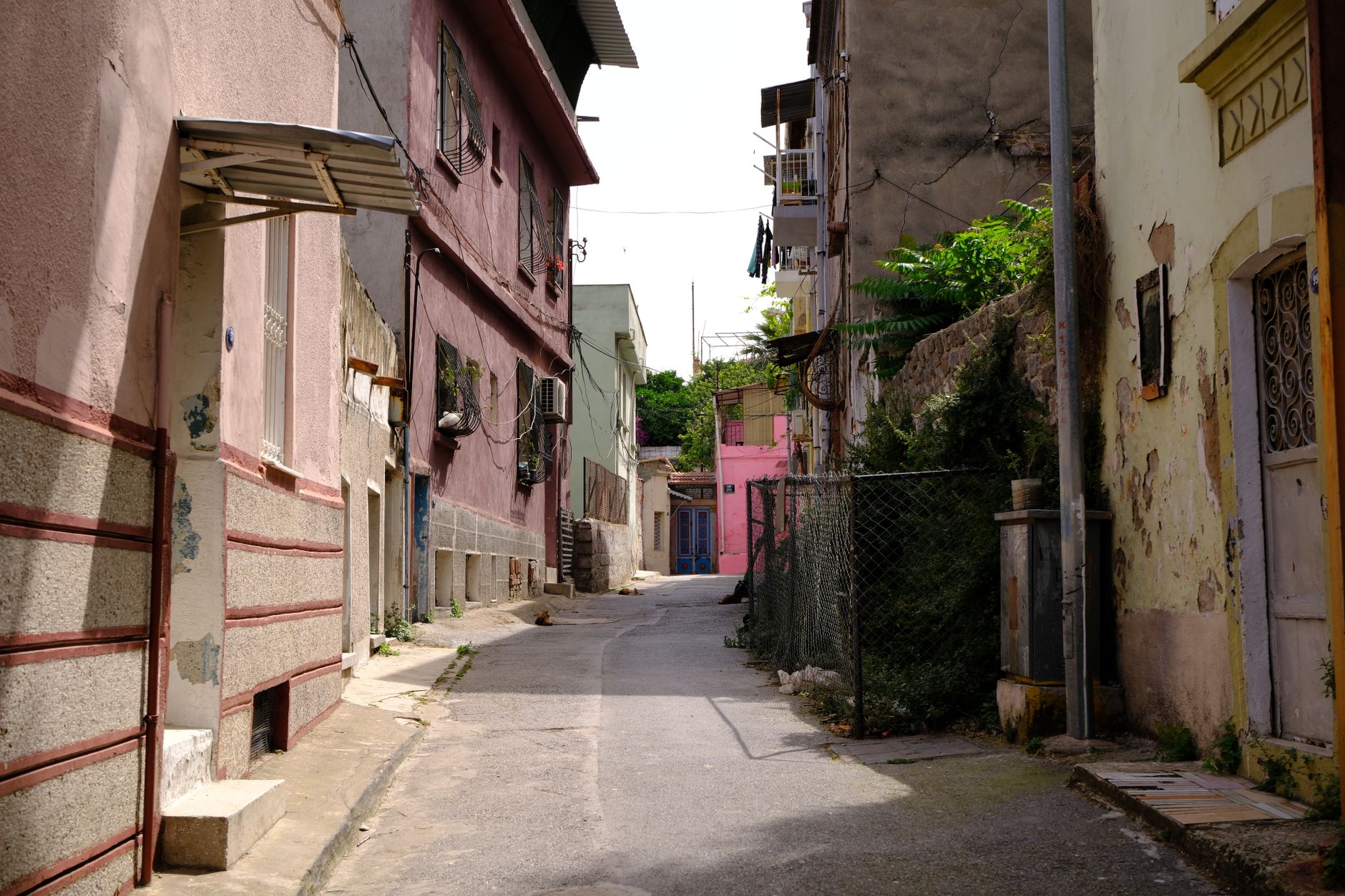
The small town of Yalvaç serves as the gateway to Antioch, and its friendly atmosphere is a highlight of any visit. Here, traditional Turkish hospitality is alive and well—shopkeepers greet you with a smile, and local cafés serve strong tea and homemade pastries. The town itself has a modest but interesting museum and a few historic mosques and hamams, offering a glimpse into daily life in rural Anatolia.
Yalvaç is also known for its rose and lavender production, which scents the air in spring and summer. A stroll through the surrounding fields, especially during harvest season, is a sensory delight. The town makes a perfect base for exploring the region, with comfortable guesthouses and a handful of restaurants serving delicious local cuisine, including trout from the nearby lakes.
Lakes and Landscapes: Eğirdir and Beyond
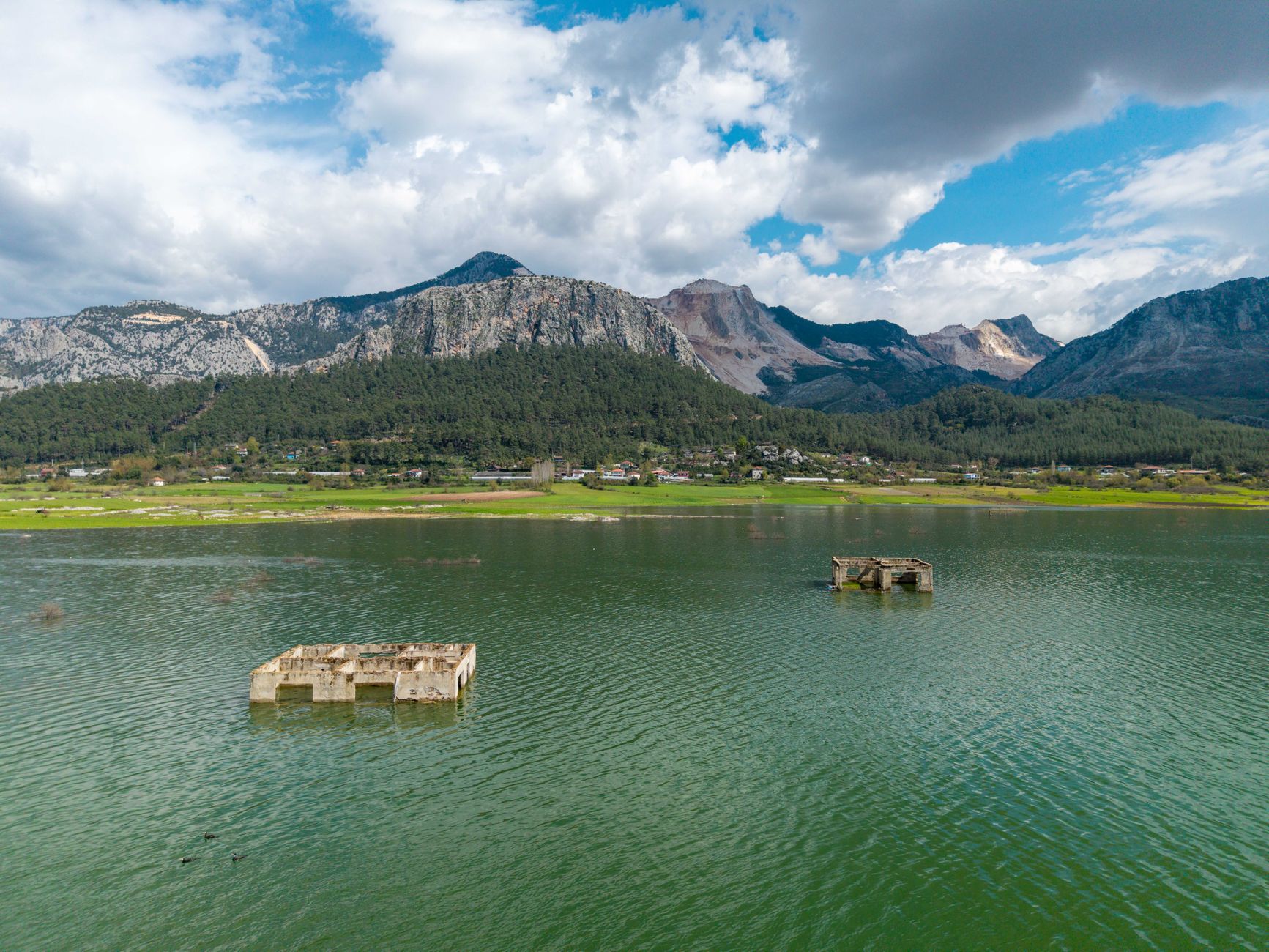
To the west of Yalvaç lies the stunning Lake Eğirdir, a vast freshwater lake ringed by mountains. The town of Eğirdir, perched on a peninsula, is a charming destination in its own right, with its old wooden houses, a Byzantine fortress, and a causeway leading to the island of Yeşilada. The lake is perfect for swimming, fishing, and leisurely boat trips, and its shores are dotted with orchards and rose gardens.
The region is often called the "Lake Country" of Türkiye, with several other lakes such as Lake Kovada and Lake Gölcük adding to the picturesque scenery. Hiking and cycling trails wind through the hills, offering panoramic views and encounters with local wildlife. The area is also famous for its apples, cherries, and roses, which are celebrated in festivals throughout the year.
Combining with Eğirdir and Sagalassos: An Inland Aegean Itinerary
Yalvaç and Antioch of Pisidia fit perfectly into a broader exploration of Türkiye's inland Aegean region. A suggested itinerary might start in Isparta, known as the "City of Roses," then move to Eğirdir for a night by the lake, before continuing to Yalvaç and Antioch. From there, you can journey to the magnificent ruins of Sagalassos, one of the best-preserved ancient cities in Turkey, perched high in the Taurus Mountains.
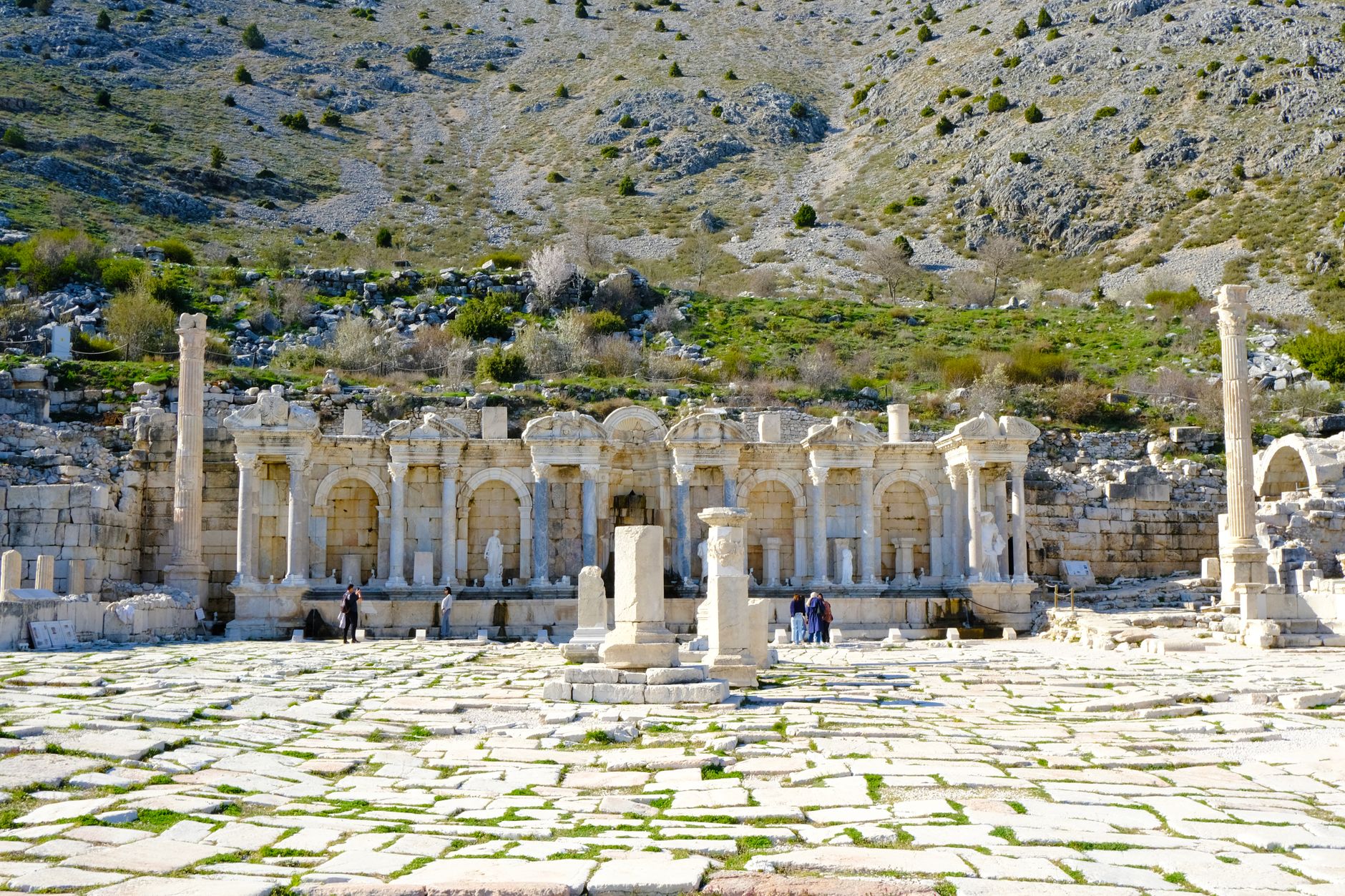
Sagalassos, with its grand theatre, fountain, and agora, offers a striking contrast to Antioch's quiet ruins. The drive between them takes you through stunning mountain scenery and traditional villages. This route allows you to experience the region's rich history, from Hellenistic and Roman times to early Christian heritage, all while enjoying the warm hospitality of small-town Anatolia.
For those with more time, consider adding a visit to the ancient city of Termessos or the scenic Lake Burdur. The region is well-connected by road, and renting a car is the most flexible way to explore. Alternatively, local buses connect the main towns, though services may be less frequent.
When to Go and What to Expect
The best time to visit Yalvaç and the Pisidian Lake Country is during spring (April to June) and autumn (September to November), when the weather is mild and the landscapes are at their most beautiful. Spring brings wildflowers and the beginning of the rose harvest, while autumn offers golden foliage and comfortable temperatures for exploring ruins.
Summers can be hot, especially at archaeological sites with little shade, so carry water, a hat, and sunscreen. Winters are cold and sometimes snowy, which can add a dramatic beauty to the ruins but may limit access to some areas. Regardless of the season, the region's welcoming atmosphere and unspoiled charm make it a rewarding destination for travelers seeking authenticity and spiritual connection.
Top Highlights
Popular Activities
Thinking about a trip to Turkey?
Share your contact details and a vetted local expert will follow up with a plan built around you — free, no obligation.
