

There is a particular kind of magic that settles over a train when the first snow begins to fall. Outside the window, the Anatolian plateau turns into a vast white canvas; inside, passengers share tea, stories and simit as the Doğu Express — the Eastern Express — rolls steadily eastward. This is Türkiye's most beloved sleeper train, a 1,310-kilometre journey from Ankara to Kars that has become one of the world's great rail experiences. In winter, it transforms into something even more special: a slow, warm, deeply human adventure through landscapes that feel almost mythical.
Unlike the flashier high-speed trains of Europe, the Doğu Express is not about speed. It is about the rhythm of the rails, the clatter of wheels over frozen switches, and the slow reveal of a country that most travelers never see. From the moment you board at Ankara Gar, you enter a moving community — families traveling home for the holidays, students, photographers, and curious travelers from every corner of the world.
This guide will walk you through everything you need to know: how to book the famously elusive sleeper berths, what to pack for sub-zero nights, which stops deserve a stroll on the platform, and why Kars itself — with its hauntingly beautiful ruins and warm-hearted people — is the perfect final chapter to this winter fairy tale.
Why the Doğu Express Is One of the World's Great Rail Journeys
Train lovers speak of the Trans-Siberian, the Glacier Express, and the Rocky Mountaineer. The Doğu Express deserves a place on that list, not because of luxury, but because of atmosphere. The route climbs from Ankara's dry steppe through the jagged Pontic Mountains, crosses the frozen Euphrates near Erzincan, and finally descends into the wide, windswept plains around Kars. In winter, every frame out the window looks like a painting: frosted poplars, lone shepherds with their flocks, villages of stone houses with smoke curling from chimneys.
The train itself is a piece of living history. The current service uses modernized coaches, but the spirit is old-fashioned. You will find a dining car where soups and stews are served hot, a samovar-like tea service that runs all day, and conductors who treat passengers like guests in their own home. There is no Wi-Fi worth relying on and no rush — just the gentle sway of the carriage and the companionship of fellow travelers.
What makes the winter run so special is the contrast. Outside, temperatures can drop to -20°C or lower. Inside, you are wrapped in a blanket, sipping çay from a tulip-shaped glass, watching the world turn white. It is a rare kind of comfort, one that feels earned by the cold beyond the glass.
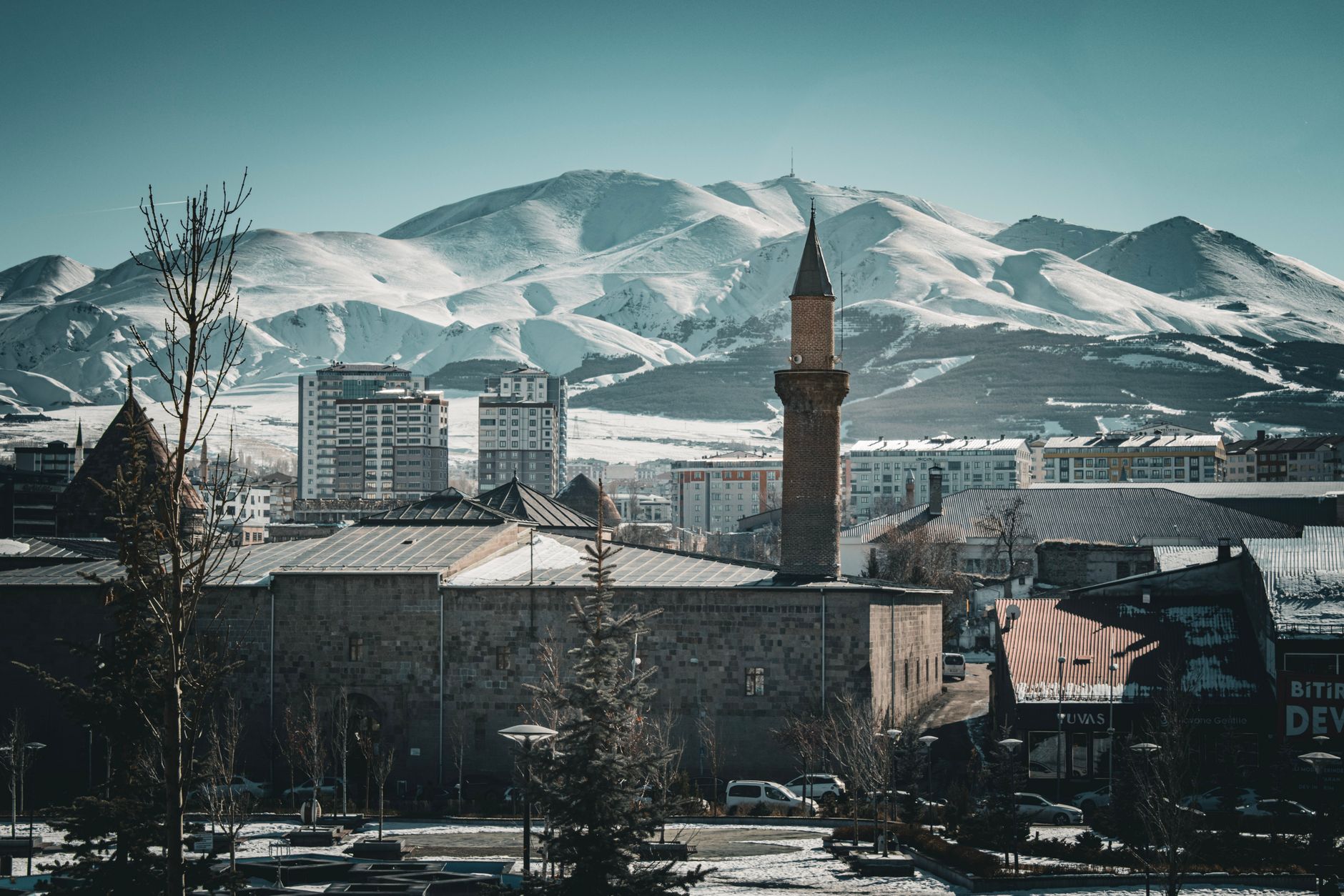
Booking the Eastern Express: Windows, Tips and the Sleeper Scramble
The Doğu Express has become so popular that sleeper berths often sell out within minutes of release. Tickets typically open on the TCDD Taşımacılık website and mobile app about 15 to 30 days before departure, though the exact window can vary. Set a reminder, create your account in advance, and be ready at the precise moment sales open — especially for the Ankara-to-Kars direction, which is more in demand.
Accommodation options include private sleeper compartments (two or four berths), couchettes, and regular seats. For the classic winter experience, book a sleeper. A two-berth compartment gives you privacy and a proper bed, with clean sheets, a small sink, and enough space to store a modest bag. Couchettes are more social and budget-friendly but less comfortable for a 24-hour journey.
If sleeper berths are sold out, do not despair. The seated carriages are perfectly acceptable for a shorter hop, and sometimes cancellations open up closer to departure. Travel agencies in Ankara and Istanbul also sell packages that include the train plus accommodation in Kars, which can be a good fallback. Pro tip: Tuesday and Wednesday departures are often slightly less crowded than weekend ones.
Finally, remember that the train can be delayed, especially in heavy snow. Build a buffer day into your itinerary on both ends. The journey is the destination here — a delay simply means more time with your book, your tea, and the endless white landscape.
What to Pack for a Winter Crossing of Anatolia
The Doğu Express is heated, but the corridors, platforms, and Kars itself are fiercely cold. Think layers: thermal base layers, a warm fleece or sweater, and a windproof, insulated outer jacket. Gloves, a hat, and a scarf are essential, not optional. Sturdy waterproof boots will serve you well when you step off at stations or explore Kars' snowy streets.
Inside your bag, pack a thermos or insulated mug (the tea is plentiful, but a mug keeps it hot), high-energy snacks like nuts and dried fruit, and a power bank — charging points are limited and often contested. A good book, a deck of cards, and a notebook for journaling will enrich the slow hours. Earplugs and an eye mask help if you are in a shared compartment.
Do not forget a camera with spare batteries; cold drains them quickly. A small towel and basic toiletries are useful, as sleeper compartments have a washbasin but not a full shower. Cash in Turkish lira is handy for tea, snacks, and small purchases at station stops, though card acceptance is growing.
Most importantly, pack flexibility. Winter weather can change plans, and the best travelers on this route are those who embrace the unexpected — a longer stop in Erzurum, a conversation with a stranger, a sunrise over the snow that you did not plan to see.
The Journey Unfolds: Stations, Snowscapes and Stories
The train leaves Ankara in the evening, so your first hours are in darkness. By morning, you are already deep in Anatolia. One of the first memorable stops is Kayseri, an ancient city at the foot of Mount Erciyes. If the stop is long enough, step onto the platform for a breath of icy air and perhaps a simit from a vendor.
Further east, the route passes through Sivas, a city of Seljuk monuments, and then Erzincan, where the train crosses the Euphrates River. In winter, the river is often frozen at the edges, and the surrounding mountains are blanketed in snow. The stretch between Erzincan and Erzurum is arguably the most scenic: deep valleys, dramatic gorges, and tunnels cut through rock.
Erzurum is a major stop and a chance to stretch your legs. The station is modern, and if you have time, the city's historic中心 with its Çifte Minareli Medrese is worth a detour — though most passengers stay aboard. As the train climbs toward the Armenian border region, the landscape becomes vast and empty, with only the occasional village and the ever-present snow.
Finally, after roughly 24 to 26 hours, the train pulls into Kars. The station is a short taxi ride from the city center, and the cold here is sharp and dry. You have arrived at the edge of Türkiye, a place that feels like another world.
Kars: A Winter Wonderland of History and Hospitality
Kars is often overlooked by travelers, which is precisely why it feels so rewarding. The city is a layered cake of history: Armenian, Ottoman, Russian, and Turkish influences are visible in its architecture and culture. The most famous sight is the Ani Archaeological Site, the ruined medieval Armenian capital perched on a plateau above the Arpaçay River. In winter, Ani is hauntingly beautiful — snow-covered churches and crumbling walls against a pale sky.
Back in town, do not miss Kars Castle, which offers panoramic views of the city and the frozen river below. The Kars Museum houses artifacts from Ani and the region's deep past. For a taste of local life, wander through the old bazaar, where you can buy honey, cheese, and the famous Kars gravyer cheese.
The food is hearty and warming: think lamb stews, bulgur pilaf, and the local dish hingel, a kind of dumpling. Wash it down with tea or a glass of ayran, and finish with kete, a sweet pastry. The people of Kars are known for their warmth, and you will likely be invited for tea more than once.
Accommodation ranges from boutique hotels in restored Russian-era buildings to simple guesthouses. In winter, book ahead, as the train's popularity has boosted tourism. And do not leave without watching the sunset over the snow-covered plains — it is a moment of pure, quiet magic.
Practical Tips for a Smooth Winter Rail Adventure
Traveling the Doğu Express in winter requires a bit of planning, but the rewards are immense. First, check the weather forecast and train status before you leave. TCDD Taşımacılık announces delays on its website and social media. If a major snowstorm is expected, consider traveling a day earlier or later.
Onboard, be mindful of shared spaces. Keep your compartment tidy, greet your neighbors, and do not be shy about joining the dining car for a meal. The tea service is a social ritual — accept every offer. If you are in a seated carriage, a neck pillow and a blanket will make the night more comfortable.
For photography, the best light is in the early morning and late afternoon. The train's windows are large but can be reflective, so a polarizing filter or a simple black cloth can help. Always ask before photographing people, especially in rural areas.
Finally, respect the journey's pace. The Doğu Express is not a checklist; it is an experience. Put away your phone, watch the snow, talk to strangers, and let the rhythm of the rails carry you. You will arrive in Kars not just with photographs, but with stories.
Conclusion: A Winter Journey Like No Other
The Eastern Express from Ankara to Kars is more than a train ride. It is a pilgrimage through the heart of Anatolia, a meditation on slowness, and a celebration of human connection in the face of cold. In a world obsessed with speed, this train offers something precious: time. Time to think, to watch, to warm your hands around a glass of tea and feel the gentle lurch of the carriage as it climbs into the mountains.
Whether you are a seasoned rail traveler or a first-timer, the winter run of the Doğu Express will stay with you. The snowscapes, the stations, the shared meals, and the arrival in Kars — a city of ruins and resilience — combine into an adventure that feels both epic and intimate. So pack your warmest coat, book that sleeper berth, and step aboard. Türkiye's most scenic rail adventure is waiting, and winter is the perfect time to ride it.
Thinking about a trip to Turkey?
Share your contact details and a vetted local expert will follow up with a plan built around you — free, no obligation.