
Welcome to the Turquoise Coast's Most Relaxed Corner
Nestled between the pine-clad mountains and the sparkling Mediterranean, the Fethiye–Ölüdeniz countryside is a place where time slows down and simple pleasures take center stage. Here, the famous Blue Lagoon draws travelers from around the world, yet just a few kilometers inland you'll find sleepy villages, ancient ruins, and a way of life that feels wonderfully unchanged.
This is a land of warm smiles and generous hospitality. Family-run guesthouses welcome you with home-cooked meals, and local farmers are happy to share stories over a glass of çay. Whether you're seeking adventure on the Lycian Way or simply a quiet spot to swim and unwind, this stretch of coastline offers an easy-going escape that feels both timeless and refreshingly authentic.
In this guide, we'll explore the best swimming spots, how to reach the ancient Lycian sites without a car, and the ideal months to visit for the most comfortable conditions. We'll also shine a light on the village guesthouses that make this region so special, where you can experience genuine Turkish hospitality firsthand.
Ölüdeniz and the Blue Lagoon: A Swimmer's Paradise
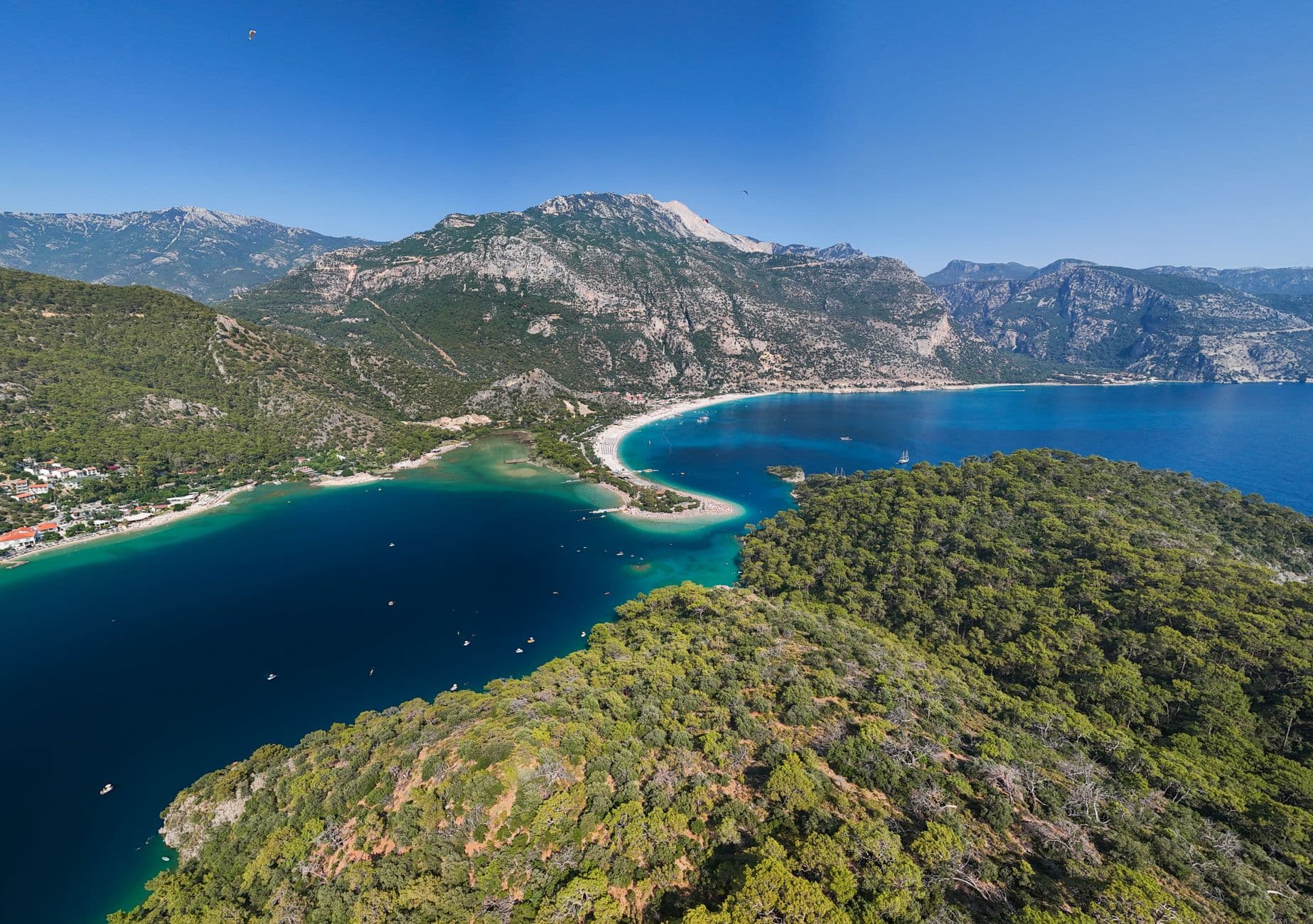
The Blue Lagoon (Ölüdeniz in Turkish) is the poster child of the Turquoise Coast, and for good reason. Its calm, crystal-clear waters are sheltered by a narrow sandbar, creating a natural pool that's perfect for swimming, snorkeling, and paddleboarding. The beach itself is a pebble mix, so water shoes are a good idea, but the stunning backdrop of Babadağ mountain makes every moment feel magical.
For the best swimming experience, arrive early in the morning before the day-trippers arrive, or head to the far end of the lagoon where the water is shallower and warmer. The lagoon is a protected national park, so there's an entrance fee, but it's well worth it for a day of pure relaxation. If you're feeling adventurous, paragliding from Babadağ is an unforgettable way to see the lagoon from above—tandem flights are available for all experience levels.
Just around the headland, Kidrak Beach (also known as Belcekız) offers a quieter alternative with similar beauty. A short drive or dolmuş ride from Ölüdeniz, it's a favorite among locals for its peaceful atmosphere and excellent swimming.
Ancient Tlos: A Journey Through Lycian History
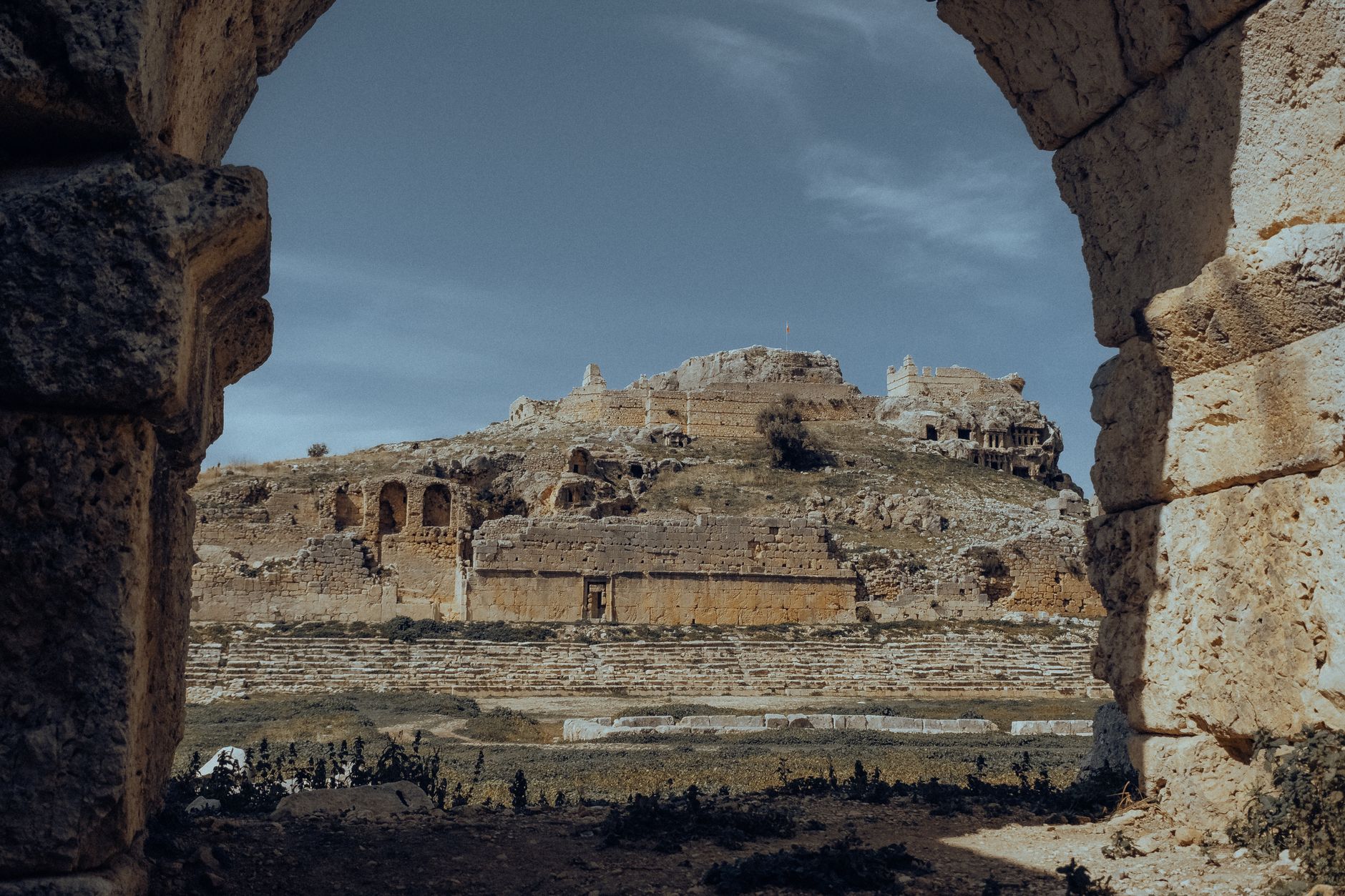
Perched on a rocky outcrop overlooking the Xanthos Valley, the ancient city of Tlos is one of the most impressive yet underrated Lycian sites in Turkey. Believed to be one of the oldest settlements in the region, Tlos was a major city of the Lycian League and later a thriving Roman town. Today, its ruins include a vast acropolis, a Roman bath complex, a stadium, and a necropolis filled with rock-cut tombs—including the famous tomb of Bellerophon, the mythical hero who rode the winged horse Pegasus.
Exploring Tlos is a peaceful experience, as it's rarely crowded. You can wander among the ruins at your own pace, imagining the city's former glory. The site is particularly beautiful in the late afternoon light, when the golden hues bring out the textures of the ancient stones. Don't miss the chance to climb up to the acropolis for panoramic views of the valley and the surrounding mountains.
To reach Tlos without a car, you can take a dolmuş from Fethiye to the nearby village of Yakaköy, from where it's a short, signposted walk to the site. Alternatively, many local tour operators offer day trips that combine Tlos with other nearby attractions like the Saklıkent Gorge and the Lycian Way.
Village Guesthouses: A Taste of Local Hospitality
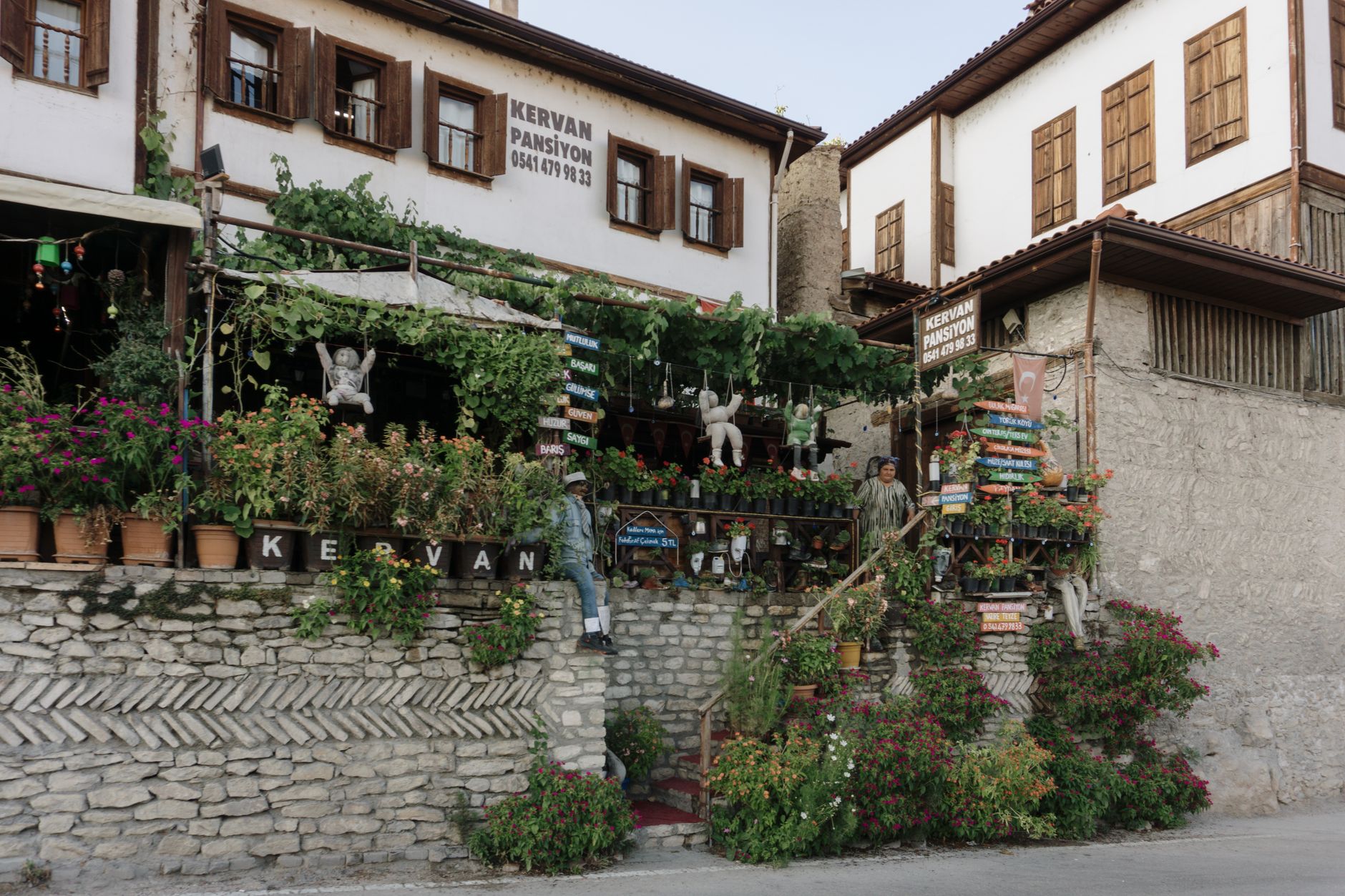
One of the greatest delights of the Fethiye–Ölüdeniz countryside is its village guesthouses, where you can experience authentic Turkish hospitality in a cozy, family-run setting. Places like Faralya, Kabak, and Kaya Köy (the ghost village) offer a range of charming accommodations, from simple rooms with mountain views to boutique stays with organic farm-to-table dinners.
In Faralya, a tiny village perched high above the famous Butterfly Valley, guesthouses like George's House and Olympos Lodge provide a tranquil escape. Here, you can wake up to the sound of birdsong, swim in a secluded bay, and enjoy home-cooked meals made with ingredients from the owner's garden. The atmosphere is relaxed and convivial, with guests often gathering around the communal table to share travel stories.
Kabak, further along the coast, is a haven for backpackers and nature lovers. Its beach is accessible only by a steep path or boat, adding to the sense of seclusion. Guesthouses here range from basic bungalows to comfortable eco-lodges, all with stunning views of the sea. And in Kaya Köy, the abandoned Greek village that inspired Louis de Bernières' novel Birds Without Wings, you can stay in restored stone houses that blend history with modern comforts.
Staying in these guesthouses not only supports local communities but also gives you a deeper connection to the region. You'll learn about traditional crafts, taste regional specialties, and maybe even pick up a few words of Turkish.
Best Swimming Spots and Beaches
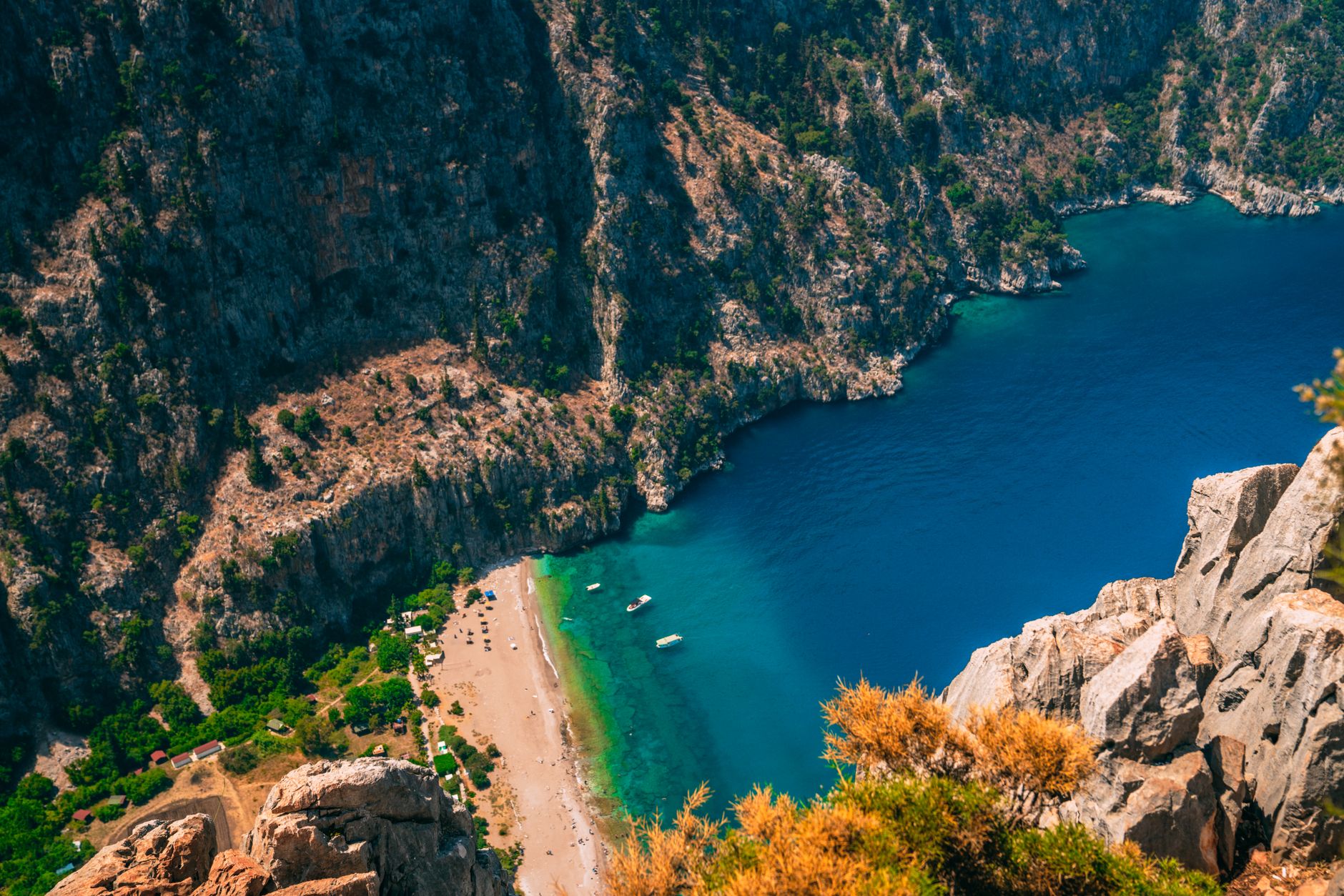
Beyond the Blue Lagoon, the Fethiye–Ölüdeniz coastline is dotted with secluded coves and beaches that are perfect for swimming. Butterfly Valley (Kelebekler Vadisi) is a must-visit, accessible by boat from Ölüdeniz or via a steep hike from Faralya. The valley's beach is a pebble cove with cool, clear water and a waterfall cascading into the sea—a truly magical spot. Boat trips run regularly from Ölüdeniz harbor, and the journey itself is a scenic delight.
Kabak Beach is another gem, favored by those willing to make the effort to get there. The water is deep and refreshing, ideal for strong swimmers, and the beach has a laid-back vibe with a few simple cafes. For a more family-friendly option, Çalış Beach near Fethiye offers a long stretch of sand and shallow water, with plenty of amenities and a famous sunset.
If you're looking for a truly off-the-beaten-path experience, head to Gemiler Beach, near the village of Kaya Köy. This small bay is home to the ruins of a sunken city and offers calm waters for swimming. It's a peaceful spot with a couple of beach clubs where you can rent sun loungers and enjoy a meal by the sea.
Getting Around Without a Car
Exploring the Fethiye–Ölüdeniz countryside without a car is easier than you might think. The region is well-served by dolmuş minibuses, which run frequently between Fethiye, Ölüdeniz, and nearby villages. From Fethiye's main bus station, you can catch a dolmuş to Ölüdeniz (about 30 minutes), or to villages like Faralya and Kabak (though services may be less frequent). For Tlos, take a dolmuş to Yakaköy and walk from there.
For more flexibility, consider renting a scooter or a small car—both are available in Fethiye and Ölüdeniz. However, if you prefer to leave the driving to someone else, local tour companies offer guided day trips that cover the major sights, including Tlos, Saklıkent Gorge, and the Lycian Way. These tours often include lunch and hotel pickup, making them a convenient option.
For the adventurous, the Lycian Way long-distance trail passes right through this region, offering breathtaking coastal walks. You can hike sections of the trail independently, using dolmuşes to return to your base. The stretch from Faralya to Kabak is particularly spectacular, with views over Butterfly Valley and the Mediterranean.
Best Time to Visit: Weather and Seasons
The Fethiye–Ölüdeniz area enjoys a classic Mediterranean climate, with long, hot summers and mild, wet winters. For the most comfortable conditions, the best months to visit are May, June, and September. In May, the countryside is lush and wildflowers are in bloom, while the sea is warming up. June offers plenty of sunshine without the intense heat of July and August, and September is perfect for swimming, with warm water and fewer crowds.
July and August are the hottest months, with temperatures often soaring above 35°C (95°F). While the beach is delightful, hiking and sightseeing can be exhausting. If you do visit in high summer, plan outdoor activities for early morning or late afternoon, and spend the midday hours swimming or relaxing in the shade. The sea is at its warmest, making it ideal for water lovers.
October is another lovely month, with warm days and cooler evenings, though occasional rain showers may occur. Winter (November to March) is quiet, with many guesthouses and restaurants closing, but the landscape is green and the ruins are peaceful. If you're seeking solitude and don't mind a bit of rain, winter can be a rewarding time to explore the ancient sites.
For more detailed weather patterns and events, check out our best time to visit guide.
Practical Tips for a Smooth Journey
Currency and Payments: The Turkish lira (TRY) is the local currency. While credit cards are accepted in larger establishments, many village guesthouses and small cafes prefer cash. ATMs are available in Fethiye and Ölüdeniz, but not in smaller villages, so plan ahead.
Language: English is widely spoken in tourist areas, but learning a few Turkish phrases will be appreciated. "Merhaba" (hello), "teşekkürler" (thank you), and "afiyet olsun" (enjoy your meal) go a long way.
Responsible Travel: Help preserve the region's natural beauty by avoiding single-use plastics, respecting wildlife, and supporting local businesses. When visiting ancient sites, stick to marked paths and don't remove any artifacts.
For more inspiration and to plan your itinerary, explore our destinations and itineraries pages. And if you need personalized advice, our local experts are here to help.
So pack your swimsuit, your sense of adventure, and a readiness to embrace the slow pace of life—the Fethiye–Ölüdeniz countryside is waiting to welcome you with open arms.
Thinking about a trip to Turkey?
Share your contact details and a vetted local expert will follow up with a plan built around you — free, no obligation.