

Welcome to Gaziantep: Where Hunger Becomes a Pilgrimage
Gaziantep does not whisper about its food. It announces it — from the smoke curling off a copper kebab grill at seven in the morning, from the crack of pistachios spilling across a bazaar counter, from the perfume of clarified butter and rose-scented syrup drifting out of baklava workshops before the shutters are even fully raised. Locals here call the city simply Antep, and they speak of its cuisine the way other places speak of their cathedrals and coastlines: as a birthright, a monument, a reason to come home.
In 2015, Gaziantep became the first Turkish city — and one of the first anywhere in the world — to join UNESCO's Creative Cities Network in the gastronomy category. That title was not awarded for a single famous dish. It was recognition of something deeper: a living food culture built on pistachio groves, sheep herds grazing the surrounding steppe, wheat fields, pepper gardens, and centuries of trade routes that carried spice, technique and appetite through this corner of Anatolia.
This guide is for the hungry. It will walk you through the bazaars where the city's pantry is laid out in copper and burlap, into the baklava ateliers where masters work dough thinner than a prayer, and along the budget-friendly streets where a full, magnificent meal costs less than a coffee in many European capitals. Bring elastic waistbands and a curious palate — Gaziantep rewards both.
If you are building a wider Turkish itinerary, treat Gaziantep as a destination in its own right rather than a stopover. It deserves days, not hours. You can fold it into a broader plan using our itineraries and check the best time to visit before you book, because the city's food calendar has its own seasons.
The Anatomy of Antep Cuisine: What Makes It Different
Ask a Gaziantep cook what defines the food here and you will likely hear two words: pistachio and butter. The famous Antep fıstığı — the emerald pistachio — is not a garnish in this city; it is an ingredient used with astonishing generosity. It appears in sweets, in meatballs, in stuffed vegetables, in coffee, even in sausage. The second pillar is pure, clarified butter from sheep's milk, used with a confidence that would alarm a nutritionist and delight everyone else.
Beyond those two, the cuisine rests on a few more pillars. First, meat: lamb and mutton, often minced by hand with a knife rather than a machine, so the texture stays coarse and the juices stay put. Second, peppers and tomatoes, sun-dried and turned into pastes (salça) that form the deep red backbone of winter cooking. Third, eggplant, which reaches near-mythic status here, grilled over coals until its skin blisters and its flesh turns to smoke-scented silk.
The result is a cuisine of big, warm flavors — sour from pomegranate and sumac, sweet from dried fruit and syrup, salty from aged cheeses, and always, always rich. It is the cooking of a trading city that fed travelers, farmers and merchants, and it has never learned to be stingy. Portions are heroic. Bread arrives unbidden. Tea follows coffee without being ordered.
What surprises many visitors is the vegetable repertoire. Gaziantep is not merely a city of grilled meat. Its dolma and sarma — vegetables and vine leaves stuffed with rice, herbs and sometimes meat — are among the finest in Türkiye, and its cold vegetable dishes, dressed with olive oil and lemon, offer a bright counterpoint to the richness. If you want a broader grounding in Turkish food culture before you arrive, browse our guides for context on regional cooking across the country.
Baklava: Inside the Workshops That Made Gaziantep Famous
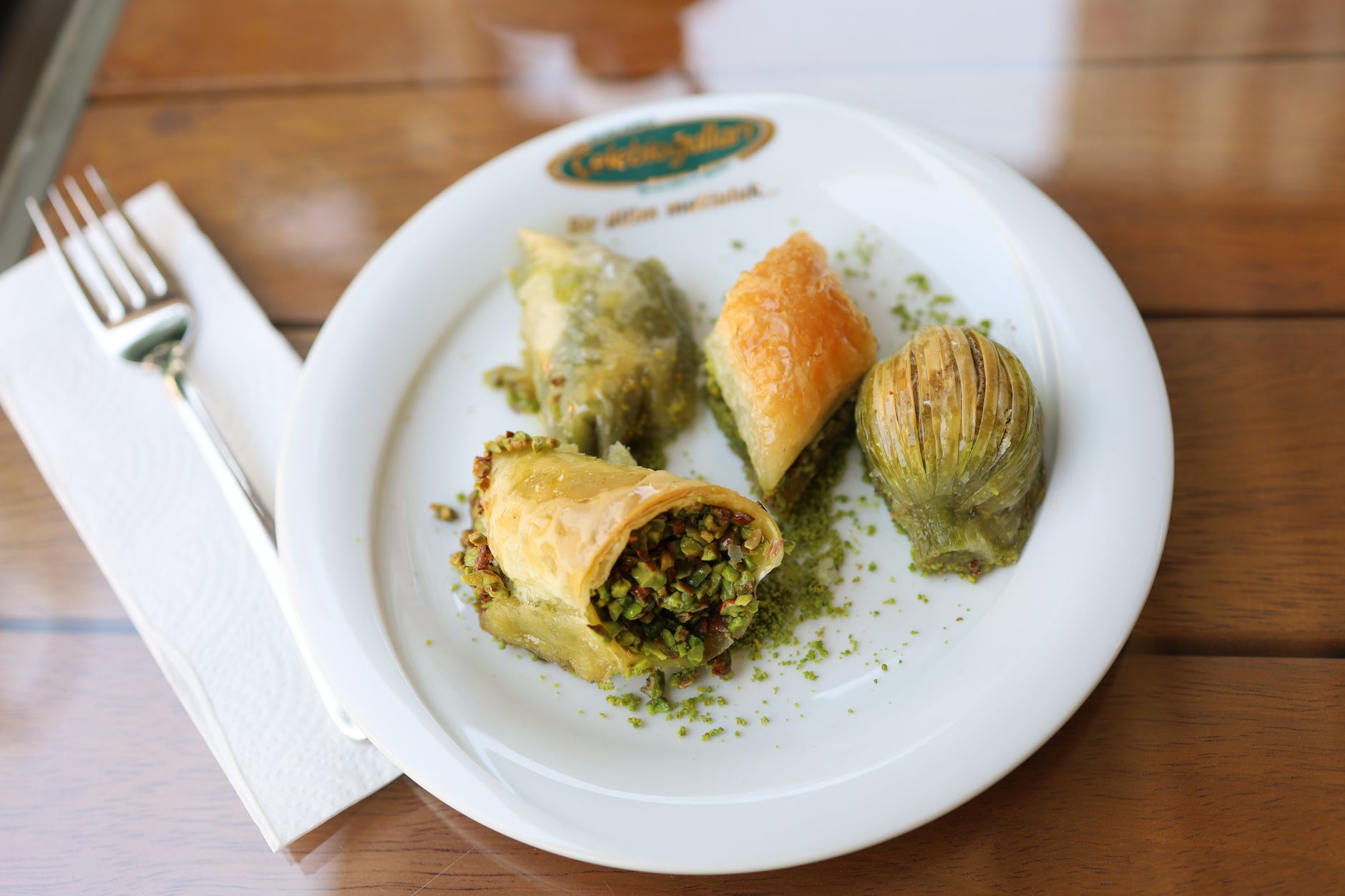
Baklava is the city's most famous export, and Gaziantep guards its reputation fiercely. In 2013, the city secured geographical indication protection for Antep baklava, and the rules are strict: layers of paper-thin yufka, clarified butter, and a filling of genuine Antep pistachios, bound with syrup and cut into diamonds or rolls. Anything less may call itself baklava, but in Gaziantep, it does not call itself Antep baklava.
Visit a workshop and the first thing you notice is the sound — the rhythmic, almost musical slap of the rolling pin on a long wooden table. A master baklavacı can stretch a single lump of dough into a sheet so thin you can read a newspaper through it, then layer dozens of those sheets with butter and pistachio. The trays are enormous, the ovens are fierce, and the final pour of hot syrup over hot pastry produces a hiss that is, to a hungry visitor, the most beautiful sound in Anatolia.
"Good baklava should be light," a Gaziantep master will tell you. "If it sits heavy in your stomach, someone made a mistake."
For tasting etiquette: eat baklava fresh, ideally within hours of baking, and pair it with unsweetened kahve or strong tea rather than another sweet drink. Do not refrigerate it — cold ruins the crispness. And when you buy at a shop, ask which tray came out most recently; that is the one you want.
Beyond classic pistachio baklava, look for burma (the rolled, cigar-shaped version), şöbiyet (filled with cream), and künefe, the hot cheese pastry soaked in syrup and topped with pistachio, which in Gaziantep is served with a seriousness usually reserved for religious ceremony. Sweet shops here are not mere stores; they are institutions, often family-run for four or five generations.
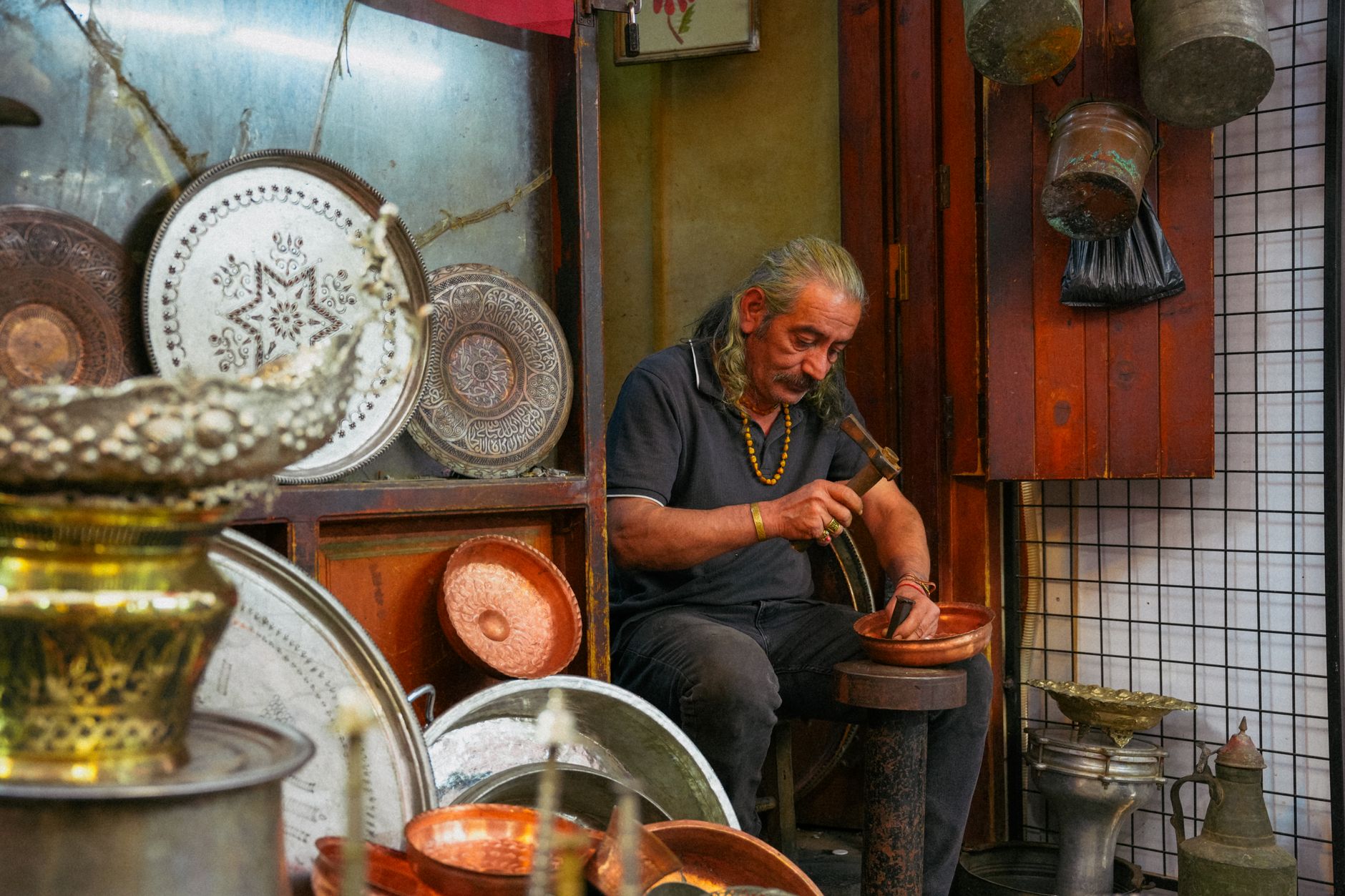
The Copper Bazaars: A Walk Through the City's Pantry
Gaziantep's historic bazaar district is a warren of covered lanes, and its heart for food lovers is the Bakırcılar Çarşısı, the coppersmiths' bazaar. Here, hammered copper pans, cauldrons and trays hang in gleaming rows, and the smell of hot metal mixes with the aroma of roasting nuts from neighboring streets. This is where the city's kitchens buy their equipment — and where you can buy a hand-hammered copper pan that will outlive you.
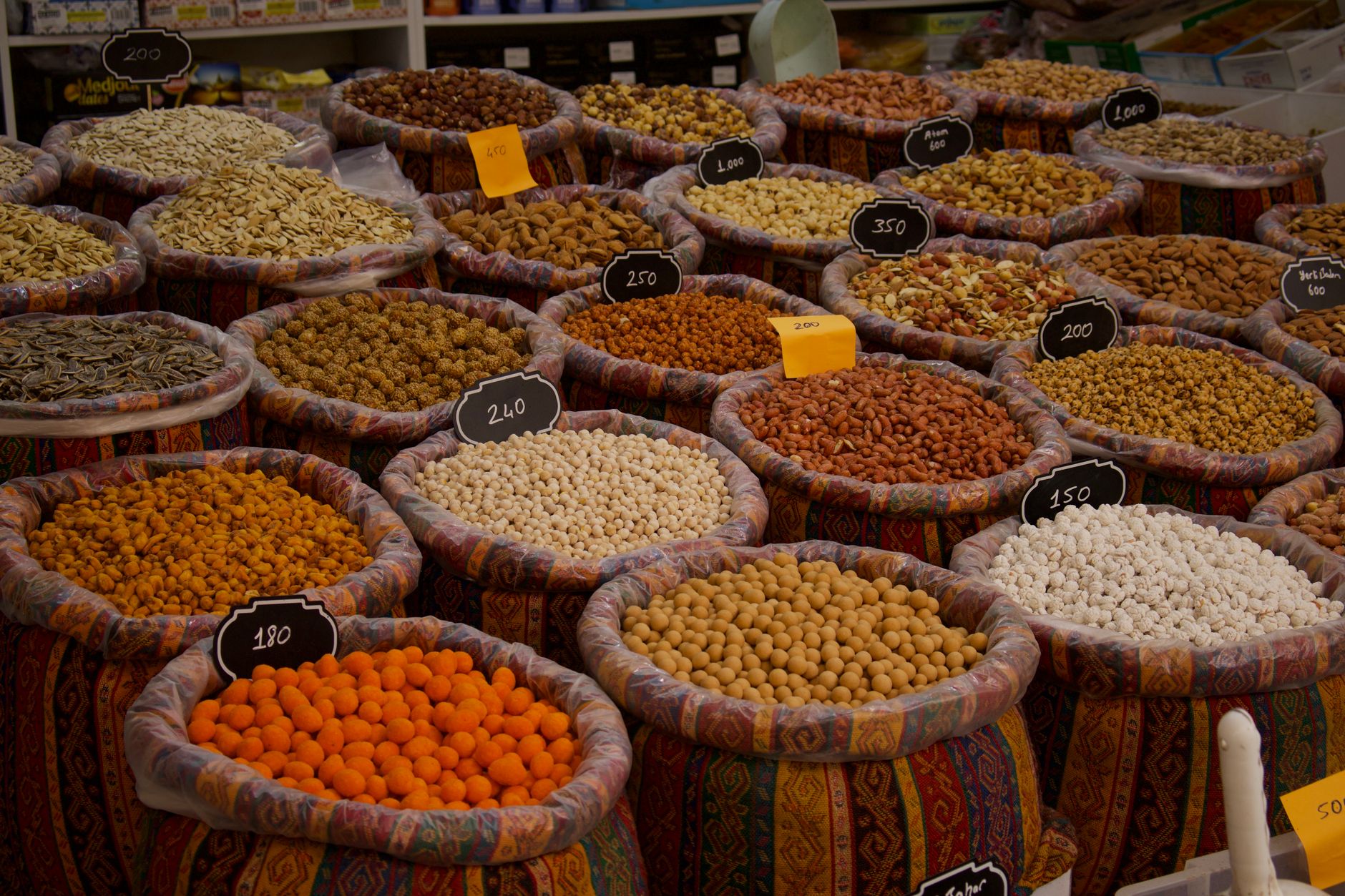
Wander toward the Zincirli Bedesten and the surrounding hans, and you enter the pantry proper. Stalls overflow with sun-dried eggplants strung like dark lanterns, sacks of bulgur in a dozen grades, dried peppers in shades from brick to near-black, and pyramids of pistachios sorted by size and quality. Vendors will press samples into your hand before you have asked a single question. Accept them. It is not salesmanship so much as hospitality with a commercial edge.
Do not miss the spice and paste shops, where salça is sold by the scoop and the smell of dried mint and sumac hangs in the air. Look for Antep pepper flakes, darker and oilier than the familiar red flakes, with a fruitiness that comes from sun-drying and a slow roasting in oil. Buy a bag. You will finish it before you leave the country.
Practical notes for navigating the bazaars: go in the morning when the lanes are cooler and the vendors less rushed; carry small cash for samples and small purchases; and remember that bargaining is welcome but should stay friendly. The bazaar is also a superb budget eating zone — see the next section. If you are comparing destinations across the country, our destinations hub is a good place to weigh Gaziantep against other Turkish food cities.
Eating on a Budget: Where Locals Actually Spend Their Lira
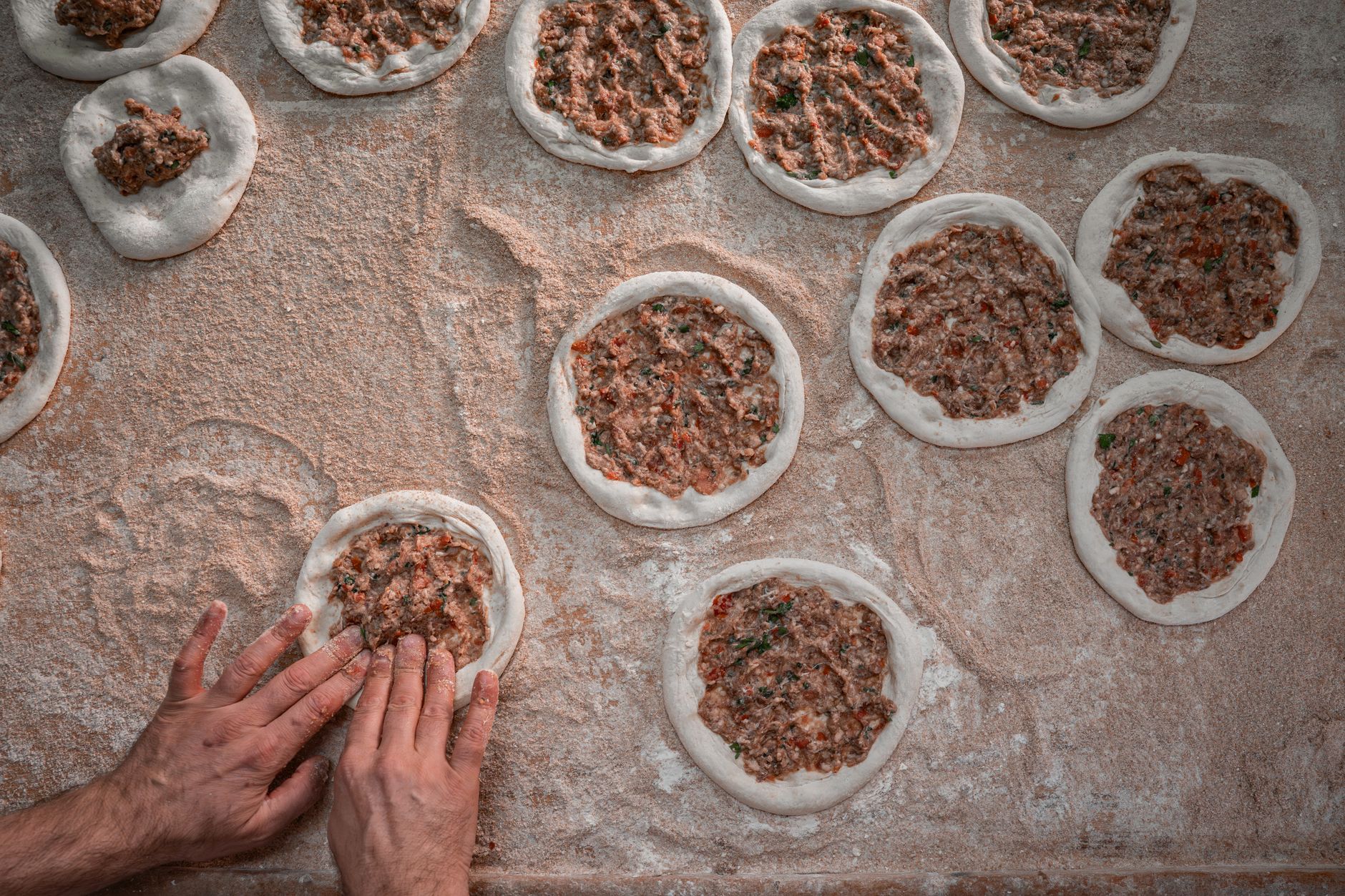
One of the great joys of Gaziantep is that its most extraordinary food is often its cheapest. This is a city where a plate of lahmacun — thin dough topped with minced meat, tomato and pepper, baked in a stone oven — arrives blistering hot, folded with parsley and squeezed with lemon, for the price of a bus ticket. Eat two. You will want three.
For a full sit-down meal on a budget, seek out lokanta-style establishments serving ev yemeği (home cooking) from trays: stewed beans, stuffed eggplant, bulgur pilaf, yogurt soups such as ayran aşı, and slow-cooked meat dishes. Point at what looks good, take a seat, and let the bread do the rest. Lunch is the best value; many places lower prices and empty their trays by early afternoon.
Street food is where the city truly shines. Look for:
- Lahmacun from wood-fired ovens, eaten standing at the counter
- İçli köfte — bulgur shells stuffed with spiced meat and nuts, fried or boiled
- Künefe and katmer, the flaky pastry folded with pistachio and clotted cream, a breakfast and dessert hybrid that will change your mornings
- Nohut dürüm — chickpeas simmered in spiced broth and wrapped in flatbread, a vegetarian hero
- Antep fıstıklı sucuk and pistachio-studded sausages from the bazaar, sliced thin
Breakfast deserves its own paragraph. A Gaziantep kahvaltı can be a feast of white cheese, olives, pistachio paste, tomato and pepper stews, fresh bread, honey and clotted cream — and it is often served at prices that feel like a clerical error. Eat it late and skip lunch, or eat it late and have a light dinner of soup. Either way, do not skip it.
For sit-down evening meals, the city's kebab houses range from humble to grand, but the mid-range is where the value lies. Order a mixed grill to share, add ezme and grilled peppers, and finish with tea. A generous dinner for two, with dessert, will still leave you startled by the bill. If you want help structuring a food-focused route through the region, our trip planner can help you block out days sensibly.
Signature Dishes You Must Not Leave Without Eating
Start with beyti kebab, the city's elegant answer to the minced-meat kebab: seasoned lamb wrapped in thin flatbread, topped with tomato sauce and yogurt, and served with a flourish. Then move to patlıcan kebabı, where chunks of eggplant and meat are grilled together on skewers until the eggplant slumps into something almost creamy. Both are essential.
Seek out yuvalama, a soup of tiny rice-and-meat balls in a yogurt broth, traditionally made for weddings and holidays — comforting, faintly sour, deeply satisfying. Try şırdan, stuffed lamb intestines, if you are adventurous; it is a beloved local specialty and a test of culinary courage. And do not overlook the city's köfte traditions, from the fiery çiğ köfte (in Gaziantep often made with meat, unlike the vegetarian versions elsewhere) to grilled içli köfte and the delicate ekşili köfte simmered in a sour broth.
For vegetables, order dolma — stuffed eggplant, zucchini, peppers and vine leaves — and mücver, the zucchini fritters that appear on every table. Finish with künefe or, if you are still standing, a slice of katmer. Wash it all down with şalgam, the fermented turnip juice that locals drink with kebab, or with ayran if you prefer something milder.
Seasonal eating matters here. Spring brings wild greens and fresh herbs; summer is the season of tomatoes, peppers and eggplant; autumn is pistachio harvest and the making of pastes and preserves; winter is the time for hearty stews and soups. If you want to taste the city at its most abundant, aim for late summer and early autumn. Our best-time guide covers regional weather patterns in more detail.
Food Tours, Tasting Etiquette and Practical Tips
Gaziantep is one of the few cities in Türkiye where a guided food tour genuinely adds value. Local operators run half-day walks through the bazaar and baklava workshops, with stops for lahmacun, künefe and pistachio tasting. Choose a tour that is small and food-first rather than monument-first, and ask in advance whether tastings are included or paid separately. Independent travelers can replicate much of a tour with a good map and an appetite, but a guide unlocks the stories behind the copper and the pastry.
Tasting etiquette is simple and generous. When offered a sample in the bazaar, accept it and say teşekkürler. When sharing a tray of baklava, take from the side nearest you. When drinking tea, hold the glass by its rim or its saucer, not by the hot middle. And when a shopkeeper insists you sit for a glass of tea, it is polite to accept, even briefly — the tea is the deal, and the conversation is the point.
Practicalities: the city is walkable in its historic core, but the pistachio countryside and outlying food producers require a car or a tour. Bring cash for the bazaar, a reusable bag for the pistachios and pepper flakes you will inevitably buy, and a forgiving appetite. Vegetarians will eat well but should learn the phrase etsiz (without meat) and seek out lokantas with trays of vegetable dishes. And keep an eye on your luggage weight — dried eggplant, pistachio paste and copper pans have a way of multiplying.
Finally, remember that Gaziantep rewards curiosity over checklists. The best meal of your trip may be the one you did not plan: a tiny shop off a covered lane, a tray of something you cannot name, a glass of tea pushed toward you by a stranger who wants to know where you are from. That is the city's real gastronomy — not the UNESCO plaque, but the endless, generous table. For more practical resources before you go, including links to tools and expert advice, explore our travel tools and local experts pages.
Thinking about a trip to Turkey?
Share your contact details and a vetted local expert will follow up with a plan built around you — free, no obligation.