

The Forgotten Empire at the Center of the World
Long before Rome, long before Athens, a mighty empire rose from the dusty plains of Central Anatolia. The Hittites built a capital so formidable that it rivaled Egypt and Babylon, and they left behind a legacy etched into stone, clay, and memory. This is the Hittite heartland, and it is waiting for you just a few hours east of Ankara.
Most travelers never make it here. They flock to Istanbul's mosques and Cappadocia's balloons, missing one of the world's most thrilling archaeological adventures. But those who drive the road to Hattuşa, Alacahöyük, and Yazılıkaya discover something extraordinary: a living landscape where shepherds still graze their flocks beside 3,000-year-old ruins, and where the past feels close enough to touch.
This is your invitation to explore Türkiye's Hittite heartland — a journey through one of the great ancient empires, wrapped in the warm hospitality of friendly Anatolian towns.
Hattuşa: The Capital of an Empire
Perched on a hillside near the modern village of Boğazkale, Hattuşa was the capital of the Hittite Empire from around 1600 to 1180 BCE. At its height, it was one of the most powerful cities on earth. Today, its massive walls, lion gates, and royal citadel still stand, giving visitors a vivid sense of imperial scale.
Begin your visit at the Great Fortress (Büyükkale), the royal residence, then walk the 6-kilometer circuit that passes through the lower and upper cities. Don't miss the Lion Gate, the King's Gate, and the mysterious hieroglyphic chamber known as Yazılıkaya — though that deserves its own section below.
The site is large and largely unshaded, so bring a hat, water, and comfortable shoes. Early morning or late afternoon light brings the ancient stones to life, casting long shadows that make the ruins feel almost theatrical.
Yazılıkaya: The Open-Air Temple of the Gods
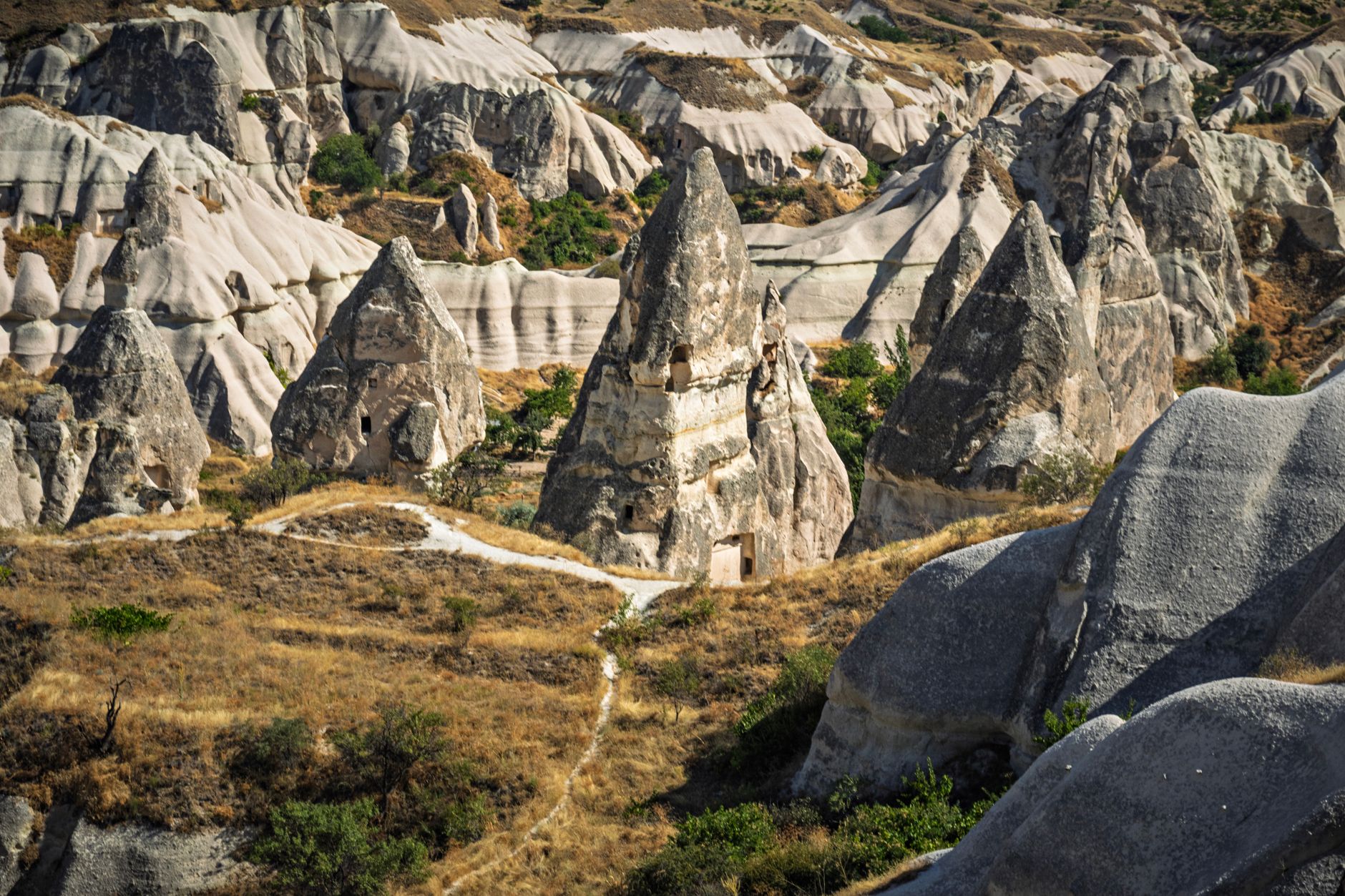
Just a short drive from Hattuşa, Yazılıkaya is a natural rock sanctuary that served as a ceremonial site for the Hittite royal family. Its two chambers are carved with reliefs of gods, goddesses, and kings — a procession frozen in stone for three millennia.
The main chamber features a striking pantheon of deities, with the Sun Goddess of Arinna and the Storm God of Hatti at the center. In the smaller chamber, you'll find a relief of King Tudhaliya IV, protected by the god Sharruma. It's a place of quiet power, surrounded by pine trees and birdsong.
Photographers love Yazılıkaya in the late afternoon, when golden light rakes across the carvings and brings out their intricate details. The site is small and intimate, a perfect complement to the sprawling ruins of Hattuşa.
Alacahöyük: Royal Tombs and Sphinxes
About 40 kilometers south of Hattuşa, Alacahöyük is another Hittite treasure, though its history stretches back even further, to the Chalcolithic period. This was a major cult center, and its royal tombs contained some of the most spectacular artifacts ever found in Anatolia, including gold diadems, bronze standards, and sun disks.
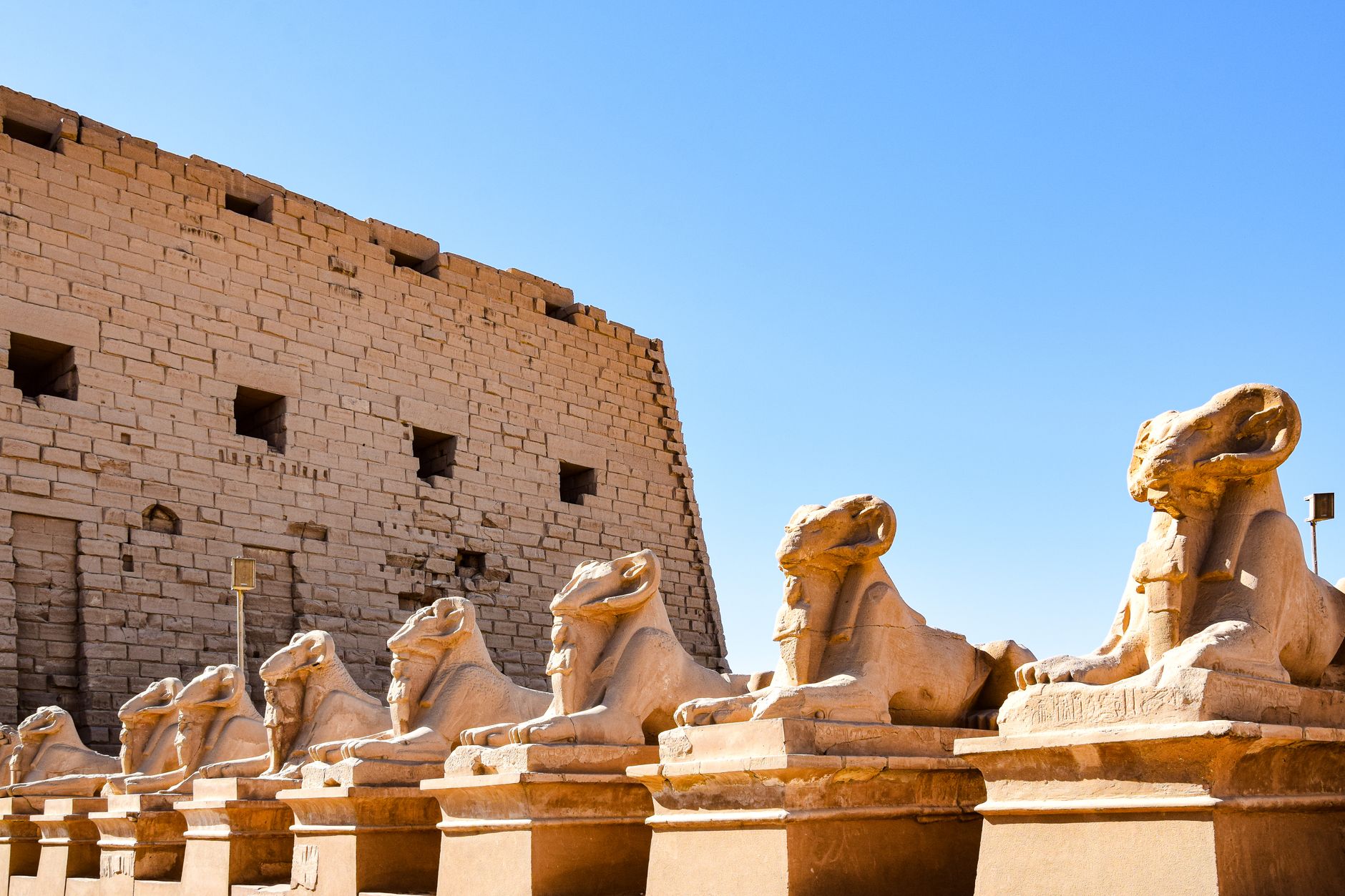
The site's most iconic feature is the Sphinx Gate, flanked by two massive sphinxes that guard the entrance to the sacred precinct. Nearby, you can see the foundations of a temple and the remains of an ancient dam and reservoir.
Alacahöyük is quieter than Hattuşa, often with only a few visitors. Take your time here, imagining the ceremonies that once took place within these walls. The on-site museum is small but worthwhile, displaying replicas of the tomb treasures (the originals are in Ankara's Museum of Anatolian Civilizations).
How to Get There: Driving the Hittite Road
The best way to explore the Hittite heartland is by car. From Ankara, take the E88/E80 highway east toward Çorum, then follow signs to Boğazkale. The drive takes about 3.5 to 4 hours, covering roughly 250 kilometers of well-maintained roads that pass through rolling farmland and small towns.
If you prefer public transport, buses run from Ankara to Çorum (about 4 hours), and from Çorum you can catch a local minibus to Boğazkale (another 45 minutes). However, having your own vehicle gives you the freedom to visit Alacahöyük and Yazılıkaya at your own pace.
Rent a car in Ankara or Çorum. The roads are generally quiet, and driving is easy, though you'll want to watch for tractors and stray animals. Fuel stations are plentiful along the main highways, but fill up before heading to the more remote sites.
Combined tickets: A single ticket covers Hattuşa and Yazılıkaya, and it's valid for multiple entries on the same day. Alacahöyük requires a separate ticket. Museum cards (such as the Turkish Museums Pass) can offer savings if you plan to visit multiple sites across Türkiye.
Best Light for Photos: Timing Your Visit
Photographers, listen up: the Hittite heartland rewards those who plan around the sun. For Hattuşa, the golden hour — early morning or late afternoon — is ideal. The low angle of the sun highlights the texture of the ancient stones and creates dramatic shadows across the Lion Gate and the Great Fortress.
Yazılıkaya is best in the late afternoon, when the reliefs catch the warm, slanting light. The site faces west, so the setting sun illuminates the carvings beautifully.
Alacahöyük's Sphinx Gate is stunning in the morning light, which brings out the details of the stonework. Avoid midday, when the sun is harsh and the sites are crowded (by local school groups, mostly).
Spring (April to June) and autumn (September to November) offer the most comfortable temperatures and the best light. Summers can be scorching, and winters cold and occasionally snowy.
Where to Stay: Comfortable Bases in Çorum and Boğazkale
For a comfortable stay, base yourself in Çorum, a lively city with a good selection of hotels and restaurants. The Anitta Hotel is a popular choice, with modern rooms and a central location. Hotel Aşıkoğlu offers reliable comfort and friendly service. Çorum also has a vibrant food scene — don't miss the local keşkek (a hearty wheat and meat dish) and Çorum mantısı.
If you want to be closer to the ruins, Boğazkale has a few small guesthouses and hotels. Başkent Hotel is simple but clean, and Hattuşa Pension offers a warm welcome and home-cooked meals. Staying in Boğazkale means you can be at Hattuşa for sunrise, a magical experience.
For a touch of luxury, consider the Osmancık Kanyon Otel near the scenic Kızılırmak canyon, about an hour's drive from Hattuşa. It's a great spot to unwind after a day of exploring.
Food and Local Hospitality
Central Anatolian cuisine is hearty, comforting, and deeply rooted in tradition. In Çorum, you'll find excellent pide (flatbread with toppings), lahmacun, and grilled meats. The city is also famous for leblebi (roasted chickpeas), a crunchy snack you'll see sold everywhere.
In Boğazkale, family-run restaurants near the ruins serve simple but delicious meals — think lentil soup, grilled chicken, and fresh salads. The hospitality is genuine; locals are proud of their Hittite heritage and eager to share stories.
Don't leave without trying ayran (yogurt drink) and a strong cup of Turkish tea. And if you're offered a homemade dessert, say yes — it's likely to be baklava or a local fruit preserve.
Practical Tips for Your Hittite Adventure
- Best time to visit: Spring and autumn for mild weather and fewer crowds.
- What to bring: Comfortable walking shoes, sun protection, water, and a camera.
- Language: English is limited outside major hotels, so a translation app or basic Turkish phrases are helpful.
- Currency: Turkish Lira (TRY). Credit cards are accepted in Çorum, but carry cash for smaller sites and rural areas.
- Opening hours: Hattuşa and Yazılıkaya are typically open daily from 8:00 AM to 5:00 PM (longer in summer). Alacahöyük has similar hours.
This journey through the Hittite heartland is more than a history lesson — it's an adventure into the soul of Türkiye, a country that has been home to some of the world's greatest civilizations. Come with curiosity, leave with awe.
Thinking about a trip to Turkey?
Share your contact details and a vetted local expert will follow up with a plan built around you — free, no obligation.