

Meet Karagöz and Hacivat: Türkiye's Beloved Shadow-Play Duo
If you've ever watched a puppet show and found yourself laughing at jokes you barely understood, you already know the magic of Karagöz and Hacivat. This centuries-old shadow-play tradition is one of Türkiye's most treasured performing arts, and it's a delight for travelers of all ages. Using nothing more than a backlit screen, intricately cut leather puppets, and the voice talents of a single master puppeteer, Karagöz brings to life a whole neighborhood of characters — lovers, drunkards, dandies, and busybodies — in a whirlwind of music, mischief, and satire.
At its heart are two iconic figures. Karagöz is the rough, honest, quick-tempered Everyman with a big mouth and a bigger heart. Hacivat is his polished, educated, poetry-spouting friend who loves a good turn of phrase — and often finds himself on the receiving end of Karagöz's slapstick rage. Their bickering friendship is the engine of the entire art form, and their names are practically synonymous with Turkish humor and folk wisdom.
The best part? You don't need to speak a word of Turkish to enjoy it. The exaggerated voices, the rhythmic tapping of the nareke (a wooden whistle), the sudden outbursts, and the beautifully designed puppets tell the story visually. Kids gasp at the puppets; adults catch the satire. It's a cultural experience that works across languages and generations — and it's often free or very affordable.
A Quick History: From Ottoman Coffeehouses to Modern Stages
Karagöz and Hacivat emerged as a fully formed theatrical art in the Ottoman era, with its golden age spanning the 17th to 19th centuries. Performances took place in coffeehouses, palaces, gardens, and during Ramadan festivities, where audiences gathered after breaking their fast to watch the show. The puppeteer — called a hayali — was a one-person orchestra: voicing every character, manipulating the puppets, singing songs, and improvising jokes about local events.
The tradition traveled far beyond Istanbul. It became a staple across Anatolia, the Balkans, and the Middle East, adapting to each region's tastes. Over time, the plays developed a classic repertoire: "The Haunted House," "The Bicycle," "The Lottery," and countless others, each offering a comedic framework that the puppeteer could riff on. Political satire was fair game, and the hayali was expected to poke fun at the powerful without crossing dangerous lines.
In 2009, UNESCO inscribed Karagöz on its Representative List of the Intangible Cultural Heritage of Humanity, recognizing it as a living treasure that must be protected. Today, the art form survives thanks to dedicated puppeteers, municipal theaters, cultural festivals, and a new generation of artists who blend tradition with modern sensibilities. UNESCO recognition also brought renewed funding and attention, helping ensure the shadow screen stays lit.
The Puppets and the Screen: How the Magic Works
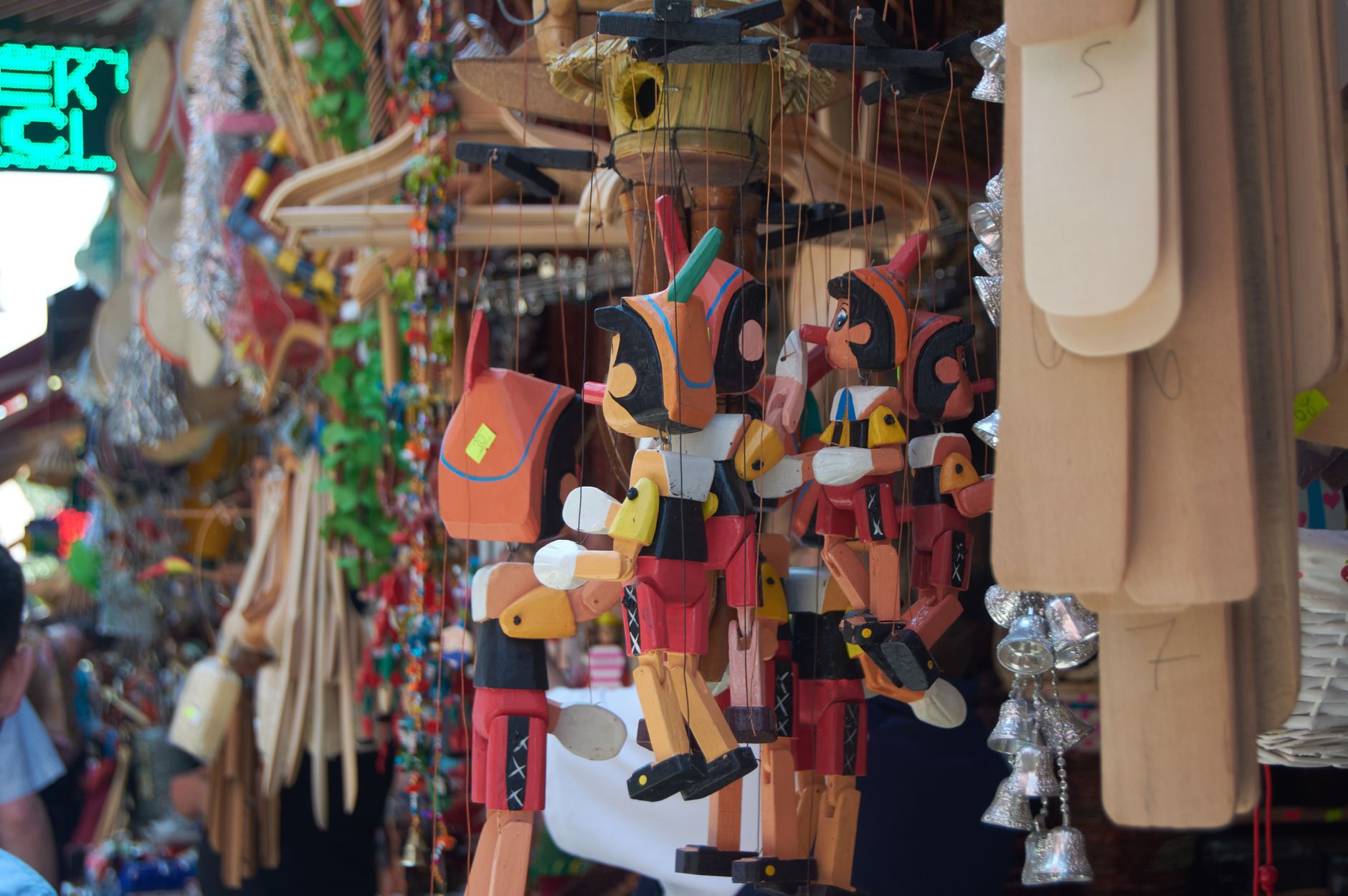
Traditional Karagöz puppets are made from camel or ox hide that has been treated, dried, and carefully cut with a sharp tool called a nevregan. The figure is then painted with transparent dyes so light shines through the colored areas, creating a glowing, stained-glass effect on screen. A single puppet may be jointed at the neck, waist, and hands, allowing it to bow, dance, and even fly across the stage.
The stage itself is deceptively simple: a white screen — often made of cotton — stretched over a wooden frame. Behind it sits the hayali, who manipulates the puppets with thin rods against the light of an oil lamp or, in modern performances, a projector bulb. The puppeteer also provides all the voices, songs, and sound effects, assisted by musicians playing the tef (tambourine) and other instruments.
What looks effortless is a virtuoso act. Skilled hayalis can make two puppets argue, dance, and fight simultaneously, switching voices in an instant. The rhythm is fast, the timing precise, and the humor often improvised. When you watch a live show, you're witnessing a performer keep an entire universe in motion with their hands and voice alone.
Where to See Karagöz and Hacivat Live in Istanbul
Istanbul is the spiritual home of Karagöz, and you'll find performances across the city, especially in the cooler months and during Ramadan. Here are some of the best places to catch a show:
- Istanbul Metropolitan Municipality City Theaters (Şehir Tiyatroları): Several venues, including the Karagöz Theater in the Fatih district, host regular shadow-play performances for families. Tickets are extremely affordable — often just a few Turkish lira — and some shows are free.
- Karagöz & Hacivat Cultural Center in Bursa (also worth the trip): While technically in Bursa, this dedicated center is the definitive Karagöz destination and frequently partners with Istanbul festivals. We'll cover Bursa separately below.
- Ramadan Nights in Sultanahmet: During the holy month, the area around the Blue Mosque and Hagia Sophia transforms into a festival of lights, food stalls, and free cultural performances, including Karagöz. Check local listings for exact dates.
- Traditional coffeehouses and cultural centers: Places like Çorlulu Ali Paşa Medresesi near the Grand Bazaar occasionally host intimate shadow-play shows, recreating the historic coffeehouse atmosphere.
- Museums and festivals: The Istanbul Toy Museum and various international arts festivals (e.g., the Istanbul Biennial or Theater Festival) sometimes feature Karagöz performances, often with English subtitles or visual storytelling.
Always check the current schedule online or ask at your hotel. Many performances are announced only a week or two in advance, and Ramadan dates shift each year. Arrive early to get a good seat — the front rows are best for kids who want to see the puppet details.
Bursa: The Heart of Karagöz Heritage
If you want to go deeper, head to Bursa, the former Ottoman capital about two hours south of Istanbul. Legend says Karagöz and Hacivat were real people — construction workers at a mosque in Bursa during the 14th century — whose comic banter delayed the project so much that they were executed. Their story became the basis for the shadow play, and Bursa proudly claims them as local heroes.
The city is home to the Karagöz Müzesi (Karagöz Museum), a small but charming museum dedicated to the art form. It displays historical puppets, screens, and tools, and often hosts live performances, especially on weekends. Nearby, the Karagöz & Hacivat Cultural Center offers regular shows, workshops, and exhibitions. Entry fees are low, and performances are family-friendly.
Bursa is also a wonderful city to explore in its own right — the Grand Mosque, the silk bazaar, and the beautiful mountain village of Cumalıkızık are all nearby. Combine a Karagöz show with a day of sightseeing, and you've got a perfect cultural outing.
Festival Seasons and Special Events Across Türkiye
Beyond Istanbul and Bursa, Karagöz appears at cultural festivals throughout the year. The biggest is the International Bursa Karagöz Festival, usually held in spring or early summer, where puppeteers from around the world perform. It's a joyous celebration with workshops, parades, and plenty of free shows.
Other notable events include the Istanbul International Puppet Festival (held in various years), the Antalya Golden Orange Film Festival (which sometimes includes shadow-play screenings), and local Ramadan celebrations in cities like Izmir, Ankara, and Konya. During the Nevruz spring festival and other public holidays, municipalities often organize free cultural performances in public squares.
If your trip coincides with Ramadan, you're in luck: almost every city hosts nightly Karagöz shows as part of the traditional Ramazan eğlencesi (Ramadan entertainment). These are usually free and held in courtyards, parks, and cultural centers. Check the local municipality's website or social media for schedules.
How the Humor Translates (Even Without Turkish)
Worried you won't understand the jokes? Don't be. Karagöz is a visual medium first. The comedy is physical: Karagöz whacks Hacivat with a stick, trips over a rug, or gets chased by a donkey. The puppets' exaggerated movements, the rhythmic music, and the puppeteer's expressive voice acting carry the story even if you don't catch a single word.
Many modern performances for tourists include English subtitles projected above or beside the screen, or a narrator who provides a quick synopsis. Some shows are entirely wordless or use minimal dialogue, relying on music and action. And because the characters are archetypes — the clever servant, the pompous boss, the meddling neighbor — their dynamics feel familiar across cultures.
That said, a little context helps. Karagöz's humor often comes from wordplay and social satire, so if you're seeing a traditional play in Turkish, you can still enjoy the slapstick and the beauty of the puppetry. For a deeper dive, consider booking a performance with an English-speaking guide or attending a workshop where the puppeteer explains the techniques and jokes.
Practical Tips: Tickets, Timing, and Etiquette
Tickets: Most Karagöz performances are free or cost a symbolic amount (often under 50 TL). Municipal theaters may sell tickets online or at the door. For festivals, some events require advance registration, but many are open to the public.
Timing: Shows typically run 30–60 minutes, perfect for young children. Evening performances are common, especially during Ramadan, but daytime shows for families and school groups are also frequent. Arrive 15–20 minutes early to get a good seat.
Etiquette: Karagöz is a relaxed, family-friendly art form — clapping, laughing, and cheering are encouraged. Photography without flash is usually allowed, but check first. Don't touch the puppets or screen unless invited.
Language: If you don't speak Turkish, look for shows advertised as "İngilizce altyazılı" (English subtitled) or "sözsüz" (without words). Tourist information offices and hotel concierges can help you find suitable performances.
Accessibility: Many venues are wheelchair-accessible, but older buildings may have steps. It's worth asking ahead if you have specific needs.
Bring the Kids — and Your Sense of Fun
Karagöz is one of the most family-friendly cultural experiences in Türkiye. The shows are short, colorful, and full of energy. Children love the puppets' antics and the silly voices; parents love the affordable price and the chance to sit back and enjoy a genuine slice of Turkish heritage.
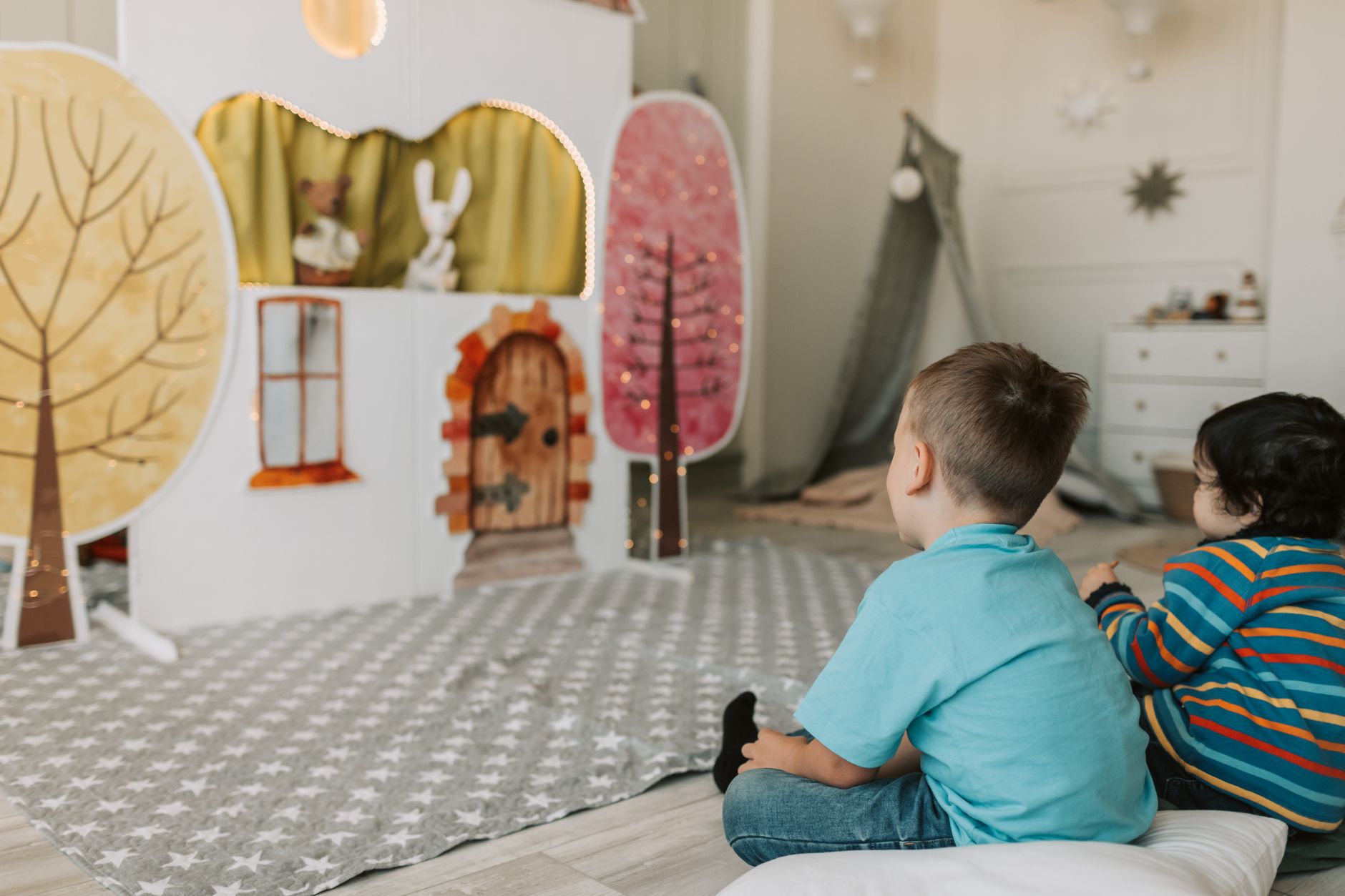
Many performances include interactive elements — puppeteers sometimes invite kids on stage to try manipulating a puppet or ask the audience to shout responses. It's a wonderful way to introduce children to theater and to Turkish culture without any pressure.
Even if you're traveling without kids, the sheer craft of Karagöz is mesmerizing. Watching a master hayali conjure an entire world from a glowing screen is a reminder of how powerful simple storytelling can be. It's a highlight of any cultural itinerary.
Plan Your Karagöz Adventure
Whether you're in Istanbul for a weekend or exploring Bursa and beyond, catching a live Karagöz and Hacivat performance is an unforgettable, joyful experience. It's a living art that has delighted audiences for centuries, and it continues to evolve while staying true to its roots.
To make the most of it, check local listings when you arrive, keep an eye out for Ramadan and festival seasons, and don't worry about the language barrier — laughter is universal. Bring your family, bring your camera (no flash!), and prepare to be charmed by Türkiye's most beloved shadow-play duo.
For more cultural guides and practical tips, explore our other articles on TurkeyTripPlanner.com. Happy travels — and iyi seyirler (enjoy the show)!
Thinking about a trip to Turkey?
Share your contact details and a vetted local expert will follow up with a plan built around you — free, no obligation.