
A Trickster Born in the Candlelight
Long before screens glowed in every living room, Turkish families gathered around a different kind of screen — a taut white cloth lit from behind by an oil lamp, where two colourful figures named Karagöz and Hacivat bickered, sang and tumbled their way through everyone's favourite stories. Karagöz is Türkiye's traditional shadow theatre, and it remains one of the country's warmest, most joyful living traditions.
Karagöz is the people's jester: loud, generous, a little stubborn and endlessly funny. Hacivat is his polished, poetry-quoting friend whose fancy words never quite get through to Karagöz. Together they open almost every play with a comic argument, then step aside for a parade of villagers, musicians and magical creatures. The result is slapstick, satire and song rolled into one, and it is a wonderful first taste of Turkish storytelling for children.
UNESCO recognises Karagöz as part of humanity's intangible cultural heritage, but the best way to appreciate that honour isn't a museum plaque — it's sitting in a small theatre with children laughing at a puppet made from camel leather a hundred years after the same joke landed. In this guide we'll cover what a performance looks like, where families can see it in Istanbul and beyond, how to prepare kids beforehand, and a few gentle practicalities so the whole evening feels like a treat.
What Actually Happens in a Karagöz Show
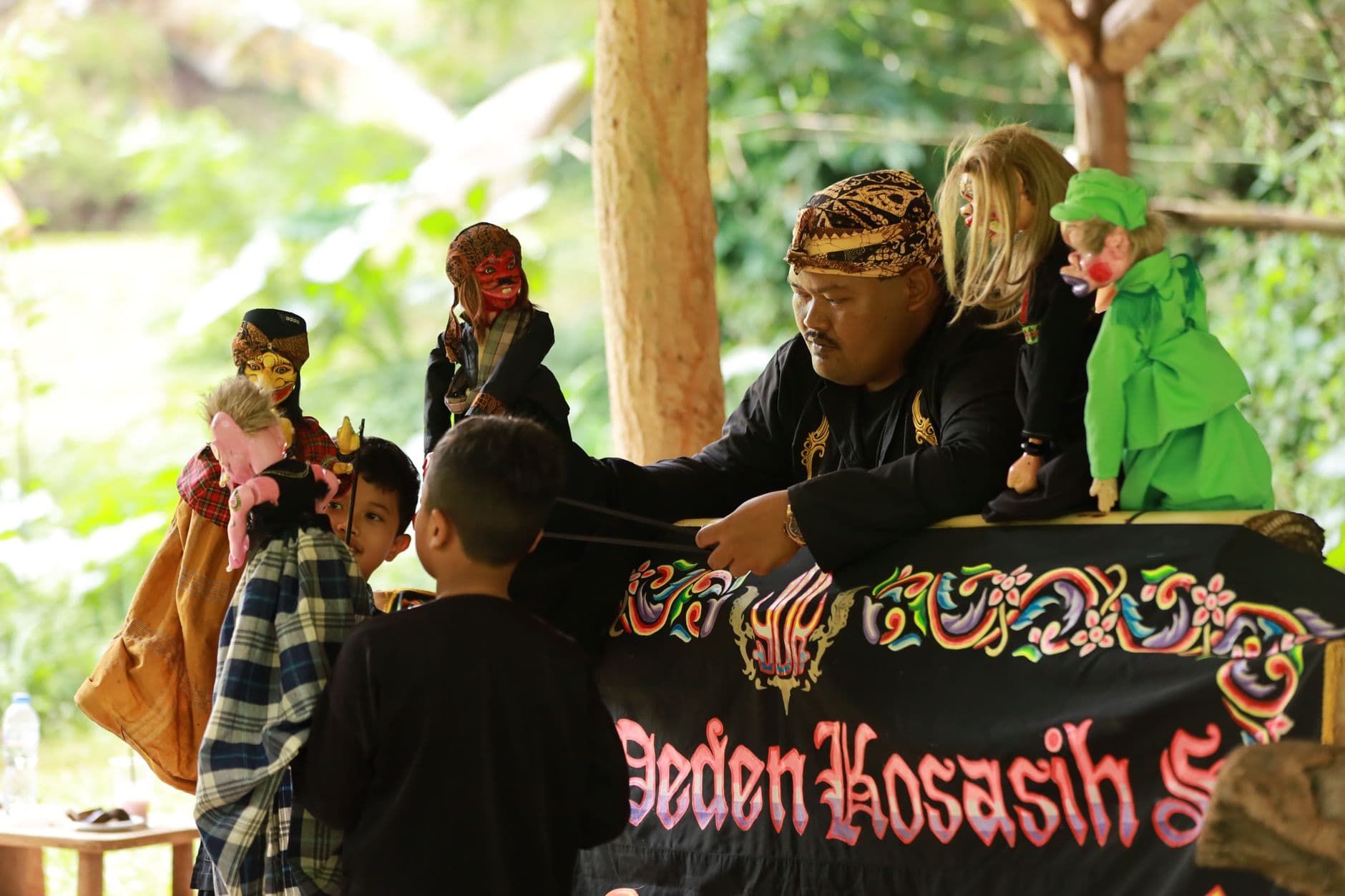
Behind the screen sits the hayali, the puppet master, who uses thin rods to glide the figures across the cloth. A musician — often with a tambourine or reed flute — keeps the rhythm, and the hayali voices every character, switching between accents and registers with astonishing speed. The puppets themselves are cut from translucent camel or cow leather, dyed in jewel colours, and held up to the light so they glow like stained glass.
Plots are loose, comic and endlessly adaptable. A classic might involve Karagöz pretending to be a doctor, a wedding celebration that goes hilariously wrong, or Hacivat trying to teach his friend a new word and failing spectacularly. Between scenes, characters sing folk songs and dance, and the audience is often invited to clap along — something children take to immediately.
Modern family performances are skilfully shortened to suit young attention spans, usually running 30 to 50 minutes, and many add a short question-and-answer moment afterwards. Puppeteers frequently bring a puppet into the audience so children can see how a flat leather figure becomes a living character. For a great sense of how Türkiye's heritage is performed for visitors today, browse our guides and pair a show with a broader cultural itinerary.
Where to See Karagöz Live in Istanbul
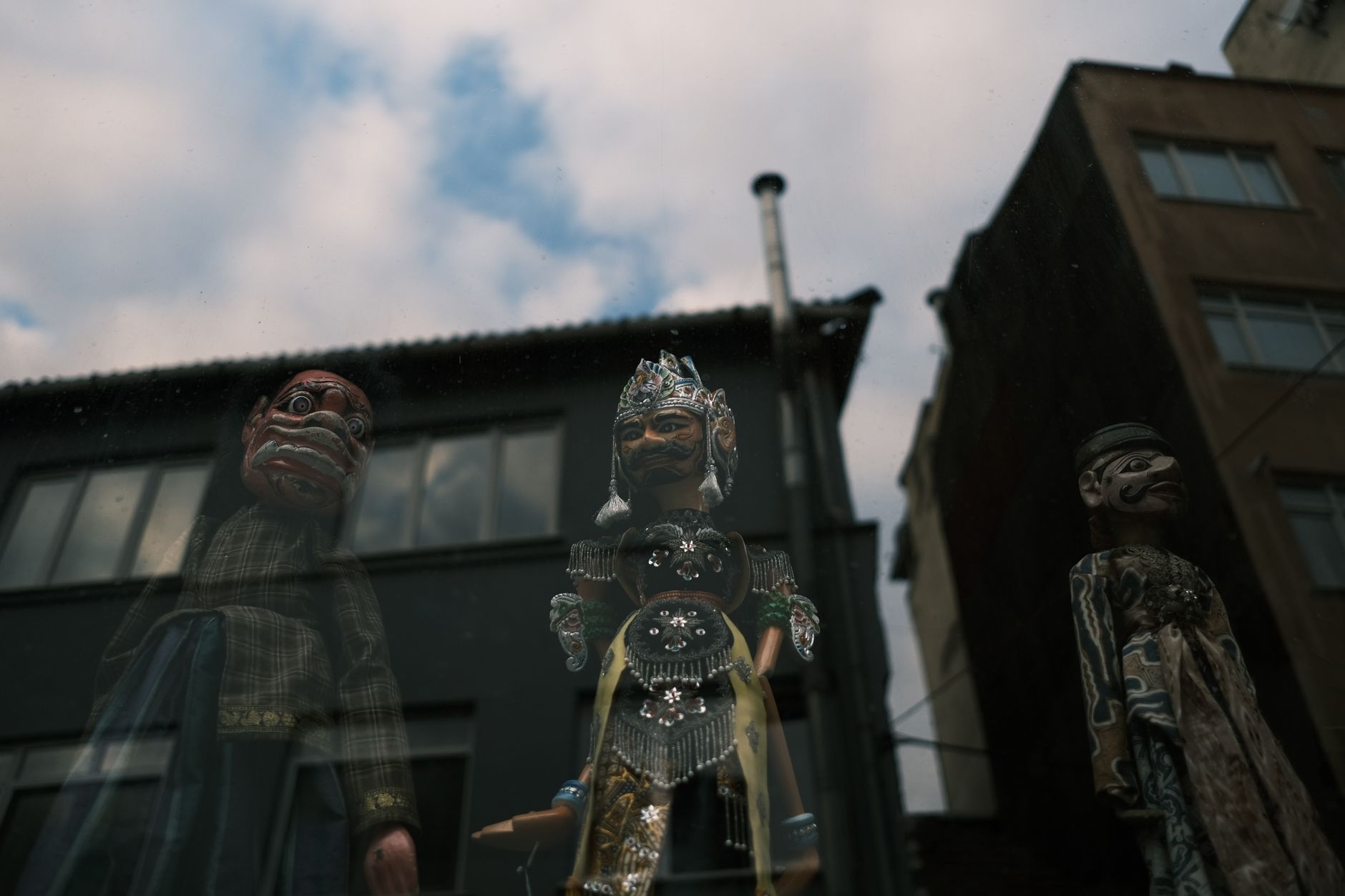
Istanbul is the heartland of Karagöz, and several venues keep the tradition flickering year-round. The most famous is the Karagöz Museum and theatre in the Bursa-style setting of the old city, but families will also find performances in municipal cultural centres, museums and even cafés across the city.
- Karagöz & Hacivat shadow theatre performances in the historic peninsula — small dedicated stages near Sultanahmet and Beyazıt often run short daily shows aimed at families and school groups; check timings locally, as schedules shift with the season.
- Municipal cultural centres (Kültür Merkezleri) — İBB and district municipalities across Beyoğlu, Kadıköy, Üsküdar and Fatih regularly programme Karagöz alongside other children's theatre, often free or very cheap.
- Museums with live programming — many Istanbul museums stage shadow-puppet demonstrations during school holidays and at festival weekends.
- Ramadan and festival nights — during Ramazan and around national holidays, Karagöz appears in public squares, courtyard gatherings and family-friendly events across the city.
Because Istanbul's cultural calendar is rich and ever-changing, the smart approach is to ask your hotel, a local guide or a cultural centre's programme for the week's performances. If you are planning a family trip, our itineraries can help you slot a show between museum mornings and Bosphorus afternoons — and our best-time guide explains when school holidays and festivals make family entertainment most abundant.
Beyond Istanbul: Karagöz Across Türkiye
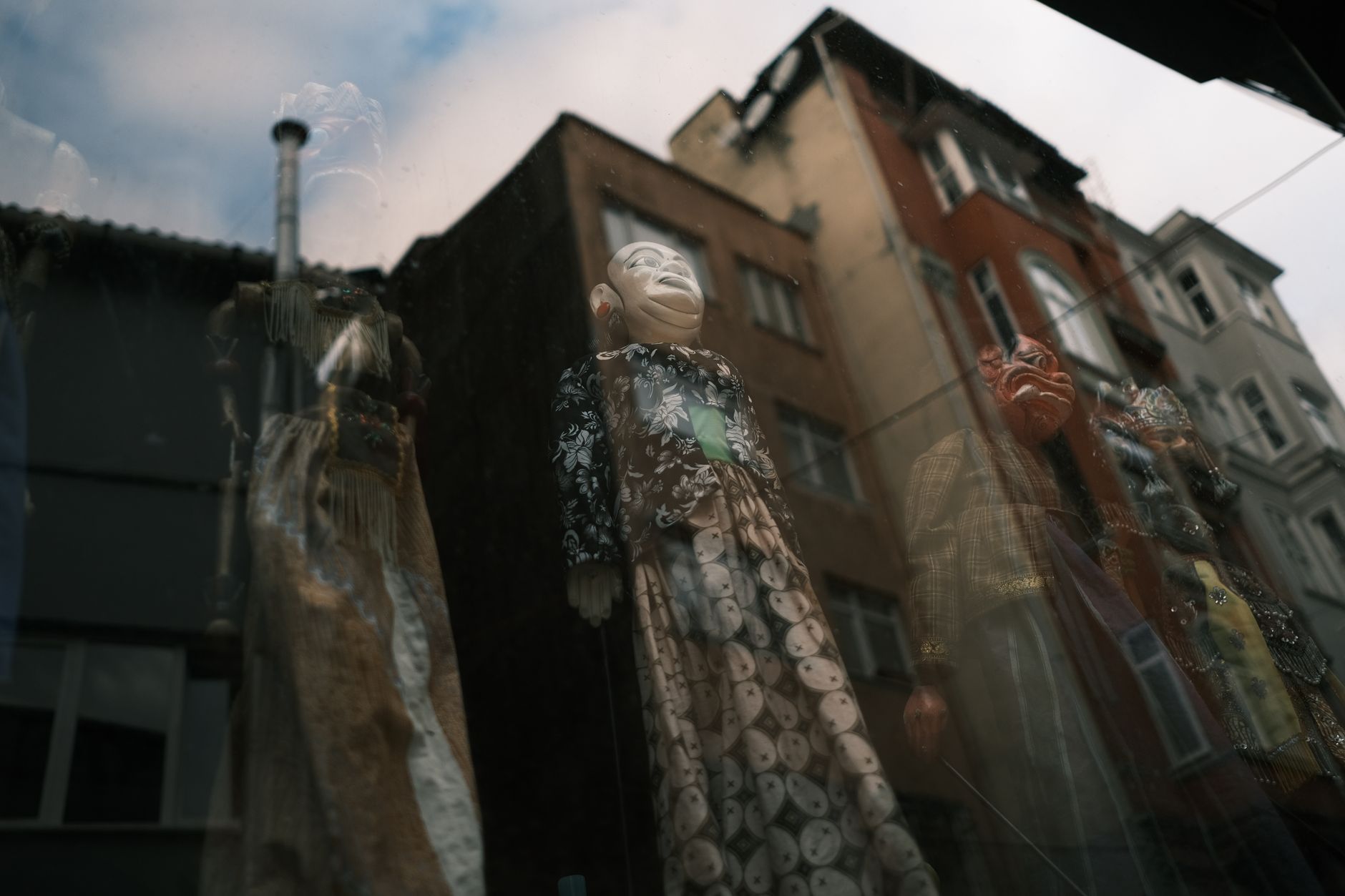
Karagöz is not an Istanbul-only pleasure. Bursa, the city most associated with the art's leather-cutting tradition, has a strong shadow-theatre scene, and the Karagöz Museum there is a joyful stop for children who want to see puppets close up before a show. Bursa's centuries-old connection to the craft makes it a natural cultural detour on a western Türkiye route.
In Ankara, İzmir, Antalya and Konya, municipal theatres and cultural centres keep the tradition alive, often pairing Karagöz with other children's theatre productions. Smaller Anatolian towns sometimes host travelling puppeteers at festivals, libraries and schools, particularly around religious holidays.
If your family is touring the country, consider timing a stop in a city with a known puppetry programme. Our destinations section helps you see which cities suit your route, and our routes page can shape a journey that includes a night of traditional entertainment. Families who enjoy Karagöz often fall in love with other Turkish folk arts too — look out for meddah storytelling and orta oyunu folk comedy in the same venues.
How to Introduce Kids to Karagöz Before the Show
The single best way to set children up for a great performance is a little preparation — not to explain the art, but to make the characters familiar. Start with the two heroes: Karagöz, the loud, warm-hearted trickster, and Hacivat, his clever, slightly pompous friend. Tell your children that Karagöz never quite understands Hacivat's fancy language, and that this is the joke that keeps giving.
Then get hands-on. Shadow puppetry is wonderfully easy to imitate at home with a torch, a blank wall and paper cut-outs. A few minutes of making simple animal or people shapes on the wall can transform a child's understanding of how the theatre works — the screen, the light, the puppeteer behind. Many children arrive at their first show already imagining themselves as the hayali.
Other gentle preparation ideas:
- Watch a short clip online together, so the look and sound of the figures are familiar.
- Learn a catchphrase — the classic back-and-forth between Karagöz and Hacivat is easy to repeat and very funny.
- Read a picture-book version of a Karagöz tale if you can find one, or simply retell a favourite folk story as a comedy.
- Talk about the light — explain that the puppets are leather and that the lamp behind the screen makes their colours glow.
Above all, keep it light and playful. Karagöz is entertainment, not homework; a few giggles before the curtain rises are worth more than any explanation. Our blog often features family-friendly cultural ideas you can use as warm-ups.
Practical Tips for a Happy Family Outing
Karagöz performances are generally relaxed and welcoming to children, but a little planning makes the evening smoother. Shows are often in Turkish, but the comedy is so physical and visual that even non-Turkish-speaking children follow the action well; puppeteers performing for international audiences sometimes add simple narration or English explanations.
Arrive early so children can see the screen, the lamp and the puppets before the lights dim. Sit reasonably close if you can — the figures are small and the magic is in the details. Keep the mood celebratory: this is a chance to clap, laugh out loud and perhaps meet the puppeteer afterwards.
On timing and tickets: performances are usually short, affordable and often free at municipal venues; museums may include a show in the entry price. Weekends, school holidays and festival periods are the liveliest times to go, while quieter weekdays can be ideal for younger or more sensitive children. Check current programmes locally, since schedules change with the season — our travel tools can help you keep plans organised.
Finally, make it an occasion. Many families pair a show with a simple dinner of lahmacun or gözleme, or a walk through a lit square afterwards. In Türkiye, the evening of a shadow-puppet show is traditionally a family night out — sweet, communal and full of laughter — and that atmosphere is half the joy.
Why Karagöz Still Matters — and Why Kids Love It
Karagöz has survived for centuries because it belongs to everyone. Its humour pokes fun at the powerful, celebrates neighbourliness and turns everyday village life into comedy. Watching it, children learn something lovely without being lectured: that Turkish culture treasures wit, generosity and the pleasure of a shared laugh.
For families, the tradition offers something increasingly rare — a live, handmade, communal show with no screen but the glowing one, and no special effects but a puppeteer's skill. Children respond to that honesty instantly. Many leave wanting to make their own puppets, and the art quietly passes to another generation.
So make room for a Karagöz evening on your Turkish journey. Whether in a candlelit historic hall in Istanbul, a Bursa museum or a neighbourhood cultural centre, the flicker of the lamp and the first squabble between Karagöz and Hacivat is a memory that stays with children long after the lights come up. To plan the rest of your trip around such moments, explore our trip planner, meet local experts who know the city's cultural calendar, and check our FAQ for family travel questions. Karagöz is waiting — and he is very ready to make your children laugh.
Thinking about a trip to Turkey?
Share your contact details and a vetted local expert will follow up with a plan built around you — free, no obligation.