

An Introduction to Lake Van: Türkiye's Eastern Sea
Lake Van is a place that rewrites your mental map of Türkiye. Most travelers picture Istanbul's minarets or Cappadocia's fairy chimneys, but far to the east, near the Iranian border, lies a body of water so vast and so blue that locals simply call it Van Gölü—and treat it like a sea. At 3,713 square kilometers, it is the largest lake in Türkiye and one of the largest in the Middle East. Its water is alkaline, slightly saline, and startlingly turquoise, framed by the snow-dusted peaks of the Armenian Highland.
This is slow travel territory. There are no crowds, no ticketed turnstiles at every viewpoint. Instead, you find tea gardens overlooking the water, fishermen mending nets, and a rhythm of life that feels centuries removed from the tourist trail. The lake sits at 1,640 meters above sea level, so the air is crisp even in summer, and the light—oh, the light—has a clarity that photographers dream about.
In this guide, we'll explore the lake's island churches, the legendary Van cat, the region's remarkable breakfast culture, and the practical details that make a visit smooth. Whether you're a history buff, a slow traveler, or simply someone drawn to quiet beauty, Lake Van will welcome you with open arms.
Geography and the Armenian Highland Shore
Lake Van is cradled by the Armenian Highland, a mountainous plateau that stretches across eastern Türkiye and into Armenia and Iran. The lake itself is endorheic—it has no outlet to the sea. Its water is alkaline and rich in sodium carbonate, which explains its soft, soapy feel and its brilliant blue hue. The surrounding terrain is volcanic, with dormant peaks like Mount Süphan (4,058 m) and Nemrut (not the famous one near Adıyaman, but a lesser-known crater lake) adding drama to the horizon.
The shoreline is dotted with small towns and villages, each with its own character. Van city, the largest settlement, sits on the eastern shore and serves as the gateway. To the south, the town of Gevaş offers a quieter base with views across the water. To the north, the town of Adilcevaz is known for its Seljuk-era castle and almond orchards. And to the west, the town of Tatvan is the terminus of the ferry and the starting point for excursions to Mount Nemrut crater.
The Armenian Highland shore is also a place of deep historical resonance. For millennia, this region was part of the Armenian homeland, and the lake was known as Vana Lich. Today, the area is predominantly Kurdish and Turkish, but the layers of history—Urartian, Armenian, Seljuk, Ottoman—are palpable in the stones and stories.
Akdamar Island and the Church of the Holy Cross
The single most iconic sight on Lake Van is Akdamar Island (Akdamar Adası), a small islet about 3 kilometers from the shore near Gevaş. On it stands the Church of the Holy Cross (Surp Haç), a 10th-century Armenian cathedral built by King Gagik I of Vaspurakan. The church is a masterpiece of Armenian architecture, with intricate bas-reliefs depicting biblical scenes and figures—Adam and Eve, Jonah and the whale, David and Goliath.
After decades of neglect, the church was restored and reopened as a museum in 2007. It now hosts occasional religious services, and its silhouette against the blue water is unforgettable. The island is reached by small boats from the Gevaş pier, a ride of about 20 minutes. In spring and summer, the island is alive with almond blossoms and wildflowers; in autumn, the light turns golden.
Because Akdamar is a religious and cultural site, respectful behavior is appreciated. There is a modest entrance fee, and you can climb to the roof for panoramic views of the lake and the surrounding mountains. Allow at least two hours for the round trip, including time on the island.
The Van Cat House and Local Wildlife
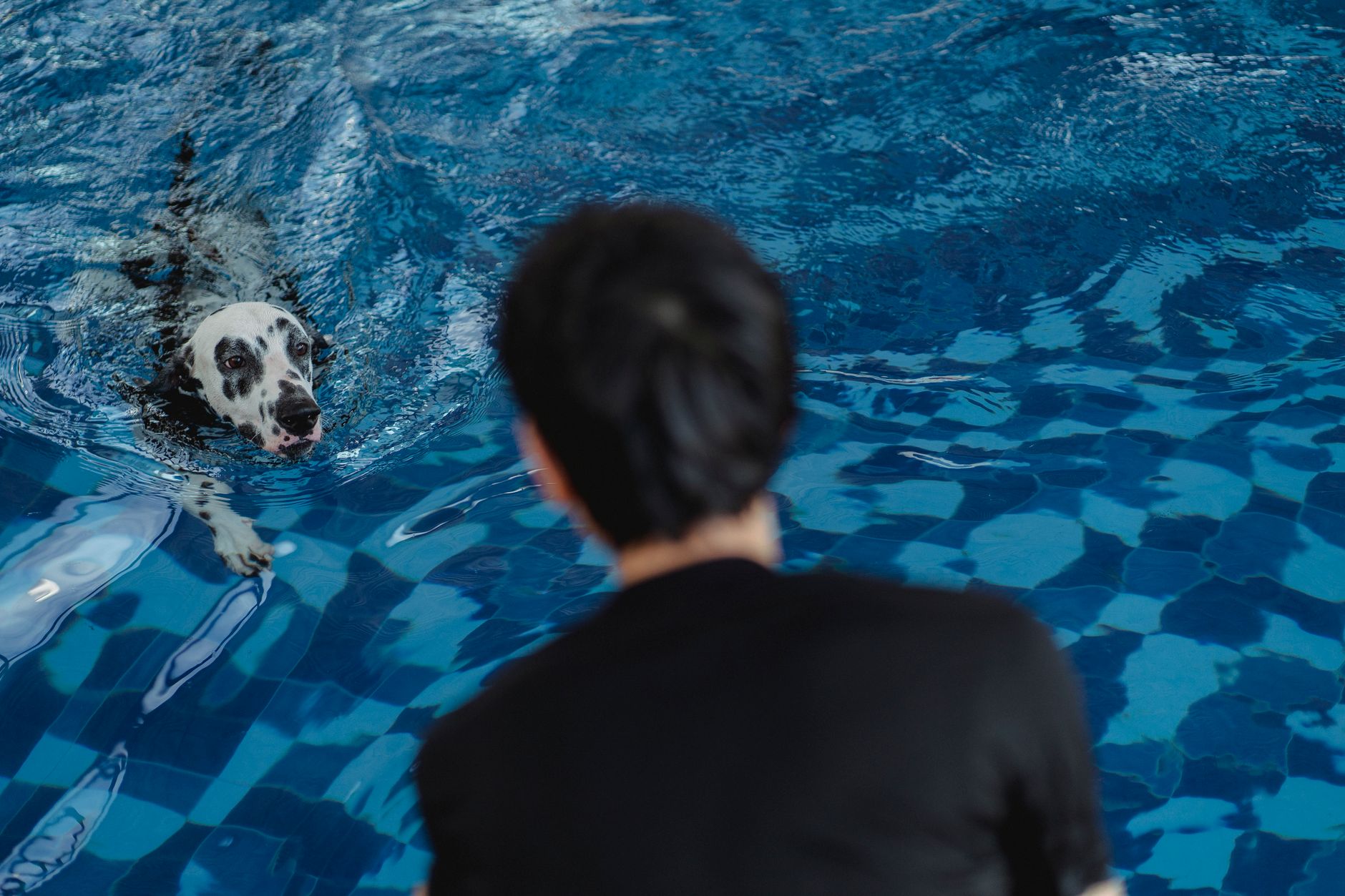
Van is famous for its cats—specifically, the Van cat, a breed known for its white fur, blue or amber eyes (often one of each), and love of water. These cats are a symbol of the city, and the Van Cat Research Center (Van Kedi Villası) is dedicated to their preservation. Located on the campus of Yüzüncü Yıl University, about 10 kilometers from the city center, the center is home to dozens of Van cats.
Visiting the Van Cat House is a delightful experience. You can watch the cats swim in their pools—a rare trait among felines—and learn about the breed's history. The center is open to the public, though it's wise to check current visiting hours. It's a favorite with families and animal lovers.
Beyond cats, the lake and its surroundings are a birdwatcher's paradise. The wetlands near the lake's edge attract flamingos, pelicans, and many migratory species. In spring, the area around Erçek Lake (a smaller, soda lake east of Van) hosts thousands of flamingos.
Regional Breakfasts and Kurdish-Turkish Hospitality
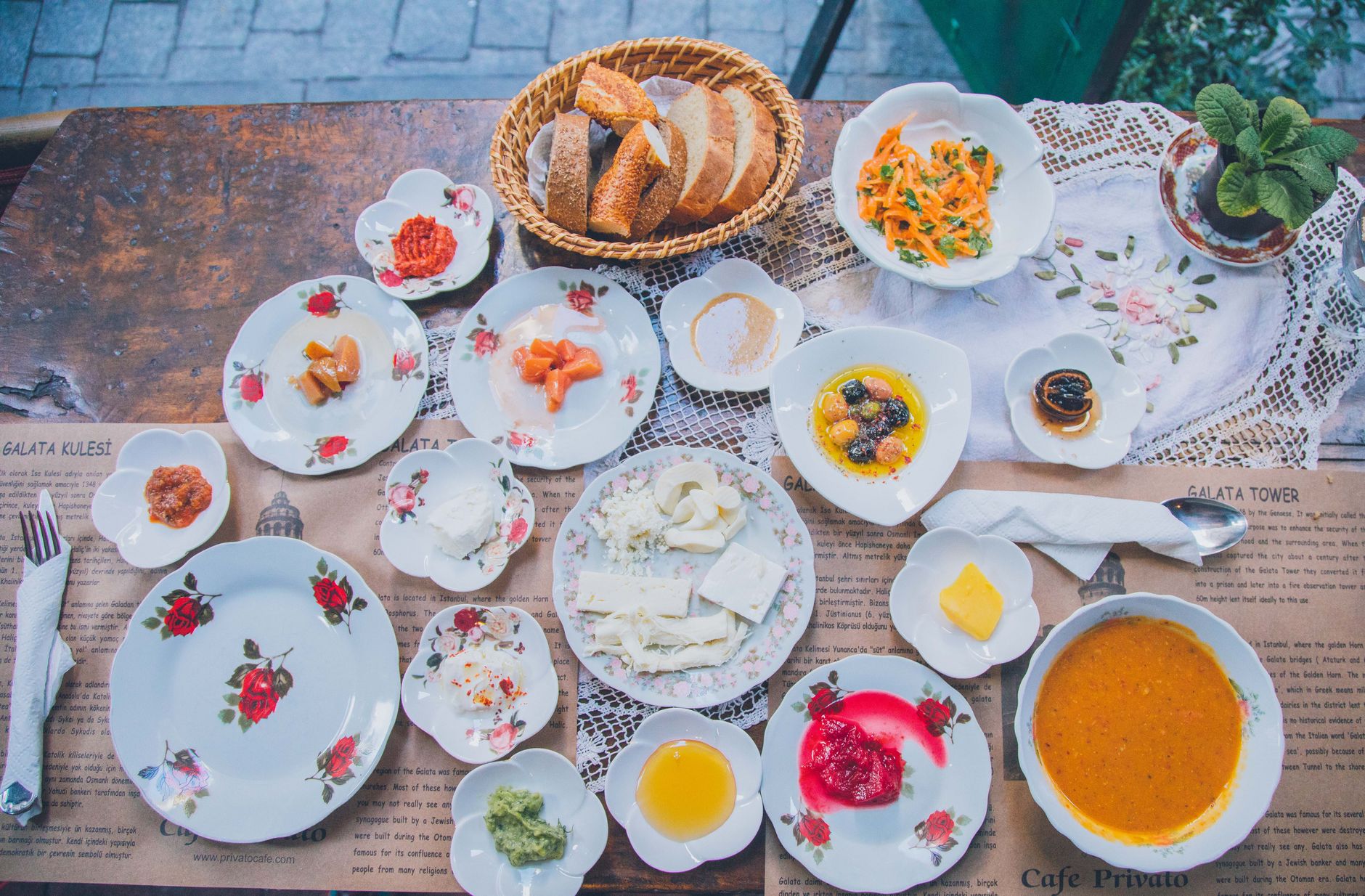
If there's one thing that will win your heart in Van, it's the breakfast. The region is renowned for its kahvaltı (breakfast), a spread that can include up to 30 small dishes. Expect fresh white cheese, honey and clotted cream (kaymak), black olives, walnuts, homemade jams, and the local specialty: otlu peynir, a herb-infused cheese unique to Van.
The centerpiece is often kavurma—braised meat—and eggs cooked with tomatoes and peppers. Bread is fresh from the tandoor, and tea is poured endlessly from double-stacked teapots. Breakfast in Van is not a meal; it's a social event, often lasting two hours or more.
The hospitality here is legendary. Whether you're in a local kahvaltı salonu (breakfast house) or invited into a family home, you'll be treated with warmth. Kurdish and Turkish families alike take pride in welcoming guests. Don't be surprised if you're offered more tea than you can drink—it's a sign of generosity.
For a truly local experience, head to one of the breakfast places along the lake in Van or Gevaş. Many offer outdoor seating with views of the water. And if you're vegetarian, you'll find plenty to enjoy: cheeses, olives, jams, and fresh vegetables.
Practicalities: Ferries, Weather, and Getting Around
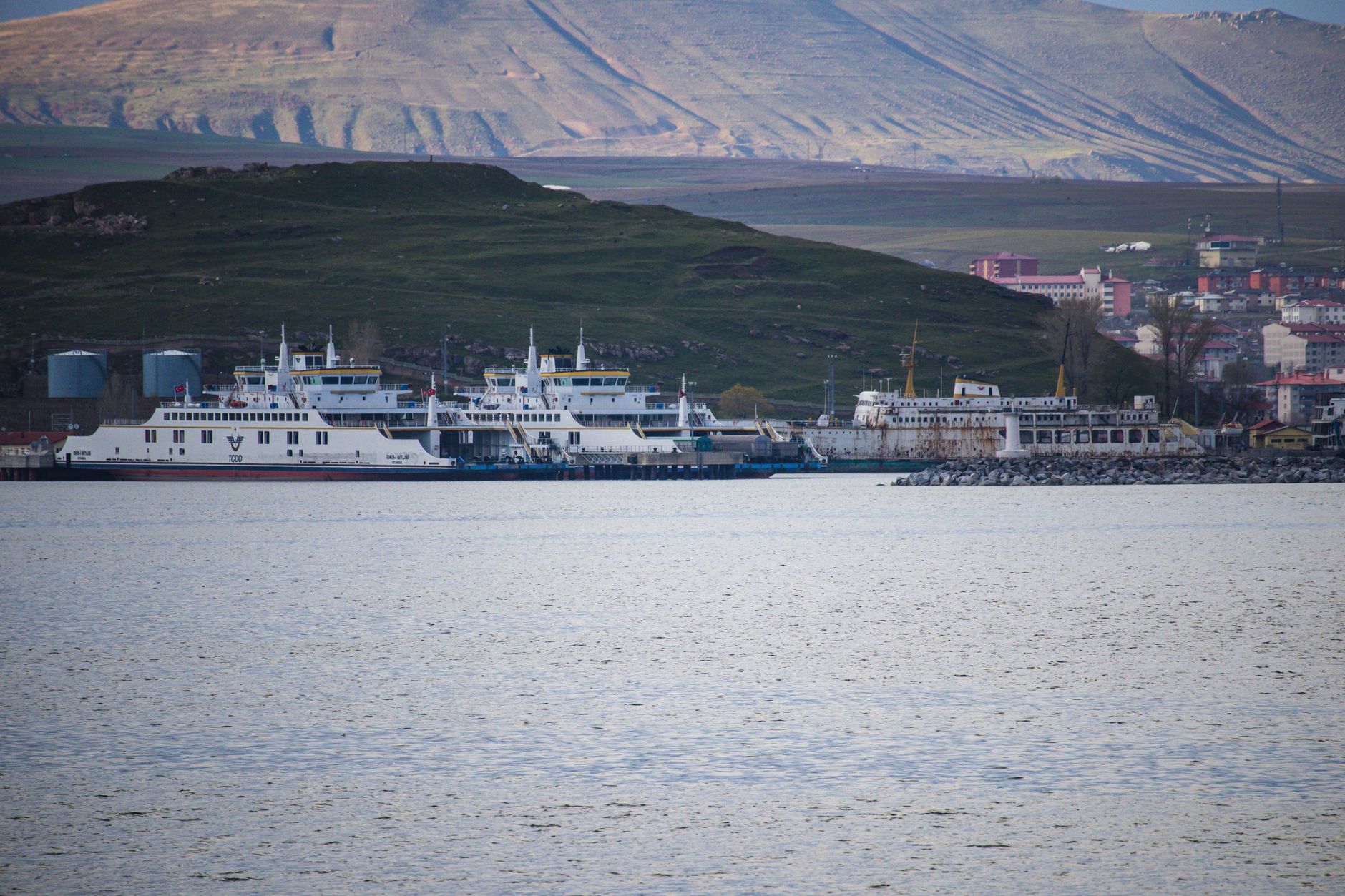
Getting to Lake Van is straightforward. Van has an airport (Van Ferit Melen Airport) with daily flights from Istanbul and Ankara. The city is also connected by bus to major cities, and the train from Ankara to Tatvan (the Trans-Asia Express) offers a scenic, if slow, journey. The ferry across the lake between Tatvan and Van is a classic experience—it takes about 4 hours and runs several times a day, carrying passengers and vehicles.
Weather on the Armenian Highland is continental: cold, snowy winters (November to March) and warm, dry summers (June to September). Spring and autumn are ideal for visiting, with mild temperatures and fewer crowds. Even in summer, evenings can be cool, so pack a light jacket. The lake's high altitude means strong sun, so sunscreen and a hat are essential.
Once in Van, you can explore the city on foot, but to reach Akdamar, Gevaş, or the cat house, you'll need a car, taxi, or dolmuş (shared minibus). Renting a car is a good option for flexibility, and roads are generally in good condition. The lake's shoreline is dotted with small restaurants and tea houses, perfect for impromptu stops. For more tips on planning your trip, see our best time to visit guide and travel tools.
Slow Travel Itinerary and When to Go
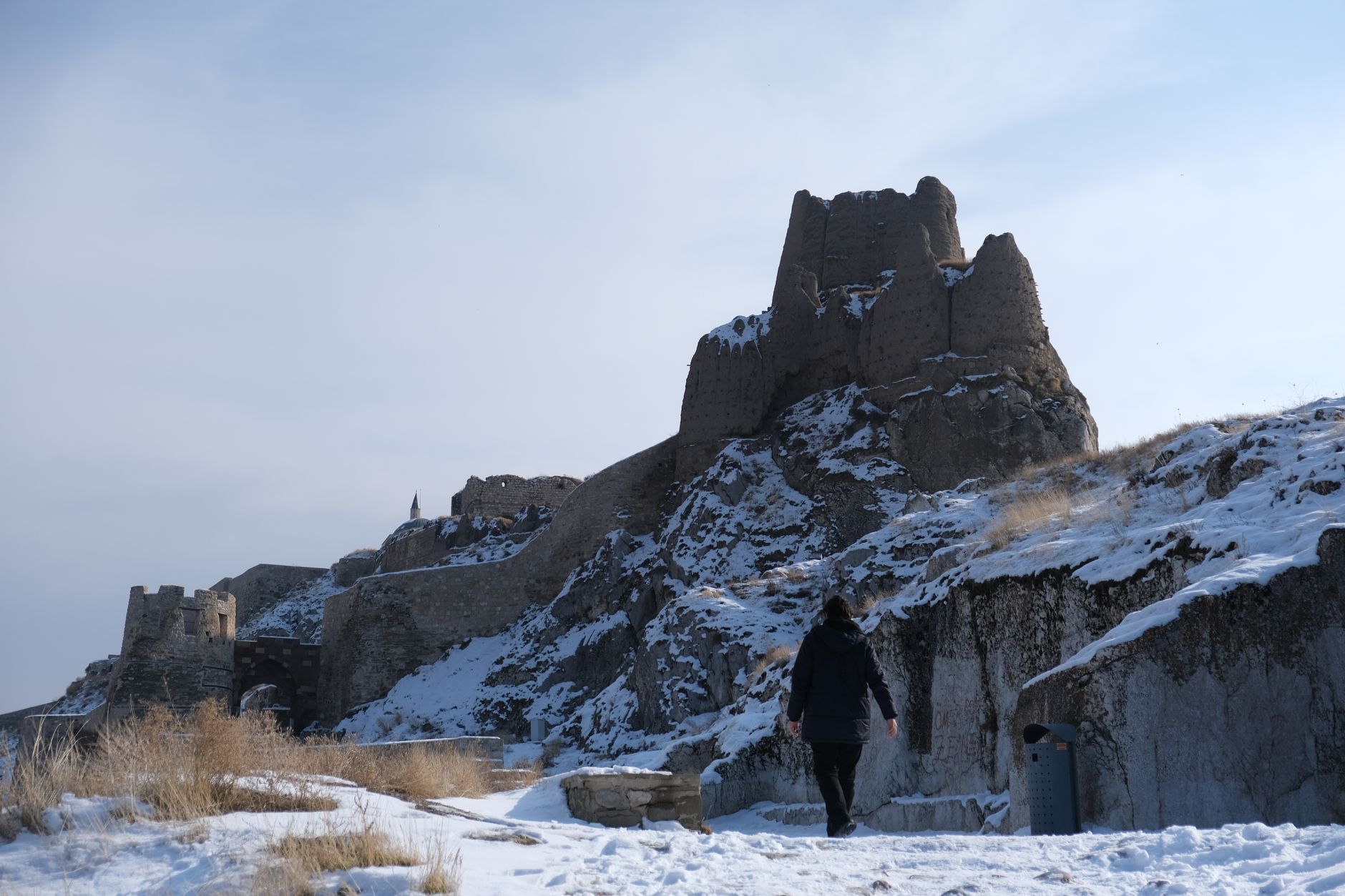
A slow travel approach suits Lake Van perfectly. Give yourself at least three to four days to soak in the atmosphere. Start in Van city: visit the Van Cat House, explore the old city and the Van Castle (Van Kalesi), and enjoy a long breakfast. On day two, take a boat to Akdamar Island and spend the afternoon in Gevaş. On day three, drive to Tatvan and take the ferry across the lake, or continue to Mount Nemrut crater for a hike. On day four, visit the Muradiye waterfalls or the lesser-known Armenian churches scattered around the lake.
The best time to visit is from May to June or September to October. In May, the almond trees bloom on Akdamar, and the weather is pleasant. In September, the summer heat has faded, and the light is golden. Winter is harsh but beautiful, with snow-covered landscapes and a stark, silent beauty—though some roads and ferries may be affected.
Slow travel here means embracing the pace of the lake. Sit in a tea garden for hours. Talk to locals. Watch the fishermen. The lake will reveal its secrets to those who linger. For more itinerary ideas, check our itineraries and destinations pages.
Conclusion: A Place of Welcome and Wonder
Lake Van is not a destination you tick off a list. It's a place you sink into. The turquoise water, the island church, the Van cats, the endless breakfasts—all of it combines to create an experience of profound serenity. The Kurdish and Turkish people here are among the warmest you'll meet, and their hospitality will stay with you long after you leave.
In a world of overtourism, Lake Van remains a hidden gem. It asks for patience, curiosity, and a willingness to slow down. In return, it offers wonder. Come with an open heart, and you'll find that the Armenian Highland shore welcomes you like an old friend.
Thinking about a trip to Turkey?
Share your contact details and a vetted local expert will follow up with a plan built around you — free, no obligation.