

An Invitation to Follow Your Nose Through Ottoman Türkiye
Some travelers chase monuments; others chase flavors. In Türkiye you can do both at once by following a trail of scent — dried sage and linden blossom, powdered amber and mastic, rose water and mountain thyme — through the old apothecaries and herbalist shops that have perfumed Turkish cities since Ottoman times. This is not a story about medicine. It is a story about craft, memory and the sheer pleasure of walking into a shop where the air itself seems to have been curing people for five hundred years.
The Ottoman aktar (herbalist) was a respected figure in the bazaar hierarchy. He weighed resins, roots, dried flowers and exotic imports from Egypt, India and Yemen on delicate brass scales, wrapped them in paper cones, and prescribed them with a scholarly air. Alongside the aktar stood the eczane, the pharmacy, whose origins in the Ottoman world blended Arabic, Greek, Persian and later European traditions. Today the legacy survives in museum pharmacies, restored historic dispensaries and family-run herb shops that still smell exactly as they must have in 1850.
Think of this guide as a charming, sensory cultural stop rather than any kind of health advice. Everything here is about appreciation — the aesthetics of old glass jars, the ritual of weighing, the pleasure of buying a legally exported spice or a beautifully labeled traditional product. Your nostrils will do the real navigation.
What an Aktar Actually Is — and Why It Still Matters
The word aktar comes from the Arabic ʿattār, meaning perfumer or druggist. In Ottoman cities the aktar's shop was a pharmacy, perfumery and spice emporium rolled into one. Customers came for remedies, yes, but also for incense, scented oils, henna, soap, tea blends and aphrodisiacs. The trade was organized into a guild with its own rules, prices and apprenticeships, and its members guarded their knowledge jealously.
Walk into a good aktar today and you will see the same universe: open sacks of cinnamon bark, pyramids of dried hibiscus, lumps of frankincense, strings of dried peppers, jars of honey, blocks of olive-oil soap and tiny bottles of gül suyu (rose water). Ask politely and the owner may let you smell a pinch of damla sakızı (mastic) or crushed ıhlamur (linden flower) before you buy.
These shops occupy a fascinating middle ground between tourism and daily life. Grandmothers still come for herbal teas; younger customers come for natural cosmetics; visitors come for the atmosphere. You are welcome to join any of these groups. Buy a little, smell a lot, and treat the experience as a cultural walk with the bonus of a paper-wrapped souvenir at the end.
Istanbul: The Grand Bazaar, Spice Bazaar and a Museum Dispensary
Begin in Istanbul, where the Ottoman apothecary tradition is thickest. The Mısır Çarşısı (Spice Bazaar, also called the Egyptian Bazaar) in Eminönü has perfumed the city since 1664. Its L-shaped arcade is lined with stalls selling spices, dried fruits, caviar-like pastes, teas and traditional sweets. Yes, it is busy and touristy, but the upper galleries and side streets hide older, quieter aktars where prices are fairer and the conversation slower.
From the Spice Bazaar it is a short walk to the Grand Bazaar, where several historic pharmacies and herbalist corners survive between the jewelry and carpet shops. Look for shops selling aktar goods alongside lokum and kolonya, the lemon-scented cologne that has been a Turkish hospitality ritual for a century. A dab on the wrists is offered freely, especially after a meal or a long conversation.
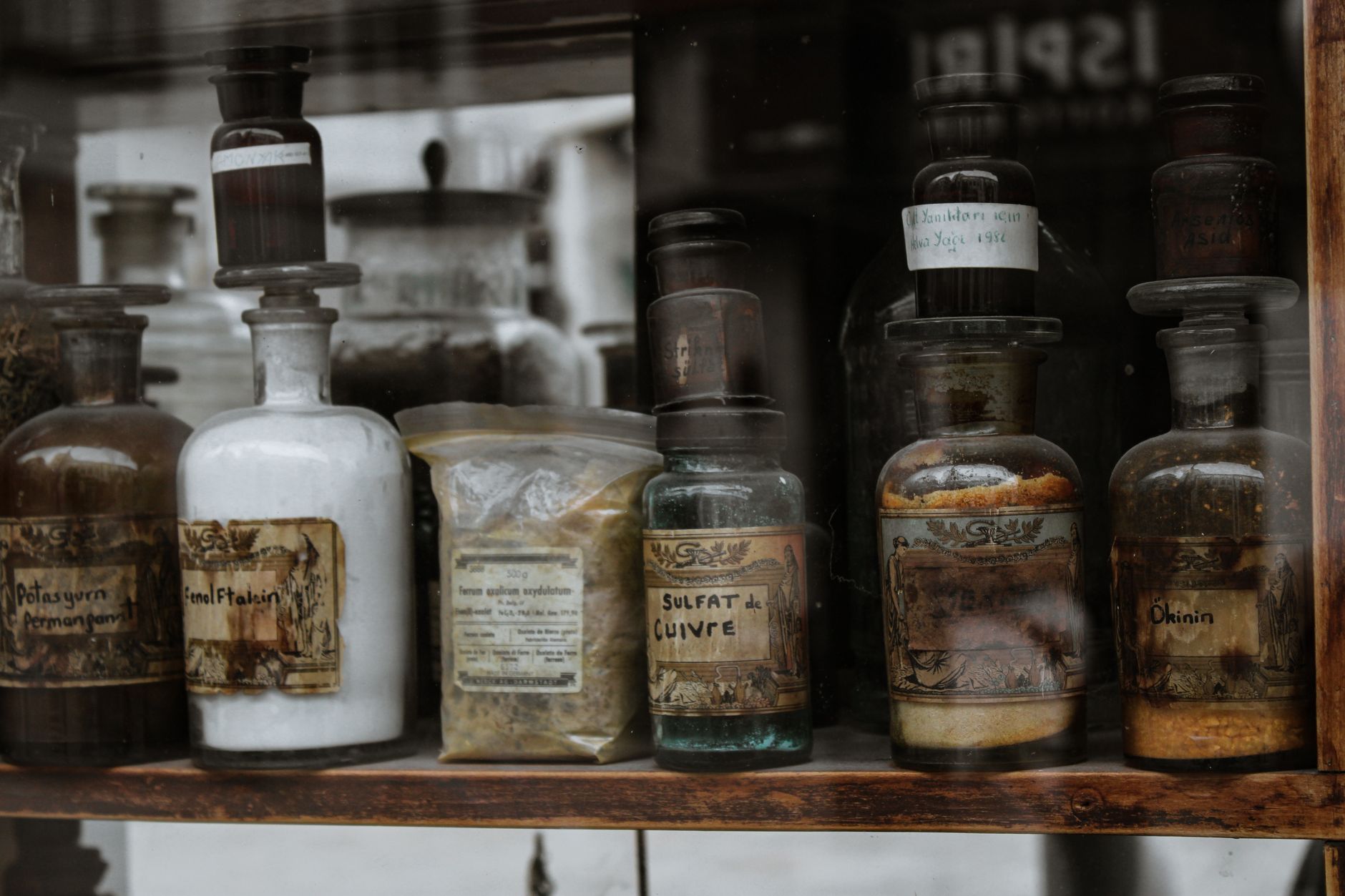
For a more scholarly stop, seek out Istanbul's pharmacy history collections. The Eczacılık Müzesi (Pharmacy Museum) associated with the University of Istanbul, and the small but delightful Museum of the History of Pharmacy in the Beyazıt area, display old mortars and pestles, glass apothecary bottles, brass scales, prescription ledgers and Ottoman-era labels. These museums are usually modest in size — often one or two rooms — but the cabinets of hand-blown bottles, some still faintly stained by the oils they held, are unexpectedly moving.
In Beyoğlu, the 19th-century European-style pharmacy culture survives in elegant shopfronts along İstiklal Caddesi and its side streets. Some still keep their original wooden shelving and tiled panels, and a few sell traditional products like gül lokumu, herbal lozenges and distilled floral waters. The Kadıköy market on the Asian side offers a younger, more foodie version of the aktar experience, with vendors happy to explain blends for tea or baking.
Bursa: Silk, Sherbet, and the Scent of the First Capital
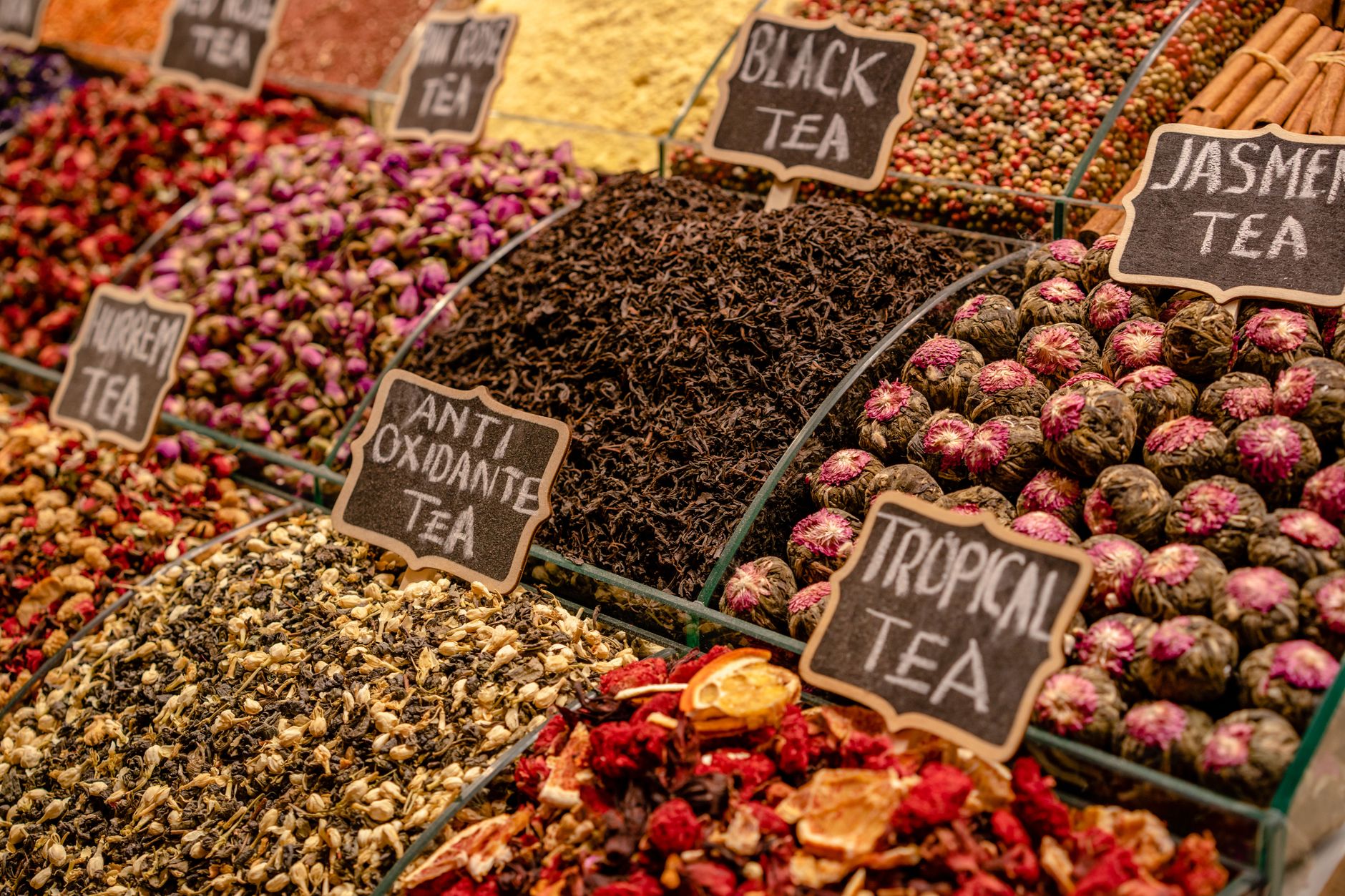
Bursa, the first Ottoman capital, has its own fragrant identity rooted in silk, fruit and mountain herbs. The city's covered bazaar, Koza Han, historically traded silkworm cocoons and remains a lovely courtyard of tea gardens and textile shops. Around it, narrow streets still hold herb sellers and spice merchants serving the surrounding villages.
Bursa is famous for şerbet, a sweet, aromatic drink made from fruit, flowers and spices, historically served at celebrations and offered in Ottoman pharmacies as a pleasant vehicle for flavors. Modern vendors sell concentrated syrups and dried mixes for making şerbet at home — a delightfully legal, easily packable gift. Look also for dried kuşburnu (rosehip), chestnut honey from nearby forests, and ıhlamur from the Uludağ slopes.
The city's Osmanlı Evi museum houses and local history museums often include recreated pharmacy or herbalist interiors, complete with the wooden counter, brass balance and rows of ceramic jars that define the Ottoman aktar aesthetic. These displays help you recognize the real thing when you see it in a working shop: the wall of drawers, the glass jars with hand-written labels, the scales with their little brass weights.
Bursa is also a good place to buy traditional soaps — olive oil, laurel, rose and bıttım (pistachio oil) varieties — and natural sponges. They are light, legal and make your suitcase smell wonderful, if faintly, for weeks.
Izmir: Aegean Herbs, Kemeraltı and Old Levantine Pharmacies
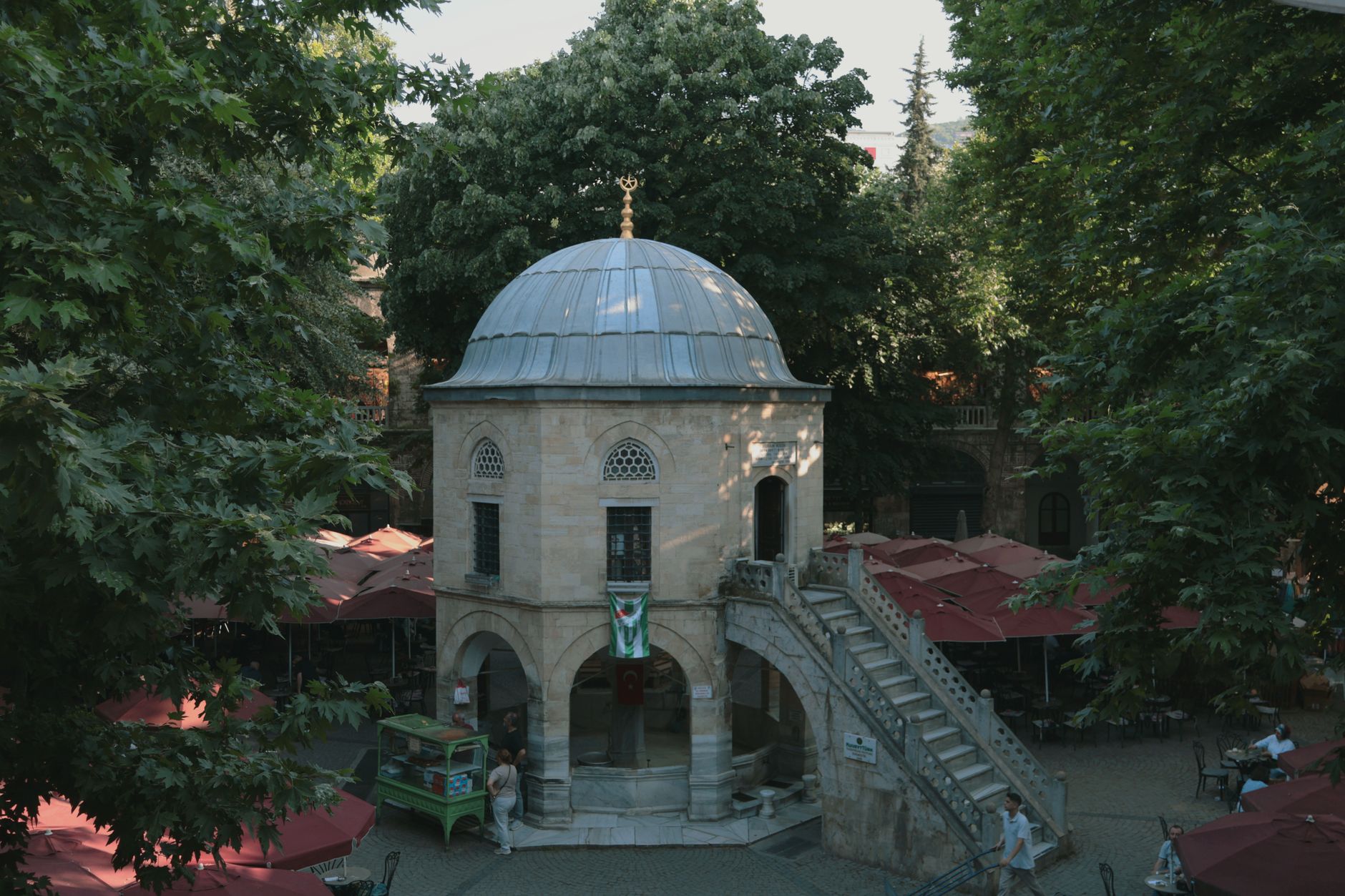
Izmir's Kemeraltı Bazaar is one of the oldest and largest market complexes in the eastern Mediterranean, a labyrinth where you can find everything from coffee to copperware to dried herbs. The Aegean climate gives Izmir's aktars a distinct flavor: oregano, thyme, sage, bay leaf, chamomile and mastic from nearby Çeşme are sold in generous open bins, often harvested by the same families for generations.
The Hisarönü and Havra Sokak area, with its historic mosques, synagogues and churches, reflects Izmir's multicultural past. Levantine and Greek pharmacies once lined these streets, and some old buildings still carry faint painted signs. Local museums and cultural centers occasionally stage exhibitions on pharmacy history, displaying Ottoman Greek and Levantine apothecary equipment.
Izmir is prime territory for olive-oil-based cosmetics, natural soaps, and herbal teas. Vendors in Kemeraltı will happily brew you a small cup of adaçayı (sage tea) while you decide between three grades of oregano. The experience is unhurried and deeply pleasant — one of the best ways to spend a slow morning.
From Izmir you can also reach smaller Aegean towns such as Şirince and Alaçatı, whose markets specialize in fruit wines, herb liqueurs, and handmade soaps. These fit neatly into a scented itinerary that moves from the imperial capital to the Aegean coast.
What to Buy (Legally) and How to Shop Politely
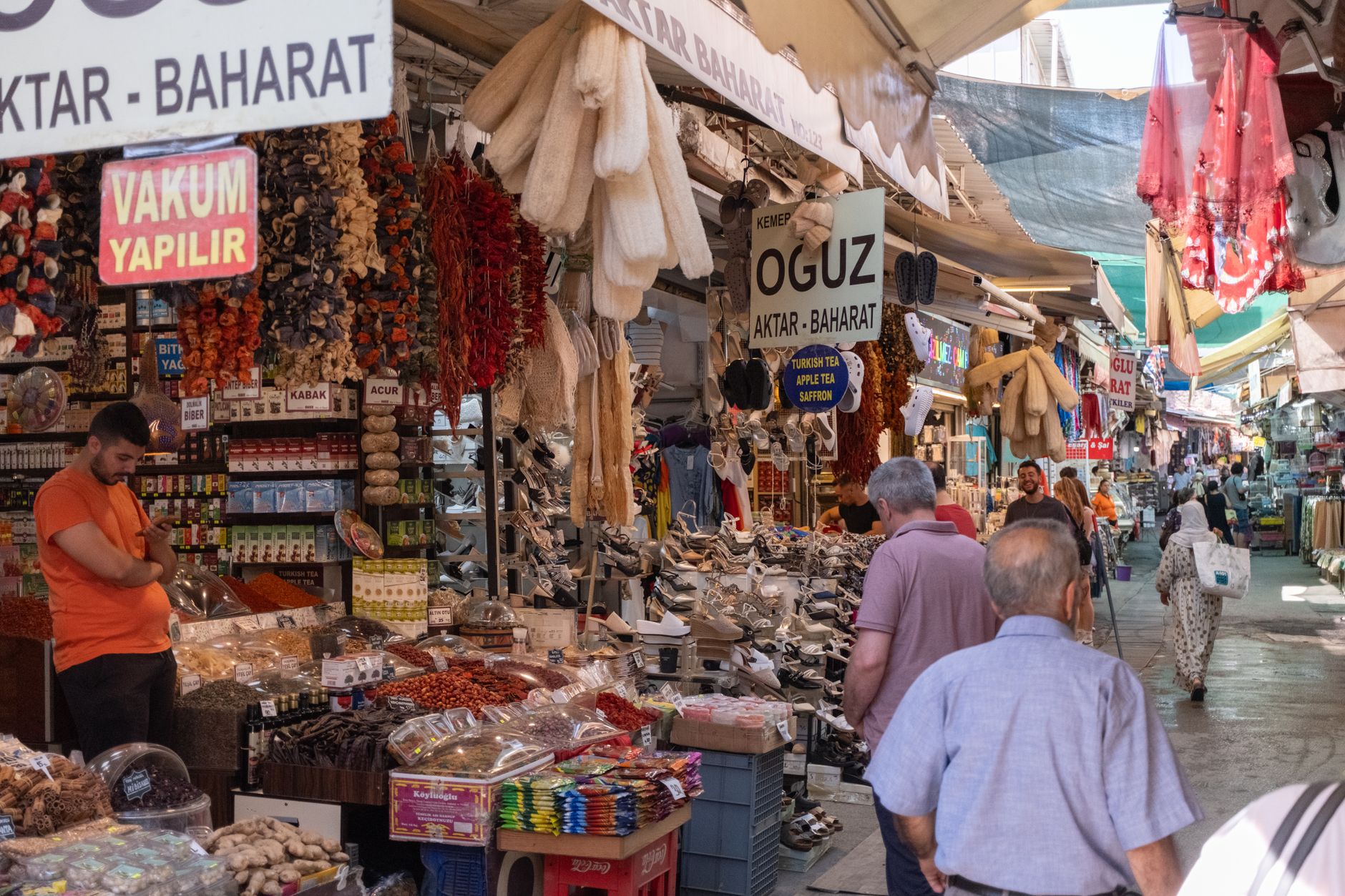
The safest and most enjoyable purchases are dried herbs, spices, teas, soaps, floral waters, incense resins and traditional sweets, all of which are legal to export in reasonable quantities. Avoid anything that looks like a pharmaceutical or controlled substance, and never carry loose powders of unknown identity across borders without a label. When in doubt, ask the vendor for a clearly labeled, sealed product.
Good gifts to consider include: ıhlamur (linden flower tea), adaçayı (sage), kuşburnu (rosehip), nane (mint), tarçın (cinnamon bark), sumak (sumac), pul biber (flaked red pepper), damla sakızı (mastic), gül suyu (rose water), limon kolonyası (lemon cologne), olive-oil and laurel soaps, and small bottles of nar ekşisi (pomegranate molasses). Frankincense and myrrh resins are also sold and are perfectly legal for personal use in small amounts.
Shop etiquette is simple. Greet with a smile and a merhaba or günaydın. Ask before photographing a stall or its owner. Smell what is offered, thank the vendor even if you do not buy, and let them guide you toward what is fresh. Bargaining is acceptable in markets but should be gentle and good-humored; in small family shops, prices are often fixed and fair.
Carry cash in small notes, as many small aktars prefer it, and bring a reusable bag or ask for paper wrapping. If you buy liquids, double-bag them for your luggage. If you buy honey or molasses, check airline rules about liquids in carry-on.
A Sample Scented Walk: Three Cities, One Fragrant Thread
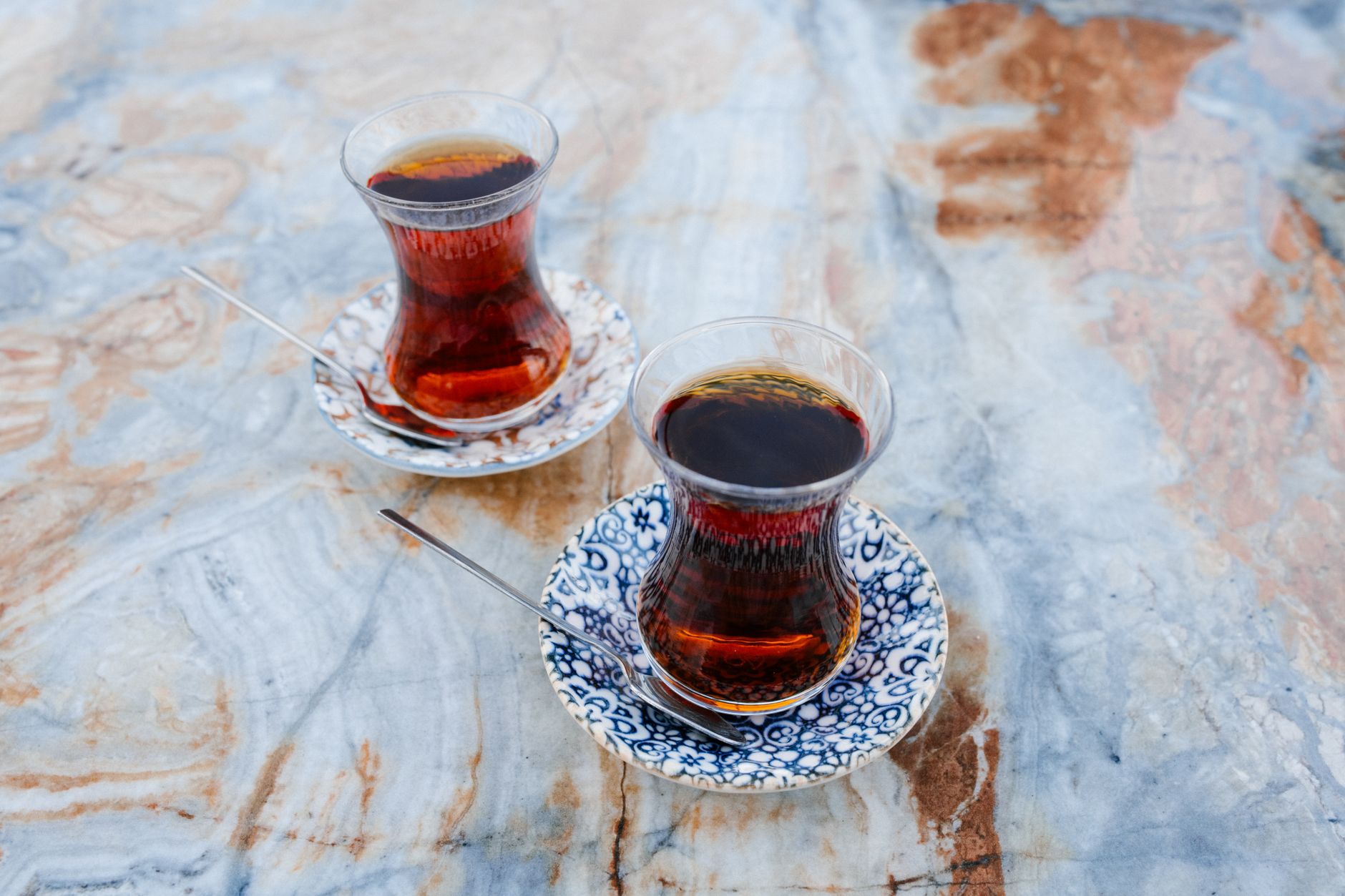
In Istanbul, give yourself a morning. Start at the Spice Bazaar when it opens, when the air is cool and the vendors are arranging pyramids of color. Wander the side streets of Eminönü, then walk uphill to the Grand Bazaar for a second, older layer of smells — leather, incense, coffee, rose. In the afternoon, visit a pharmacy history museum, then end in Beyoğlu or Kadıköy with a cup of sage tea and a small bottle of lemon cologne.
In Bursa, spend a half-day in and around Koza Han. Drink tea in the courtyard, buy chestnut honey and şerbet syrup, and visit a historic house or local museum with an apothecary display. Finish with a walk through the old bazaar streets, breathing in the scent of roasting chestnuts and sweet sherbet.
In Izmir, dedicate a leisurely morning to Kemeraltı. Follow your nose past coffee roasters and spice bins, stop for sage tea, and buy oregano, thyme, mastic and olive-oil soap. If time allows, take a day trip to Şirince or Alaçatı for fruit wines and herb liqueurs. The Aegean light makes everything smell brighter, and you will leave with a suitcase that perfumes the whole airport carousel.
This is the quiet magic of Türkiye's aktares and old pharmacies: they turn a simple walk into a sensory archive of the Ottoman world. You are not shopping for cures. You are collecting fragrance, memory and a little paper cone of something ancient and beautifully wrapped.
Thinking about a trip to Turkey?
Share your contact details and a vetted local expert will follow up with a plan built around you — free, no obligation.