
Why the Southeast's Market Mornings Are Worth Waking For
In Türkiye's southeast, the day begins not with an alarm but with a sound: the metallic scrape of shutters lifting, the slap of flatbread being pressed, the hiss of a çay urn coming to the boil. By seven in the morning, the market streets of Mardin, Urfa (Şanlıurfa) and Gaziantep (Antep) are already wide awake, and so is the food culture that has fed this corner of Anatolia for millennia.
These are wet markets in the truest sense. Produce glistens with the night's dew and the vendor's water bottle. Bundles of herbs hang like green curtains. Sacks of dried peppers, bulgur and lentils are opened to the air so you can smell exactly what you are buying. Around them swirl the smells of cumin, sumac, isot and fresh yayık butter, layered over the sweetness of figs and the sharp tang of sheep's-milk cheese.
What makes a southeastern market morning special is that it is not a performance for tourists. It is the real rhythm of the neighborhood: grandmothers buying okra by the handful, young cooks comparing eggplants, farmers who drove in before dawn stacking tomatoes in perfect pyramids. You are welcome to step into that rhythm, and this guide will help you do it gracefully.
Mardin: Stone Alleys, Herbalists and Syriac Sweetness
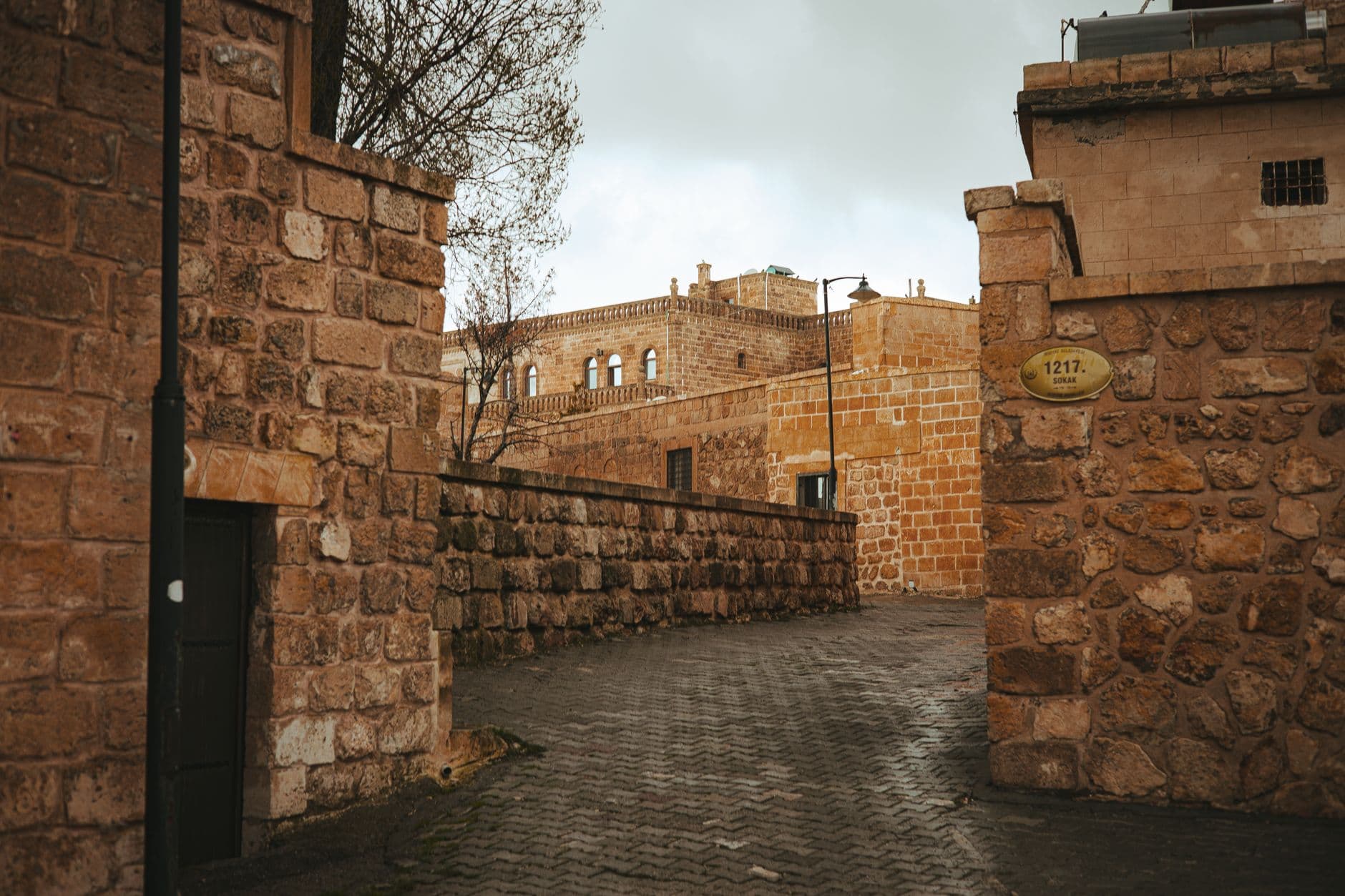
Mardin's market life spills down the terraced slopes of its old town, where honey-colored stone buildings frame a labyrinth of passages. The main produce and spice streets sit just below Ulu Cami and around the Revaklı Çarşı area, while the famous Bakırcılar Çarşısı (coppersmiths' bazaar) hums nearby with the tap-tap of hammers. Arrive between 7 and 9am and you will see the market at its most alive, before the midday heat pushes everything into the shade.
Mardin's stalls lean heavily into herbs and aromatics. Look for locally gathered wild thyme, dried mint, sumac, and the fragrant kakule (cardamom) that appears in the region's coffee. Herbalists sell teas and remedies by the scoop, often from open burlap sacks, and many vendors are happy to explain what a particular herb is used for if you show genuine curiosity.
Sweetness is Mardin's other signature. Bakers and sweet-shops around the old town turn out badem şekeri (sugared almonds), cevizli sucuk (walnut-stuffed grape-must sausage) and trays of pistachio-studded baklava. Because Mardin has long been home to a Syriac Christian community alongside its Arab, Kurdish and Turkish neighbors, the market's flavors carry a layered history you can literally taste.
Practical note: Mardin's streets are steep and cobbled. Wear shoes with grippy soles, carry a small bottle of water, and be prepared to step aside for handcarts and delivery scooters. It is all part of the choreography.
Urfa: Peppers, Pistachios and Prophets' City Provisions
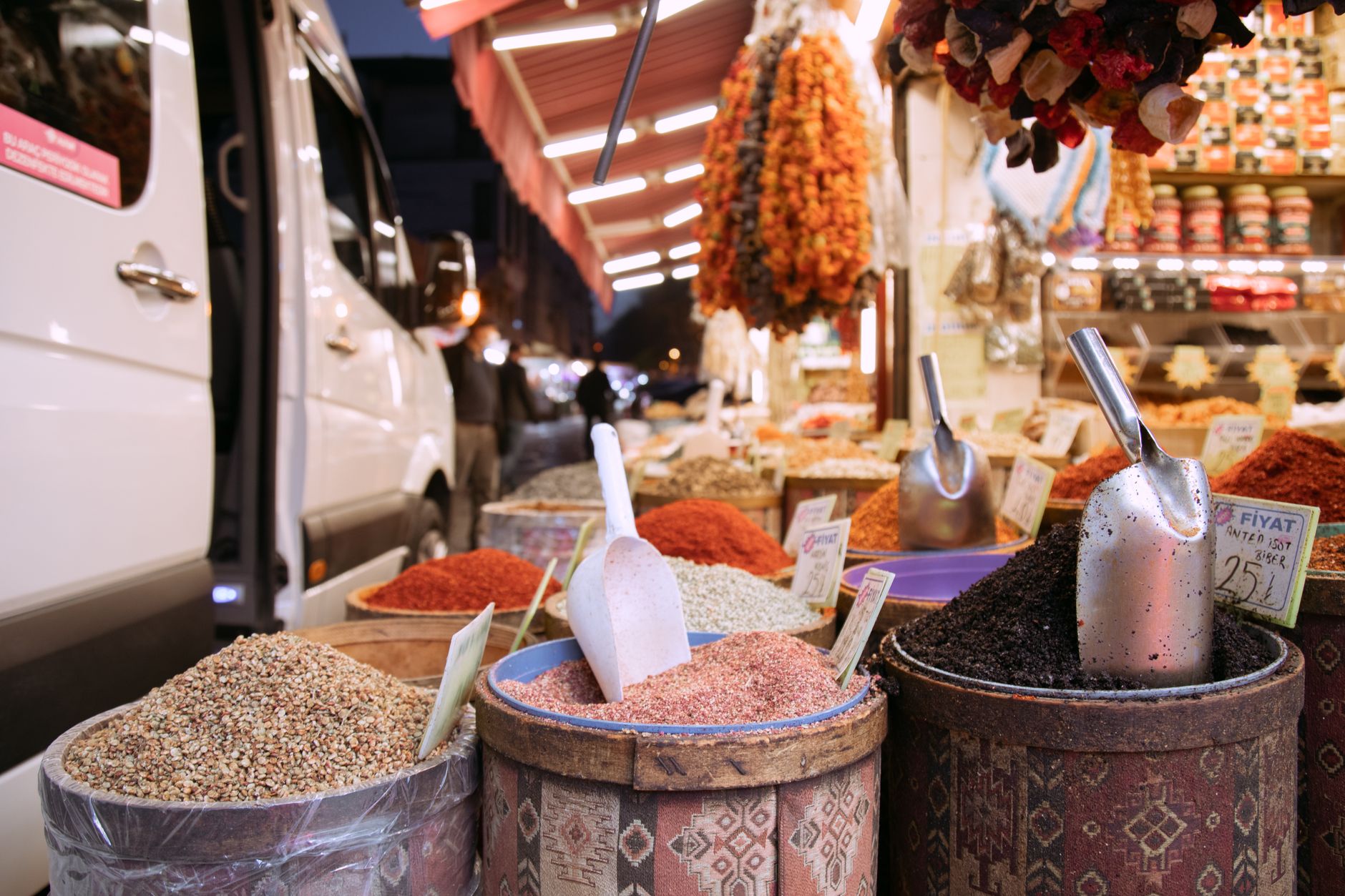
Urfa's bazaars are among the most atmospheric in Türkiye, and the food shopping centers on the covered lanes near Balıklıgöl and the Sipahi Çarşısı area. The undisputed star is isot, Urfa's dark, smoky, sun-dried pepper flakes. You will see it in mountainous cones, in open sacks, and rubbed between a vendor's palms so you can smell the slow-roasted depth. Isot is not merely hot; it is fruity, earthy and faintly raisined, and it is the backbone of countless southeastern dishes.
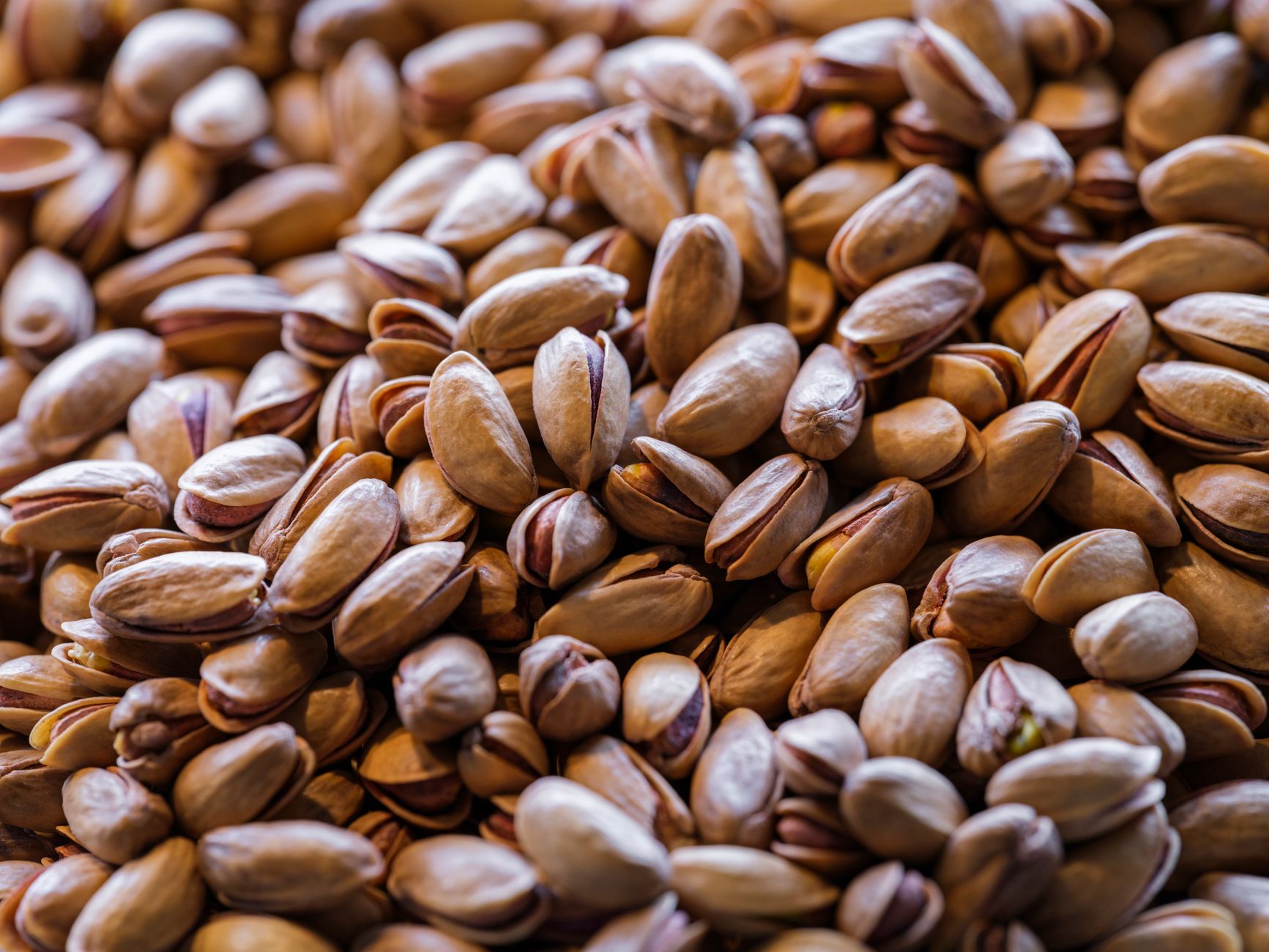
Urfa is also pistachio country. The slender, intensely green Antep fıstığı (though grown widely around Urfa too) appears fresh in season, salted and roasted year-round, and folded into sweets. In late summer and early autumn, watch for fresh pistachios in their rosy husks, sold by the handful from carts and eaten on the spot. They are a revelation: milky, sweet and nothing like the dried version.
Beyond the famous specialties, Urfa's markets offer superb produce: tiny eggplants destined for stuffing, bunches of parsley and mint sold like bouquets, green almonds in spring, and pomegranates in autumn. Cheeses, including salty beyaz peynir and tangy fresh çökelek, are sold from coolers or wrapped in cloth. Bread comes from neighborhood tandır ovens, and a still-warm flatbread is one of the simplest pleasures of a southeastern morning.
Gaziantep: The Capital of Flavor and Its Morning Bazaar
Gaziantep takes its food seriously enough that the city's culinary traditions are recognized by UNESCO. Its market mornings reflect that pride. The Bakırcılar Çarşısı (coppersmiths' bazaar) and the surrounding lanes of the old bazaar quarter are where spice, dried fruit, cheese and sweets stalls cluster, and the air is thick with the scent of pepper and coffee. If you have an interest in the region's food heritage, our destination guides pair nicely with a slow morning here.
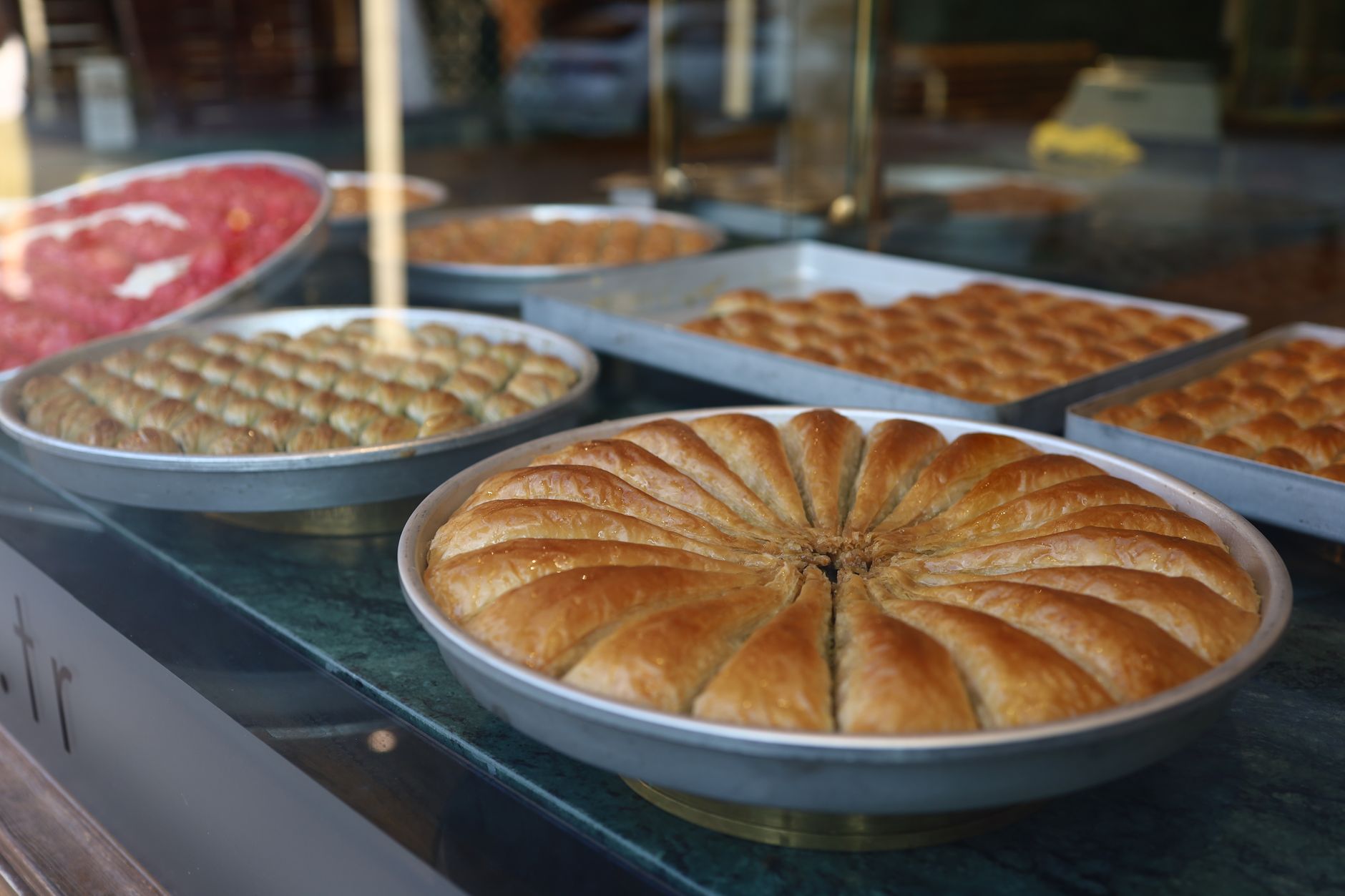
Antep's spice stalls are a masterclass in color and layered aroma. Alongside isot, you will find sweet red pepper (pul biber), black pepper, cinnamon, dried mint, mahlep and sumak ekşisi, a thick, tart sumac concentrate sold in jars. Pistachios dominate the sweets trade, and the baklava shops near the bazaar are often at their best early, when trays come out of the oven still glistening with syrup.
Gaziantep is also a cheese city. Look for fresh, unsalted Antep peyniri and the stretchy dil peyniri, often eaten with bread and fruit at breakfast. Local breakfast culture is famous, and a market morning can segue seamlessly into a long kahvaltı of cheeses, olives, tomatoes, peppers, eggs and endless tea. If you plan your day around food, our itineraries can help you build a route that connects these market streets.
How to Shop with Grace: Market Etiquette for Visitors
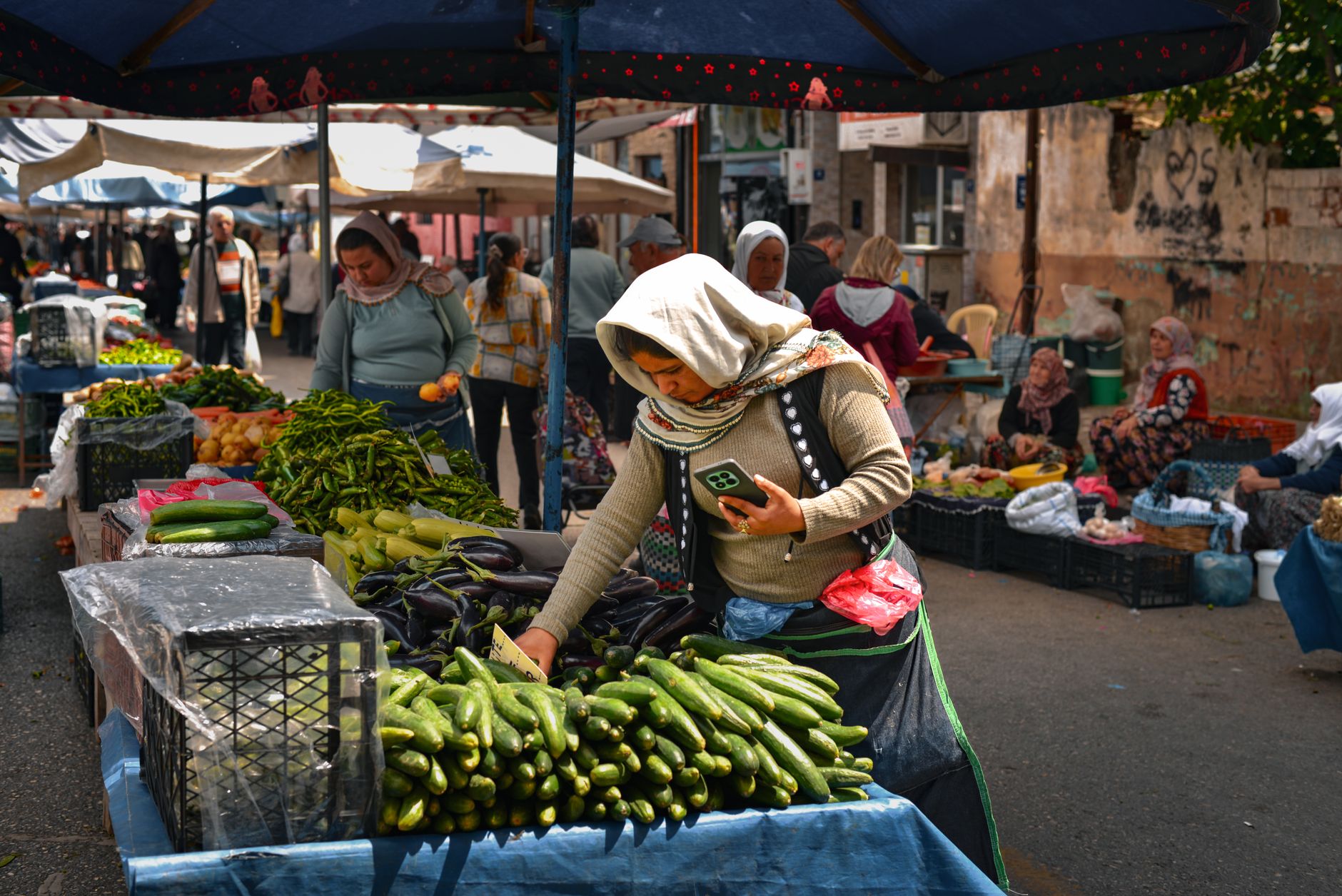
The first rule of a southeastern market is simple: ask before you touch. Pointing at a sack of spices and raising your eyebrows is usually enough. Vendors will scoop, offer a smell or a taste, and tell you the price. When you accept a taste, you are under no obligation to buy, but polite interest is always welcome. A smile and a clear teşekkürler (thank you) go a long way.
Learn a handful of phrases before you go. Merhaba (hello), kaç para? (how much?), yarım kilo (half a kilo), çok güzel (very nice) and hesap (the bill) will carry you through most exchanges. Turks are generally delighted when visitors try, and a small notebook to write numbers can bridge any gap.
- Go early. The best produce and the calmest atmosphere are between 7 and 9:30am.
- Bring cash. Small notes and coins make transactions faster; cards are increasingly accepted but not universal.
- Dress modestly and comfortably. These are working neighborhoods; you will feel more welcome if you dress with respect for local norms.
- Be patient. A transaction may involve tea, questions about where you are from, and a short conversation. That is not a delay; it is the point.
- Weigh and confirm. Watch the scale and confirm the total before you pay.
It is also worth remembering that market vendors are professionals. Ask their advice on what is best that day, how to cook a particular vegetable, or which spice goes into which dish. Their recommendations are usually spot on, and following them is one of the best ways to eat like a local. For more practical grounding, see our FAQ.
Bargaining: When to Haggle and When to Pay
Bargaining in southeastern markets is a friendly, often theatrical custom, but it is not universal. For everyday food items sold by weight, especially from farmers and small producers, prices are usually fixed and fair. Haggling over a kilo of tomatoes or a bunch of parsley can feel inappropriate and may cause mild offense. Pay what you are asked, and everyone leaves happy.
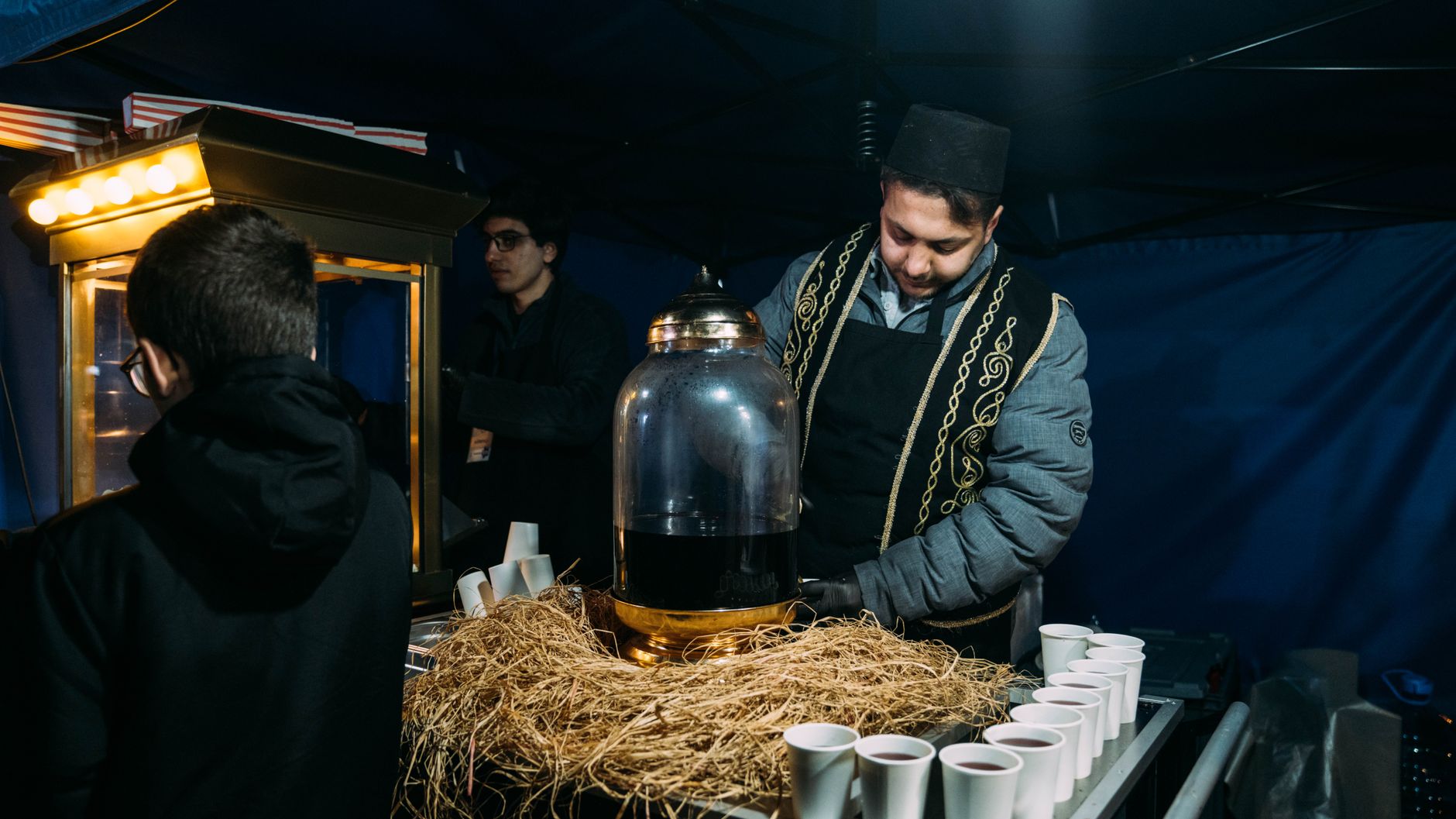
Where negotiation is more common: spices in bulk, dried fruit, nuts, tea, copperware and textiles. Even there, the tone matters more than the technique. Start with a genuine question rather than an aggressive counteroffer. Ask indirim var mı? (is there a discount?) with a smile. If the vendor says no, accept it. Buying more than one item often earns a small concession naturally.
A few practical points will keep the interaction joyful. Avoid walking away dramatically as a tactic unless you are genuinely happy to leave. Do not bargain hard over small amounts; the difference may mean little to you and a lot to the seller. And if a vendor offers you tea mid-negotiation, accept it. It signals goodwill on both sides and slows the moment down in the best possible way.
Above all, remember that hospitality is central. Many vendors will refuse to let you leave without a taste of something, a cup of tea, or a story about the village where their product was grown. These moments are as much a part of the market as the food itself.
Tasting Tips: How to Sample the Southeast Without Missing a Thing
Tasting is expected, but do it thoughtfully. When a vendor offers a sample, take a small piece, taste it, and offer a genuine reaction. Saying a few words about the flavor is more meaningful than a vague nod. If you are unsure what something is, ask. Southeastern vendors are usually excellent teachers.
Try to taste across categories rather than clustering around one stall. A perfect market morning might include: a sliver of smoky isot rubbed on fresh bread; a handful of fresh pistachios in autumn; a cube of salty white cheese with a bite of warm flatbread; a sip of strong cardamom-tinged coffee in Mardin; and a spoonful of sumak ekşisi to understand how sourness can deepen a stew. If you are interested in food history and culture, browse our destinations pages for more regional context.
- Isot: ask to smell it before buying; good isot is smoky and fruity, not just hot.
- Pistachios: fresh ones in season are sweet and milky; dried ones should be intensely green and crisp.
- Cheese: taste before you buy; ask for a small piece and compare two or three.
- Bread: buy flatbread while it is still warm, and plan to eat it soon.
- Sweets: try a single piece rather than a box; quality varies and freshness matters.
If you are sensitive to spice, sample cautiously, and keep water or bread at hand. If you have food allergies or dietary restrictions, communicate clearly and politely; vendors want you to enjoy what you are eating. A small notebook or translation app can help describe an allergy accurately.
Practical Morning Logistics
The classic market morning starts early. Aim to arrive by 7:30am for the best light, the freshest produce and the most relaxed vendors. Coordinate with your accommodation: in Mardin's old town, your hotel may be a short walk from the market streets, while in Urfa and Gaziantep, taxis or a brief walk from the city center will get you there quickly. Seasonal timing matters too; our best-time guide explains which months bring which fruits, from green almonds in spring to pomegranates in autumn.
Carry cash in small denominations, a foldable tote, and a scarf or light layer for sun. Comfortable shoes are essential, especially in Mardin's hilly old town. Most markets are outdoors or in covered lanes, so plan for heat in summer and bring water. In winter, mornings can be cold and damp; warm layers and a willingness to step into a tea house are both wise investments.
Finally, leave room in your schedule. A market morning rarely runs to plan, and that is exactly the point. You may find yourself chatting with a spice seller for twenty minutes, tasting three kinds of cheese, and accepting a second cup of tea. These are not detours from the experience; they are the experience. If you want help building a food-focused route through the southeast, our trip planner is a good place to start.
Thinking about a trip to Turkey?
Share your contact details and a vetted local expert will follow up with a plan built around you — free, no obligation.