

The Hidden City Beneath Türkiye
Most travelers come to Türkiye for the light: the blazing white travertines of Pamukkale, the honey-colored stones of Ephesus, the sunset glow on the Bosphorus. Yet some of the country's most astonishing architecture lies in absolute darkness, a few meters below the street. Türkiye sits on a landscape riddled with cisterns, crypts, cave cities and underground chambers carved by Romans, Byzantines and earlier Anatolian civilizations — and many of them are open, atmospheric and gloriously uncrowded.
What makes these spaces so thrilling is the engineering. Long before modern plumbing, Anatolian cities solved the problem of drought, siege and uneven rainfall with vast reservoirs, gravity-fed aqueducts and filtration systems of startling sophistication. Standing inside a vaulted cistern, listening to water drip into a pool that has been collecting it since Late Antiquity, is one of the great travel experiences in the Mediterranean — and mercifully cool on a 38°C August afternoon.
This guide covers the underground chambers worth planning a trip around, from Istanbul's famous Basilica Cistern to Cappadocia's cave cities and the southeastern caverns where legends of prophets still echo. Bring a jacket, charge your camera, and prepare to be amazed by what Türkiye's builders achieved in the dark.
Istanbul: The Basilica Cistern and Its Rivals
The undisputed star is the Basilica Cistern (Yerebatan Sarnıcı) in Sultanahmet, a vast underground hall built in the 6th century under Emperor Justinian. Around 336 columns — many recycled from older Roman temples — rise from a shallow pool to support a brick vault, and the resulting space feels like a drowned forest. The two famous Medusa heads at the far end, one sideways and one upside down, remain one of the most photographed mysteries in the city.
The Basilica Cistern is open daily, generally from around 9:00 in the morning, with longer summer hours and occasional evening sessions; check current times and ticketing options before you go, since timed entry has made the experience far more pleasant than it once was. It is a five-minute walk from Hagia Sophia and the Blue Mosque, so it slots perfectly into a classic old-city day.
The Basilica Cistern has quieter siblings. The Cistern of Philoxenos (Binbirdirek Sarnıcı), dating to the 4th–5th century, is likewise column-filled and far less busy. The Cistern of Theodosius, a colonnaded reservoir beneath the old city near the Grand Bazaar, opens for visitors on a more limited schedule. And on the historic peninsula you can still see the monumental open-air Basilica Cistern of Aspar, now a dramatic sunken park where locals sip tea beside ancient brickwork.
Don't overlook the Aqueduct of Valens, the soaring 4th-century artery that carried water into the city and remains a landmark of modern Istanbul's traffic-choked boulevards. Together, cisterns and aqueduct tell the story of the city's water supply as one continuous engineering epic stretching across fifteen centuries.
Anatolia's Underground Cities: Engineering Under Siege
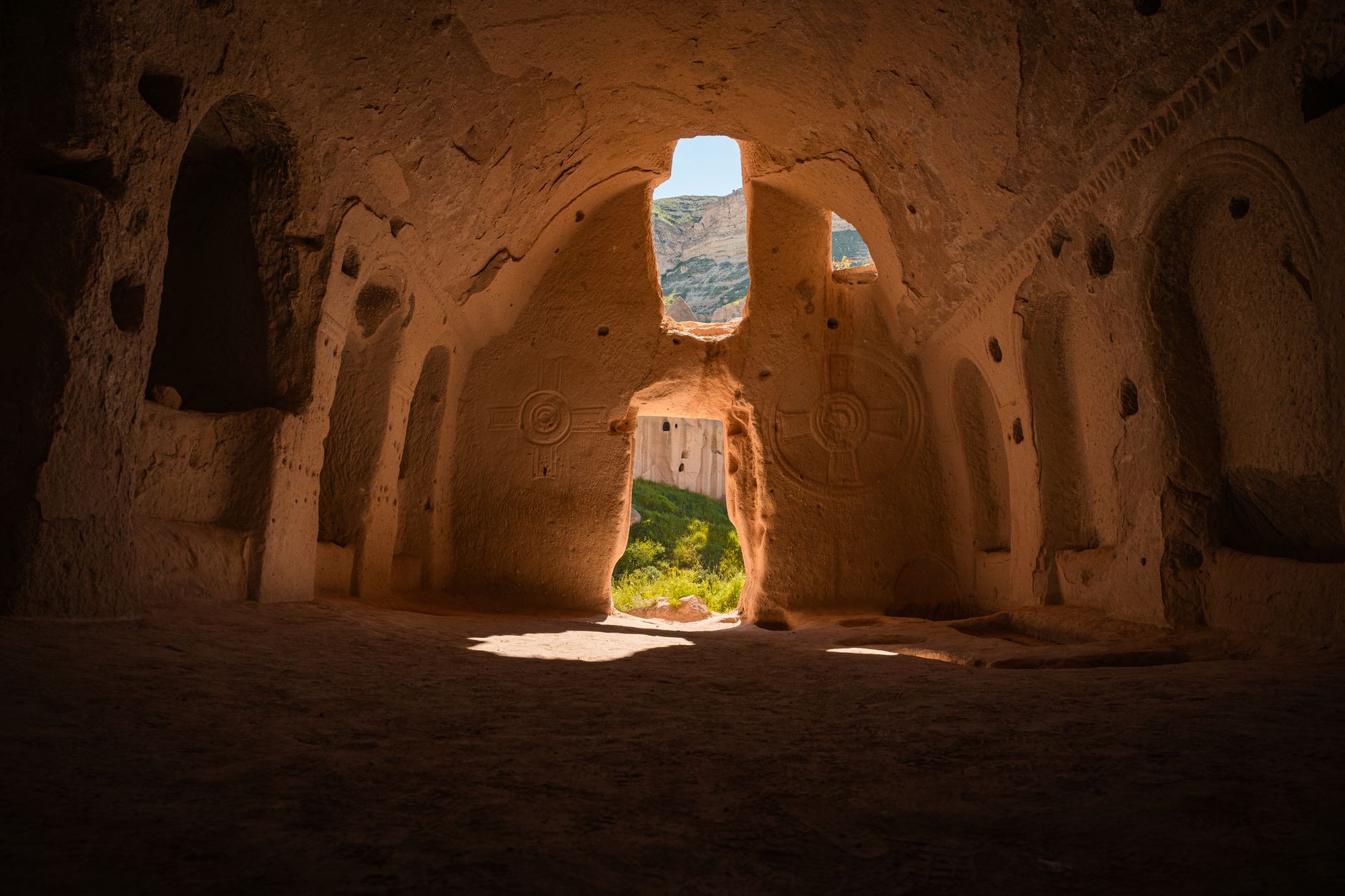
In Cappadocia, water was only part of the story — the bigger driver was survival. Around Kaymaklı and Derinkuyu, communities cut entire multi-level cities into the soft tuff, some descending eight or more storeys. Ventilation shafts, rolling stone doors, stables, wine presses, chapels and enormous storage halls — including water and grain reserves — show a society designed to hold out for months underground.
Derinkuyu is the deepest of the open sites, with a remarkably well-signposted route through its levels. Kaymaklı has wider, more roomy galleries and fewer bottlenecks, which makes it a good choice on busy days. Both are open daily with modest entrance fees; go early in the morning to walk the tunnels in near-silence, and consider a small private tour if you want the context explained.
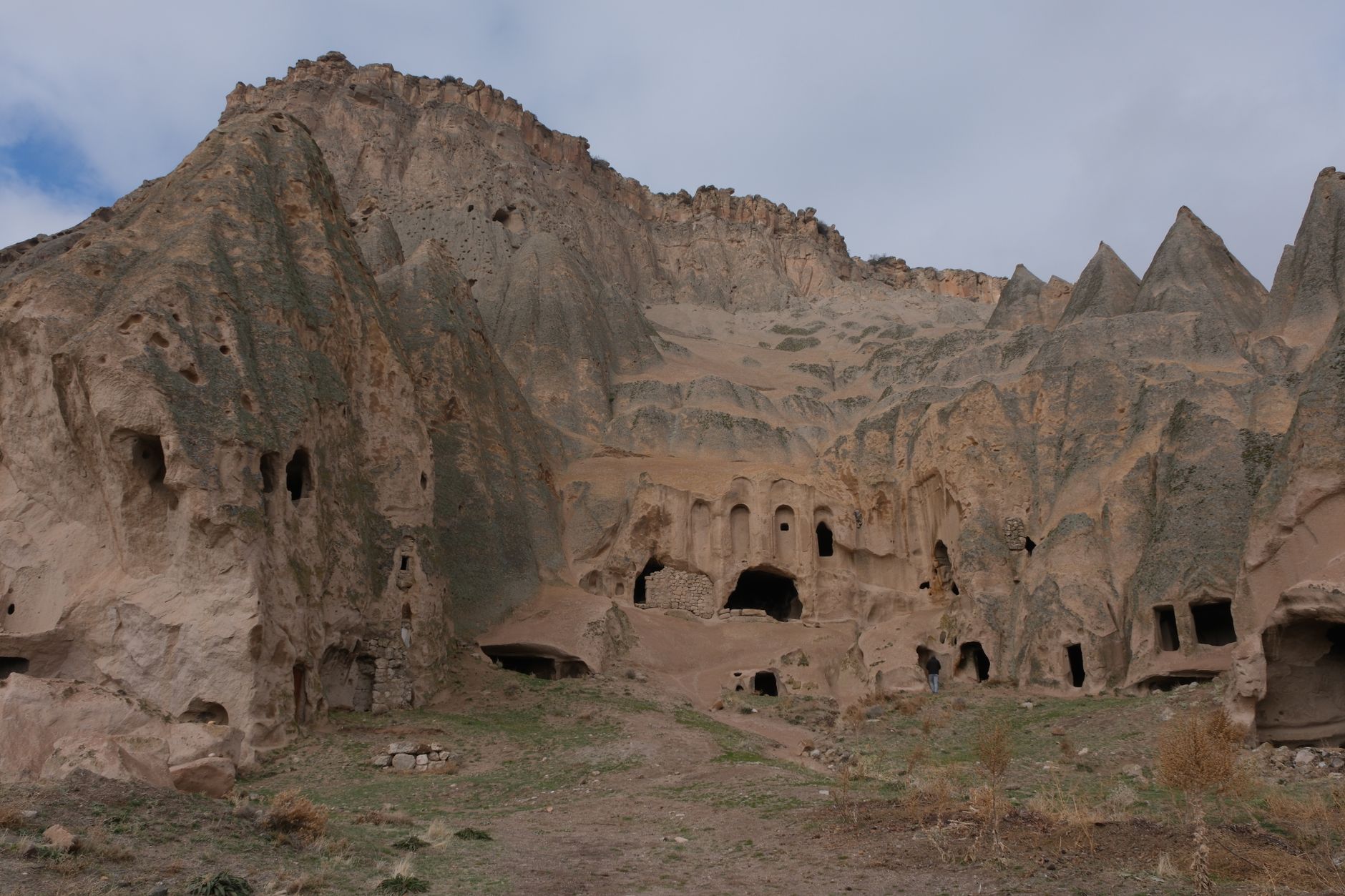
The broader Göreme Open Air Museum area is a testament to how thoroughly life was woven into the rock: carved monasteries, refectories and churches with frescoes that seem brighter for having spent centuries in the dark. Factor in the Ihlara Valley and Selime Monastery, where rock-cut rooms tumble down a canyon wall above a river.
If you want to understand how this fits into a larger Anatolian trip, our itineraries include a Cappadocia route that pairs underground exploration with balloon flights and valley hikes.
Nemrut Dağı and the Southeast's Hidden Halls
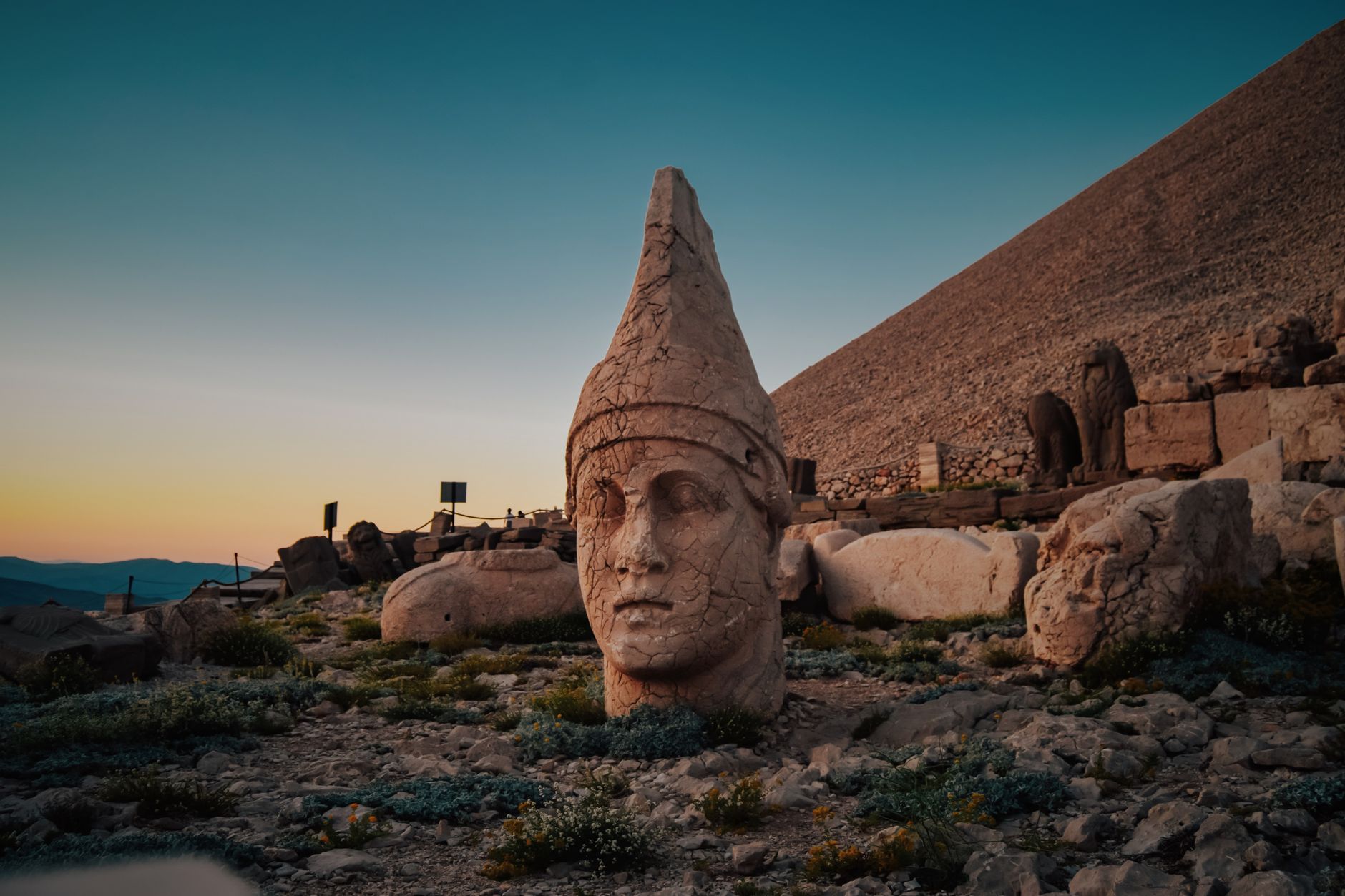
Türkiye's southeastern regions are rich in sunken chambers and rock-cut sanctuaries. On Mount Nemrut, the colossal stone heads of Antiochus I watch over a man-made tumulus that conceals an as-yet-unexcavated tomb chamber — one of the great archaeological enigmas of the ancient world. Sunrise visits here are a rite of passage, and the sense of something buried beneath your feet is palpable.
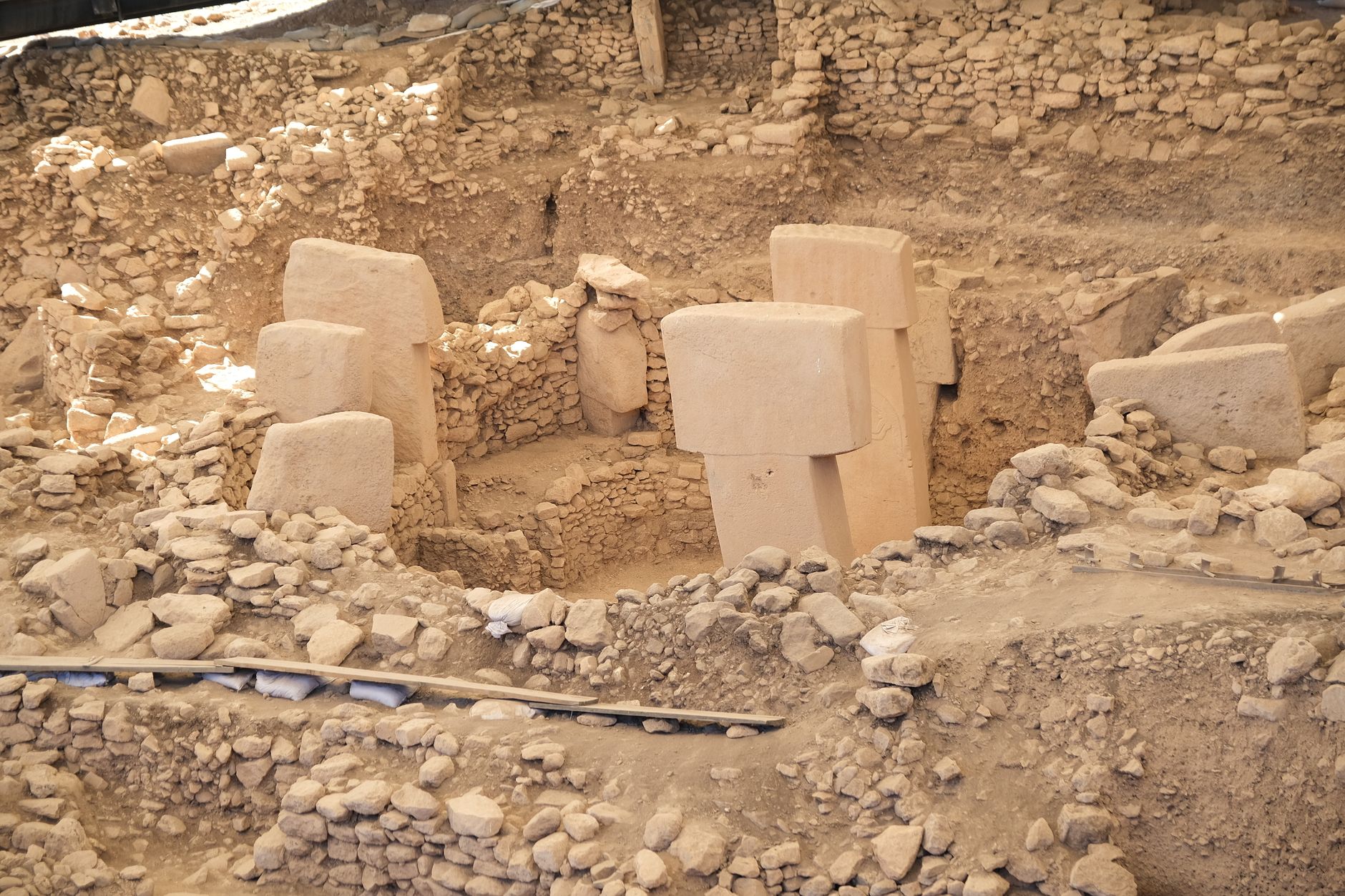
In Şanlıurfa, the Balıklıgöl basin and the cave where Abraham is said to have been born offer a different kind of underground encounter: legend wrapped around a sacred pool. Nearby, the astonishing neolithic site of Göbekli Tepe redefines how we think about monumental construction in the deep past, with circular enclosures and carved pillars still half-buried in the hillside.
Head toward Midyat and the Tur Abdin plateau to wander rock-cut monasteries and underground chapels used by Syriac Christian communities for centuries. Further east, Mardin's honey-stone lanes conceal vaulted cellars and courtyards where merchants stored oil, grain and water.
These regions reward slow travel; if you are planning a longer route, browse our route ideas for inspiration.
Canakkale and the Aegean: Cisterns with a View
The western coast holds treasures of its own. The cisterns and reservoirs of ancient Troy, some cut into bedrock and still traceable, hint at how a city that controlled a strategic strait supplied itself. At Assos (Behramkale), the acropolis above the Aegean includes a rock-cut cistern and the dramatic ruin of the Temple of Athena.
In Ephesus, the Basilica of St. John area and the surrounding hills conceal cisterns and water systems linked to the city's sacred springs; the House of the Virgin Mary nearby is a place where water and devotion have always intertwined. And around Bergama (Pergamon), the acropolis' steep terraces include reservoirs and underground channels that fed fountains and baths high above the plain.
The Aegean also has evocative cave spaces: the Ayvalık and Assos coastlines are dotted with sea caves, while the Karain Cave near Antalya and the Damlataş Cave near Alanya reveal how early humans and dramatic geology made the deep world part of life on the surface.
Photography in the Dark: Tips That Actually Work
Underground photography is a game of patience. Bring a fast prime lens (f/1.8 or f/2.8) and a small tripod or clamp if the site permits; many cisterns are lit by dim, warm spotlights that make hand-held shooting tricky. Push your ISO to 1600–3200 if needed, and shoot in RAW so you can recover the shadows later.
Use the water. Reflections double the impact of columns and vaulted ceilings, so get low and close to the pool surface. The Basilica Cistern's Medusa heads are best photographed from a kneeling position with a wide lens to include the surrounding columns. Look for light shafts and silhouetted figures to give scale — a person standing beside a nine-meter column tells the story instantly.
Respect the rules. Tripods and flash are often restricted; check signage, follow staff instructions, and avoid obstructing other visitors. Never touch the ancient masonry: oils from your skin and the flash of a thousand phones do real damage.
Remember the big picture — literally. A vertical panorama of a vaulted ceiling, or a wide frame that captures the whole sunken hall, conveys what a close-up cannot. For more ideas and inspiration, see our gallery.
Practical Planning for Underground Türkiye
Opening hours: Most Turkish archaeological sites open around 8:30–9:00 and close between 17:00 and 19:00 depending on season; summer hours are longer. Museum-pass schemes can save money if you plan to visit several sites. Always check official sources the week before you travel, since restoration closures happen.
Step count and comfort: Underground sites involve stairs, uneven floors, low passages and humidity. Wear sturdy shoes, carry a light layer, and avoid bulky bags. Many cave cities are unsuitable for visitors with mobility limitations; the Basilica Cistern has improved accessibility but still includes stairs.
Best seasons: Underground chambers are naturally cool, which makes them ideal for July and August when the surface reaches punishing temperatures. Spring and autumn are best for combining them with walking routes; our best-time guide lays out the calendar month by month.
Responsible visiting: Buy tickets through official channels, hire licensed guides, and leave nothing behind. These places are fragile, and the best way to celebrate them is to help keep them intact for the next thousand years. For more context on heritage and how to travel thoughtfully, visit our trust page, and if you want to plan a route with an expert, the experts directory is a good starting point.
Thinking about a trip to Turkey?
Share your contact details and a vetted local expert will follow up with a plan built around you — free, no obligation.