

Why Tea Houses Are the Heart of Turkish Social Life
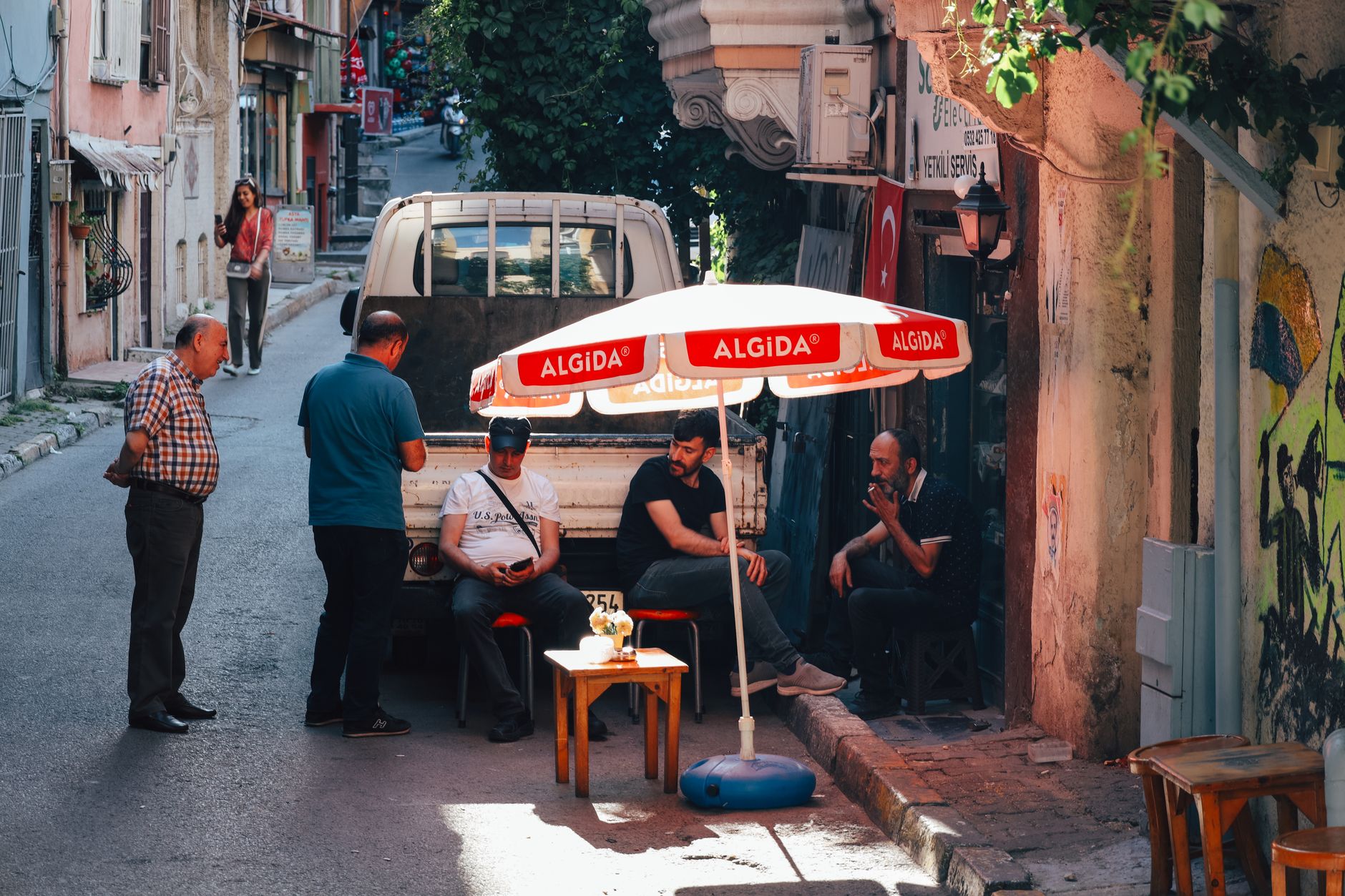
In Türkiye, the local tea house—çay bahçesi or kahvehane—is more than a place to drink. It is the living room of the neighborhood, where retired men argue about football, students study, and strangers are welcomed with a tiny glass of amber tea and a backgammon board. These establishments are overwhelmingly male-dominated in many parts of the country, but the attitude toward curious travelers is remarkably warm: if you show genuine interest, you will almost certainly be invited to sit, sip, and play.
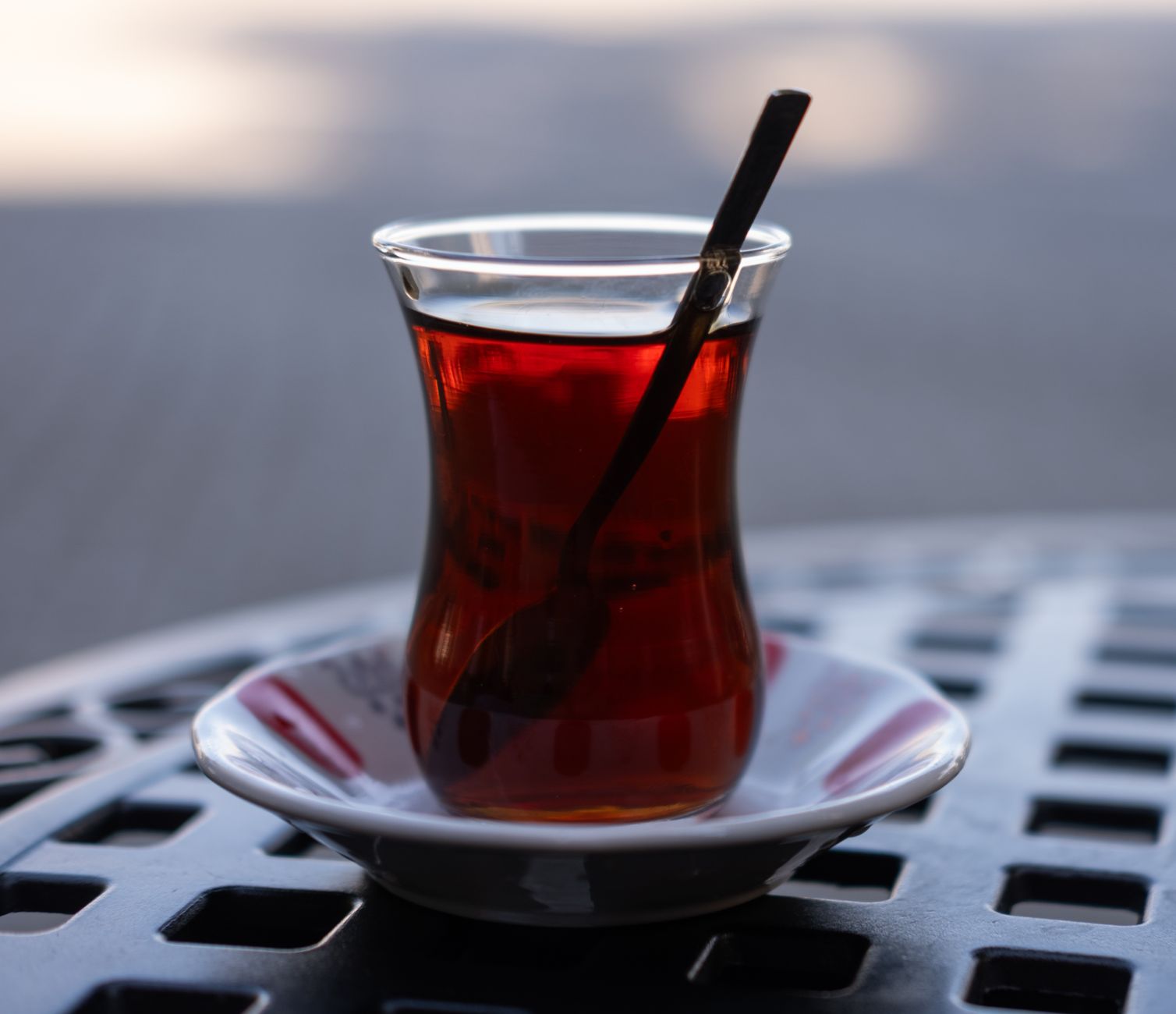
The ritual is simple. You order a glass of tea (never a cup with a handle; it comes in a tulip-shaped glass on a small saucer). The tea arrives within minutes, often with a sugar cube or two. If a backgammon board is on the table, someone will likely ask, “Tavla oynar mısın?”—Do you play backgammon? Even if your answer is a hesitant “biraz” (a little), you will be waved into a chair and handed the dice. The game is fast, the tea is endless, and the conversation flows in a mix of Turkish, English, and hand gestures.
This guide is for the traveler who wants to say yes to that invitation. We will cover the basic rules of tavla, how to ask politely for a game, the etiquette of paying for tea, and a few tea houses in Istanbul, Izmir, and Antalya where visitors consistently feel welcome. By the end, you will know enough to roll the dice with confidence—and perhaps make a friend for life.
The Basic Rules of Tavla: A Quick and Dirty Guide
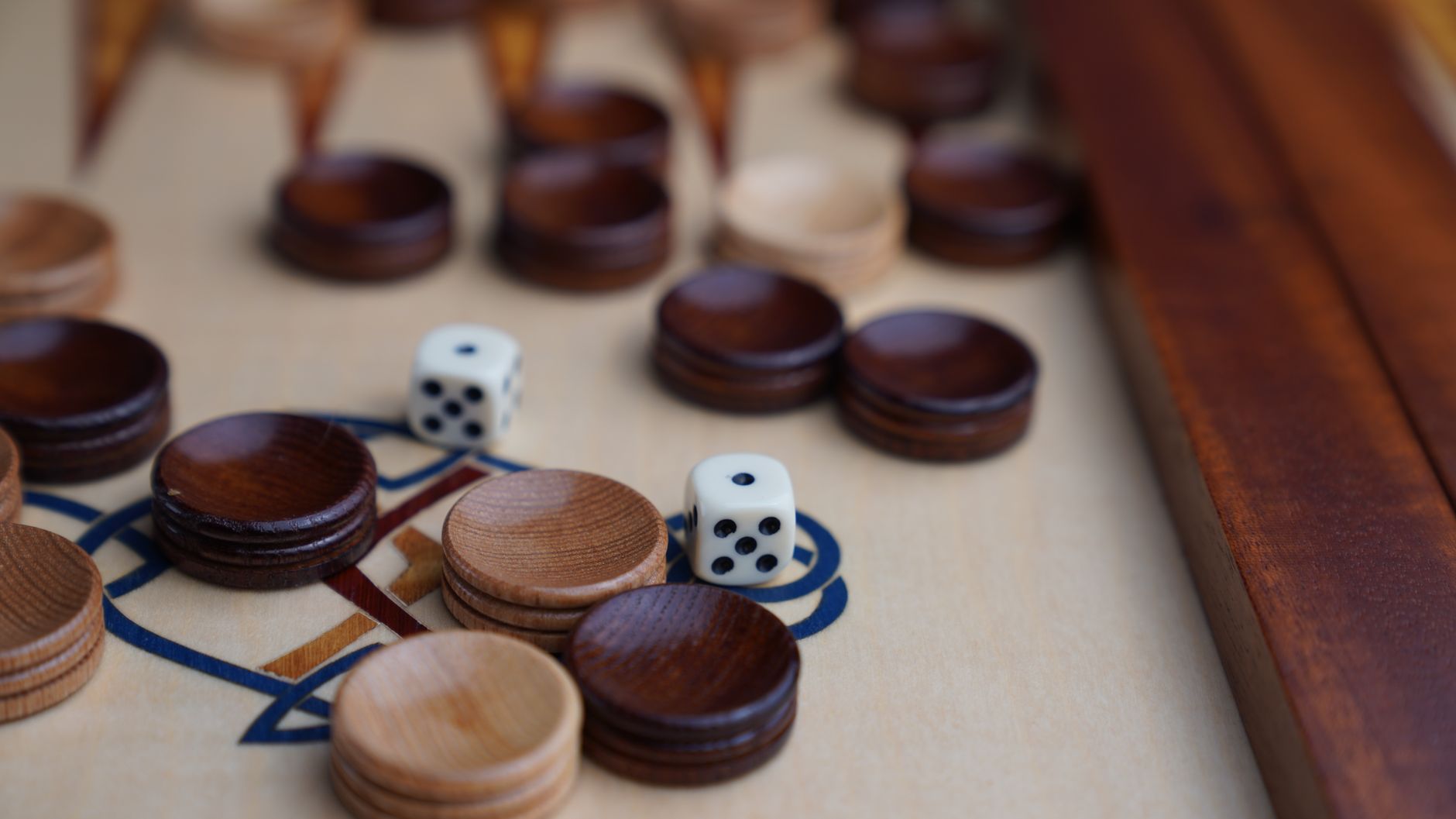
Backgammon in Türkiye is called tavla, and it is played on the same 24-point board as the international version. The goal is to move all 15 of your checkers around the board and bear them off before your opponent does. Each player rolls two dice and moves checkers accordingly. A checker can only land on a point that is either empty, occupied by your own checkers, or occupied by a single opponent checker (a “blot”), which you then send to the bar. From the bar, the checker must re-enter in the opponent's home board before any other move can be made.
What sets Turkish tavla apart from other backgammon variants is the scoring and the culture around doubling. Most casual games are played to five points. A single win (no gammon) is worth one point. If you bear off all your checkers before your opponent has borne off any, that is a mars (gammon), worth two points. If your opponent still has a checker in your home board or on the bar when you bear off your last checker, that is a mars-ı katmerli (backgammon), worth three points. The doubling cube is not used in casual play; instead, players often agree before the game whether to play for money or just for fun.
For a traveler, the most important rule is this: speed is not the point. Tavla is a social game. Players take their time, sip tea, and chat. Do not rush your moves. If you are unsure of a rule, ask. Turks are famously patient teachers, and they will happily show you how to move a checker or explain why a certain play is smart. The dice are thrown with a quick flick of the wrist; you shake them in a small leather cup and roll them onto the board. If a die lands cocked against a checker or off the board, it is re-rolled. Simple.
One more thing: the zar (dice) are sacred. Do not touch your opponent's dice or move their checkers without asking. And when you roll a double, you get to move four times the number shown—but in Turkish tavla, it is customary to say “dört!” (four) with a grin, because doubles are lucky and everyone knows it.
How to Ask Politely for a Game (and How to Accept an Invitation)
The easiest way to join a game is to be invited. If you are sitting in a tea house and see two men playing, it is perfectly acceptable to watch from a respectful distance. If they catch your eye and smile, you can nod and say “İyi oyunlar” (good game). Often, one of them will gesture to an empty chair and ask if you play. Accept with a smile and “Teşekkür ederim, biraz oynarım” (Thank you, I play a little).
If you want to initiate, wait for a pause in the game or for a player to leave. Then approach and ask, “Bir oyun oynayabilir miyiz?” (Can we play a game?). Or simpler: “Tavla oynar mısınız?” (Do you play backgammon?). The question is almost rhetorical in a tea house, but it shows respect. Never grab the dice or sit down uninvited. Wait for a gesture—a nod, a wave, a pulled-out chair.
When you are invited, it is polite to accept even if you are a beginner. You can say, “Öğreniyorum” (I am learning) or “Yeni başladım” (I just started). This sets expectations and often leads to a friendly mini-lesson. Offer to buy the next round of tea as a thank-you, but do not insist on paying for the first round; the host usually covers it. We will cover tea payment in the next section.
If you are a woman traveling alone, you may feel hesitant to enter a tea house full of men. In big cities like Istanbul, Izmir, and Antalya, mixed groups and solo female travelers are increasingly common, especially in tea gardens (open-air) and cafés that serve tea alongside food. If you are unsure, look for places with families or mixed-gender tables. Or go with a friend. The warmth is there; you just need to find the right setting.
The Tea Ritual: How to Order, Sip, and Pay
Tea in Türkiye is çay (pronounced “chai”), and it is served in a small tulip-shaped glass called an ince belli bardak. It is strong, brewed from loose black tea leaves in a double boiler (çaydanlık), and usually drunk without milk but with sugar. When you order, you can ask for “bir çay” (one tea) or “iki çay” (two teas). If you want it light, say “açık”; strong is “demli”. Sugar comes in cubes on the saucer; drop one in and stir with the tiny spoon.
The tea house rhythm is continuous. As soon as your glass is empty, the çaycı (tea server) will whisk it away and bring a fresh one, often without you asking. This is not a trap to inflate your bill; it is hospitality. You pay at the end, usually by telling the owner how many teas you had. In most neighborhood tea houses, a glass of tea costs between 10 and 20 Turkish lira (about $0.30–$0.60). It is customary to leave a small tip, rounding up to the nearest convenient amount.
Paying for tea is a delicate dance. If a local invites you to play, they will almost certainly try to pay for your tea. You should offer to pay—“Çayları ben ödeyeyim” (Let me pay for the teas)—but do not fight over it. A graceful compromise: accept their offer for the first round, then insist on buying the next round for the table. This shows gratitude without causing a scene. If you are playing for money (many casual games are for small stakes, like the price of a tea), the loser usually pays for the teas. But as a guest, you are not expected to lose on purpose; just play fairly and enjoy.
One more etiquette note: never pour your own tea from the çaydanlık unless invited. The server or the host will do it. And when you leave, thank the owner and the players: “Teşekkürler, çok keyifliydi” (Thanks, it was very enjoyable).
Neighborhood Tea Houses Where Travelers Feel Welcome
Not all tea houses are equally open to outsiders. The most welcoming are usually in neighborhoods with a mix of locals and visitors, often near universities, bazaars, or waterfronts. Here are a few tried-and-true spots in major cities.
Istanbul: Çorlulu Ali Paşa Medresesi (Beyazıt)
Tucked behind the Grand Bazaar, this 18th-century medrese now functions as a tea garden and nargile (hookah) café. It is touristy but charming, with cushions, carpets, and endless backgammon boards. Travelers are constantly invited to join games here. Order a tea, watch a game, and you will be asked to play within minutes. It is a great place to learn without pressure.
Istanbul: Kadıköy Tea Gardens (Moda and Bahariye)
On the Asian side, Kadıköy is younger, more mixed-gender, and very traveler-friendly. The tea gardens along the Moda waterfront and the side streets off Bahariye Caddesi are full of students and locals playing tavla. Try Moda Çay Bahçesi or any of the small kahvehanes near the ferry pier. The atmosphere is relaxed, and English is often spoken.
Izmir: Kordon Tea Houses (Alsancak)
Izmir's waterfront promenade, the Kordon, is lined with tea houses and cafés where locals play backgammon while watching the sunset. The crowd is mixed, and solo travelers are common. Kordon Çay Bahçesi and the smaller places near Alsancak train station are good bets. If you sit down with a board, someone will likely ask to play.
Antalya: Kaleiçi Tea Gardens
In the old town of Kaleiçi, many courtyard cafés serve tea and have backgammon sets. The owners are used to tourists and will happily teach you. Try Yemenli or Çay Bahçesi near Hadrian's Gate. It is a bit more expensive than a neighborhood tea house, but the welcome is warm.
Outside these spots, look for tea houses near mosques, bus stations, or local markets. If you see men playing tavla and smoking, and you are polite and curious, you will be welcomed. Avoid places that feel closed off or where no one meets your eye; there are plenty of fish in the sea.
Beyond the Game: The Social Fabric of the Tea House
Backgammon is the excuse, but tea is the glue. In a tea house, you will witness a cross-section of Turkish society: retired teachers, taxi drivers, shopkeepers, and students. Conversations range from politics to football to the price of tomatoes. As a traveler, you are a novelty, and people will ask where you are from, what you think of Türkiye, and whether you have tried menemen (scrambled eggs with tomatoes and peppers). Answer honestly and ask questions back. This is not an interview; it is a conversation.
Tea houses are also democratic spaces. Everyone is equal at the table, and the game is a great leveler. You do not need to be an expert to enjoy it. In fact, being a beginner is an advantage: it gives locals a chance to teach, which they love. Do not be surprised if a crowd gathers to watch your game and offer advice. This is not rudeness; it is engagement. Smile, nod, and roll the dice.
If you are invited to a home for tea, that is a great honor. Accept, bring a small gift (pastry or fruit), and take off your shoes at the door. The same rules apply: sip, chat, and if a backgammon board appears, play.
Practical Tips for the Traveling Tavla Player
You do not need to bring a board; tea houses have them. But if you fall in love with the game, you can buy a compact travel set in any bazaar for a reasonable price. The dice are usually plastic, but serious players prefer wooden or bone dice. If you play for money, agree on the stakes before the game starts. A common casual stake is the price of a tea or a small banknote. Never play for more than you can afford to lose, and never gamble with someone who seems aggressive or drunk.
Language helps, but it is not essential. Learn a few phrases: “Zar attım” (I rolled the dice), “Sıra sende” (It's your turn), “İyi oyun” (Good game). Numbers are easy: bir, iki, üç, dört, beş, altı. If you get stuck, point and smile.
Finally, respect the space. Tea houses are not bars; they are calm, social places. Keep your voice down, do not put your feet on chairs, and do not take photos of people without asking. If you follow these simple rules, you will be welcomed back.
For more on Turkish culture and practical travel advice, explore our guides and destinations pages. If you are planning a trip, our trip planner can help you find the best neighborhoods for tea and tavla.
Thinking about a trip to Turkey?
Share your contact details and a vetted local expert will follow up with a plan built around you — free, no obligation.