

Turkish Lira: Your Key to Unlocking Türkiye
The official currency of Türkiye is the Turkish lira (TRY, symbol: ₺), divided into 100 kuruş. Banknotes come in denominations of 5, 10, 20, 50, 100, and 200 lira, while coins range from 1 kuruş to 1 lira (plus the occasional 5-lira commemorative coins). As of late 2025, the exchange rate hovers around 34–36 lira to the US dollar and 37–39 lira to the euro, but rates fluctuate daily, so always check the latest before you travel. The lira's recent volatility means prices in menus and shops can change, but don't worry — Türkiye remains one of the best-value destinations in the Mediterranean.
You'll see prices written as "₺250" or "250 TL". Many tourist-heavy businesses also quote in euros or dollars for big-ticket items like tours or hotels, but by law, all transactions within Türkiye must be settled in lira. It's perfectly fine to ask for the lira price if someone quotes you in foreign currency. Carry some cash for small purchases, but cards are accepted almost everywhere in cities — more on that later.
Getting comfortable with the lira is easy: mentally divide by 35 (or use a converter app) to gauge costs. A simit (sesame bagel) for 10–15 lira, a ferry ride across the Bosphorus for 25 lira, and a museum ticket for 400 lira all start to make sense quickly. Don't be intimidated by the large numbers — your wallet will thank you.
Where to Exchange Money for the Best Rates
Exchange offices — known locally as döviz büroları — are your best bet for competitive rates. They're abundant in Istanbul's Sultanahmet, Taksim, and Grand Bazaar areas, as well as in Antalya's Kaleiçi and Izmir's Alsancak. Look for offices with clear digital rate boards and no commission fees. The difference between a good exchange office and a bad one can be 2–4%, so it pays to compare a few before handing over your cash.
Banks like Ziraat, İş Bankası, Garanti, and Yapı Kredi also exchange money, but their rates are often less favourable and they may charge a commission. Exchange offices typically offer better rates for larger notes (100 USD or 100 EUR) and may give a slightly worse rate for smaller bills. Always ask for the "buy" rate for the currency you're selling — that's the rate they'll pay you.
Airport exchange counters are convenient but notoriously expensive, sometimes 10–15% worse than city rates. Change only a small amount (enough for a taxi or metro) at the airport and do the rest in town. Hotels are the worst option; use them only in an emergency. Pro tip: Bring clean, unmarked, newer-series US dollars or euros. Torn, heavily folded, or old-design notes are often refused or exchanged at a discount.
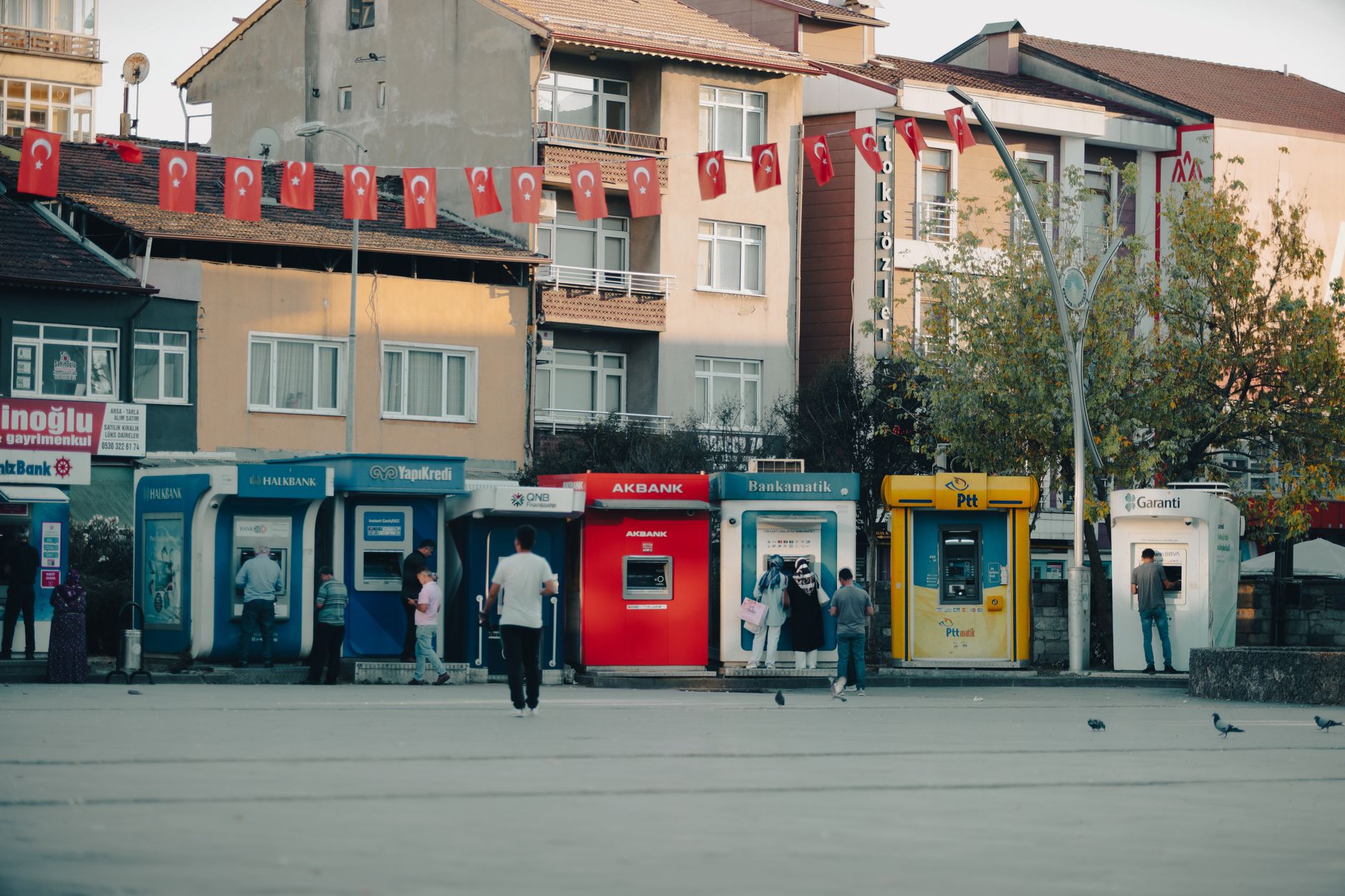
ATM Tips: Withdrawing Lira with Confidence
ATMs are everywhere — on street corners, inside metro stations, and at shopping malls. Major Turkish banks (Ziraat, İş Bankası, Garanti, Yapı Kredi, Akbank) have English-language menus and are generally reliable. International networks like Cirrus, Plus, and Maestro work, but notify your home bank before you travel to avoid a security freeze.
Withdrawal limits vary: most ATMs dispense up to 5,000–10,000 lira per transaction, and some let you take multiple withdrawals up to a daily cap. Your home bank may charge a foreign transaction fee (1–3%) plus a flat fee, while the Turkish bank may add its own surcharge (often 2–5% or a flat 50–100 lira). To minimise costs, use ATMs from banks that don't charge extra — Ziraat and İş Bankası are often recommended — and always decline the ATM's offer to convert to your home currency (that's dynamic currency conversion, which locks in a poor rate).
Safety tips: use ATMs inside bank branches or well-lit, busy areas. Cover your PIN, and if a machine behaves oddly or a "helpful" stranger offers assistance, cancel the transaction and find another ATM. Keep your withdrawal small enough that you're not carrying a huge wad of cash. And remember: your bank's exchange rate on the day will almost always beat the airport or hotel counter.
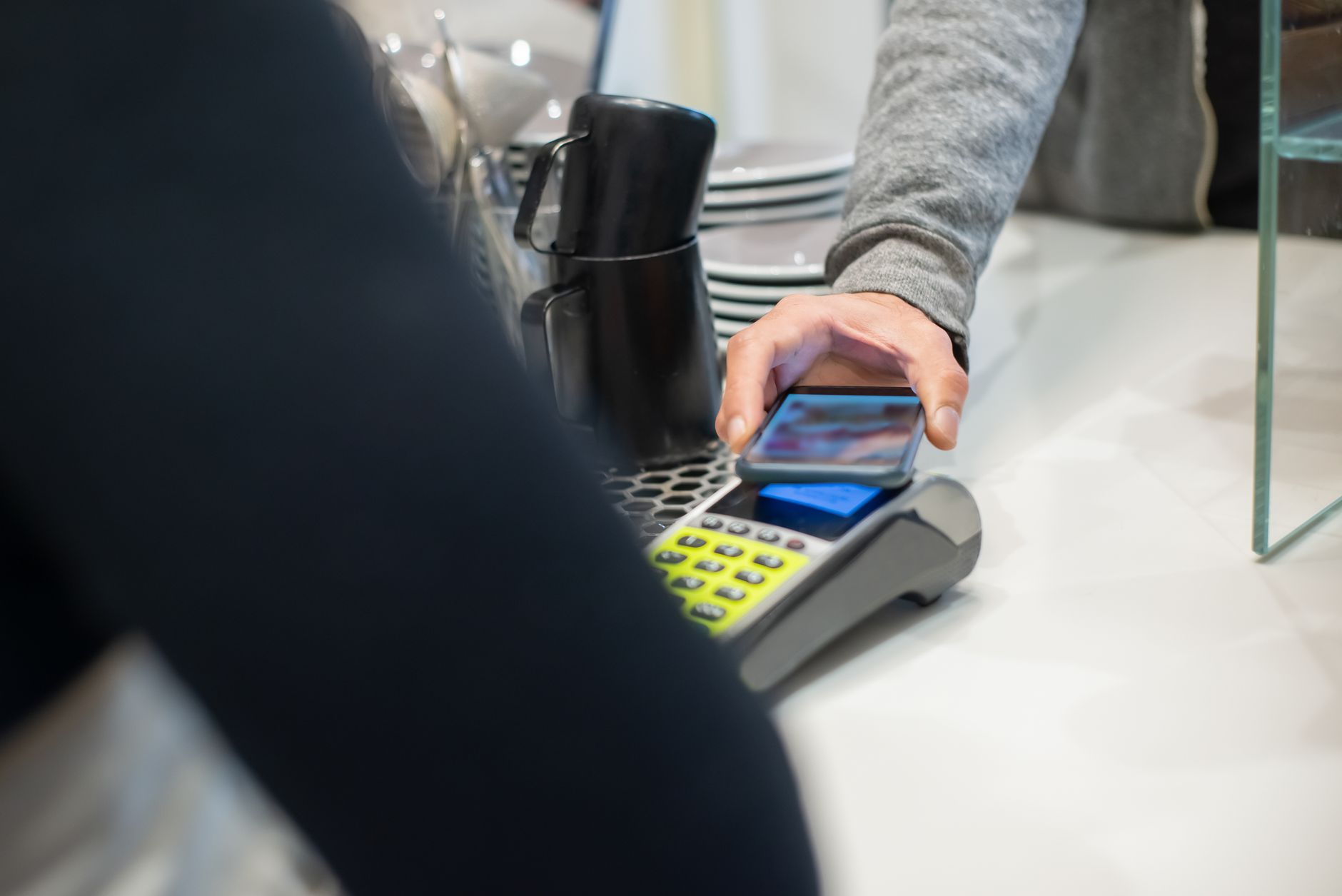
Contactless Payments: Tap and Go Across Türkiye
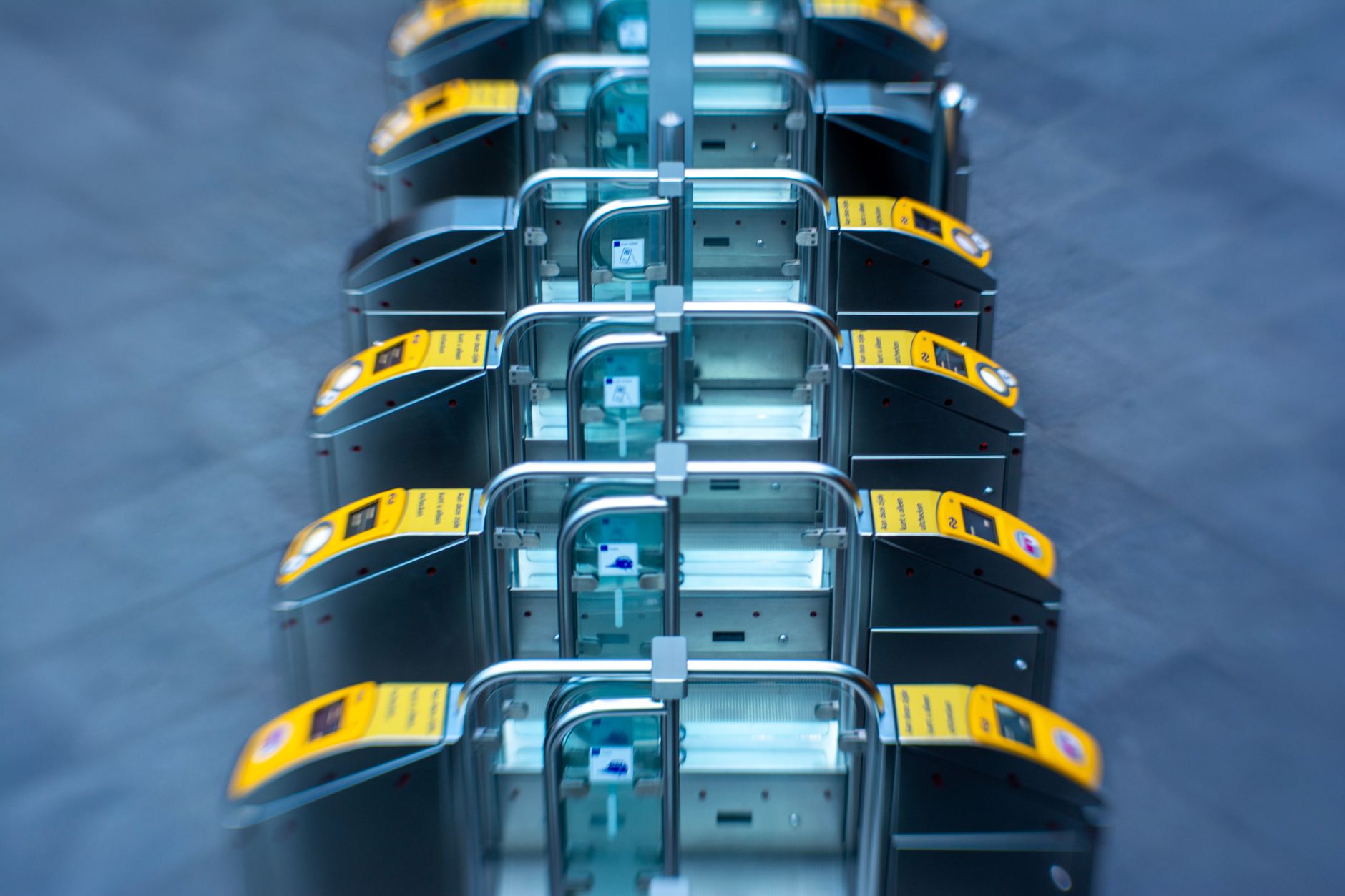
Türkiye is remarkably card-friendly, especially in cities. Contactless payments (tap-to-pay) are accepted at most supermarkets (Migros, CarrefourSA, BİM), chain restaurants, hotels, museums, and even many taxi meters. Istanbulkart, the city's transit card, can be topped up with contactless credit/debit cards at kiosks and machines. You can also use your contactless card directly on some turnstiles, but a Istanbulkart is still the easiest for multiple rides.
Mobile wallets like Apple Pay and Google Pay work wherever contactless is accepted, though some smaller shops may only take physical cards. Visa and Mastercard are universally accepted; American Express is less common. If a shop asks "kredi kartı?" (credit card?) and you see the contactless symbol, you're good to tap. For small purchases under 100 lira, some places prefer cash, but most will happily take a card.
However, don't rely solely on cards. Smaller towns, rural areas, markets (bazaars), and family-run eateries may be cash-only. Carry at least 500–1,000 lira in cash for such situations. Also, keep a physical card as backup in case your phone dies or a terminal's contactless fails. The combination of a couple of cards, some cash, and a mobile wallet gives you maximum flexibility.
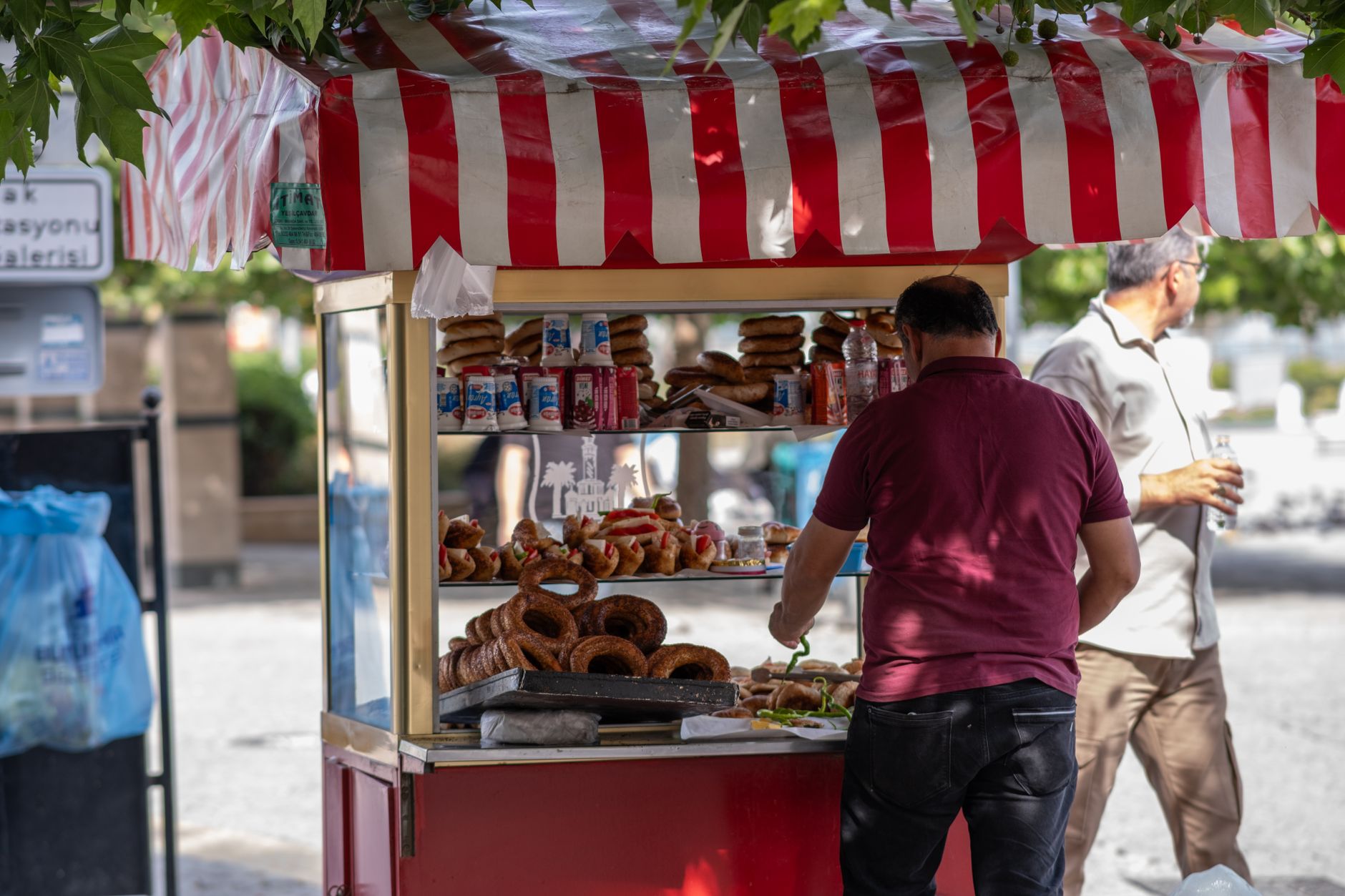
Smart Budgeting: What Things Really Cost in 2026
Türkiye offers outstanding value, especially for food and transport. Here are realistic estimates per person, based on 2025 prices (expect slight increases by 2026):
- Street food: Simit (10–15 TL), döner sandwich (60–100 TL), balık ekmek (fish sandwich, 80–120 TL), roasted chestnuts (50 TL per 100g).
- Casual restaurant meal: 150–300 TL for a main dish like pide, lahmacun, or kebab, plus 30–60 TL for a drink.
- Mid-range restaurant: 400–700 TL per person for mezes, grilled meat, and dessert.
- Coffee/tea: Turkish tea (10–20 TL), Turkish coffee (40–70 TL), Starbucks latte (90–120 TL).
- Public transport: Istanbulkart ride (25 TL), Istanbul metro/bus/tram (25 TL), ferry (25–40 TL), taxi start (30 TL) plus 20 TL/km.
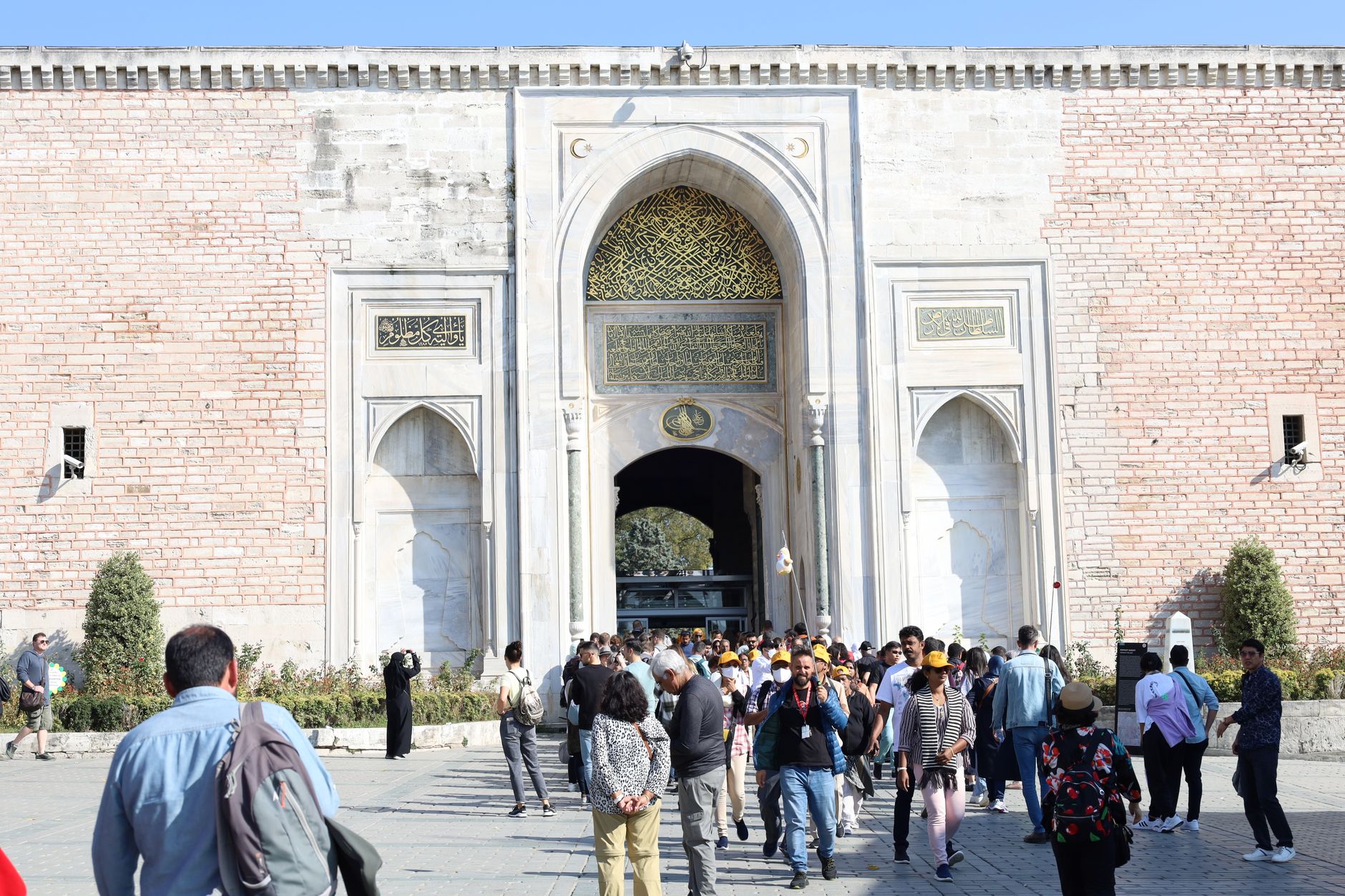
- Museum tickets: Topkapı Palace (1,500 TL), Hagia Sophia (free entry, but guided tours cost extra), Ephesus (1,200 TL), Göreme Open-Air Museum (700 TL).
- Accommodation: Budget hostel dorm (500–800 TL), mid-range hotel (1,500–3,000 TL), luxury (5,000+ TL).
A comfortable daily budget for a solo traveller — staying in mid-range hotels, eating at local restaurants, and visiting a couple of attractions — is about 2,500–4,000 TL (roughly $70–$115). Backpackers can get by on 1,200–2,000 TL per day by using hostels, street food, and public transport. Couples sharing a room can expect to spend 4,000–6,000 TL per day total. These figures make Türkiye one of the most affordable European destinations.
To save more, eat where locals eat (look for lokanta or esnaf lokantası), use public ferries instead of tourist boats, and buy museum passes like the Museum Pass Türkiye (valid for 15 days, costs around 3,500 TL) if you plan to visit several major sites. Always carry small notes for tips — rounding up or leaving 10% is customary in restaurants, and 20–50 TL for hotel staff is appreciated.
Final Money Tips for a Stress-Free Trip
Before you fly, order a small amount of lira from your home bank for immediate expenses, or plan to withdraw at the airport ATM. Once in Türkiye, use exchange offices for cash and ATMs for larger withdrawals, always declining conversion. Keep your cards in a RFID-blocking wallet, and have a backup card stored separately. Notify your bank of travel dates, and save your bank's international phone number in case of loss.
Don't overthink it. Turks are incredibly hospitable, and paying is straightforward. Whether you're tapping your phone for a tram ride in Istanbul or handing over cash for a glass of çay in a village, you'll quickly find your rhythm. With a little planning, your money will go far, leaving you free to savour every moment of your Turkish adventure.
Thinking about a trip to Turkey?
Share your contact details and a vetted local expert will follow up with a plan built around you — free, no obligation.