

Sleeping Inside History: Why Türkiye's Caravanserais Are the Most Romantic Budget Stays in the World
Imagine checking into a room whose walls have listened to camel bells, merchants' arguments and the clatter of hooves for 500 years. Imagine waking to the smell of fresh simit and village cheese in a courtyard where Silk Road caravans once unloaded bolts of Chinese silk and Anatolian wool. In Türkiye, this is not a fantasy — it is a surprisingly affordable travel reality.
Across Anatolia, dozens of caravanserais (known in Turkish as kervansaray for the grand Seljuk roadside forts, and han for the urban Ottoman trading inns) have been restored and reborn as boutique hotels, guesthouses and simple but atmospheric inns. They range from marble-floored showpieces in Mardin to quietly converted hanlar in provincial bazaar towns where you might pay less than a mid-range hotel in Istanbul.
This guide covers where to sleep in these living monuments, how to book them, which driving routes link the finest examples, and what to see in the towns around them. It is the single most uniquely Turkish way to travel — and one of the most romantic.
"The caravanserai was the five-star hotel of the medieval Silk Road: free lodging for three days, stables for your animals, food, music and safety behind walls thick enough to stop an army."
Understanding the Difference: Kervansaray, Han and Konak
Before you book, a quick vocabulary lesson helps. A kervansaray is the classic Seljuk-era fortified roadside inn, built between the 12th and 14th centuries along trade routes, often miles from any town. They are monumental: massive stone portals, vaulted halls, a walled courtyard and a covered winter section (kapalı kışlık) where animals and goods were kept warm.
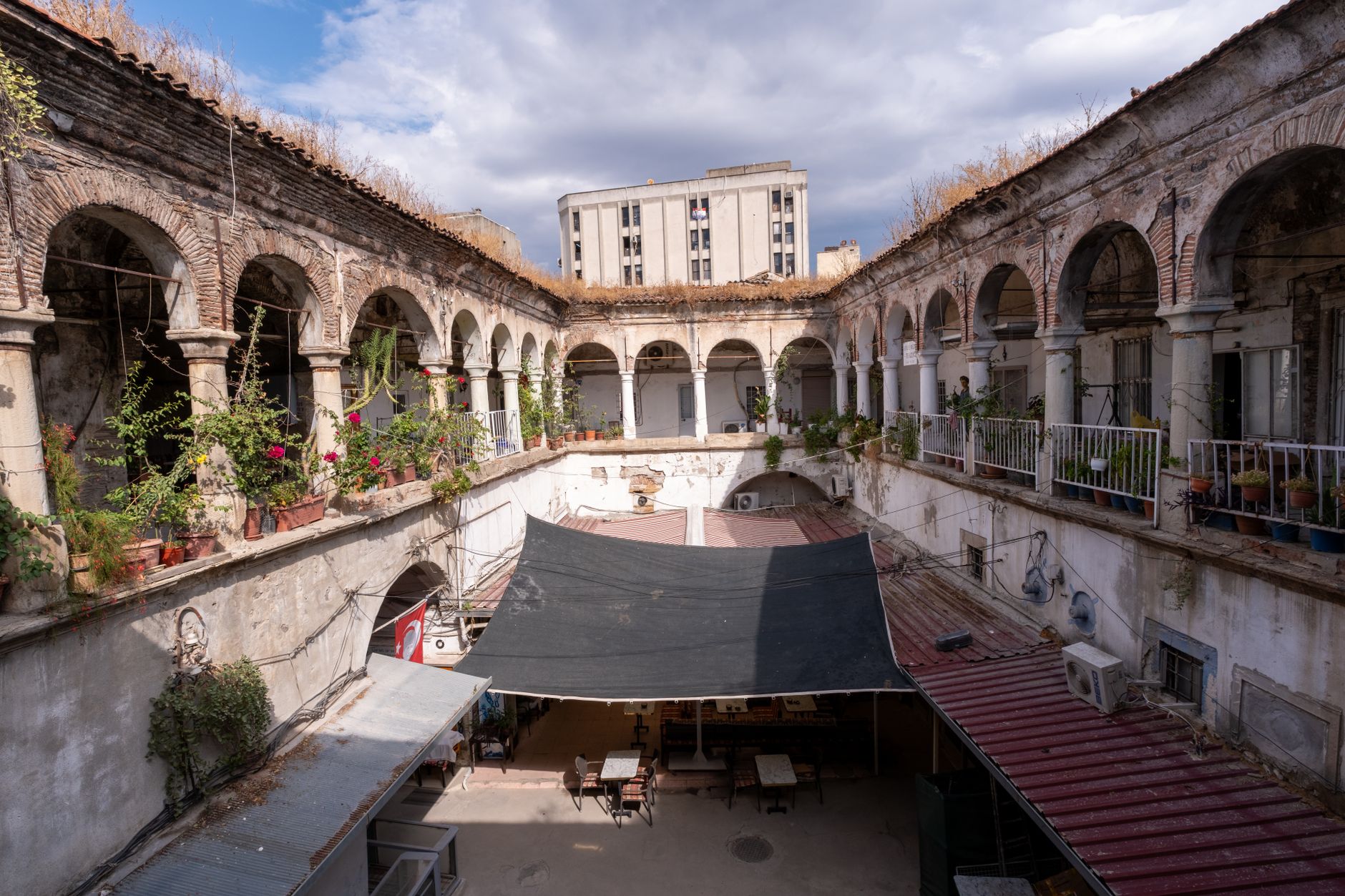
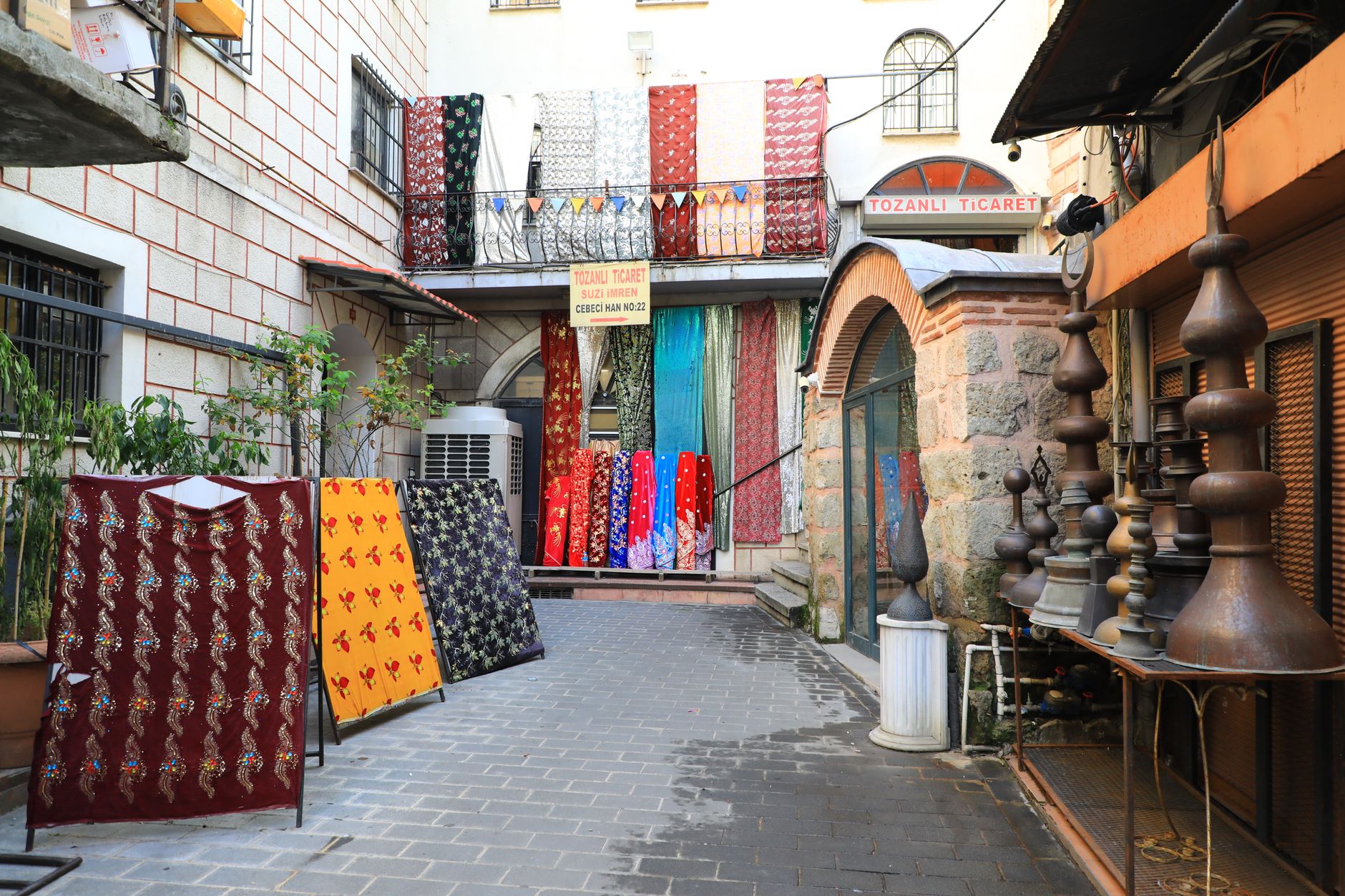
A han is the Ottoman urban cousin — a two- or three-storey courtyard building in the middle of a city bazaar, where merchants stored goods on the ground floor and slept above. Many hanlar in cities like Gaziantep, Şanlıurfa and Kayseri have been converted into hotels and cafés, often retaining their stone arcades and vaulted cells.
A konak is a grand Ottoman mansion, not a caravanserai but frequently restored alongside them and worth knowing because some hotels combine the two — sleeping in a konak room with access to a han courtyard. Many restored properties market themselves as 'kervansaray otel' or 'tarihi han otel' (historic inn hotel), and the experience, while modern in comfort, is rooted in the same architectural DNA: thick stone walls, cool summer interiors, warm winter rooms and a central courtyard that invites strangers to talk.
The Finest Restored Caravanserais and Inns You Can Actually Sleep In
Anatolia's Greatest Hits
Tarihi Yunak Evleri, Ürgüp (Cappadocia): Technically a cave-and-mansion complex rather than a pure caravanserai, but it captures the same spirit — carved stone rooms, candlelit courtyards and terraces over Cappadocia. Nearby, restored han-style guesthouses in Mustafapaşa and Soğanlı offer simpler caravanserai-style stays at budget prices.
Tarihi Cem Evi and han conversions in Mardin: Mardin is arguably the capital of sleeping-in-history in Türkiye. Honey-coloured stone hans along Cumhuriyet Caddesi have been turned into boutique hotels with rooftop terraces looking across the Mesopotamian plain. The stone-cut rooms stay naturally cool in summer, and breakfasts of za'atar, olives, honey and local cheeses are served in vaulted halls.
Tarihi Sulusokak and the han district of Tokat: Tokat's restored Taşhan and surrounding Ottoman hans host simple, very affordable rooms and a lively courtyard tea culture. It is a genuine local experience with almost no foreign tourists.
Selçuk's restored hans and the Ephesus area: The Hisar and Kervansaray-style guesthouses near the Basilica of St John offer easy access to Ephesus, and several small stone inns in Şirince village nearby provide caravanserai-style courtyard living with vineyard views.
The Seljuk Fortress Caravanserais: Sleeping in a Monument
The greatest Seljuk caravanserais — Sultanhanı near Aksaray, Ağzıkara Han near Nevşehir, and the Sultanhanı on the Konya–Aksaray road — are museums by day. A few have adjacent guesthouses or new boutique hotels built respectfully alongside, letting you spend the night within sight of their floodlit portals. The experience of standing at a Seljuk portal at dusk, with the call to prayer echoing across the plain, is worth the drive alone.
Look for hotels describing themselves as 'tarihi kervansaray' with rooms in the original vaulted cells. Comfort varies: some have en-suite modern bathrooms, underfloor heating and Wi-Fi; others are simpler, with shared bathrooms and a wood stove. Do your research on recent reviews — the atmosphere is guaranteed, the plumbing sometimes less so.
Romance on a Budget: What It Actually Costs
Here is the delightful part. Because most restored hans sit in secondary cities — Tokat, Amasya, Kayseri, Mardin, Şanlıurfa, Kastamonu — prices are a fraction of Istanbul or Cappadocia peak-season rates. Expect to pay roughly the equivalent of a modest European budget hotel, and in many towns, even less for a double room with breakfast.
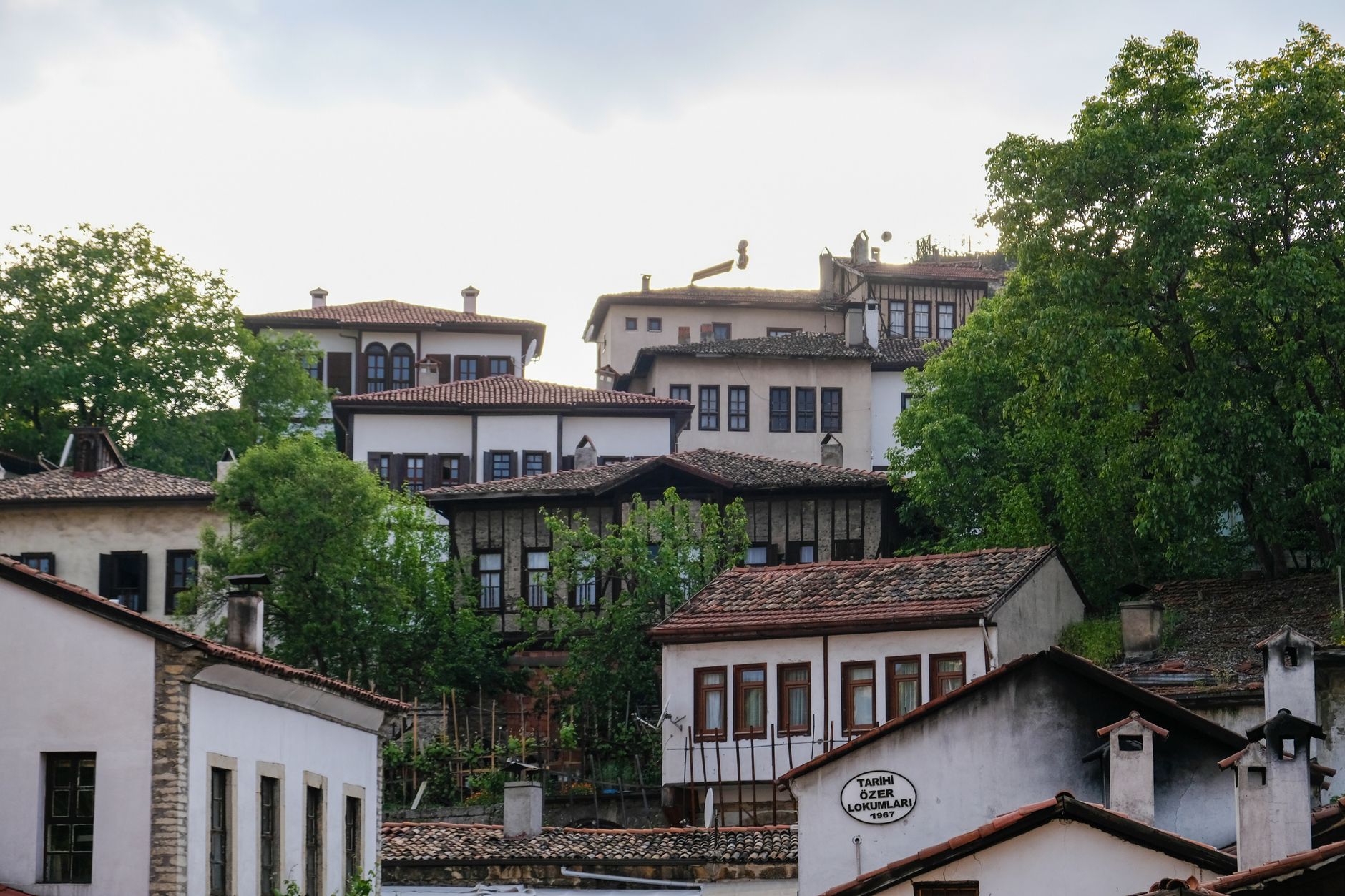
A typical night in a restored han or caravanserai-style guesthouse includes a generous Turkish breakfast: village eggs, honeycomb, clotted kaymak, olives, tomatoes, cucumbers, local cheeses, jams made from the region's fruit, and endless çay. Some properties include dinner in the courtyard — often a set menu of regional dishes like Amasya keşkek or Mardin kibbeh — for a very reasonable supplement.
Compare that to the cost of a generic chain hotel, and the value is staggering: you are paying for atmosphere, history and breakfast, not for marble lobbies. For couples, the candlelit stone courtyards, thick walls and quiet are intensely romantic. For solo travellers, the shared courtyards are natural conversation starters — the modern equivalent of the travellers' fireside.
- Budget han room: simple, atmospheric, shared or small private bathroom — cheapest by far.
- Mid-range restored caravanserai hotel: en-suite, heating and air-conditioning, courtyard breakfast — the sweet spot.
- Boutique stone inn: design-led restoration, often in Mardin or Cappadocia — still cheaper than equivalent Istanbul hotels.
Driving Routes: Linking the Stone Inns of Anatolia
Route 1 — The Seljuk Silk Road (Konya to Kayseri)
Start in Konya (Mevlana Museum, Selimiye Mosque), then drive east on the old Silk Road axis toward Aksaray. Stop at Sultanhanı, the largest Seljuk caravanserai in Türkiye, with its magnificent portal and vaulted hall. Continue to Nevşehir and Göreme for Cappadocia's cave hotels, then push east to Kayseri, whose restored bazaar hans and Mount Erciyes views make a rewarding overnight.
This route is roughly 300–350 km and easily done over three or four relaxed days, with plenty of caravanserais (Ağzıkara Han, Öresun Han) close to the road. Rent a car in Konya or Kayseri; the highways are excellent and signage clear.
Route 2 — The Black Sea Han Trail (Amasya to Kastamonu)
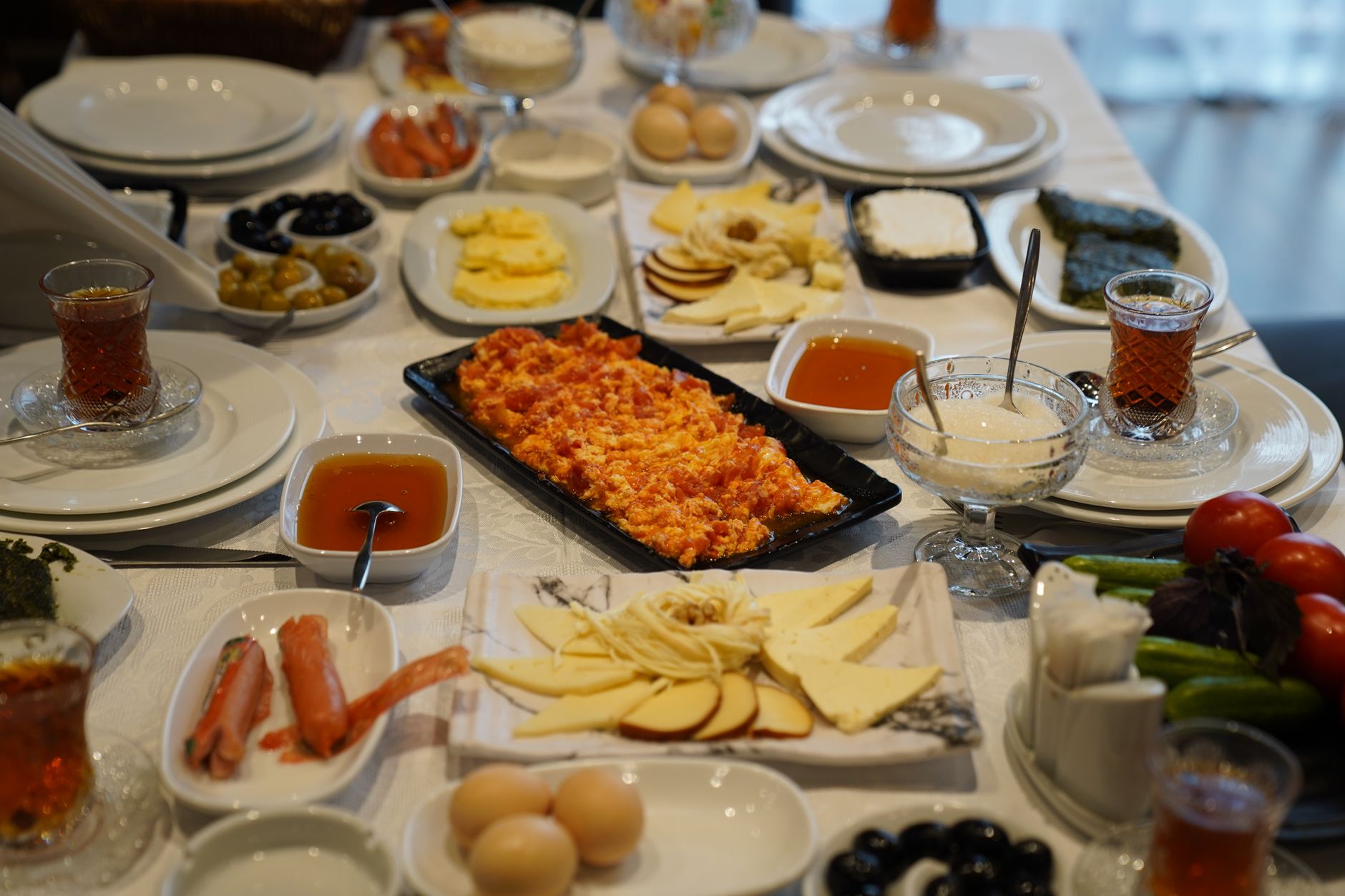
Amasya, with its rock tombs and riverside Ottoman houses, has restored hans and konaks serving as hotels. Drive west through the green Yeşilırmak valley to Kastamonu, home to beautifully restored stone inns and a market town atmosphere, then on to Safranbolu, a UNESCO-listed town of half-timbered Ottoman mansions and historic han-guesthouses. This is one of Türkiye's most underrated romantic drives, especially in spring and autumn.
Route 3 — The Southeast Stone Route (Mardin to Şanlıurfa and Gaziantep)
Fly to Mardin, sleep in a stone han, then drive to Midyat, Şanlıurfa (with its bazaar hans and sacred pool) and finally Gaziantep for the incomparable cuisine and restored han district. This route is rich in caravanserai-style stays, Syriac and Armenian heritage, and some of the best food in Türkiye. Roads are modern and well maintained.
Nearby Attractions to Pair With Your Caravanserai Stay
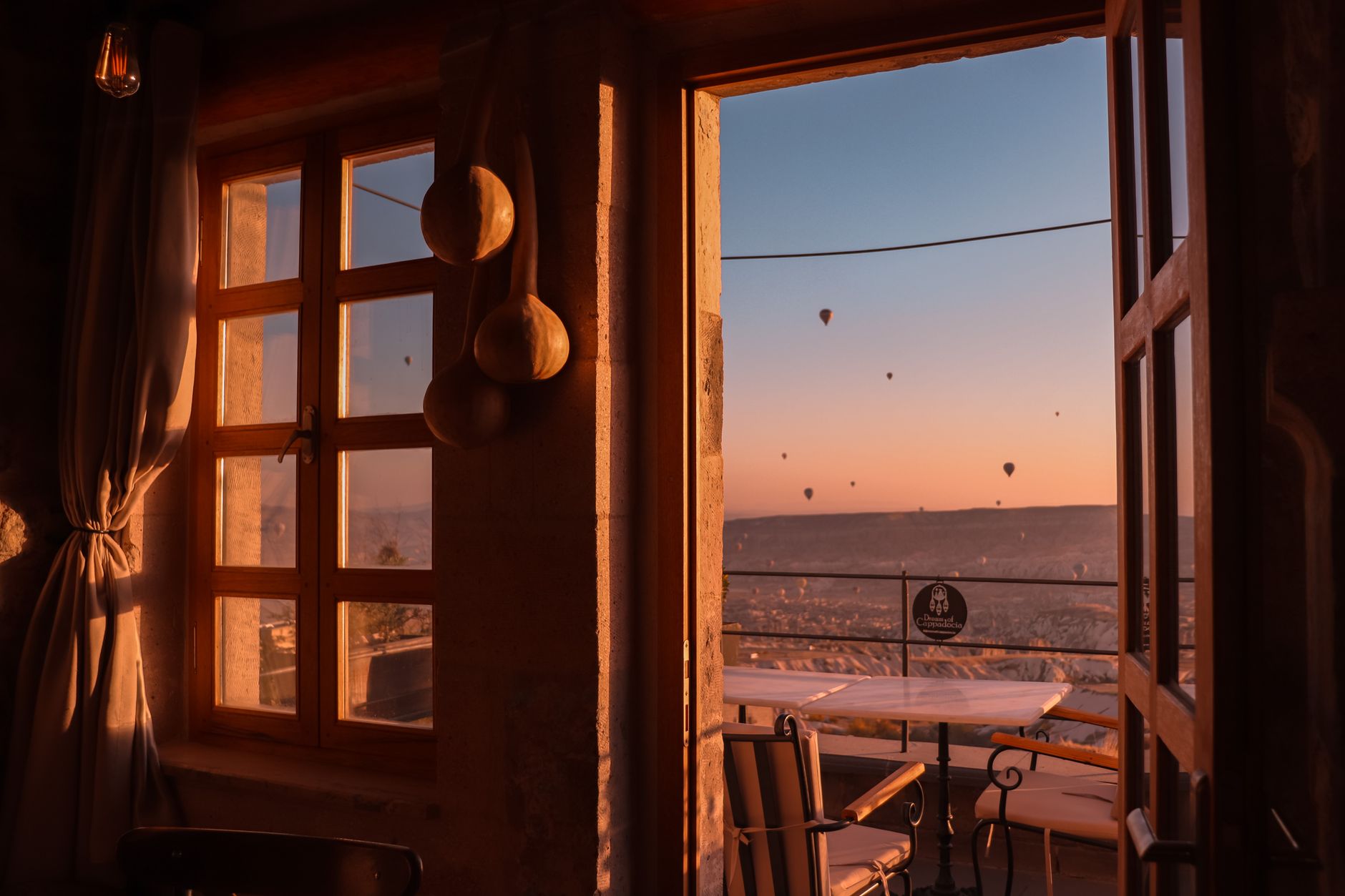
Half the joy of these inns is what surrounds them. In Aksaray and Nevşehir, the Sultanhanı and Ağzıkara Han sit beside Cappadocia's underground cities, Ihlara Valley hikes and hot-air balloon flights. In Amasya, the Pontic rock tombs, the Ottoman bridges and the Yalıboyu houses are a short walk from the historic inns.
In Mardin, pair your stay with the Deyrulzafaran Monastery, the ancient stone streets of Midyat, and the Mesopotamian views from the castle. In Şanlıurfa, the Balıklıgöl sacred fish pools, Göbeklitepe's 12,000-year-old temple and the bazaar's han courtyards are all within reach. In Safranbolu, the preserved Ottoman town itself is the attraction — a living museum of wooden houses, cobbled lanes and lokum shops.
In Kayseri, explore the Seljuk Hunat complex, the covered bazaar's hans, and the nearby Erciyes ski area in winter. In Tokat, the Ottoman houses, the historic clock tower and the surrounding vineyards and hot springs reward a slower stay. Wherever you go, the inn itself is often the headline attraction — but these regions ensure you never run out of things to see.
Practical Booking Tips for Sleeping in a Historic Inn
Book direct when possible. Many small han hotels are family-run and list on Booking.com, but a direct email or phone call often gets you a better room, a courtyard-facing double, or a discount. Mention if you are celebrating something — honeymooners frequently get fruit, wine or a room upgrade.
Read reviews carefully for comfort specifics. 'Historic' can mean a romantic vaulted suite with underfloor heating, or a room with thin walls, low doorways and a bathroom down the hall. Check recent photos of the actual room, not just the courtyard. Ask about heating in winter (some old stone rooms are cold) and air-conditioning in summer (thick walls help, but July in Mardin still bites).
Timing matters. Spring (April–June) and autumn (September–November) are ideal: mild weather, fewer crowds and lower rates. Avoid peak summer in the southeast unless you enjoy extreme heat, and note that some small inns close or reduce service in deep winter.
What to bring: comfortable shoes for cobblestones, a light scarf for visiting mosques and conservative towns, a small torch or phone light for dim historic corridors, and cash in Turkish lira for small towns where card machines can be unreliable.
Getting there: Fly to regional hubs (Kayseri, Mardin, Şanlıurfa, Trabzon, Konya) and rent a car — driving gives you the freedom to stop at roadside caravanserais and detour to villages. If you prefer not to drive, many towns are reachable by comfortable intercity buses, and local taxis or dolmuş minibuses will get you to the inn door.
Respect the building. These are fragile monuments. Keep voices low in courtyards late at night, avoid touching carved stone, and remember that some structures include a working mosque or community space. The reward is a night that feels less like a hotel stay and more like time travel — and a story you will tell for years.
Sleeping in a Turkish caravanserai is the rare travel experience that is at once romantic, affordable, comfortable and deeply authentic. You are not just visiting history — for one night, you are living inside it, exactly as travellers have for a thousand years along the roads of Anatolia.
Thinking about a trip to Turkey?
Share your contact details and a vetted local expert will follow up with a plan built around you — free, no obligation.