

Why Turkey's Weekly Pazars Are the Heart of Local Life
Every week, in every city, town, and village across Türkiye, a temporary universe pops up: the pazar. These weekly markets are not just places to buy tomatoes and socks—they are living theater, social glue, and the best culinary classroom a traveler could ask for. Vendors sing out prices, neighbors gossip over cucumbers, and the smell of fresh herbs, simit, and roasting peppers fills the air. If you want to understand Türkiye beyond the monuments, spend a morning at a local pazar.
Pazar comes from the Persian word bāzār, and the tradition stretches back centuries along the Silk Road. Today, each neighborhood has its designated market day, rotating through the week so that every district gets its turn. That means you can literally plan a whole trip around market days—Monday in one district, Tuesday in another, and so on. This guide gives you the day-by-day map, the etiquette, and the best markets for food versus crafts.
Come with an empty stomach, a reusable bag, and a willingness to chat. The warmth of Turkish market vendors is legendary: they will offer you a taste of cheese, a sprig of mint, or a glass of çay while you decide. Bargaining is expected for textiles and souvenirs, but fresh produce usually has fixed, fair prices. Let's dive into the joyful chaos.
The Weekly Rhythm: Which Market Runs on Which Day
In Istanbul alone, there are hundreds of weekly markets, each tied to a neighborhood and a day. The most famous for travelers is Kadıköy Market on the Asian side, which runs daily but explodes in size on Tuesdays and Fridays. The Tuesday market is a massive open-air affair stretching through the streets behind the ferry terminal, with mountains of produce, olives, cheeses, and textiles. Fridays are equally vibrant, and the nearby Kadıköy Fish Market operates daily.
On the European side, Beşiktaş Market takes place on Saturdays, drawing locals for fresh fish, vegetables, and a legendary breakfast scene. Fatih Market on Wednesdays is a more conservative, deeply local experience—great for spices, dried fruits, and household goods. Feriköy Organic Market on Saturdays is a must for foodies: certified organic produce, artisanal cheeses, and homemade jams. For antiques and vintage, head to Horhor Antique Market in Fatih, open daily but best on weekends.
Outside Istanbul, the rhythm changes but the spirit remains. In Izmir, the Kemeraltı Bazaar is open daily, but the Ödemiş Market (about 1.5 hours away) is a legendary Tuesday event—one of the largest open-air markets in the Aegean, famous for its produce, herbs, and handmade goods. In Şanlıurfa, the Urfa City Market runs daily, but the Tuesday Market (known as Salı Pazarı) is the big one for spices, textiles, and local specialties. In Gaziantep, the Copper Market (Bakırcılar Çarşısı) is daily, but the Wednesday Market in the Şahinbey district is a food lover's paradise.
"A Turkish pazar is not a place you visit; it's a place that visits you—with flavors, colors, and stories you carry home."
To plan your trip, check local listings or ask your hotel: market days can shift slightly, especially during Ramadan or national holidays. But generally, the schedule below holds true.
- Monday: Various neighborhood markets in Istanbul (e.g., Bakırköy), Izmir (Bornova), and Ankara (Çankaya).
- Tuesday: Kadıköy (Istanbul), Ödemiş (Izmir), Şanlıurfa Tuesday Market.
- Wednesday: Fatih (Istanbul), Gaziantep Şahinbey, Antalya Konyaaltı.
- Thursday: Beşiktaş (Istanbul, smaller), Bursa Cumalıkızık, Trabzon.
- Friday: Kadıköy (Istanbul), Izmir Kemeraltı (peak), Konya.
- Saturday: Beşiktaş (Istanbul), Feriköy Organic (Istanbul), Ankara Kızılay.
- Sunday: Various flea markets, Horhor Antique (Istanbul), Izmir Alsancak.
Bargaining Etiquette: How to Shop Like a Local
Bargaining in Türkiye is a dance, not a battle. For fresh produce, prices are usually fixed and fair—haggling over a kilo of tomatoes is considered rude. But for textiles, souvenirs, carpets, and antiques, negotiation is expected and even enjoyed. The key is to be respectful and playful.
Start by asking "Ne kadar?" (How much?). If you find it too high, counter with a smile: "Biraz indirim yapabilir misiniz?" (Can you give a little discount?). A good opening offer is about 60-70% of the asking price, then meet somewhere in the middle. If the vendor says no, thank them and walk away slowly—sometimes they'll call you back with a better price. Never be aggressive; a friendly tone opens doors.
Remember that the price of tea is always zero. Vendors will often offer you a glass of çay while you browse. Accept it—it's a sign of hospitality, not obligation. If you buy, great; if not, you've still shared a moment. And don't forget cash: many small vendors don't accept credit cards, though some larger stalls now take cards or mobile payments. Carry small bills (10, 20, 50 TL) for easy transactions.
For produce, bring your own bags—plastic bags are banned in many markets, and vendors appreciate eco-friendly shoppers. If you don't speak Turkish, a calculator or phone screen works wonders for numbers. And learn a few phrases: "Merhaba" (Hello), "Teşekkür ederim" (Thank you), and "Afiyet olsun" (Enjoy your meal) go a long way.
Food Markets vs. Craft Markets: Where to Go for What
Not all pazars are created equal. Some are purely for groceries—produce, cheese, olives, spices—while others specialize in textiles, handicrafts, or antiques. Knowing the difference saves you time and helps you target your shopping.
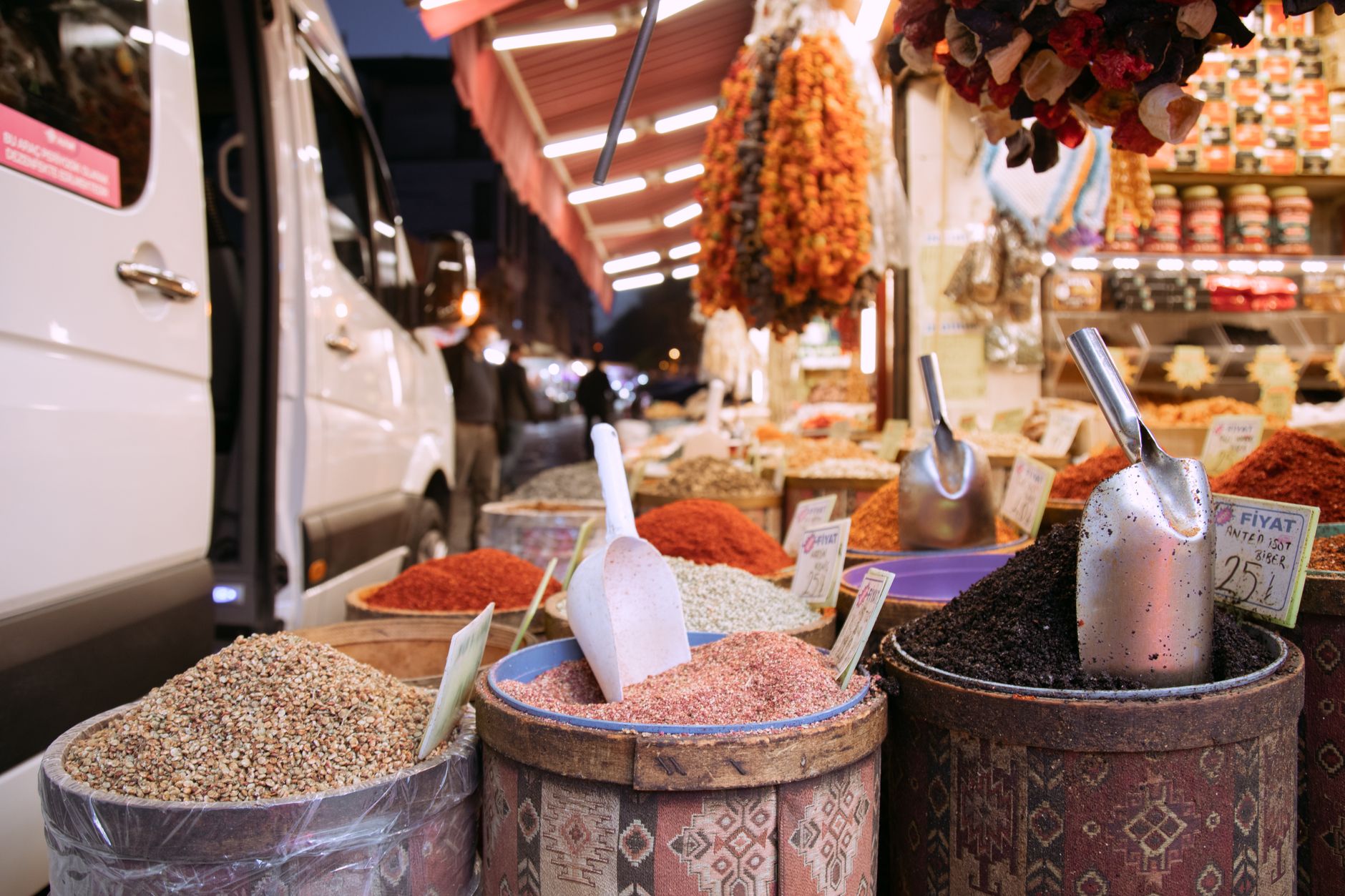
For food: Head to neighborhood pazars like Kadıköy Tuesday, Feriköy Organic Saturday, and Ödemiş Tuesday. These are where locals do their weekly grocery run. You'll find seasonal fruits and vegetables at prices that make you want to cook. Look for regional specialties: Black Sea hazelnuts, Aegean figs, Gaziantep pistachios, and Urfa peppers. Cheese lovers should seek out beyaz peynir (white cheese), kaşar (yellow cheese), and tulum (aged goat cheese). Olive oil, honey, and dried fruits are also excellent buys.
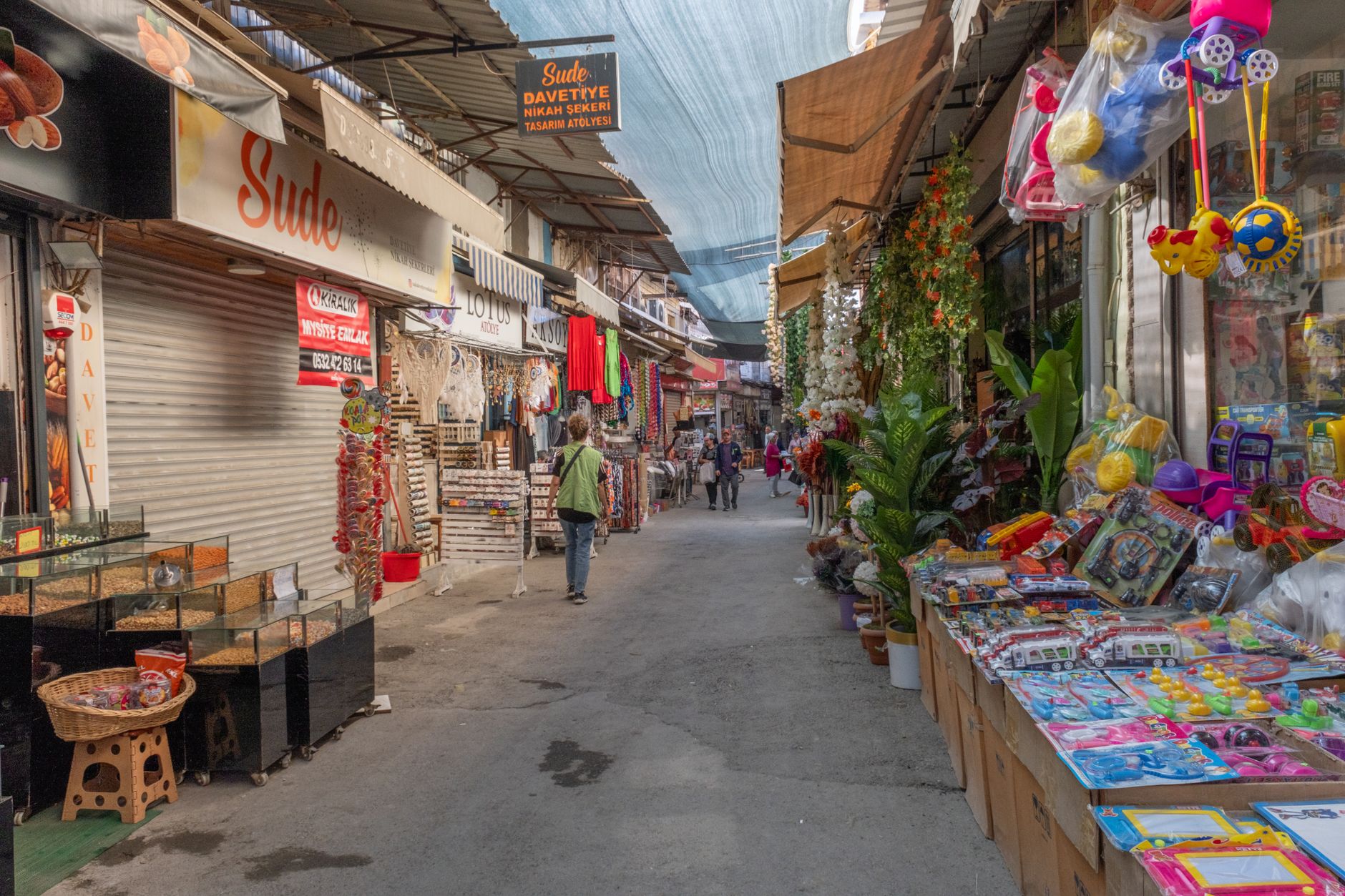
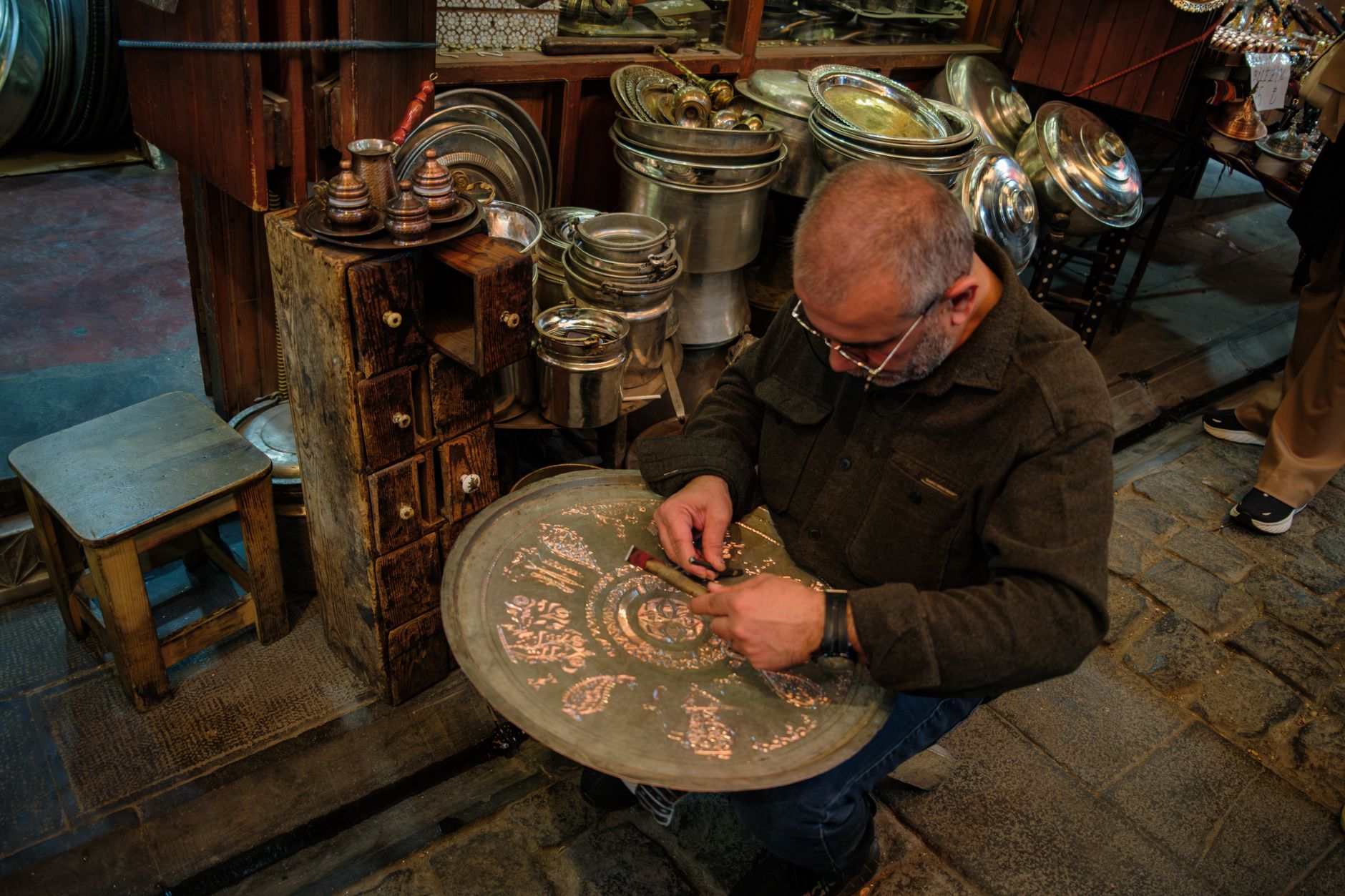
For crafts and textiles: The Grand Bazaar in Istanbul is the classic, but for a more local feel, try the Kadıköy textile market (Tuesdays and Fridays) for scarves, towels, and clothing. In Şanlıurfa, the Tuesday Market is famous for its yazma (headscarves), kilims, and copperware. Gaziantep's Copper Market is a paradise for handmade copper pots and trays. Ödemiş Market is known for its handmade lace, embroidery, and local weavings. For antiques, Horhor in Istanbul and Kemeraltı in Izmir are your best bets.
For spices: Istanbul's Spice Bazaar is iconic, but the Fatih Wednesday Market offers a more authentic, less touristy experience. In Şanlıurfa, the Tuesday Market has stalls piled high with isot (smoked pepper flakes), sumac, and pul biber. In Gaziantep, don't miss the spice section of the Wednesday Market—the aroma alone is worth the trip.
If you're short on time, prioritize: one big food market (Kadıköy Tuesday or Ödemiş Tuesday), one craft market (Şanlıurfa Tuesday or Gaziantep Copper Market), and one organic or specialty market (Feriköy Saturday). That trio gives you a well-rounded pazar education.
Practical Tips: Cash, Timing, and Market Manners
Cash is king. While some vendors accept cards, most small stalls prefer cash. Withdraw Turkish lira before you go, and keep small denominations. ATMs are plentiful in cities, but in smaller towns, bring enough cash for the day.
Timing matters. Markets are busiest early in the morning (8–11 AM) when the freshest produce arrives and vendors are energized. By midday, it gets crowded and hot; by late afternoon (after 4 PM), prices may drop as vendors want to clear stock. If you're a photographer, early morning light is magical.
Wear comfortable shoes—you'll be walking on uneven ground, and some markets sprawl over several streets. Bring a hat, sunscreen, and water. A foldable shopping bag is essential.
Respect local customs. In more conservative areas like Şanlıurfa or Fatih, dress modestly (cover shoulders and knees). Always ask before taking photos of vendors—some are happy, some prefer not. A smile and a "Fotoğraf çekebilir miyim?" (May I take a photo?) works wonders.
Don't over-haggle. Remember that these are people's livelihoods. A fair price benefits both of you. If you're buying multiple items, ask for a toplu indirim (bulk discount). And if a vendor gives you a gift (a few extra apricots, a sprig of parsley), accept it with gratitude—it's a gesture of goodwill.
Learn a few market words: taze (fresh), yerli (local), organik (organic), kilo (kilo), yarım (half). Pointing and smiling also works perfectly.
Regional Highlights: From Istanbul to Şanlıurfa and Ödemiş
Istanbul: Kadıköy Tuesday Market is the crown jewel—a sprawling, sensory overload of produce, cheese, olives, and street food. Arrive hungry and graze on gözleme (stuffed flatbread) and fresh juice. Beşiktaş Saturday Market is smaller but excellent for fish and breakfast. Feriköy Organic Market on Saturdays is a foodie pilgrimage for artisanal products.
Izmir & Ödemiş: Kemeraltı Bazaar in Izmir is a historic maze open daily, but the real gem is Ödemiş Tuesday Market, about 1.5 hours away by car or train. It's one of the largest in the Aegean, with an entire section for handmade goods, local textiles, and the famous Ödemiş köfte. Go early—it starts at dawn and winds down by 3 PM.
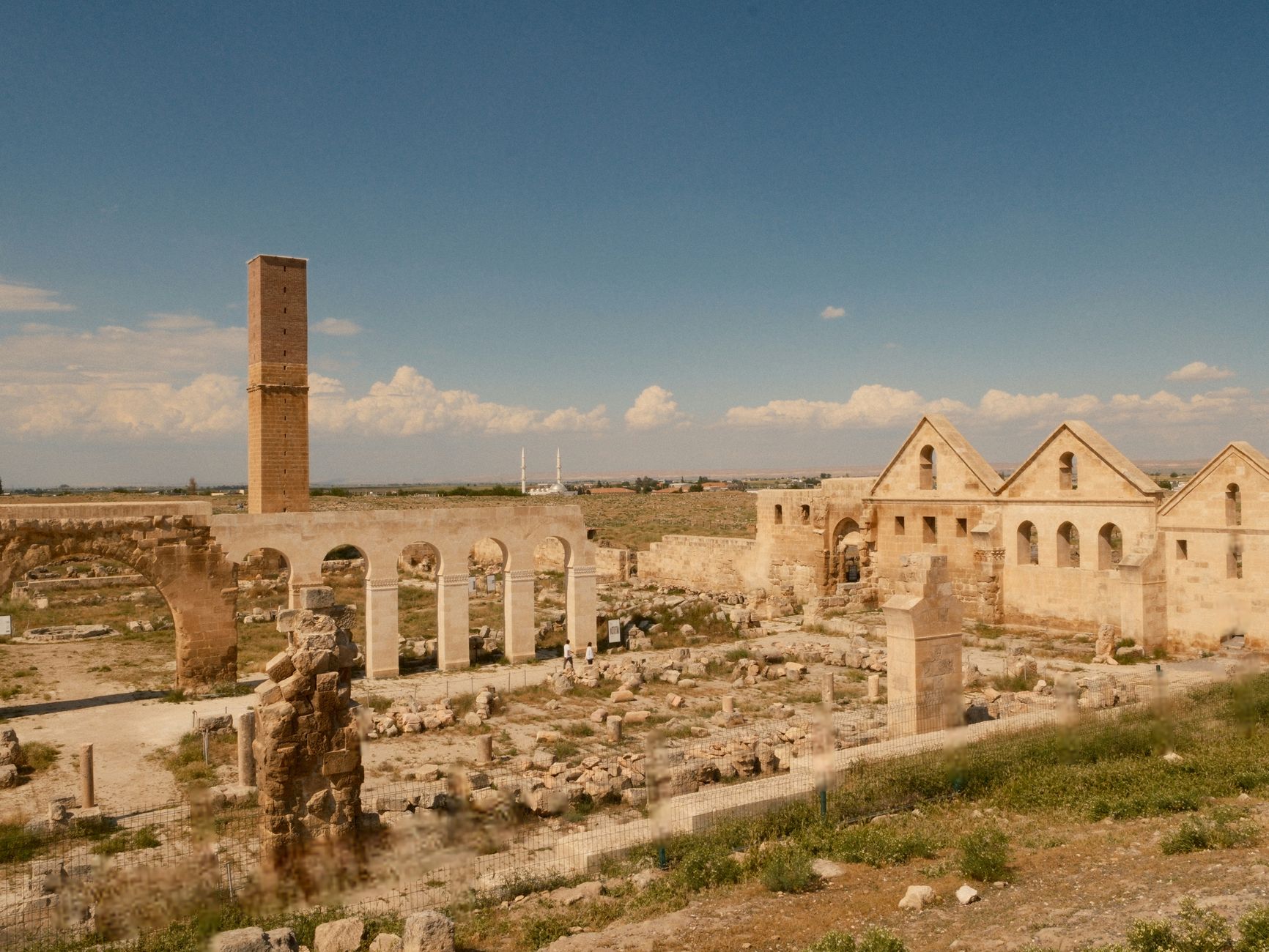
Şanlıurfa: The Tuesday Market (Salı Pazarı) is a cultural immersion. Here you'll find Kurdish and Arabic spoken alongside Turkish, and the goods reflect the region: isot peppers, dried eggplant, hand-woven kilims, and copper coffee pots. The nearby Gümrük Hanı is a historic caravanserai where artisans still work. Don't miss the chance to try çiğ köfte (meatless, in Urfa it's often vegetarian) from a market stall.
Gaziantep: The Copper Market (Bakırcılar Çarşısı) is a must for handmade copperware—trays, pots, and coffee sets. The Wednesday Market in Şahinbey is a food lover's dream: pistachios, dried fruits, and spices at wholesale prices. Gaziantep is also the birthplace of baklava, so pick up a box of fresh antep fıstıklı baklava.
Other notable markets: Bursa's Cumalıkızık Market (Thursday) in a historic Ottoman village; Antalya's Konyaaltı Market (Wednesday) for fresh citrus and seafood; Trabzon's Thursday Market for Black Sea specialties like kuymak (cornmeal and cheese) and hazelnuts. Each has its own flavor, literally and figuratively.
Wherever you go, the pazar will leave you with more than purchases: it will leave you with stories, flavors, and a deeper connection to Türkiye's generous soul. So grab your bag, learn a few words, and dive in. Afiyet olsun!
Thinking about a trip to Turkey?
Share your contact details and a vetted local expert will follow up with a plan built around you — free, no obligation.