

Why the Lycian Way Belongs on Your Bucket List
Stretching roughly 540 kilometres along Turkey's turquoise southwest coast, the Lycian Way (Likya Yolu) is one of the world's great long-distance walks. It threads together pine-clad mountains, hidden coves, and the ruins of an ancient civilisation that gave the trail its name. For first-time trekkers, the route is surprisingly accessible: you can walk it in sections, sleep in village guesthouses and pensions, and eat home-cooked meals every evening.
The trail was waymarked in the late 1990s by British expat Kate Clow and is now maintained by local volunteers and the Culture Routes Society. Red-and-white painted stripes and occasional yellow signs guide you past Lycian rock tombs, Roman aqueducts, and Byzantine churches. The combination of history, scenery, and warm Turkish hospitality makes it one of the most rewarding long-distance walks anywhere.
This guide breaks the Lycian Way into manageable stages, from Fethiye to Antalya, so you can choose a week-long taster or tackle the entire route. Each section includes highlights, difficulty notes, and suggestions for where to stay.
Planning Your Trek: When to Go, Gear and Logistics
Best Months
The ideal hiking seasons are spring (March to May) and autumn (September to November). In spring, the coast is green, wildflowers carpet the maquis, and temperatures range from 15°C to 25°C. Autumn offers warm seas for swimming and cooler walking days. July and August are brutally hot, with little shade on exposed sections; if you must walk then, start before dawn and finish by noon.
Gear Essentials
- Lightweight hiking boots with good grip (limestone can be slippery)
- 30–40 litre backpack with rain cover
- 2–3 litre water capacity (refill at village fountains and springs)
- Sun hat, high-SPF sunscreen, sunglasses
- Quick-dry clothing and a light fleece for chilly evenings
- Headlamp, basic first-aid kit, blister plasters
- Power bank and a Turkish SIM card for maps and emergencies
Many trekkers also carry trekking poles, especially for the steep descents into Butterfly Valley or Kabak. A lightweight sleeping bag liner is useful for guesthouses, and a swimsuit is non-negotiable—there are idyllic beaches almost every day.
Waymarking and Navigation
The route is marked with red and white stripes, usually painted on rocks, trees, and walls. Yellow directional signs appear at junctions. The markings are generally reliable, but storms and roadworks can erase them. Carry a paper guidebook or offline maps (e.g., Maps.me or Gaia GPS) with the Lycian Way GPX track. If you lose the path, look for the next stripe within 50 metres; locals are also happy to point you in the right direction.
Luggage Transfers and Accommodation
One of the joys of the Lycian Way is that you don't need to camp. Pensions, guesthouses, and small hotels dot the route, and many offer luggage transfer services. For a modest fee (around 150–250 TL per bag per stage), your main backpack can be moved ahead while you walk with a daypack. Companies like Lycian Way Bag Transfer and local guesthouses can arrange this, often with a day's notice. Booking ahead in high season is wise, especially in popular spots like Kabak and Adrasan.
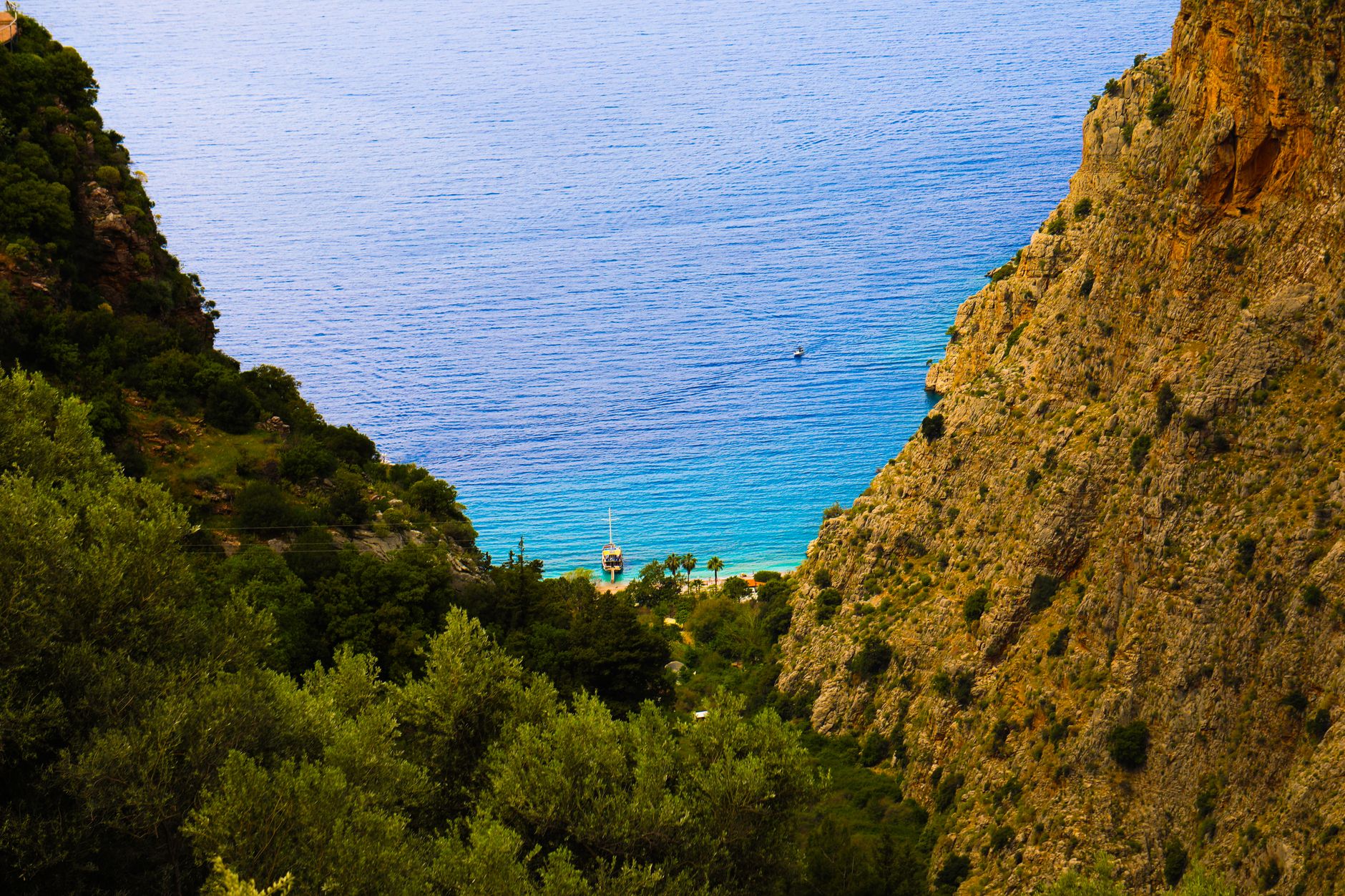
Section 1: Fethiye to Faralya (Ölüdeniz and Butterfly Valley)
The classic starting point is Fethiye, a lively harbour town with excellent bus connections. From here, a dolmuş (minibus) takes you to Ölüdeniz, where the trail begins in earnest. The first day climbs steadily along the coast, offering sweeping views of the Blue Lagoon and the distant Babadağ mountain. The path is rocky and exposed, so start early.
After about four to five hours, you descend into Faralya, a village perched above the dramatic Butterfly Valley (Kelebekler Vadisi). Guesthouses here, such as the long-established George House, offer pool views over the gorge and home-cooked dinners. Many hikers take a rest day to scramble down to the valley's beach or take a boat trip.
Highlight: The vertiginous viewpoint over Butterfly Valley, a 350-metre drop to a pristine cove. Difficulty: Moderate, with some steep sections. Accommodation: Faralya pansiyons and boutique guesthouses.
Section 2: Faralya to Kabak and Alınca
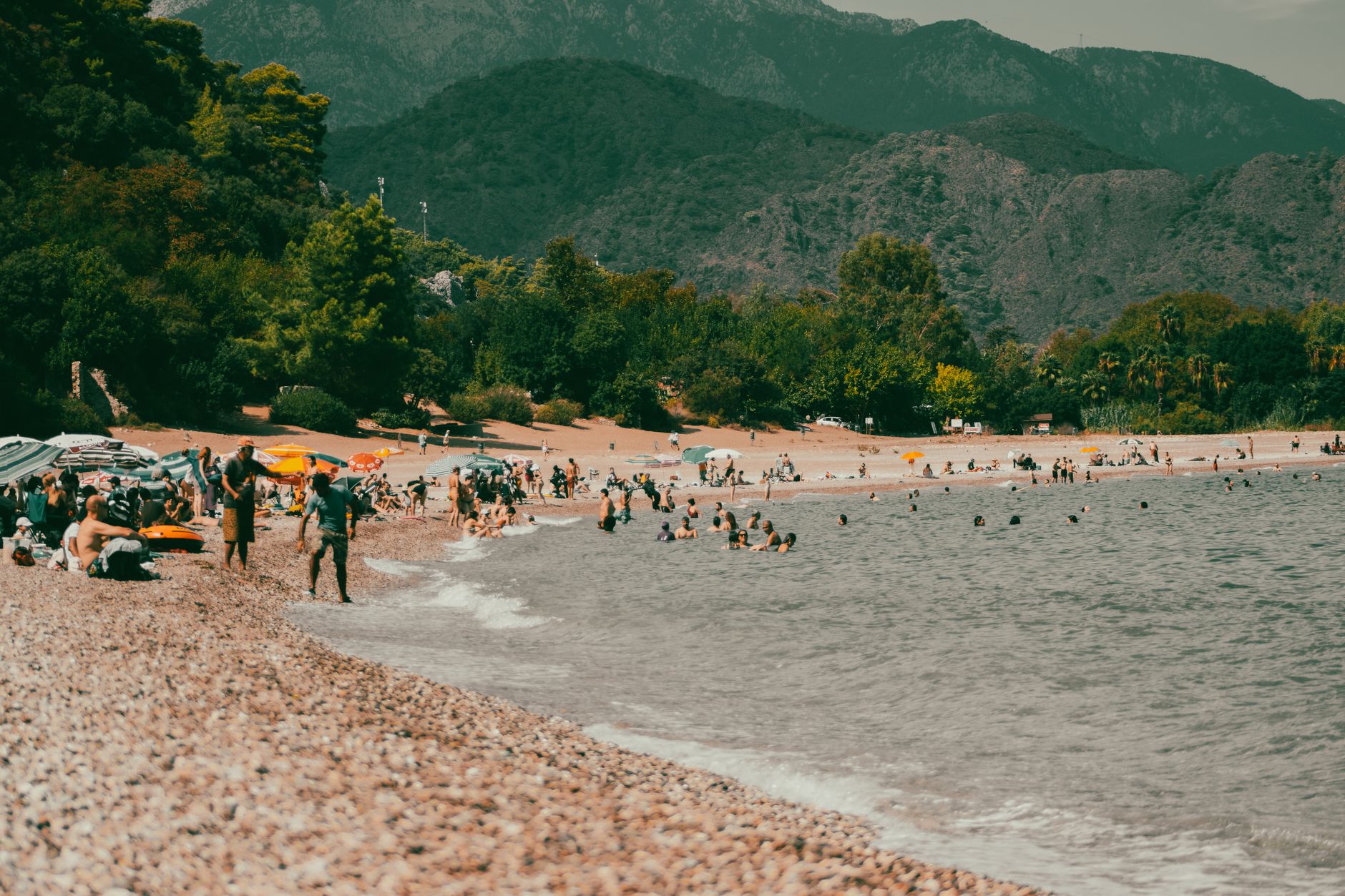
From Faralya, the trail continues along the cliffs to Kabak, a bohemian beach village beloved by backpackers. The walk takes three to four hours through pine forest and scrub, with frequent glimpses of the sea. Kabak itself is a gem: a long pebble beach backed by steep mountains, with simple bungalows and yoga camps.
The next stage climbs inland to Alınca, a traditional village known for its honey and friendly teahouses. This section is tougher, gaining around 600 metres, but the reward is panoramic views of the Seven Capes (Yedi Burunlar). Overnight in Alınca at a family-run pension and enjoy a breakfast of village cheese, olives, and fresh bread.
Highlight: Sunset over Kabak beach and the hospitality of Alınca's villagers. Difficulty: Moderate to challenging. Accommodation: Kabak bungalows, Alınca guesthouses.
Section 3: Alınca to Xanthos and Patara
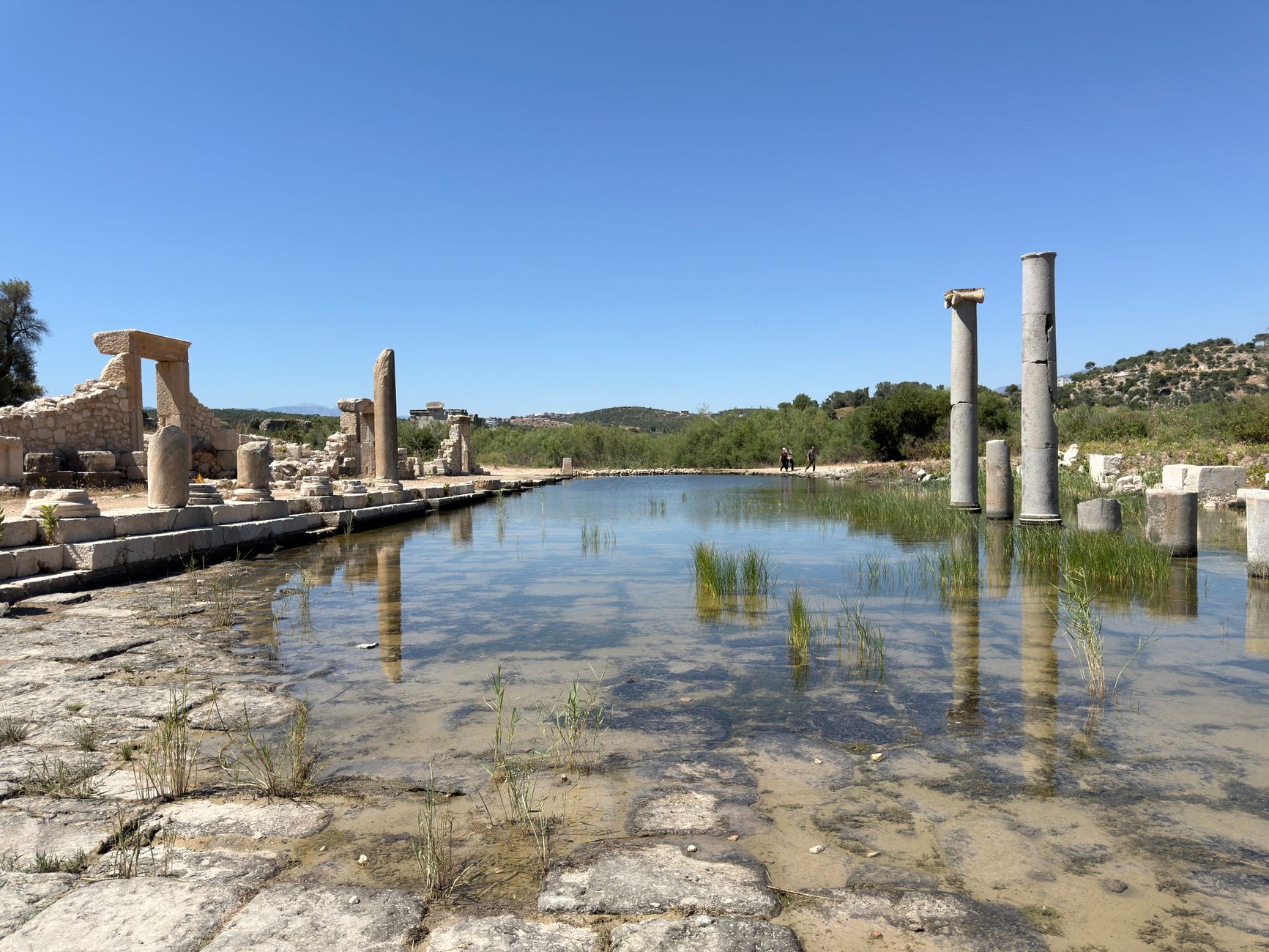
Leaving Alınca, the route descends towards the Xanthos Valley, passing through the ghost village of Kınık and the ancient Lycian capital of Xanthos. The archaeological site is a UNESCO World Heritage Site, with impressive tombs, an acropolis, and a Roman theatre. Allow a couple of hours to explore.
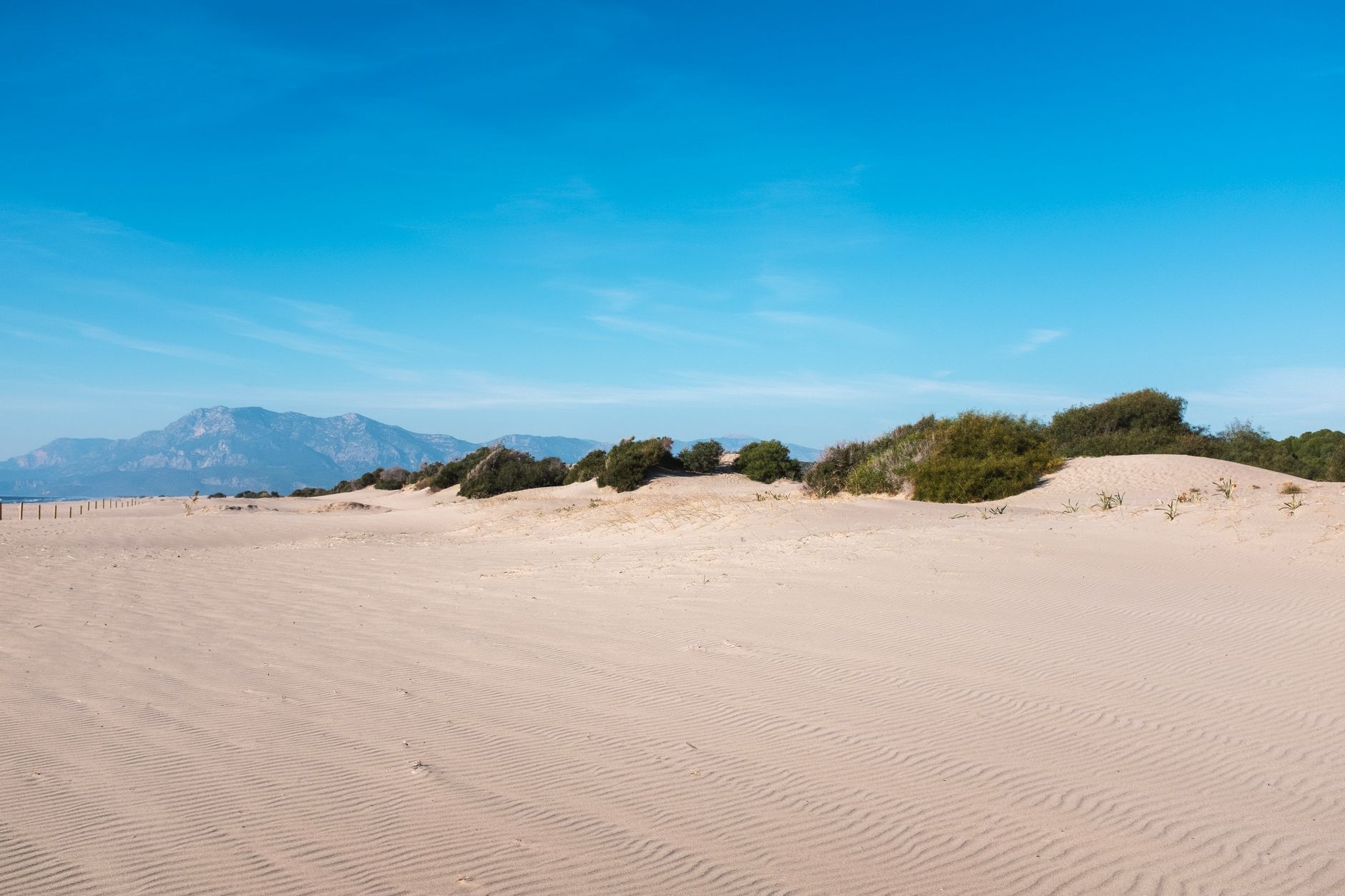
From Xanthos, it's a flat, sometimes dusty walk to Patara, home to one of Turkey's longest sandy beaches and another major ancient city. The ruins of Patara include a parliament building, a lighthouse, and a triumphal arch. Stay in the nearby village of Gelemiş, where pansiyons cater to trekkers and turtle-watchers (the beach is a loggerhead turtle nesting site).
Highlight: Walking through Lycian, Roman, and Byzantine history in a single day. Difficulty: Easy to moderate. Accommodation: Gelemiş pansiyons.
Section 4: Patara to Kalkan and Kaş
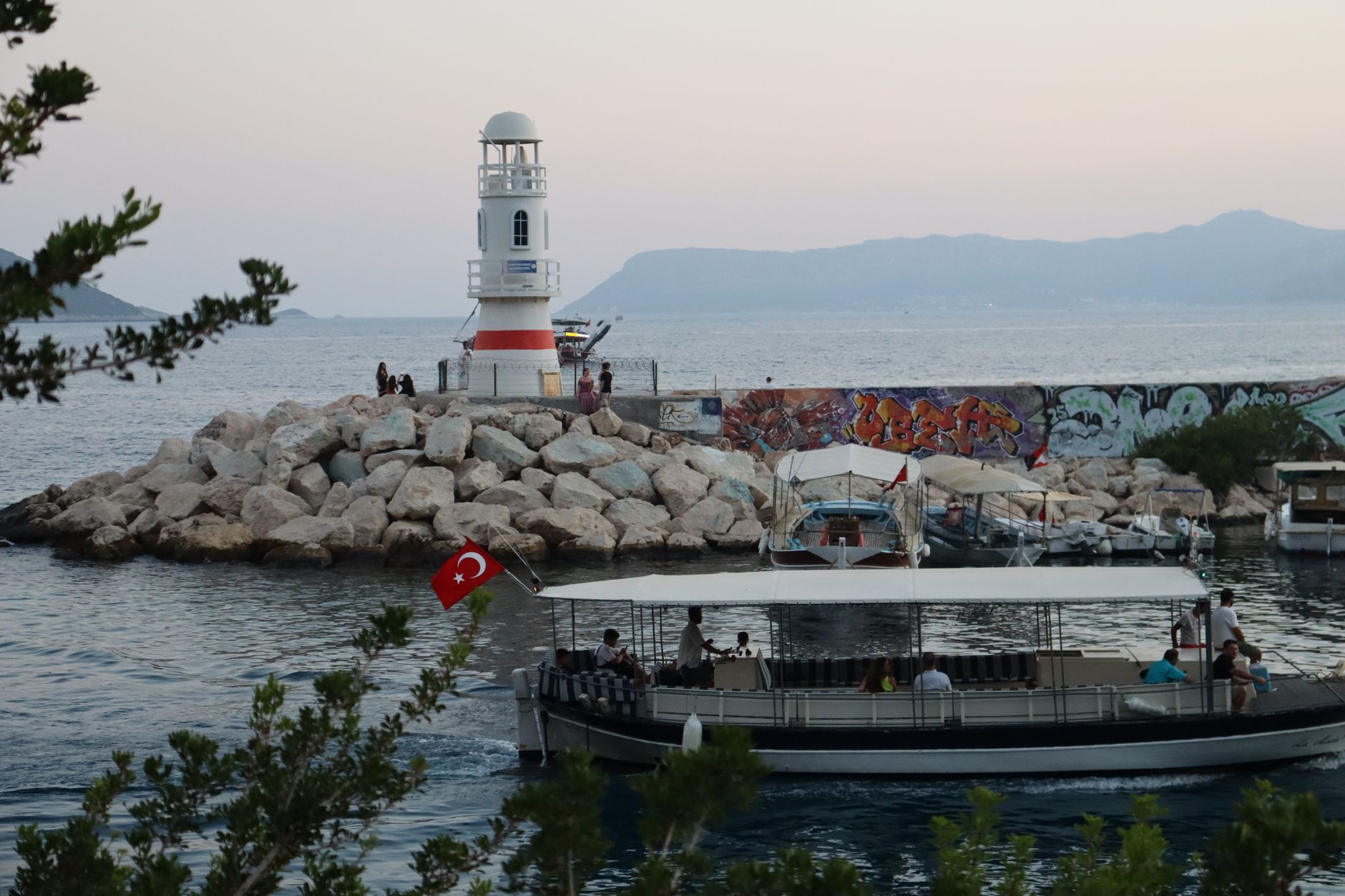
The trail now follows the coast towards Kalkan, a pretty harbour town with whitewashed houses and excellent seafood. The walking is gentle, passing through olive groves and small coves. From Kalkan, you can either continue on foot or take a dolmuş to Kaş, a vibrant diving and sailing hub.
The section from Kalkan to Kaş is one of the most scenic, with the path hugging the cliffs above turquoise bays. It's about 25 kilometres and can be split into two days, with an overnight in the village of Sarıbelen or Gökçeören. In Kaş, don't miss the ancient amphitheatre and the chance to swim in clear waters.
Highlight: The coastal views between Kalkan and Kaş, often compared to the Amalfi Coast. Difficulty: Moderate. Accommodation: Kalkan hotels, Kaş guesthouses.
Section 5: Kaş to Adrasan and Olympos
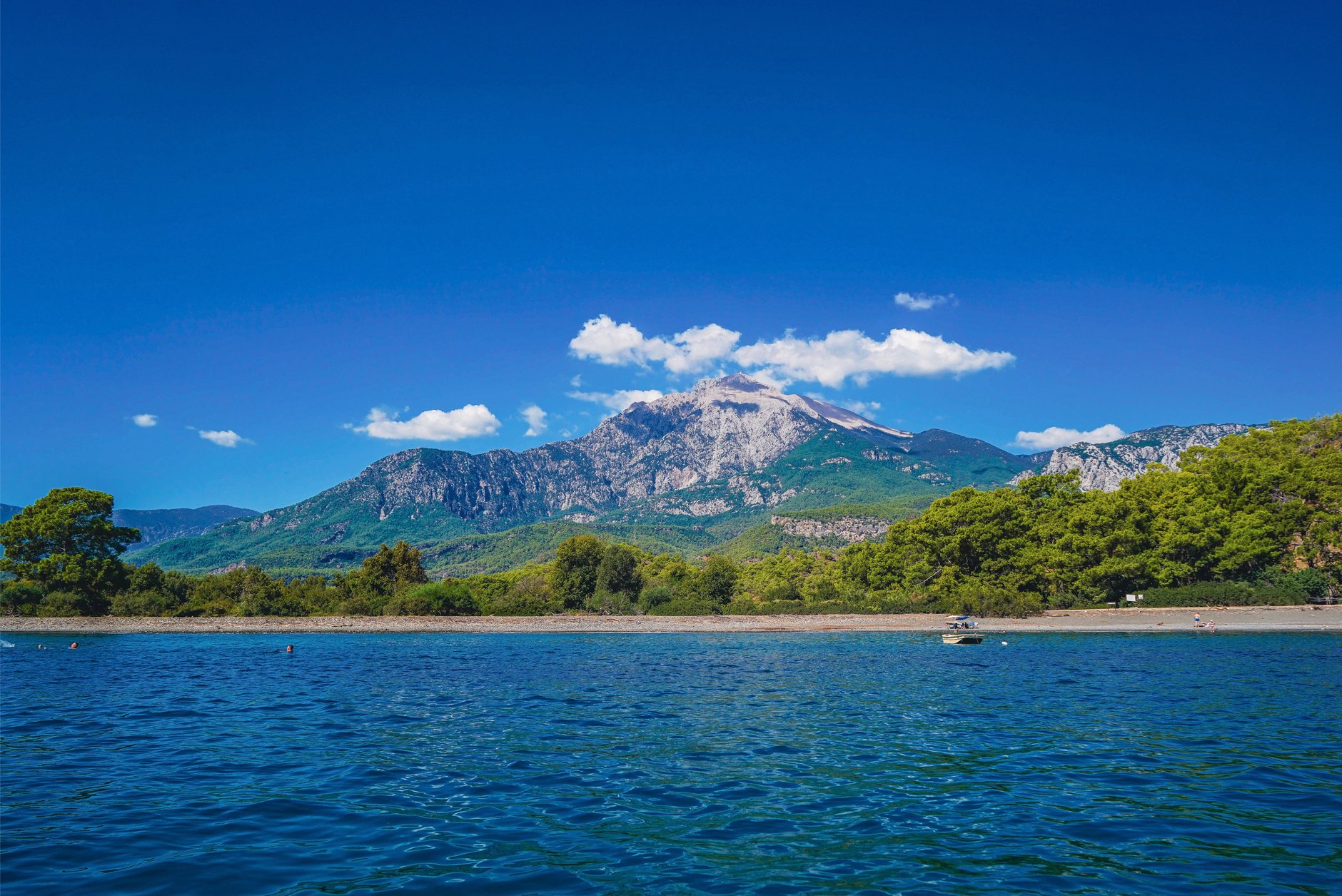
From Kaş, the Lycian Way heads inland towards the mountainous region of Adrasan and Olympos. This is a wilder, more remote stretch, with fewer villages and longer days. The trail passes through cedar forests and over high passes, offering solitude and stunning vistas.
Adrasan is a laid-back beach village with a long crescent bay, perfect for a rest day. From here, the trail continues to Olympos, an ancient city reclaimed by nature, with crumbling temples and a permanent gas fire (the Chimaera) burning on the hillside. Stay in treehouses or bungalows along the Olympos river.
Highlight: The eternal flames of the Chimaera and the ruins of Olympos. Difficulty: Challenging, with significant elevation gain. Accommodation: Adrasan pensions, Olympos treehouses.
Section 6: Olympos to Antalya (The Final Stretch)
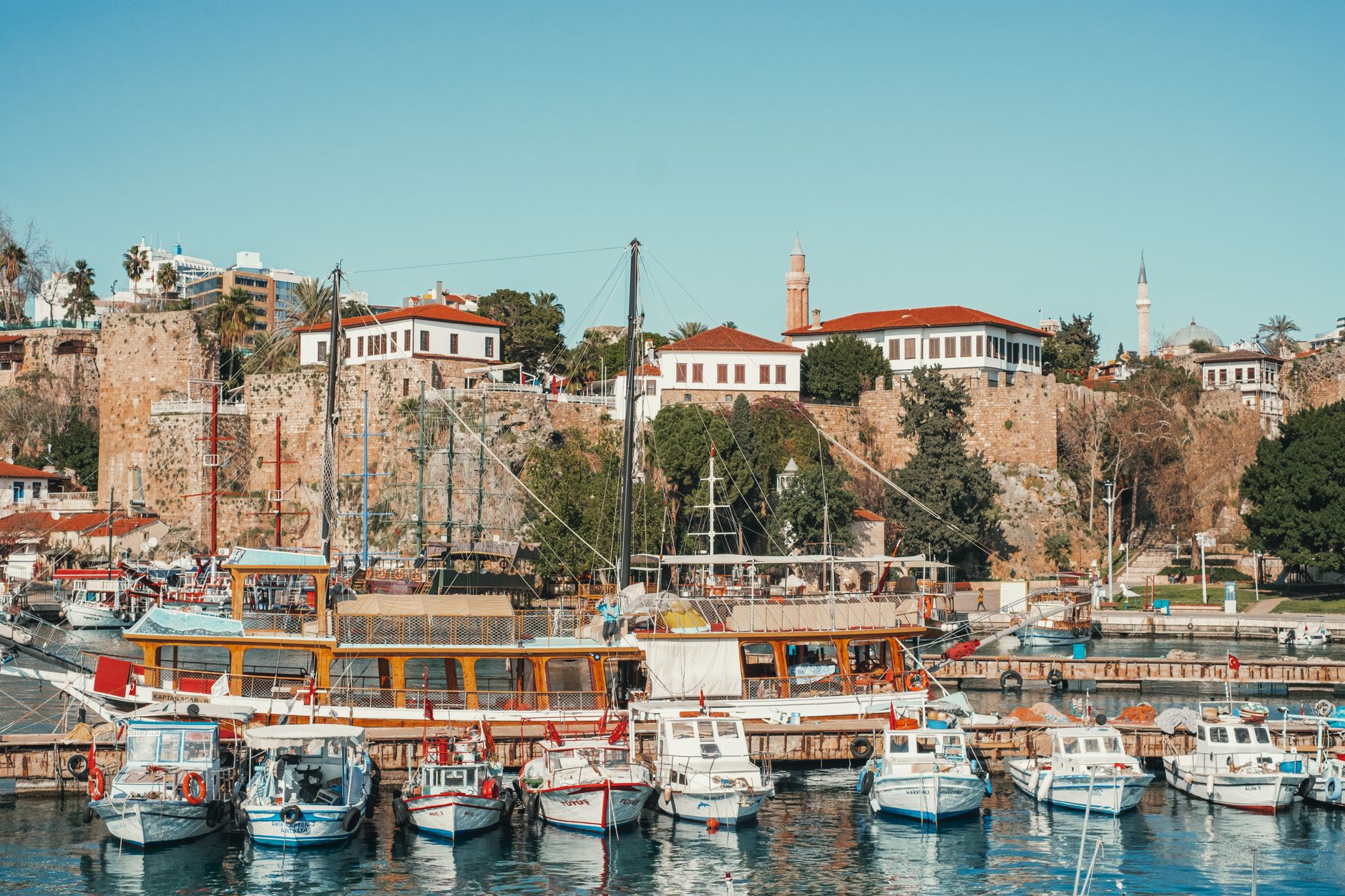
The last major section takes you from Olympos to the bustling city of Antalya. The trail climbs to the ancient site of Phaselis, a seaside city with three harbours, before entering the Olympos Beydağları National Park. The final descent into Antalya passes through the dramatic Göynük Canyon and the bustling district of Konyaaltı.
Many trekkers finish at the Antalya Museum, which houses an outstanding collection of Lycian artifacts. From Antalya, you can fly or take a bus home, or continue along the coast to Side and Alanya.
Highlight: Reaching the Mediterranean metropolis after 500+ kilometres of walking. Difficulty: Moderate to challenging. Accommodation: Antalya hotels in the old town (Kaleiçi).
Practical Tips for First-Time Trekkers
- Water: Carry at least 2 litres; refill at village fountains and springs. In remote sections, buy extra from small shops.
- Cash: Many guesthouses and small businesses prefer cash (Turkish lira). ATMs are available in larger towns.
- Language: A few words of Turkish (merhaba, teşekkürler) go a long way. English is common in tourist areas but less so in villages.
- Health: Sunburn and dehydration are the main risks. Watch for ticks in spring and summer; wear long trousers on overgrown sections.
- Safety: The trail is generally safe, but solo hikers should share their plans. In an emergency, dial 112.
- Respect: Many sections cross private land. Stick to the path, close gates, and ask before photographing people.
Finally, embrace the slow pace. The Lycian Way is not a race; it's a journey through landscapes and cultures that have inspired travellers for millennia. Whether you walk for a week or a month, the kindness of Turkish villagers and the beauty of the coast will stay with you long after you return home.
Thinking about a trip to Turkey?
Share your contact details and a vetted local expert will follow up with a plan built around you — free, no obligation.