

Why Türkiye's High Country Beats the Beach in July and August
Every summer, millions of travelers make a beeline for Türkiye's Aegean and Mediterranean coasts, where 40°C afternoons, packed pebble beaches and traffic along the D400 have become a seasonal ritual. Yet three hours inland, often at 1,700 to 3,000 meters above sea level, lies a parallel Türkiye that most visitors never see: a world of glacier-fed lakes, limestone cirques, nomad pastures and wildflower meadows that stay green and breezy while the coast swelters.
This is the Türkiye of the Taurus, the Pontic Alps and the volcanoes of the east — a country whose average elevation is over 1,100 meters, making it one of the most mountainous nations in Europe and Western Asia. From the immense soda waters of Lake Van to the tiny, reed-fringed Sülüklü Göl hidden in a pine forest north of Ankara, and from the Kaçkar Mountains' cloud-scraping cirques to the crater lakes of Nemrut and Karagöl, these are summer escapes that trade sunburn for sweater weather and crowds for shepherds.
What follows is a practical guide to Türkiye's finest alpine lakes and meadows: how to reach them, when to go, where to sleep, and how to enjoy them safely. The rewards — mirror-still water at dawn, meadows of endemic orchids, tea poured beside a nomad tent — are among the most underrated travel experiences in the Mediterranean basin.
Lake Van and the Eastern Highlands: Türkiye's Inland Sea
Lake Van is the largest lake in Türkiye and one of the largest soda lakes on Earth, a 3,713-square-kilometer expanse of alkaline water sitting at 1,646 meters in the far east. Its chemistry makes it hostile to most fish but hospitable to the endemic Van pearl mullet, which each spring swims upstream to spawn in a spectacle celebrated along the lake's rivers. In summer, the water remains cool and remarkably clear, and the surrounding volcanic landscape — dominated by the dormant Süphan and Nemrut volcanoes — offers riding, hiking and swimming in equal measure.
The lake's history is as deep as its water. On Akdamar Island, the 10th-century Church of the Holy Cross, restored and now a museum, glows in pink and ochre tuff against the blue water, reached by a short boat ride from the village of Gevaş. Inland, the walled old city of Van, the Urartian fortress of Van Kalesi, and the ruined Armenian capital of Ani near the Armenian border make the region a cultural as well as a scenic destination.
Getting there is straightforward: Van Ferit Melen Airport receives daily flights from Istanbul and Ankara, and the Van Gölü Express train from Ankara offers a slow, scenic overnight ride. Once in Van, renting a car is the best way to explore the shoreline, the island, and the high passes toward Muradiye and the Muş valley. Summer days are warm but rarely hot, and evenings at 1,700 meters require a light jacket.
The Kaçkar Mountains: Alpine Cirques Above the Black Sea
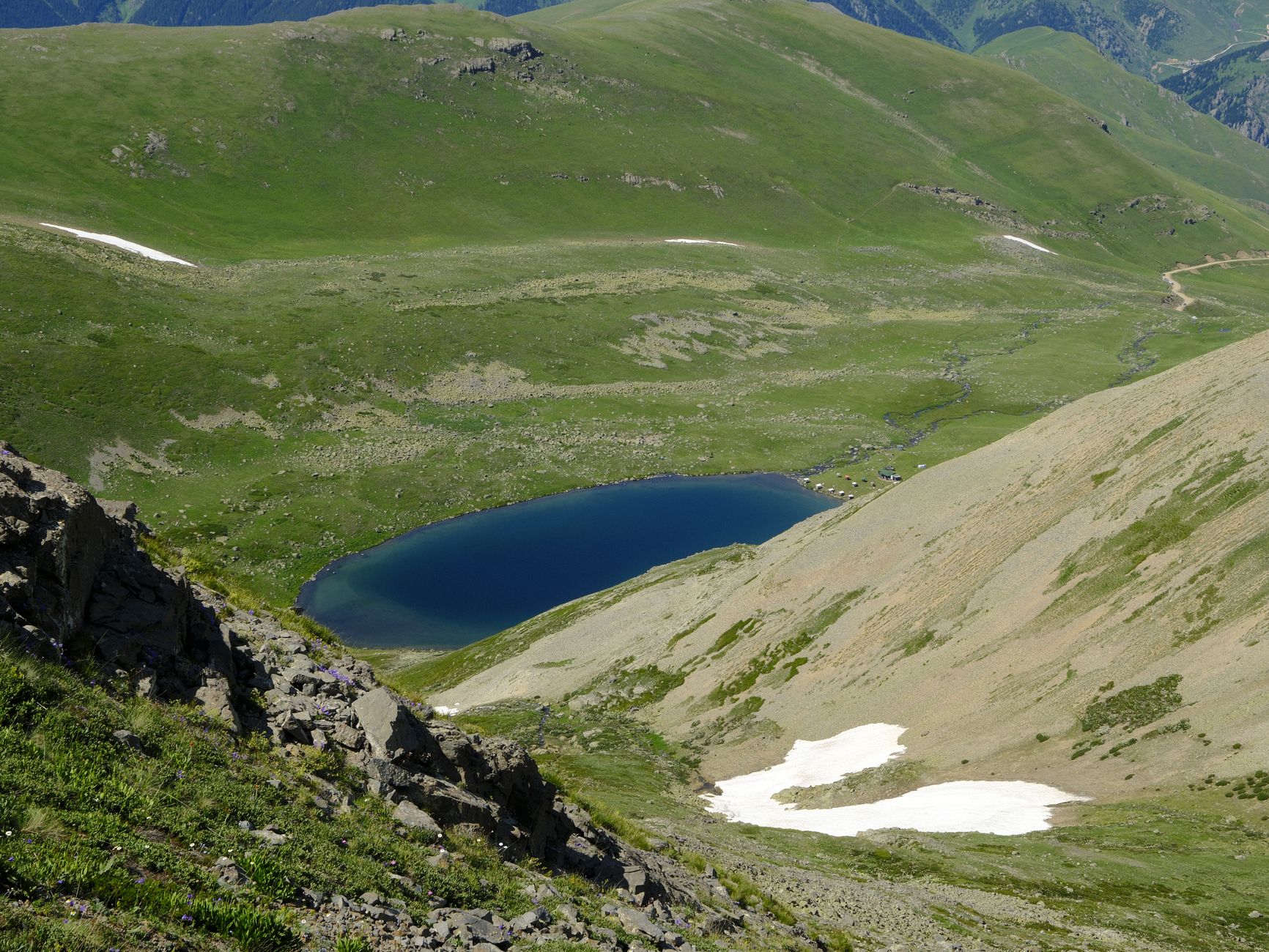
The Kaçkar range, part of the Pontic Alps in northeastern Türkiye, is the country's premier alpine playground. Its highest peak, Kaçkar Dağı, rises to 3,937 meters, and its slopes are dotted with glacial lakes — Deniz Gölü, Büyük and Küçük Yayla lakes among them — set in bowls of granite and schist that hold snow into July. The range's north face receives heavy precipitation from the Black Sea, feeding lush meadows of the famous Kaçkar yayla, high summer pastures where families still move with their livestock in a centuries-old transhumance.
The classic approach is from the village of Ayder, a resort known for its hot springs and wooden hotels, from which trails lead up to the yaylas of Kavrun, Pokut and Sal, and onward to the lakes. The more committed can traverse from Ayder to the Barhal valley over the shoulder of Kaçkar Dağı in four to six days, sleeping in shepherd huts or camping beside the lakes. The town of Yusufeli, the region's rafting hub, and the Black Sea port of Rize are the main gateways; Erzurum and Trabzon airports are both within a half-day's drive.
Because of its wet climate, the Kaçkar is green in a way that the Anatolian plateau is not: rhododendron thickets, waterfalls, and meadows of geranium, campion and buttercup. But the same moisture brings sudden fog and rain, so waterproof layers, a map and compass, and a flexible itinerary are essential.
The Taurus Lakes: Karagöl, Nemrut Crater and the Lakes of the Bolkar
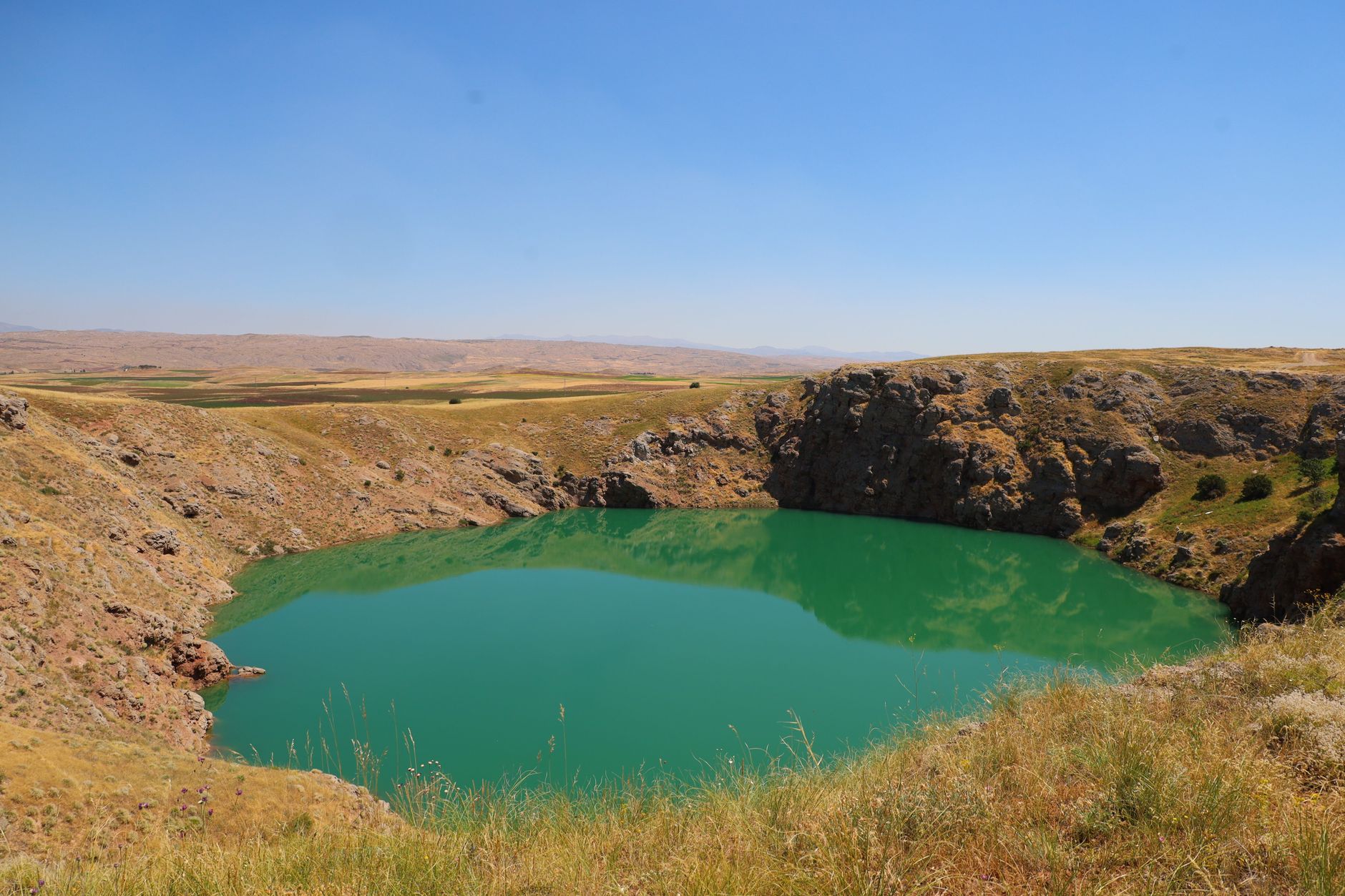
South of the Anatolian plateau, the Taurus Mountains hide a string of alpine lakes that are far less visited than the Kaçkar but no less beautiful. In the Bolkar range, the glacial lakes of Karagöl — one near Mersin's Çamlıyayla, another in the Aladağlar — sit in rocky basins at 2,500 to 3,000 meters, reached by marked trails from the high plateau. The Aladağlar National Park, a favorite of Turkish climbers, contains several such lakes, including the emerald Yedi Göller (Seven Lakes) below Mount Demirkazık.
Further east, near the town of Tatvan on Lake Van, the dormant Nemrut volcano holds one of the world's largest crater lakes, a 4.5-kilometer-wide caldera with a smaller second lake inside it. The rim reaches 2,935 meters; a road climbs to the caldera edge, from which the panorama over Lake Van and the surrounding volcanic cones is one of the most impressive in Türkiye. Because of its altitude, even August mornings can be near freezing, and the road may be blocked by snow until late June.
Access to these Taurus lakes usually involves a drive to a trailhead followed by a hike of two to five hours; a 4x4 is useful for the roughest forest roads, but most are navigable by ordinary car in dry summer weather. There are few formal campsites, so wild camping is common — pack out everything and avoid lighting fires in the tinder-dry pine forests.
Sülüklü Göl and the Western Forests: A Gentle Introduction
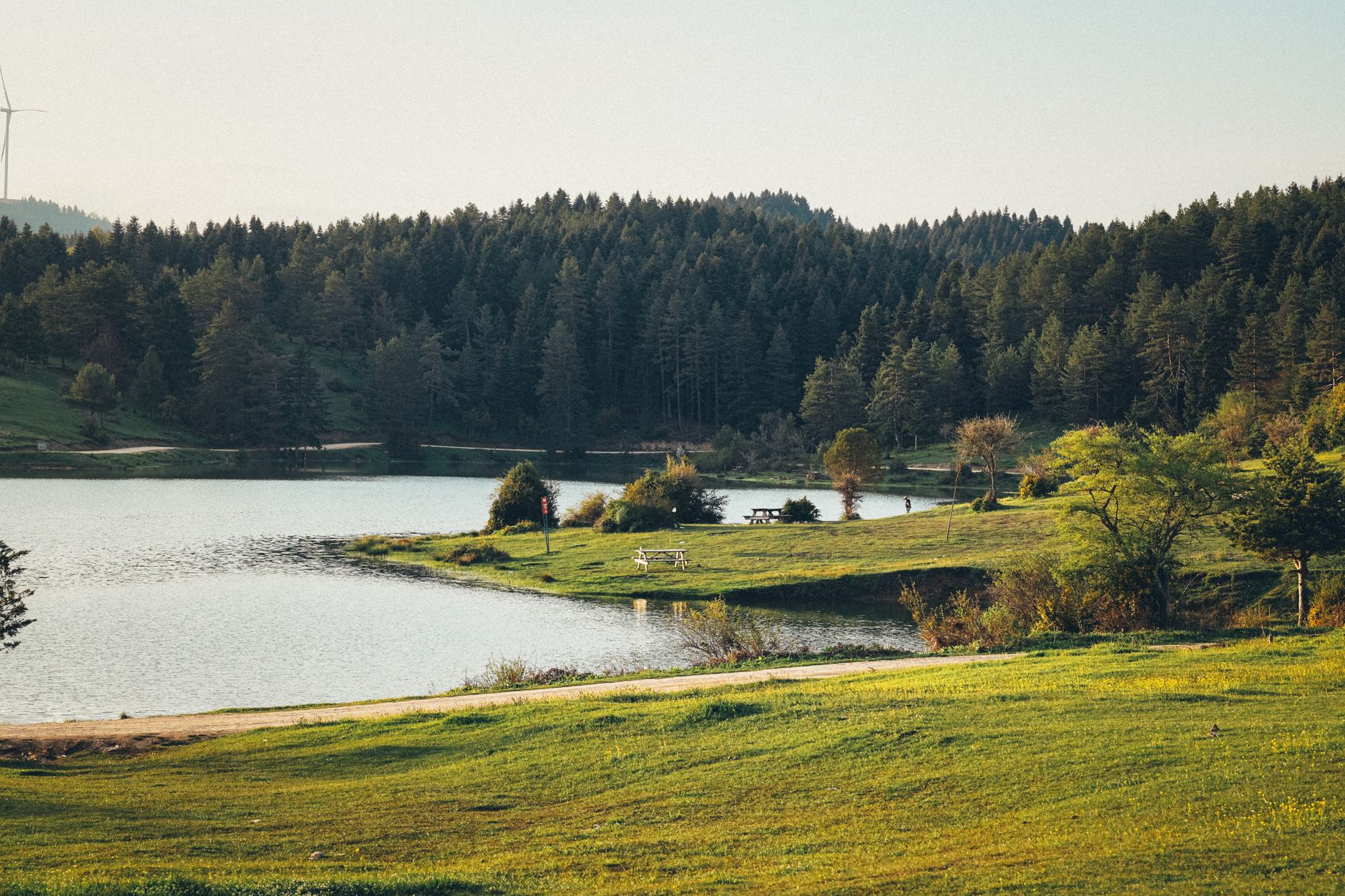
Not every alpine lake in Türkiye requires a mountaineering expedition. Sülüklü Göl, in the forests of the Kızılcahamam district north of Ankara, is a small landslide lake set among pines at around 1,400 meters, reachable by a pleasant 30- to 45-minute walk from a forest road. Its name — "lake of leeches" — is a reminder of its marshy edges, but the setting is idyllic: dark water, reeds, picnic clearings and a soundtrack of woodpeckers and cuckoos. It is a perfect first taste of Türkiye's mountain lakes for families and day-trippers from the capital.
Further west, the lakes of the Uludağ massif above Bursa, and the glacial cirque lakes of the Kazdağı (Mount Ida) near the Aegean, offer easier half-day hikes with big views. Uludağ, reachable by cable car from Bursa, has meadows and small lakes such as Karagöl and Kilimli, and its cool air made it a summer retreat long before it became a ski resort. Kazdağı, steeped in myth as the setting of the Trojan War's divine audience, hides springs and meadows at 1,500 meters.
These western lakes are best visited from May to October; spring brings wildflowers and waterfalls, while autumn offers clear, crisp days and turning leaves. Because they are close to major cities, they are busier on weekends — go midweek for solitude.
Practical Advice: Roads, Altitude, Camping and Guesthouses
Getting there and getting around: Türkiye's road network is extensive, but mountain roads can be narrow, unpaved and occasionally washed out. A rental car with good ground clearance is ideal for the Kaçkar and Taurus; for Lake Van and Nemrut, ordinary cars suffice on the main routes. Dolmuş (shared minibus) services connect most towns and villages, but reaching trailheads often requires a taxi or a pre-arranged transfer. Carry a paper map or offline maps, as cell coverage fades in the high valleys.
Altitude: Many of these lakes sit above 2,000 meters, where oxygen is thinner and weather changes fast. Ascend gradually, drink more water than usual, and avoid alcohol on your first night. Symptoms of acute mountain sickness — headache, nausea, breathlessness — usually resolve with rest or descent; do not push higher if they worsen. Even in August, bring a warm hat, gloves and a windproof shell: a sunny 22°C afternoon can become 5°C and foggy within an hour.
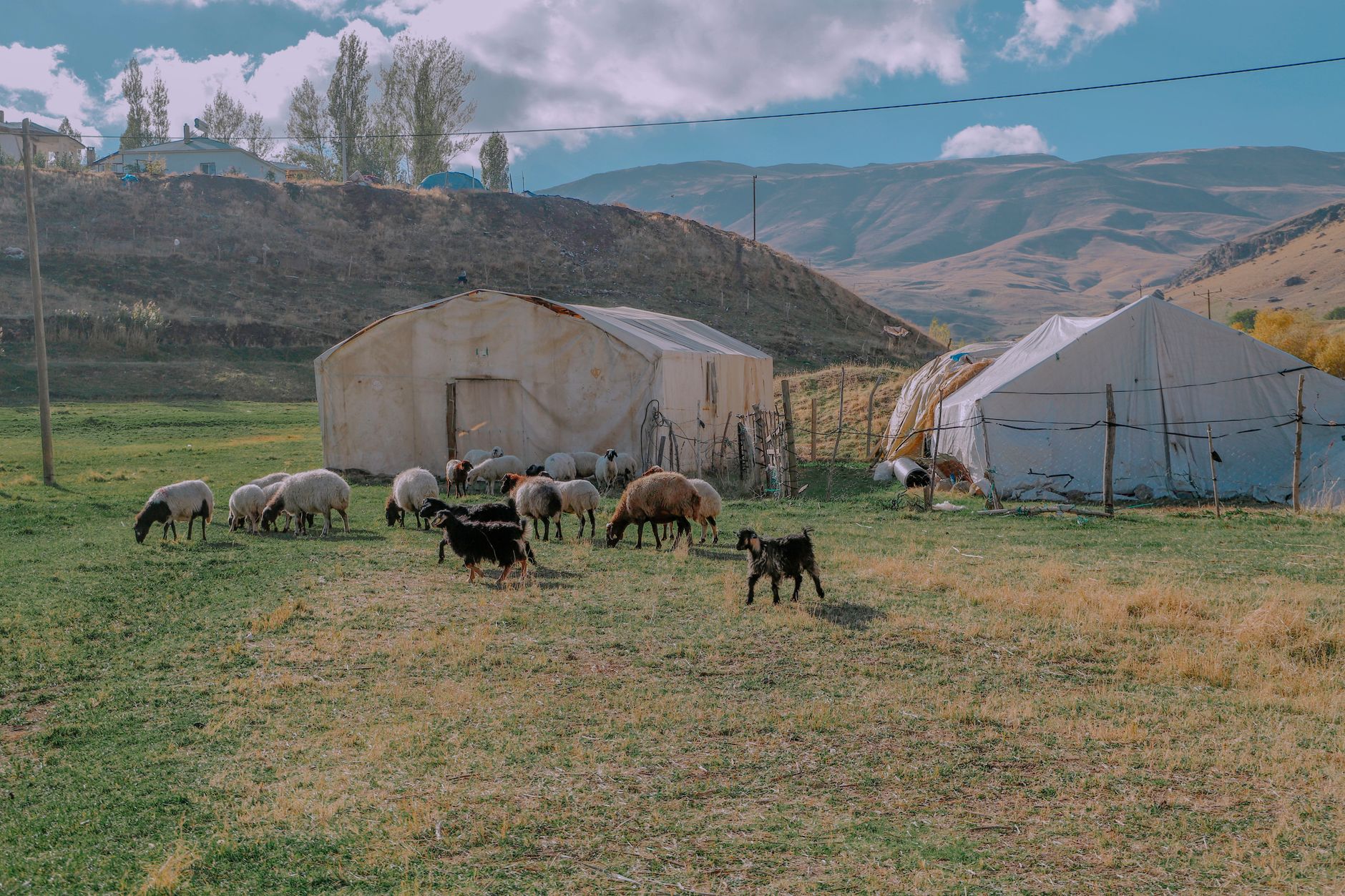
Sleeping: Options range from comfortable to rustic. On Lake Van, hotels and guesthouses in Van and Tatvan offer the easiest base. In the Kaçkar, family-run guesthouses in Ayder, Çamlıhemşin and the yaylas provide beds, meals and local guidance; some yayla houses rent simple rooms with shared baths. Camping is permitted in many national parks and on yayla common land, but always ask the muhtar (village headman) or a shepherd before pitching a tent, and never camp in a dry riverbed or on a snow bridge.
Best months: The window is short and sweet. For Lake Van and the eastern highlands, June through September is ideal, with July and August the warmest and most reliable. The Kaçkar is best from late June to early September; snow can linger on passes into July. The Taurus lakes are usually accessible from June to October, though afternoon thunderstorms are common in July and August — hike early and be off exposed ridges by midday.
Safety, Etiquette and the Case for Going Higher
Mountain travel in Türkiye is generally safe, but it demands respect. Tell someone your route and expected return time; register with the local jandarma (gendarmerie) in remote areas if you plan a multi-day trek. Watch for sudden thunderstorms, loose scree, and river crossings that rise quickly after rain. In the Kaçkar and eastern mountains, bears and wolves exist but rarely bother people; keep food out of your tent and make noise on trails. Tick bites are a minor concern in forested areas — check yourself after hikes.
Etiquette matters in yayla country. Nomad families are famously hospitable: accept tea if it is offered, remove shoes when entering a tent or home, and ask before photographing people. Do not disturb livestock or close gates carelessly, and pack out all rubbish — including organic waste, which takes years to decompose at altitude.
The final argument for Türkiye's mountain lakes is simple: they offer a version of the country that feels undiscovered even in high season. While the coast fills with sunbeds, the meadows around Lake Van, Sülüklü Göl and the Kaçkar remain quiet, cool and overwhelmingly beautiful — a reminder that Türkiye's greatest summer escape may be upward, not outward.
Thinking about a trip to Turkey?
Share your contact details and a vetted local expert will follow up with a plan built around you — free, no obligation.