

The Golden Nectar of Türkiye's Pine Forests
In the misty highlands of Muğla and the Taurus Mountains, a unique alchemy takes place each autumn. As the summer heat fades, pine trees secrete a sugary sap to protect their needles from the coming cold. Bees, lured by this sweet resin, transform it into one of the world's most prized honeys: çam balı, or Turkish pine honey. Unlike floral honeys, which come from flower nectar, pine honey is a honeydew honey—dark, malty, and rich in minerals. It represents nearly 80% of Türkiye's honey exports, yet remains a well-kept secret among international food lovers.
This journey takes you through the fragrant forests of the southwest, where beekeeping families have tended their hives for generations. You'll learn why the combination of Mediterranean climate, pine forests, and the tiny scale insect Marchalina hellenica creates a honey so distinct that it has earned a geographical indication. From the bustling port of Bodrum to the serene villages of Marmaris and the Taurus highlands, we'll explore apiaries, taste honey straight from the comb, and discover the art of forest foraging.
Understanding Pine Honey: A Honeydew Story
Pine honey is not made from flowers. Instead, the bees collect honeydew—a sugary liquid excreted by the scale insect Marchalina hellenica, which feeds on the sap of Turkish red pine (Pinus brutia). These insects are found only in the eastern Mediterranean, with Türkiye's Muğla region hosting the largest population. The result is a honey with a deep amber color, a robust, almost caramel-like flavor, and a lower glucose content that keeps it liquid for longer.
Because it is rich in antioxidants and minerals like potassium, magnesium, and iron, pine honey is often used in Turkish households as a natural remedy for coughs and digestive issues. Its unique taste—slightly woody, with notes of malt and dried fruit—makes it a favorite for pairing with cheese, yogurt, and even savory dishes.
“Pine honey is the soul of our forests,” says Hasan, a third-generation beekeeper in Marmaris. “When you taste it, you taste the trees, the insects, the sun, and the first rains of autumn.”
Muğla: The Heart of Pine Honey Production
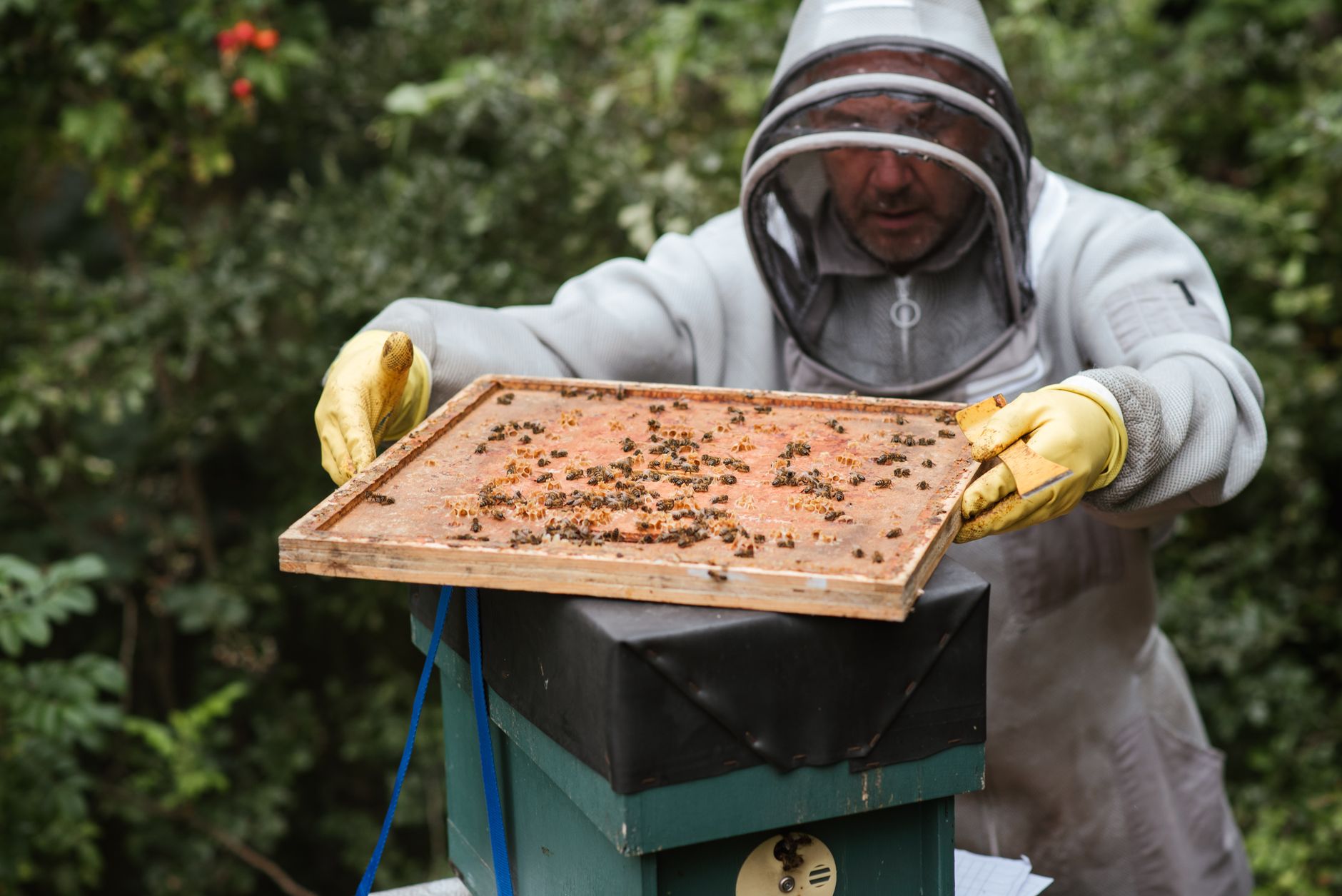
Muğla Province, with its miles of pine-covered mountains and Aegean coastline, produces about 70% of Türkiye's pine honey. The towns of Marmaris, Köyceğiz, Dalaman, and Fethiye are particularly famous. Here, beekeepers practice transhumance—moving their hives to follow the honeydew flow. In spring, hives are placed near flowering shrubs; by late summer, they are moved deep into pine forests for the main harvest.
Visiting Muğla's apiaries is an immersive experience. Many family-run operations welcome guests for tours and tastings. You'll don a beekeeper's hat, inspect frames buzzing with bees, and learn how honey is extracted and filtered without heating—preserving its enzymes and aroma. The best time to visit is between August and October, when the honeydew is abundant and the harvest is in full swing.
Where to Go in Muğla
- Marmaris: The Marmaris Honey House offers tastings and workshops; nearby villages like Turunç and Selimiye have small apiaries.
- Köyceğiz: Home to the Köyceğiz Honey Cooperative, where you can buy directly from producers.
- Dalaman: The Dalaman Beekeepers' Association organizes forest walks and honey breakfasts.
- Fethiye: Visit the Tuesday market for artisanal honey, and join a guided foraging tour in the surrounding pine forests.
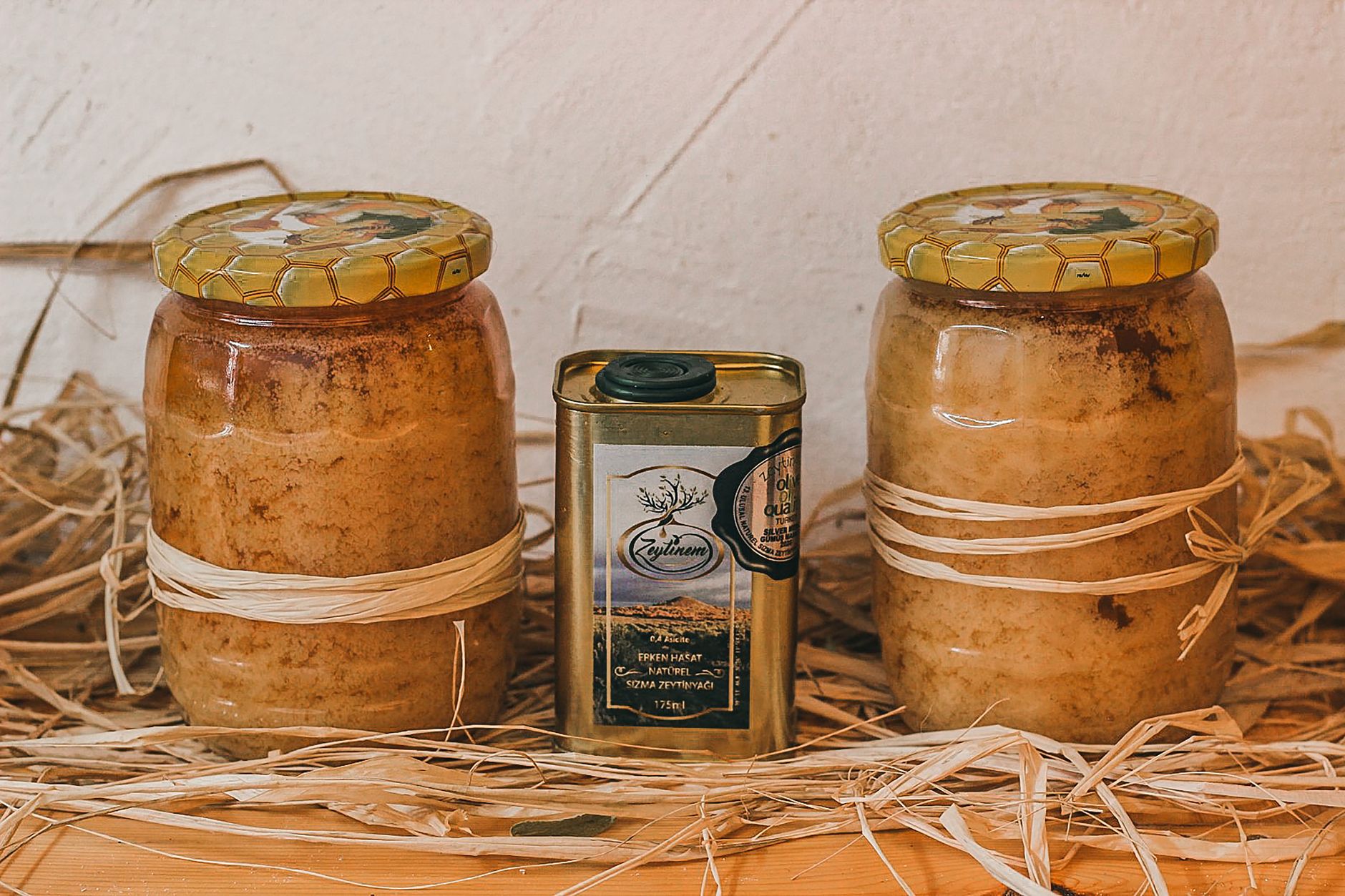
The Taurus Mountains: Wild Foraging and Highland Apiaries
The Taurus Mountains stretch along Türkiye's southern coast, from Antalya to Mersin. Here, pine honey production is more rugged and remote. Beekeepers in the Taurus often combine pine honey with other wild honeydew sources, such as oak and cedar, creating complex, terroir-driven honeys. The region is also a forager's paradise: wild thyme, sage, oregano, and pine shoots are gathered for teas, spices, and traditional remedies.
Guided foraging tours in the Taurus focus on sustainable harvesting. You'll learn to identify edible plants, mushrooms, and pine cones, and to respect the delicate balance of the forest. Many tours end with a picnic featuring local honey, cheeses, and fresh bread. The highland villages of Çamlıyayla, Arslanköy, and Sütçüler are particularly welcoming to guests.
Foraging Etiquette and Safety
Always forage with a local guide—some wild plants and mushrooms are toxic. Never take more than you need, and avoid damaging trees or uprooting plants. In protected areas, foraging may be restricted, so check with local authorities. Respect private property and always ask permission before entering apiaries or fields.
Practical Advice for Visiting Apiaries
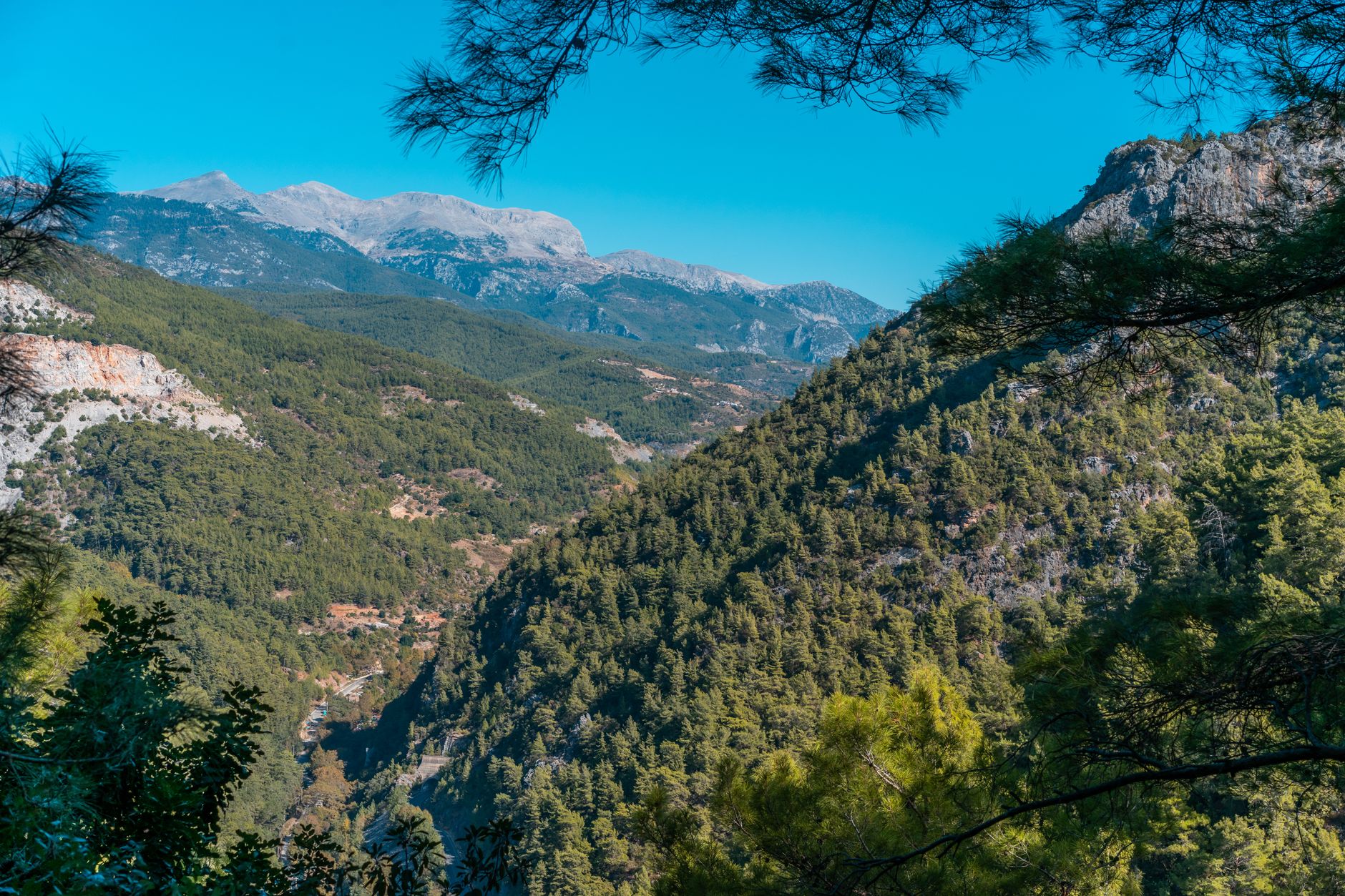
Apiary visits are a highlight of any honey-focused trip, but they require preparation. Wear light-colored, long-sleeved clothing and closed shoes. Avoid strong perfumes or scented lotions, which can agitate bees. If you're allergic to bee stings, consult your doctor before visiting and carry any necessary medication.
Most apiaries provide protective gear, but it's wise to confirm in advance. Tours typically last 1–2 hours and include a tasting of different honey varieties, from pine to thyme and chestnut. Ask about the harvest date and the source of the honeydew—the best pine honey comes from hives placed in pure pine forests, away from agricultural fields.
Photography is usually allowed, but always ask first. Some beekeepers may invite you to help with simple tasks, like uncapping frames or bottling honey. Embrace the experience—it's a chance to connect with a centuries-old tradition.
Tasting and Buying Pine Honey: A Buyer's Guide
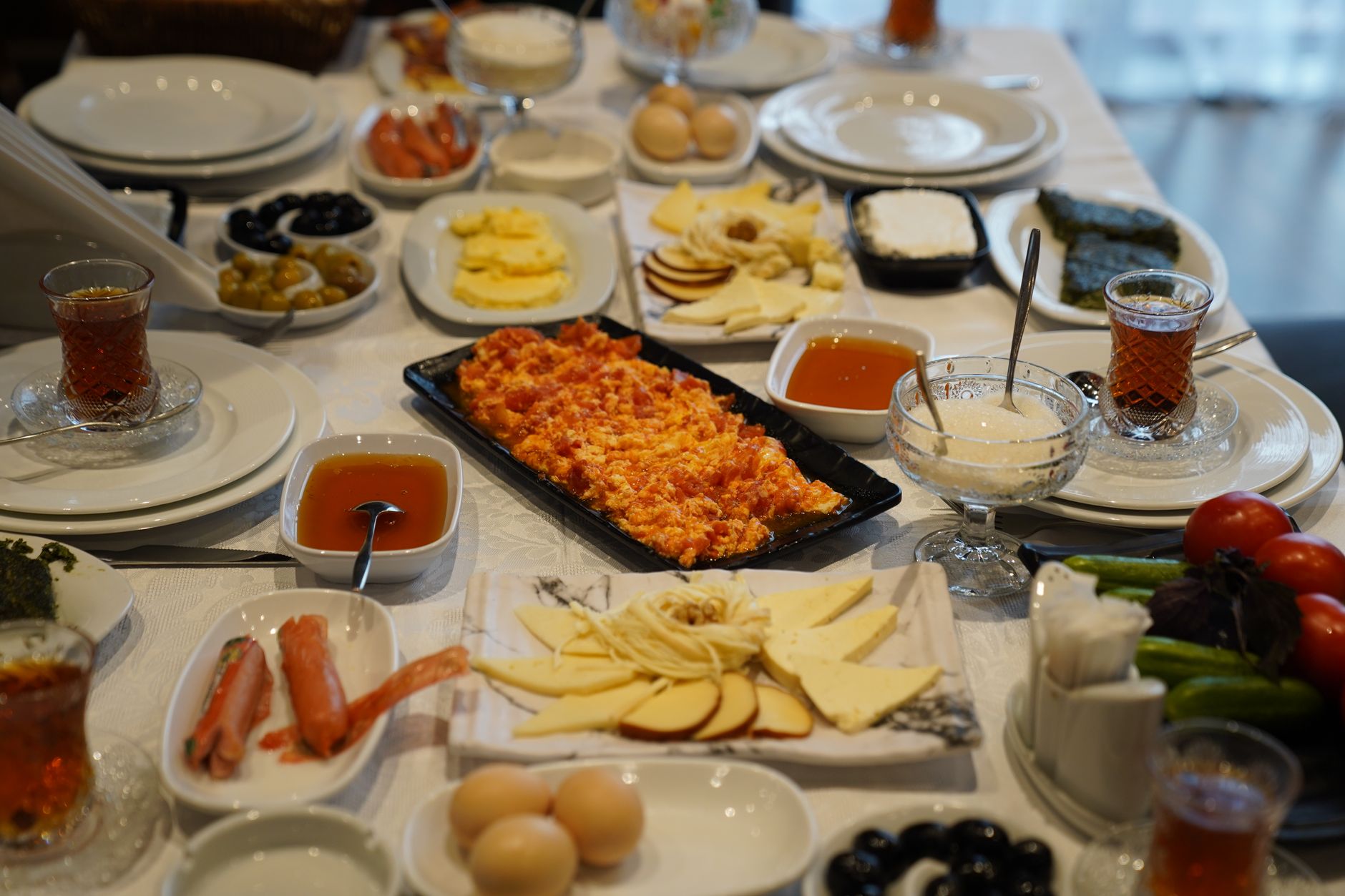
Turkish pine honey is sold in various forms: raw, comb, creamed, and flavored. When buying, look for the “Muğla Çam Balı” geographical indication label, which guarantees origin and quality. Raw honey is unheated and unfiltered, retaining pollen and enzymes. It may crystallize over time—this is normal and not a sign of spoilage.
Prices vary: a 500g jar of artisanal pine honey can cost 150–300 TL (about $5–10), while mass-produced versions are cheaper but often blended. Buy directly from beekeepers, cooperatives, or trusted shops. At farmers' markets, ask for a taste before purchasing. Avoid honey sold in plastic containers exposed to direct sunlight, as this can degrade its quality.
How to Take Honey Home
- Packing: Honey is considered a liquid by airport security. If carrying in hand luggage, ensure containers are 100ml or less. Otherwise, pack in checked baggage, wrapped in sealed plastic bags and cushioned with clothing.
- Customs: Most countries allow small quantities of honey for personal use, but check your destination's regulations. Some countries restrict honey imports to prevent disease transmission to local bees.
- Storage: Keep honey in a cool, dark place, tightly sealed. It doesn't need refrigeration and can last for years.
Best Seasons for Honey Tourism
The pine honey harvest runs from August to October, making early autumn the ideal time to visit. The weather is mild, the forests are alive with the hum of bees, and the honey is fresh. In spring (April–May), you can witness the bees foraging on wildflowers before they are moved to pine forests. Many beekeepers offer spring tours focused on hive management and queen rearing.
Summer (June–July) can be hot, especially in Muğla, but the coast offers refreshing swimming breaks. Winter is quiet; most beekeepers are tending to hives and preparing for the next season. If you're interested in foraging, spring and autumn are best for wild greens and mushrooms.
Ramadan and major holidays may affect opening hours, so check in advance. The Muğla Honey Festival in September is a fantastic event with tastings, workshops, and markets. Similarly, the Marmaris Honey Days in August celebrates the local harvest.
Beyond Honey: Culinary and Cultural Delights
Pine honey is just one facet of Türkiye's rich gastronomy. In Muğla, pair honey with local cheeses like sepet peyniri (basket cheese) and keçi peyniri (goat cheese). Drizzle it over yogurt with fresh fruit, or use it in traditional dishes like kabak tatlısı (pumpkin dessert).
The region is also famous for its olive oil, citrus, and seafood. Don't miss a breakfast spread (kahvaltı) featuring honey, clotted cream (kaymak), and simit. For a deeper cultural immersion, visit a village kahve (coffeehouse) and chat with locals—many have stories of beekeeping passed down through generations.
Sustainable tourism is growing, with many apiaries offering eco-friendly stays. By choosing these experiences, you support small-scale producers and help preserve the pine forests that make this honey possible.
A Sweet Farewell
Türkiye's mountain pine honey is more than a sweetener—it's a story of symbiosis between tree, insect, and bee, nurtured by generations of beekeepers. Traveling through Muğla and the Taurus Mountains, you'll not only taste this liquid gold but also witness the ancient craft of forest foraging. Whether you're a foodie, a nature lover, or a curious traveler, this sweet trail offers a unique glimpse into Türkiye's gastronomic heritage.
So pack your bags, bring a sense of adventure, and let the scent of pine lead you to the apiaries of the southwest. Your taste buds—and your suitcase—will thank you.
Thinking about a trip to Turkey?
Share your contact details and a vetted local expert will follow up with a plan built around you — free, no obligation.